Tarea
Who was Tarea in the Bible?
Tarea was a Benjamite nobleman during the United Monarchy and a direct descendant of King Saul through his grandson Mephibosheth.
Tarea (also spelled Tahrea) was a member of the tribe of Benjamin who lived during the era of the United Monarchy in Israel. He is primarily documented within the genealogical records of the Chronicler, appearing as a significant link in the royal lineage of Saul, the first king of Israel. As the son of Micah and the grandson of Mephibosheth (referred to in some texts as Merib-baal), Tarea represented the third generation of Saul’s descendants following the collapse of the Saulide dynasty.
His inclusion in the biblical record serves a specific historiographical purpose: to demonstrate the survival and continuity of Saul’s line despite the transition of the throne to the house of David. Though the family no longer held political power, Tarea and his brothers were recorded as prominent figures within their tribal inheritance, maintaining the legacy of Jonathan’s house through the reign of David and Solomon.
Background and Family
Tarea emerged during the period of the United Monarchy, a time when the twelve tribes of Israel were unified under a single centralized government. He was born into the tribe of Benjamin, specifically within the elite household of the former royal family. His lineage is meticulously preserved in 1 Chronicles 8 and 9, which provide a window into the post-dynastic life of King Saul's descendants.
Tarea was the son of Micah. His grandfather was Mephibosheth (the son of Jonathan), whom King David had famously brought into his own court to honor his covenant with Jonathan. This familial positioning suggests that while Tarea lived in the shadow of the Davidic throne, his family maintained a level of social standing and recognition within the tribal structure of Benjamin. He grew up alongside three brothers: Pithon, Melech, and Ahaz.
Major Life Events
The biblical record for Tarea is strictly genealogical. There are no narrative accounts of his specific actions, words, or personal achievements. However, his presence in two separate genealogical lists (1 Chronicles 8:35 and 1 Chronicles 9:41) signifies his importance as a head of a household or a "chief man" within Benjamin.
One notable detail is the slight variation in the spelling of his name between the two accounts. In 1 Chronicles 8:35, he is listed as Tarea (תַּאֲרֵעַ), while in 1 Chronicles 9:41, he is identified as Tahrea (תַּחְרֵעַ). Scholars generally view these as phonetic variations of the same name, likely preserved in different archival sources available to the Chronicler.
Relationship to Other Biblical Figures
Tarea’s primary significance is defined by his ancestors and siblings. He is the great-grandson of King Saul and the grandson of Jonathan, the beloved friend of David. Because Tarea’s father, Micah, was the son of Mephibosheth, Tarea was a direct beneficiary of the peace treaty between the house of Saul and the house of David.
His brothers—Pithon, Melech, and Ahaz—are always listed alongside him. Of these, his brother Ahaz is notable for continuing the lineage that would eventually produce Ulam, a man famous for having many sons and grandsons who were mighty warriors and archers. Tarea, therefore, was part of a robust family unit that transitioned from being royalty to being a distinguished family of warriors and tribal leaders.
Spiritual Significance
In the context of the Book of Chronicles, the mention of Tarea carries theological weight regarding God’s faithfulness to his promises. Even though the kingdom was taken from Saul due to his disobedience, God did not allow the line of Jonathan to be extinguished. Tarea represents the preservation of a remnant.
For the original readers of Chronicles (who were returning from Babylonian exile), the inclusion of figures like Tarea provided a sense of identity and continuity. It proved that even when a family loses its crown, its place within the community of Israel and its heritage within the tribal allotments remains secure under the providence of God.
Tarea’s significance lies in his role as a preserver of the Saulide lineage during the United Monarchy. His presence in the genealogies confirms that the house of Saul continued to flourish numerically and socially even after losing the throne to David. This serves as a testament to the enduring nature of the tribe of Benjamin and the fulfillment of the covenant of kindness between David and Jonathan, which ensured the safety and prosperity of Jonathan's descendants.
Furthermore, Tarea represents the transition of the tribe of Benjamin from a position of national leadership to one of tribal stability. By listing Tarea alongside his brothers and descendants, the Chronicler emphasizes that every branch of the Israelite family tree—even those of fallen dynasties—remained vital to the national identity and the divine plan for Israel.
Frequently Asked Questions
Who was Tarea's father?
Tarea was the son of Micah, who was the son of Mephibosheth (also known as Merib-baal).
Which tribe did Tarea belong to?
Tarea was a member of the tribe of Benjamin, the same tribe as Israel's first king, Saul.
Is Tarea the same person as Tahrea?
Yes, Tarea (1 Chronicles 8:35) and Tahrea (1 Chronicles 9:41) are the same individual; the difference is a minor spelling variation in the Hebrew text.
Was Tarea related to King Saul?
Yes, Tarea was the great-grandson of King Saul.
What era did Tarea live in?
Tarea lived during the United Monarchy, the period when Saul, David, and Solomon reigned over all Israel.
Family & Relationships
Parents
 Micah, Grandson of JonathanFather1 Chronicles 8:35Stated
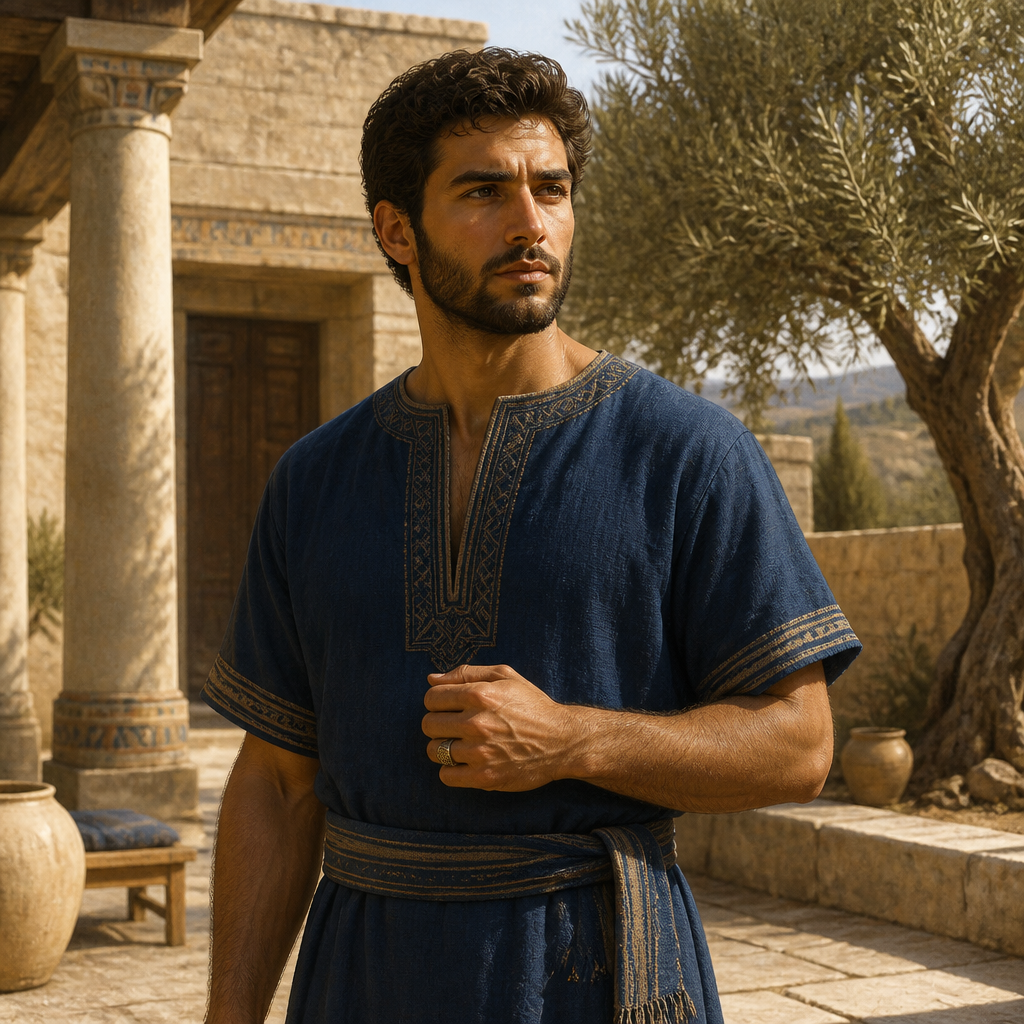 TareaThis page
 Ahaz, Descendant of SaulBrother1 Chronicles 8:35Stated
 MelechBrother1 Chronicles 8:35Stated
 PithonBrother1 Chronicles 8:35Stated
Connected Figures
Family
Father · 1 Chronicles 8:35
The son of Mephibosheth and grandson of Jonathan, Micah was a member of the royal house of Saul during the reign of King David.
Brother · 1 Chronicles 8:35
A Benjamite descendant of King Saul and Jonathan, mentioned in the genealogical records of the United Monarchy as a son of Micah and father of Jehoaddah.
Brother · 1 Chronicles 8:35
Melech was a member of the Tribe of Benjamin and a direct descendant of King Saul through the line of Jonathan, mentioned in the genealogies of 1 Chronicles.
United MonarchyFirst: 1 Chronicles 8:353 versesTribal NobleBenjamin
Brother · 1 Chronicles 8:35
A Benjamite nobleman and descendant of King Saul who lived during the era of the United Monarchy.
United MonarchyFirst: 1 Chronicles 8:353 versesTribal NoblemanBenjamin
Categories
Mentions by Book
- 1 Chronicles2
Scripture References
All 2 indexed verses, in canonical order, from the Berean Standard Bible.
1 Chronicles · 2
- 1 Chronicles 8:35
The sons of Micah: Pithon, Melech, Tarea, and Ahaz.
- 1 Chronicles 9:41
The sons of Micah: Pithon, Melech, Tahrea, and Ahaz.