Raamah
A grandson of Ham and son of Cush who is listed among the early post-Flood patriarchs in the Table of Nations.
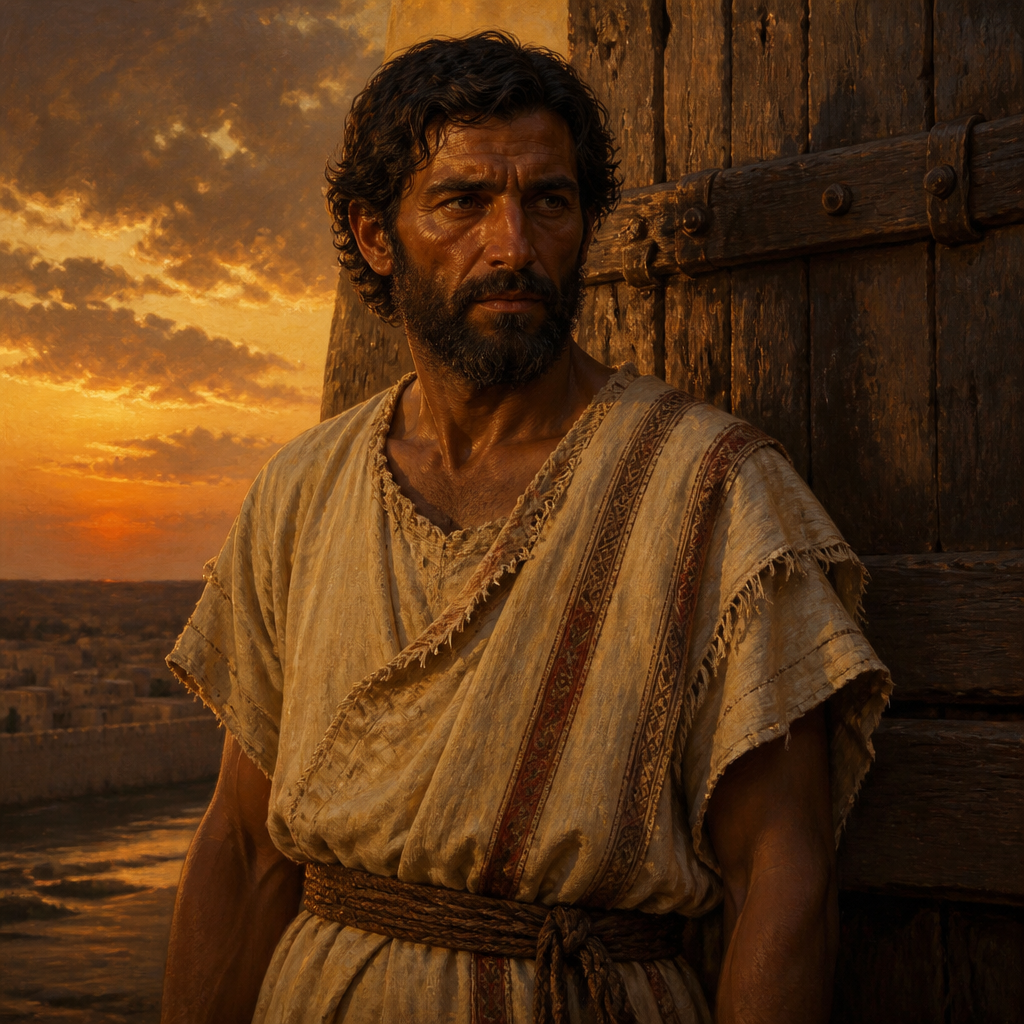
Raamah (Hebrew: Raʿmā) is a figure appearing in the early genealogical records of the Old Testament, specifically within the 'Table of Nations' found in the book of Genesis. As the fourth son of Cush, Raamah occupies a significant place in the lineage of the Hamitic peoples. He is identified as a grandson of Ham and a great-grandson of Noah, placing his lifespan in the immediate post-Flood era during the initial repopulation of the earth.
While the biblical narrative does not provide a biography of Raamah's individual actions, his mention is crucial for establishing the ethnic and geographical landscape of the ancient Near East. He is specifically noted for being the progenitor of two prominent sub-groups: the peoples of Sheba and Dedan. His inclusion in both the Genesis and 1 Chronicles records underscores his role as a foundational patriarch in the early history of the Semitic-adjacent Hamitic tribes.
Background and Family
Raamah appears within the context of the Table of Nations, a genealogical document that maps the expansion of humanity following the Great Flood. According to Genesis 10:7, Raamah was the son of Cush. This lineage places him within the Hamitic line, as Cush was the eldest son of Ham. The biblical text identifies several brothers of Raamah: Seba, Havilah, Sabtah, Sabteca, and Nimrod. The proximity of Raamah to Nimrod—described as a mighty hunter and the founder of the first post-Flood empire—suggests that Raamah belonged to a family of significant influence and expansionist tendencies in the ancient world.
The Sons of Raamah
Unlike many of his brothers, Raamah is specifically distinguished by the mention of his own offspring. The biblical record states, "The sons of Raamah: Sheba and Dedan" (Genesis 10:7). This inclusion is vital because Sheba and Dedan are names that frequently recur in later biblical prophecy and historical accounts, usually in connection with trade and commerce in the Arabian Peninsula. By listing these two sons, the author of Genesis connects the distant patriarchal past of the post-Flood era to the recognizable geopolitical entities of later centuries.
Major Life Events
The biblical record for Raamah is strictly genealogical. There are no recorded speeches, travels, or personal conflicts attributed to him. His life is defined by his placement in time and his role as a bridge between his father Cush and his famous sons. He represents the secondary stage of the Hamitic expansion, moving beyond the immediate children of Noah into the specialized tribal groups that would eventually settle the regions of southern Arabia.
Relationship to Other Biblical Figures
Raamah's primary significance lies in his relationships. As a grandson of Ham, he is part of the generation that lived through the immediate aftermath of the curse of Canaan and the subsequent dispersion of people from the Tower of Babel. His relationship to his brother Nimrod is often highlighted by scholars, as Nimrod’s kingdom-building activities in Shinar and Assyria represent a political peak for the house of Cush, while Raamah’s lineage (through Sheba and Dedan) represents the commercial and nomadic peak of the same house.
In the genealogical summary provided in 1 Chronicles 1:9, the record remains identical to the Genesis account. This consistency indicates that by the time of the Chronicler (post-exilic period), the identity of Raamah as a distinct Cushite patriarch remained undisputed and preserved in the official priestly records of Israel.
Spiritual Significance
In a theological sense, Raamah serves as a reminder of the fulfillment of the divine command to "be fruitful and multiply and fill the earth" (Genesis 9:1). His inclusion in the text demonstrates the biblical conviction that all nations, even those that would later become commercial rivals or theological adversaries to Israel, share a common ancestry rooted in the family of Noah. Raamah represents a specific branch of the human family tree that, while distinct from the line of Shem (the Israelites), was an essential part of the world order established by God after the judgment of the Flood.
Spiritual Significance
Raamah's theological importance is found in his role within the Table of Nations, providing a historical framework for the origins of the Cushite people. By linking Raamah to Sheba and Dedan, the Bible establishes that the merchants and traders of the Arabian regions were not accidental developments but were part of a structured genealogy descending from Noah through Ham. This provides a sense of unity to the human race and validates the sovereignty of God over the development of distinct ethnic groups and their geographical boundaries.
Furthermore, the repetition of his genealogy in 1 Chronicles 1:9 serves a structural purpose in the Bible. It reinforces the historical continuity of the human race from the creation through the Flood to the time of the monarchy. Raamah acts as a vital link in the chain of human history, ensuring that the origins of the world's diverse peoples are documented as part of the overarching redemptive history of the scriptures.
Frequently Asked Questions
Who was Raamah's father?
Raamah was the son of Cush, who was the son of Ham.
Who were Raamah's children?
The Bible explicitly names two sons of Raamah: Sheba and Dedan.
Where is Raamah mentioned in the Bible?
Raamah is mentioned in the genealogies found in Genesis 10:7 and 1 Chronicles 1:9.
Was Raamah related to Nimrod?
Yes, Raamah and Nimrod were brothers, both being sons of Cush.
What does the name Raamah mean?
In Hebrew, the name Raamah (רַעְמָה) is generally understood to mean 'trembling' or 'thunder'.
Connected Figures

Categories
Mentions by Book
- 1 Chronicles1
- Genesis1
Family & Relationships
Child
Genesis 10:7
Child
Genesis 10:7
Sibling
Genesis 10:7
Sibling
Genesis 10:7
Sibling
Genesis 10:7
Sibling
Genesis 10:7
Sibling
Genesis 10:7
Parent
Genesis 10:6
Sibling
Genesis 10:7
Sibling
Genesis 10:8
Sibling
Genesis 10:7
Sibling
Genesis 10:7
Sibling
Genesis 10:7