Cush, Son of Ham
Cush was the eldest son of Ham and the father of Nimrod, serving as the patriarchal ancestor of various African and Arabian nations in the Table of Nations.
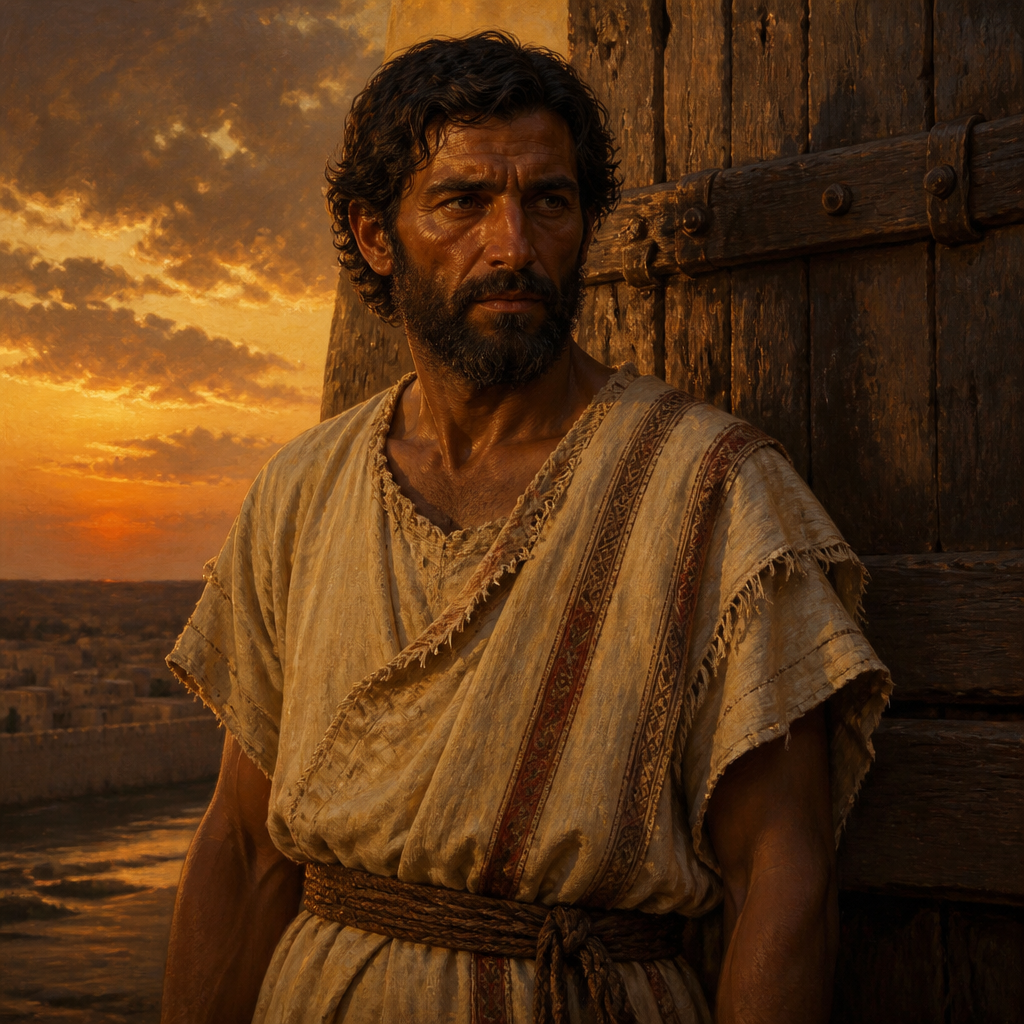
Cush is a pivotal figure in the genealogical records of the Old Testament, identified as the firstborn son of Ham and a grandson of Noah. He occupies a foundational position in the 'Table of Nations' found in the book of Genesis, where he is presented as the progenitor of several distinct ethnic groups and powerful ancient civilizations. His name is traditionally associated with the region south of Egypt, often translated as Ethiopia or Nubia in modern biblical scholarship.
Historically and biblically, Cush represents the expansion of humanity following the Great Flood. As a patriarch, his legacy is defined less by his personal actions—of which the biblical text records none—and more by the significant impact of his descendants. Among his offspring are the founders of early Arabian tribes and the famous hunter-king Nimrod, who established some of the earliest cities in Mesopotamia.
Background and Family
Cush appears in the biblical narrative within the context of the post-diluvian world. According to Genesis 10 and 1 Chronicles 1, he was the son of Ham and the grandson of the patriarch Noah. As the eldest of Ham's four sons, he was the brother of Mizraim (the ancestor of the Egyptians), Put (associated with Libya), and Canaan (the ancestor of the Canaanites). This lineage places Cush at the head of one of the three primary branches of humanity described in the biblical primeval history.
The biblical record focuses primarily on the expansion of Cush’s own household. He is credited with fathering six named sons: Seba, Havilah, Sabtah, Raamah, Sabteca, and Nimrod. Through his son Raamah, he was also the grandfather of Sheba and Dedan. These names are not merely personal identifiers but also represent geographical regions and tribal entities that would play significant roles in the ancient Near Eastern landscape.
Major Life Events
While the Bible does not provide a narrative account of Cush’s individual life, his significance is established through the acts of his progeny. The most notable mention of Cush occurs in Genesis 10:8 and 1 Chronicles 1:10, which state:
"Cush was the father of Nimrod, who began to be a mighty one on the earth."
This specific mention distinguishes Cush from many other names in the Table of Nations. Unlike many entries that appear only as names in a list, Cush is explicitly linked to the rise of the first world power. Through Nimrod, the line of Cush is associated with the founding of Babel, Erech, Akkad, and Calneh in the land of Shinar. This suggests that the influence of Cush’s lineage extended far beyond his immediate geographic location, reaching into the heart of Mesopotamia and the development of early urban civilization.
Relationship to Other Biblical Figures
Cush’s primary relationships are defined by his ancestry and his descendants. As a member of the third generation after the Flood, he represents the bridge between the immediate family of Noah and the proliferation of nations. His position as a brother to Canaan and Egypt establishes a close genealogical link between the peoples of East Africa, the Levant, and the Nile Valley.
In the broader biblical context, the descendants of Cush (often referred to as Cushites) appear frequently in later prophetic and historical books. However, in the patriarchal era of Genesis, Cush serves as a genealogical anchor point. His relationship with his son Nimrod is particularly emphasized, marking a transition from nomadic patriarchal life to the establishment of organized kingdoms and military prowess.
Spiritual Significance
Theological interpretations of Cush often focus on the fulfillment of the divine command to "be fruitful and multiply and fill the earth" (Genesis 9:1). Cush embodies the rapid diversification of the human race following the renewal of the covenant with Noah.
Furthermore, the mention of Cush in the lineage of the Table of Nations underscores the biblical view that all nations, regardless of their eventual geopolitical power or distance from the promised land, share a common ancestry rooted in the survivors of the Flood. While the Bible does not record Cush’s personal faith or character, he remains a vital link in the scriptural account of human history, illustrating the sovereignty of God over the development of cultures and the movement of peoples across the ancient world.
Spiritual Significance
Cush is significant as the patriarchal head of the lineage that populated much of Africa and parts of the Arabian Peninsula. His inclusion in the Table of Nations provides a scriptural framework for understanding the shared origins of humanity and the early development of post-Flood civilizations. By being named the father of Nimrod, Cush is also linked to the first instances of organized imperial power and city-building in human history.
Theologically, the lineage of Cush demonstrates the breadth of the Noahic blessing. Though he is the son of Ham—who was involved in the incident leading to the curse of Canaan—Cush himself is not cursed in the text. Instead, his descendants are portrayed as builders and rulers, emphasizing that the diverse nations of the earth are all part of the unfolding narrative of God's interaction with mankind.
Frequently Asked Questions
Who was the father of Cush?
Cush was the son of Ham, making him the grandson of Noah.
Who was Cush's most famous son?
His most famous son was Nimrod, described as a 'mighty hunter before the Lord' and the founder of early Mesopotamian cities.
Which modern regions are associated with Cush?
Biblically and historically, Cush is associated with the region south of Egypt, including modern-day Sudan and Ethiopia, as well as parts of the southern Arabian Peninsula.
How many sons did Cush have according to the Bible?
The Bible explicitly names six sons of Cush: Seba, Havilah, Sabtah, Raamah, Sabteca, and Nimrod.
Is Cush mentioned in books other than Genesis?
Yes, Cush is also listed in the genealogies of 1 Chronicles 1, which mirrors the record found in Genesis.
Connected Figures



Categories
Mentions by Book
- 1 Chronicles3
- Genesis3
Family & Relationships
Child
Genesis 10:6
Child
Genesis 10:6
Child
Genesis 10:6
Child
Genesis 10:6
Child
Genesis 10:6
Child
Genesis 10:6
Sibling
Genesis 10:6
Sibling
Genesis 10:6
Sibling
Genesis 10:6
Sibling
Genesis 9:18
Parent
Genesis 5:32
Sibling
Genesis 10:6
Sibling
Genesis 10:6
Others Named Cush
Cush the BenjamitePsalms 7:1
A member of the tribe of Benjamin during the United Monarchy who was a personal adversary and pursuer of King David.