Dedan, Grandson of Cush
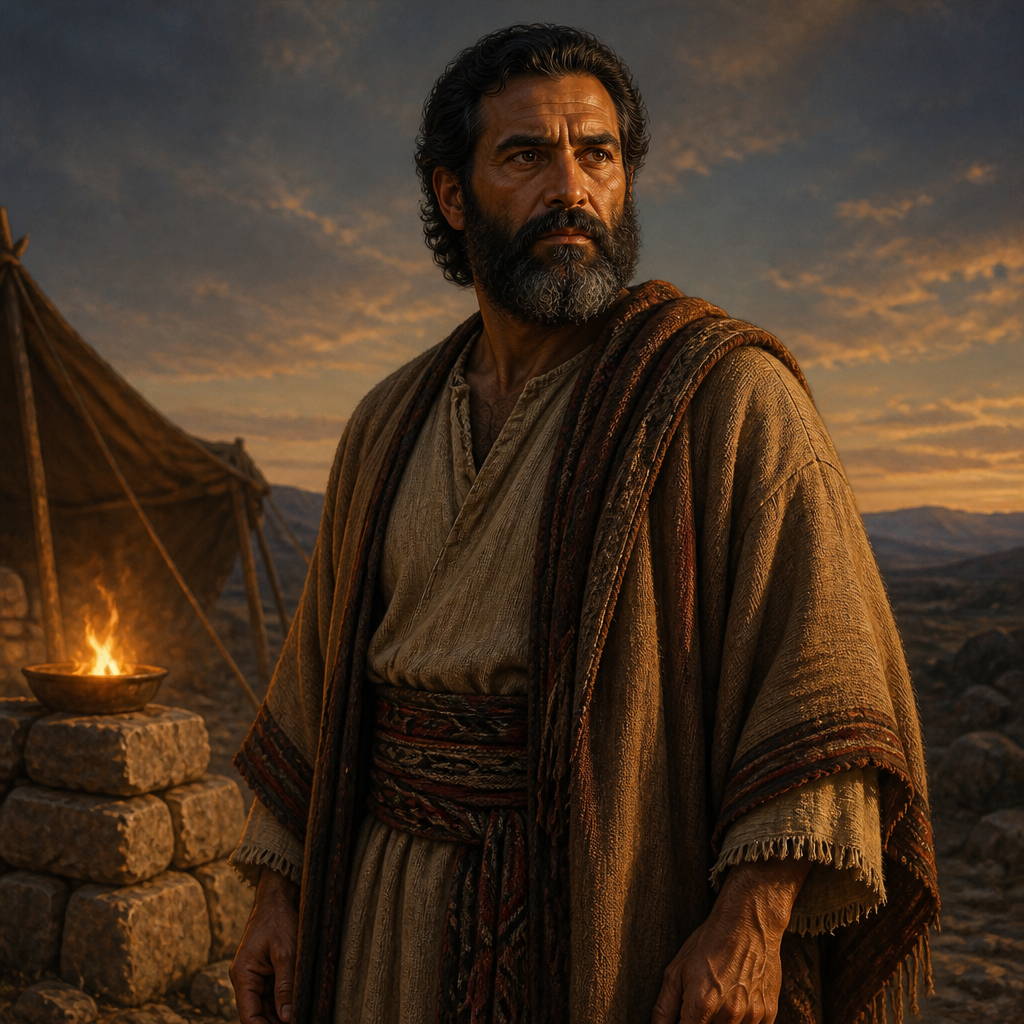
A grandson of Cush and son of Raamah, Dedan was a primeval patriarch belonging to the Hamitic line following the Great Flood.
Dedan was a post-diluvian figure listed in the Table of Nations, representing one of the foundational lineages of the ancient world. As the son of Raamah and the grandson of Cush, he is situated within the Hamitic branch of humanity. His placement in the biblical record serves to establish the early distribution of peoples and the development of distinct ethnic and territorial identities in the centuries following the Noahic Deluge.
The biblical record of this specific Dedan is concentrated within the genealogical records of the Torah and the early histories of the Chronicler. He is consistently associated with his brother, Sheba, and his father, Raamah. While his individual biographical details are not expanded upon in narrative form, his inclusion in these vital lists underscores his importance as a progenitor of a specific branch of the Cushite people during the era of Primeval History.
Background and Family
Dedan is identified in the biblical text as a member of the third generation following the Great Flood. According to the genealogical records found in Genesis and 1 Chronicles, he was the son of Raamah. Raamah was one of the five sons of Cush, who was the son of Ham and the grandson of Noah.
Dedan’s immediate family includes his brother, Sheba. The pairing of Sheba and Dedan as the sons of Raamah is a consistent feature in both mentions of this individual. This lineage places Dedan within the broader Cushite (Hamitic) family, which the Bible associates with the southern regions of the ancient world, including parts of Africa and the Arabian Peninsula.
Major Life Events
The biblical record does not preserve specific events, dialogues, or actions performed by Dedan. His historical footprint is strictly genealogical. He appears in the "Table of Nations" (Genesis 10), a document that scholars recognize as an ethnographic map of the ancient Near East. His life occurred within the Primeval History era, a time characterized by the repopulation of the earth and the division of languages and territories.
Dedan’s primary contribution to the biblical narrative is his role as a tribal head. In the ancient Hebrew worldview, individuals named in these genealogies often represented the eponymous ancestors of specific tribes or geographic regions. As a son of Raamah, Dedan represents a branch of the Cushite people that likely settled in the trade-rich regions of the southern wilderness.
Relationship to Other Biblical Figures
Dedan is defined almost entirely by his relationships to his ancestors and his brother. He is a great-grandson of Noah through Ham and Cush. His relationship to his brother Sheba is particularly noteworthy, as the two are mentioned together in every instance of this Dedan's appearance.
The sons of Cush: Seba, Havilah, Sabtah, Raamah, and Sabteca. And the sons of Raamah: Sheba and Dedan. (Genesis 10:7)
This familial structure suggests a close ethnic or geographic tie between the groups that descended from these two brothers. While their father Raamah is also noted, Dedan and Sheba are the only grandsons of Cush through Raamah who are explicitly named, highlighting their status as significant patriarchal figures in the post-flood world.
Spiritual Significance
In a theological context, Dedan represents the fulfillment of the divine mandate to "be fruitful and multiply and fill the earth" (Genesis 9:1). His inclusion in the Holy Scripture serves two primary purposes: confirming the historical continuity of the human race after the judgment of the Flood and demonstrating God's sovereignty over the formation of nations. By tracing the lineage of Dedan back to Ham and Noah, the biblical author asserts that all peoples—including the merchant tribes associated with the name Dedan—share a common origin and are subject to the providential ordering of God.
Spiritual Significance
Dedan's primary significance lies in his role within the 'Table of Nations,' documenting the early migration and settlement of the Hamitic peoples. He functions as a link in the chain of human history that connects the survivors of the Flood to the diverse civilizations of the ancient Near East. Theologically, his presence in the genealogy affirms that every tribe and nation, regardless of their eventual distance from the covenant line of Shem, has a documented place in the divine record of humanity.
Frequently Asked Questions
Who was Dedan's father?
Dedan was the son of Raamah, who was himself a son of Cush.
Which of Noah's sons was Dedan descended from?
Dedan was a descendant of Ham, through Ham's son Cush.
Who was Dedan's brother?
Dedan's brother was Sheba, and the two are consistently listed together as the sons of Raamah.
Where is Dedan mentioned in the Bible?
This Dedan is mentioned in the genealogies of Genesis 10:7 and 1 Chronicles 1:9.
What era of history did Dedan live in?
Dedan lived during the era of Primeval History, specifically the period of repopulation following the Great Flood.
Connected Figures
Categories
Mentions by Book
- 1 Chronicles1
- Genesis1
Family & Relationships
Sibling
Genesis 10:7
Parent
Genesis 10:7
Sibling
Genesis 10:7
Others Named Dedan
Dedan, Son of JokshanGenesis 25:3
Dedan was a son of Jokshan and a grandson of Abraham through his concubine Keturah, serving as a patriarchal progenitor of several North Arabian tribes.