Milcah, Matriarch of Nahor's Line
Milcah was a prominent matriarch in the line of Terah, the wife of Nahor, and the grandmother of Rebekah.
Milcah is a significant figure within the genealogical narratives of the book of Genesis, representing a critical branch of the patriarchal family tree. As the daughter of Haran and the wife of Nahor, she occupies a central position in the family of Abraham, ensuring the continuity of the Mesopotamian lineage that would later provide wives for the promised heirs of the covenant. Her name, which translates to 'queen' or 'counsel' in Hebrew, reflects her status within the early Semitic tribes.
While the biblical record regarding Milcah is largely genealogical, her presence is essential to the structural integrity of the Genesis narrative. She serves as the bridge between the family that remained in Mesopotamia and the family of Abraham that migrated to Canaan. Through her son Bethuel, she became the grandmother of Rebekah, thereby playing an indirect but foundational role in the lineage of the nation of Israel.
Background and Family
Milcah appears early in the primeval history of the patriarchs. According to Genesis 11:29, she was the daughter of Haran and the sister of Lot and Iscah. This makes her the niece of Abraham (Abram). In a practice common to the patriarchal period, she married her uncle Nahor, the brother of Abraham. This endogamous marriage served to keep the family unit intact and preserve the heritage of Terah's descendants.
Her family origin is rooted in Ur of the Chaldeans, though the narrative eventually shifts to Haran, where the family settled after leaving Ur. Unlike Abraham, who received a divine call to journey toward Canaan, Milcah and her husband Nahor remained in the region of Aram-Naharaim, establishing a prosperous household that would remain a point of reference for Abraham’s descendants for three generations.
Major Life Events
The biblical text primarily highlights Milcah’s role as a mother. Genesis 22:20-23 records a specific report brought to Abraham, noting that "Milcah has also borne sons to your brother Nahor." The text provides a detailed list of her eight sons: Uz (the firstborn), Buz, Kemuel (the father of Aram), Chesed, Hazo, Pildash, Jidlaph, and Bethuel.
This list is not merely a census; it represents the expansion of the Terahite family into various tribal entities. The birth of Bethuel is singled out as the most significant event in her maternal history, as Bethuel became the father of Rebekah. The timing of this report to Abraham is crucial, occurring shortly after the binding of Isaac (the Akedah), signaling to the reader that while Isaac was prepared as the heir, a suitable wife was being prepared for him within the family of Milcah.
Relationship to Other Biblical Figures
Milcah’s importance is most visible during the search for a wife for Isaac in Genesis 24. When Abraham’s servant travels to the city of Nahor to find a bride, he encounters Rebekah at the well. Upon being asked her identity, Rebekah explicitly identifies herself through her grandmother: "I am the daughter of Bethuel, the son that Milcah bore to Nahor" (Genesis 24:24).
This identification is repeated multiple times (Genesis 24:15, 24:47), emphasizing that Rebekah’s suitability for Isaac is rooted in her descent from Milcah. By identifying Rebekah as the granddaughter of Milcah, the text confirms she is a legitimate member of the kinship group, meeting Abraham's strict requirement that Isaac not marry a Canaanite woman. Milcah thus stands as the matriarchal anchor for the Aramean branch of the family.
Spiritual Significance
Though Milcah does not have recorded dialogue or direct interactions with God in the text, her theological significance lies in the concept of divine providence. Her life illustrates how God maintains the lineage of the chosen people even through those who do not leave their homeland. The "fertility" of Milcah (bearing eight sons) is often contrasted with the initial barrenness of Sarah. While Sarah’s child was a result of a miraculous intervention, Milcah’s descendants were the result of natural providence, yet both were necessary to fulfill the divine plan for Isaac’s marriage.
In the broader context of Genesis, Milcah represents the preservation of the "kindred" (moledet). Her role ensures that when Jacob later flees to Laban (her great-grandson), he is returning to the house of his mother’s family—a house founded by Milcah and Nahor. She is the silent but foundational matriarch who enables the patriarchal promises to move forward through the correct genealogical channels.
Spiritual Significance
Milcah's significance is primarily genealogical and structural. She serves as the biological link that connects the Mesopotamian branch of Terah’s family to the covenant line in Canaan. By providing the lineage from which Rebekah (and later Leah and Rachel) would emerge, she ensures that the mothers of the nation of Israel are drawn from the same ancestral stock as the patriarchs. Her role emphasizes the importance of kinship and the fulfillment of God’s promise to make Abraham's relatives a numerous people.
Theologically, Milcah represents the 'hidden' work of God in the background of the primary narrative. While the text focuses on Abraham's journey, Milcah's household in Haran is being built up, providing the necessary partners for the next generation of the covenant. Her mention in the text at pivotal moments—such as right after the trial of Isaac—highlights her role as an instrument of providence in preparing the way for the future of Israel.
Frequently Asked Questions
Who was Milcah’s husband?
Milcah was married to Nahor, who was the brother of the patriarch Abraham.
How was Milcah related to Abraham?
Milcah was both Abraham's niece (the daughter of his brother Haran) and his sister-in-law (the wife of his brother Nahor).
Who were Milcah’s most famous descendants?
Her most famous descendants include her granddaughter Rebekah (wife of Isaac) and her great-grandchildren Laban, Leah, and Rachel.
How many children did Milcah have?
According to Genesis 22, Milcah bore eight sons to Nahor: Uz, Buz, Kemuel, Chesed, Hazo, Pildash, Jidlaph, and Bethuel.
Where did Milcah live?
Milcah lived in the region of Mesopotamia, specifically in a location referred to as the 'city of Nahor' (likely Haran or its vicinity).
Connected Figures
Nahor
Husband and Uncle
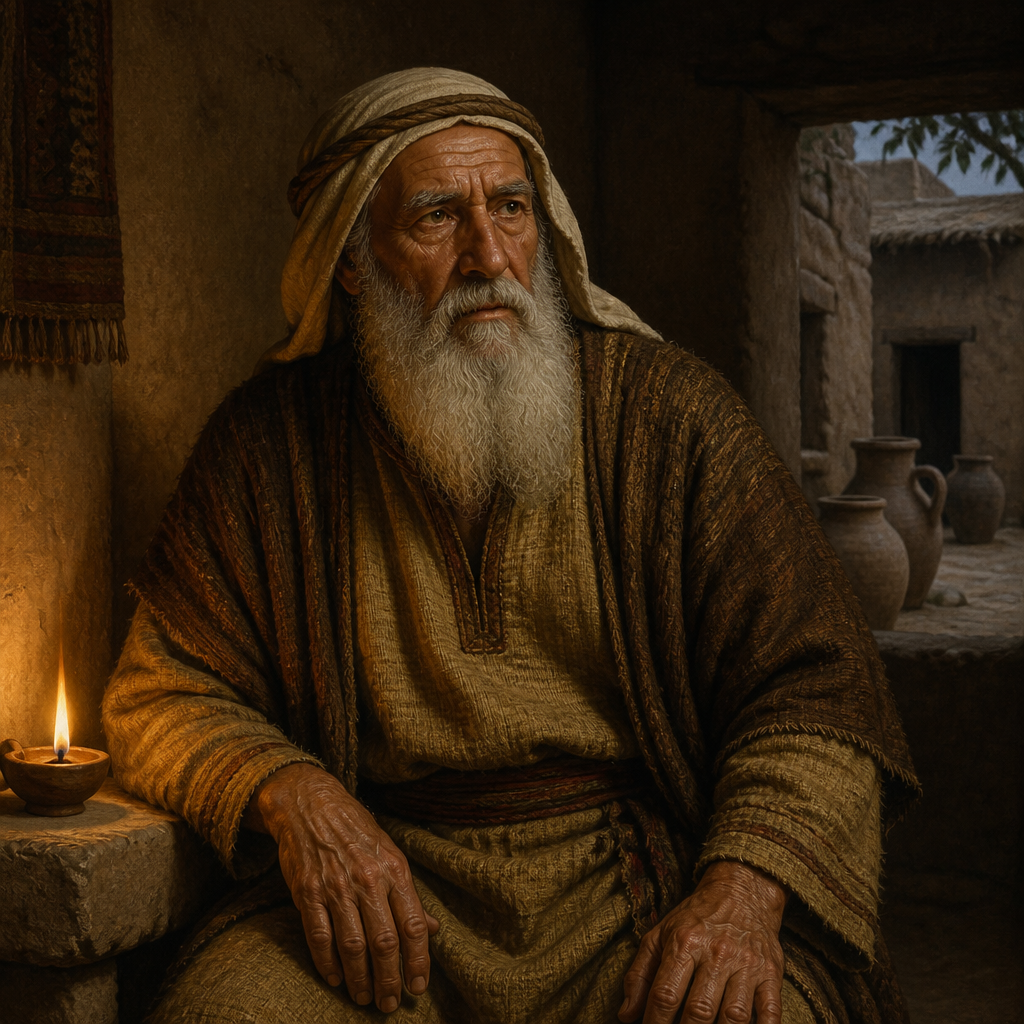
Bethuel
Son
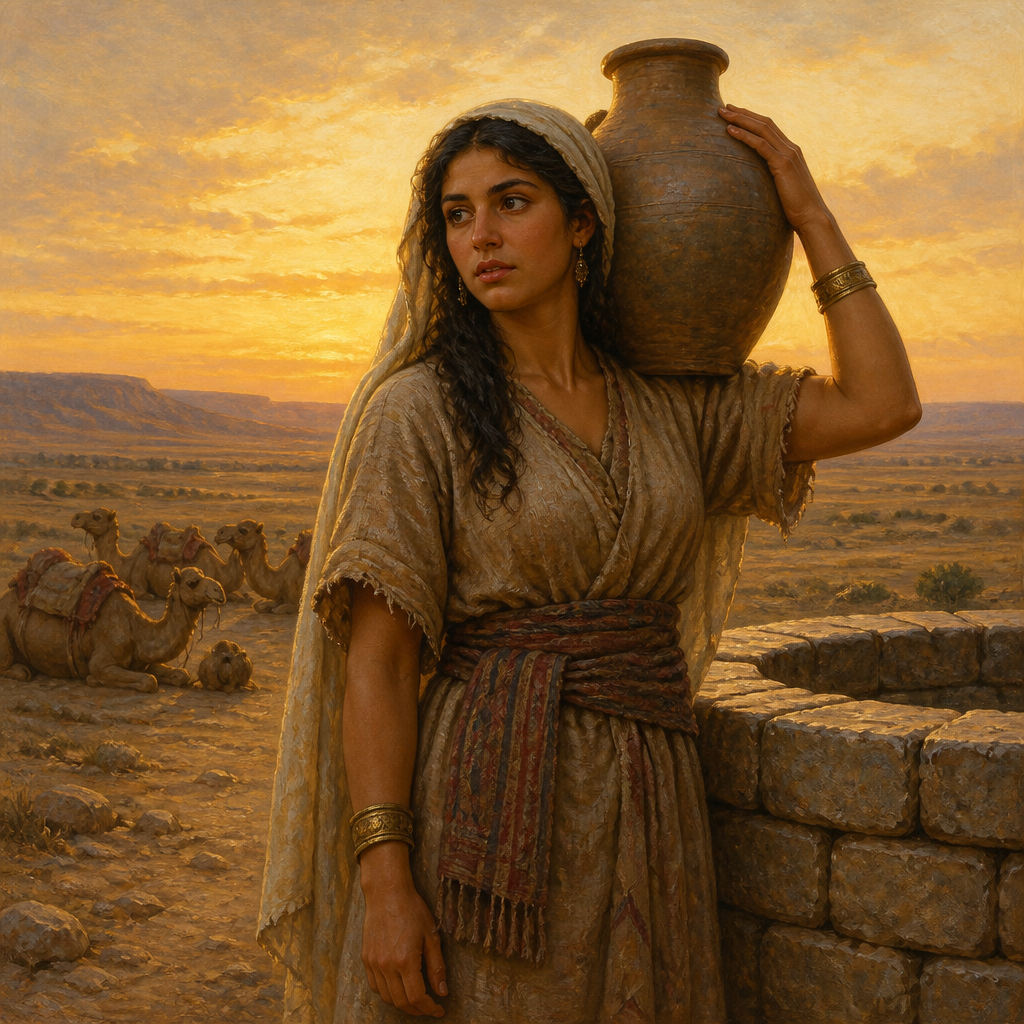
Rebekah
Granddaughter
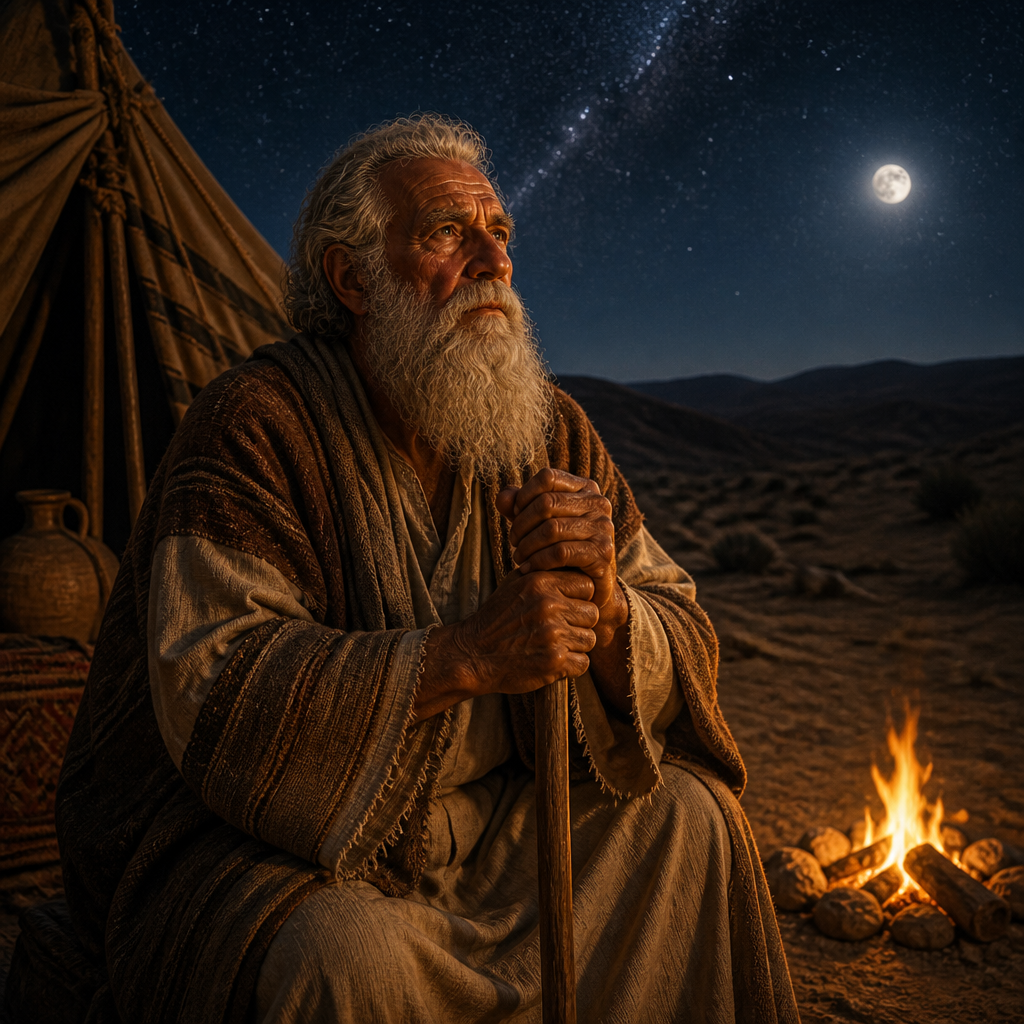
Abraham
Uncle and Brother-in-law
Haran
Father
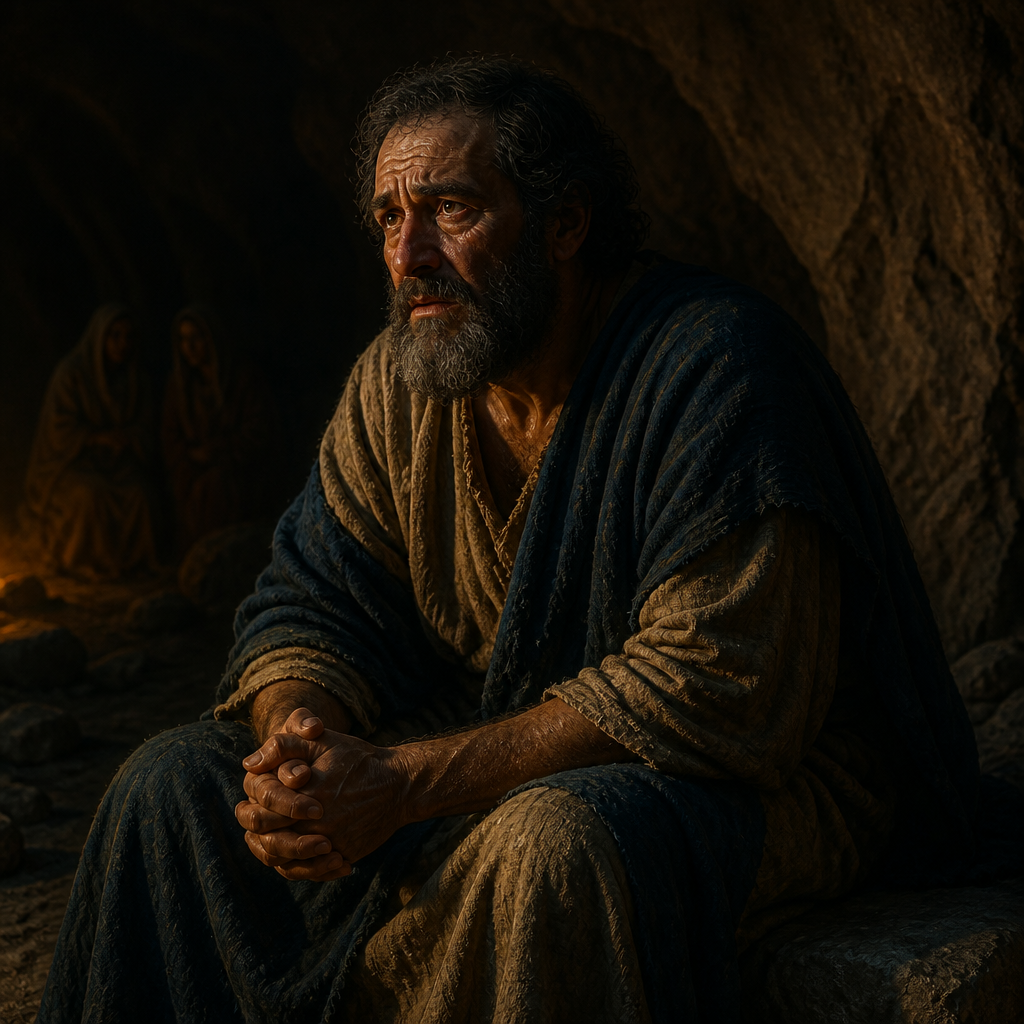
Lot
Brother
Categories
Mentions by Book
- Genesis6
Family & Relationships
Child
Genesis 11:29
Child
Genesis 11:29
Child
Genesis 11:29
Child
Genesis 11:29
Child
Genesis 11:29
Child
Genesis 11:29
Child
Genesis 11:29
Child
Genesis 11:29
Sibling
Genesis 11:29
Sibling
Genesis 11:29
Spouse / partner
Genesis 11:29
Parent
Genesis 11:26
Sibling
Genesis 11:29
Sibling
Genesis 11:27
Spouse / partner
Genesis 11:26
Others Named Milcah
Milcah, Daughter of ZelophehadNumbers 26:33
One of the five daughters of Zelophehad who successfully petitioned Moses for an inheritance within the tribe of Manasseh, establishing a legal precedent for women's land rights.