Gomer, Son of Japheth
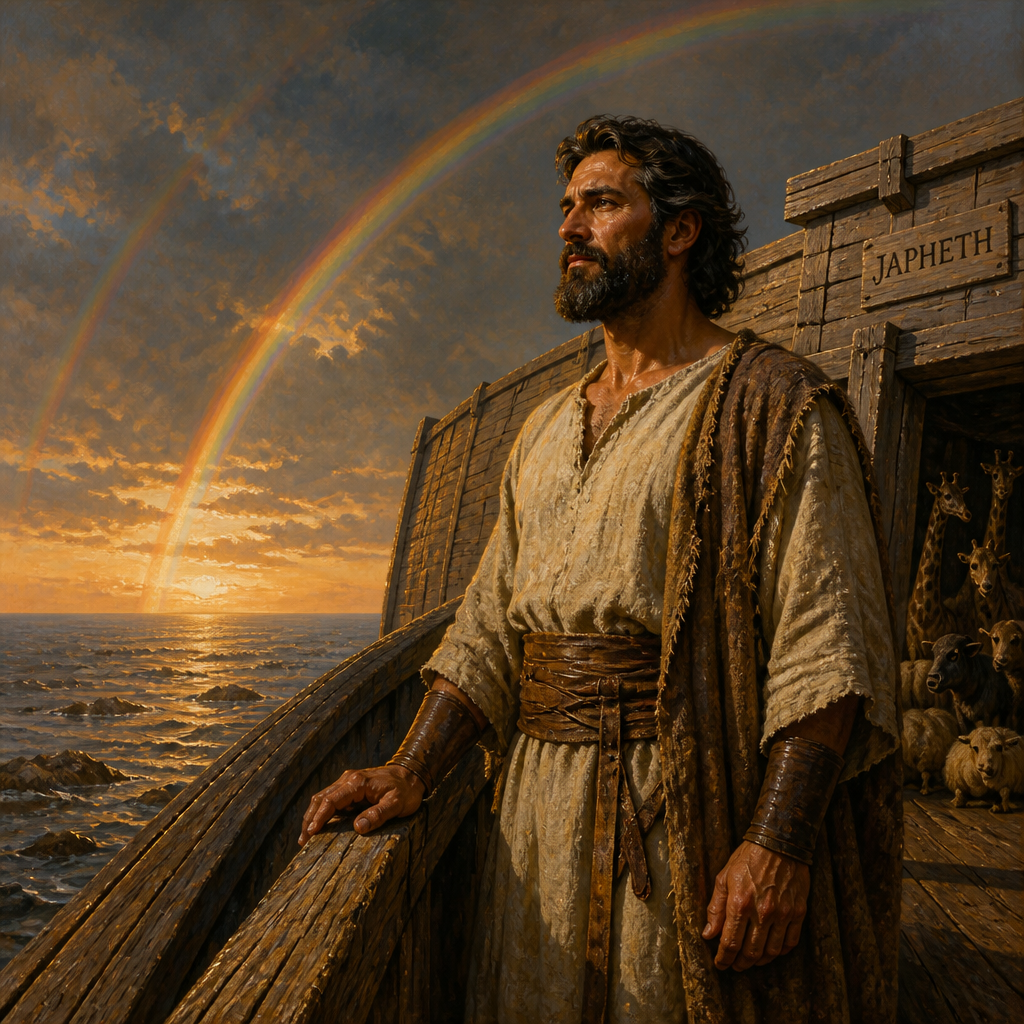
Gomer was the eldest son of Japheth and a grandson of Noah, recognized as the progenitor of several northern nations in the Table of Nations.
Gomer was a prominent figure in the genealogical records of the early post-flood world. As the firstborn son of Japheth, he holds a primary position in the 'Table of Nations' found in the book of Genesis. His lineage is associated with the expansion of humanity following the Deluge, specifically representing the branches of the human family that migrated toward the northern regions of the ancient world.
Historically and biblically, Gomer is not characterized by personal narrative or dialogue but by his role as a patriarch and a namesake for a people group. His descendants, including his three sons, are listed as distinct entities that eventually formed the geopolitical landscape of the ancient Near East and beyond. His name reappears in the prophetic literature of Ezekiel, signifying a lasting ethnic and national identity that persisted for centuries after the initial patriarchal era.
Background and Family
Gomer appears primarily within the genealogical framework of the Pentateuch and the Chronicles. According to Genesis 10:2, he was the eldest son of Japheth, making him a grandson of the patriarch Noah. This placement within the genealogy is significant, as Japheth is traditionally associated with the peoples of the maritime regions and the northern territories. Gomer’s siblings include Magog, Madai, Javan, Tubal, Meshech, and Tiras—figures who are collectively understood to be the ancestors of the Indo-European or Aegean peoples.
Major Life Events
The biblical text does not record specific biographical incidents from Gomer’s life, such as his birth, death, or personal interactions. His 'life' in the biblical record is expressed through his progeny. He is credited with fathering three sons: Ashkenaz, Riphath, and Togarmah (Genesis 10:3; 1 Chronicles 1:6). In the context of the Table of Nations, these names are both personal and eponymous, representing the clans and territories that branched out from the primary Japhetic line.
In the later prophetic record of Ezekiel 38:6, Gomer is mentioned not as an individual but as a national entity. The prophet describes "Gomer with all its troops" as part of a northern coalition. This suggests that the descendants of the patriarch Gomer had established themselves as a formidable military and political force by the time of the Babylonian exile, maintaining a distinct identity as a people from the "far north."
Relationship to Other Biblical Figures
Gomer’s primary relationships are defined by his immediate ancestry and his offspring. As the son of Japheth, he is a direct heir to the blessing Noah pronounced upon Japheth in Genesis 9:27 ("May God enlarge Japheth"). His relationship with his brothers—particularly Magog and Meshech—is emphasized in Ezekiel, where they are grouped together as northern powers. His sons (Ashkenaz, Riphath, and Togarmah) represent the further subdivision of the Japhetic line into specific regional tribes.
Spiritual Significance
The spiritual significance of Gomer lies in the fulfillment of the divine mandate to "be fruitful and multiply and fill the earth" (Genesis 9:1). Gomer serves as a literal link in the chain of human history, demonstrating the sovereignty of God over the development of nations and the migration of peoples. In the prophetic context of Ezekiel, Gomer serves as a reminder that all nations, even those distant from the land of Israel, are under the ultimate authority of God and play a role in the unfolding of His eschatological purposes. The inclusion of Gomer in both the beginning of the biblical narrative (Genesis) and the prophetic warnings (Ezekiel) underscores the biblical theme that God tracks the history of all families of the earth from their inception to their final judgment.
Spiritual Significance
Gomer is significant as a foundational figure in the biblical ethnography of the post-flood world. As the eldest son of Japheth, he represents the northern branch of the human family tree. His mention in the Table of Nations serves to validate the shared ancestry of all humanity while documenting the specific origins of northern tribes.
Theological focus is often placed on Gomer’s appearance in Ezekiel 38, where his descendants are identified as part of the coalition of nations. This highlights the biblical perspective that every nation, regardless of its geographic distance from the Promised Land, remains accountable to the Creator and integral to the historical narrative of redemption and judgment.
Frequently Asked Questions
Who was Gomer's father?
Gomer was the son of Japheth, who was one of the three sons of Noah.
Who were the sons of Gomer?
Gomer had three sons: Ashkenaz, Riphath, and Togarmah.
Where did Gomer's descendants settle?
The Bible places Gomer and his troops in the 'far north.' Scholars generally associate his descendants with the Cimmerians and other northern Indo-European tribes.
Is Gomer mentioned in the New Testament?
No, this Gomer is only mentioned in the Old Testament books of Genesis, 1 Chronicles, and Ezekiel.
What does the name Gomer mean in Hebrew?
The name Gomer (גֹּמֶר) is derived from a root meaning 'complete' or 'finish.'
Connected Figures

Categories
Mentions by Book
- 1 Chronicles2
- Genesis2
- Ezekiel1
Family & Relationships
Child
Genesis 10:2
Child
Genesis 10:2
Child
Genesis 10:2
Sibling
Genesis 10:2
Sibling
Genesis 10:2
Sibling
Genesis 10:2
Sibling
Genesis 10:2
Sibling
Genesis 10:2
Sibling
Genesis 10:2
Parent
Genesis 5:32
Sibling
Genesis 10:2
Sibling
Genesis 10:2
Sibling
Genesis 10:2
Sibling
Genesis 10:2
Sibling
Genesis 10:2
Sibling
Genesis 10:2
Others Named Gomer
Gomer, Daughter of DiblaimHosea 1:3
The daughter of Diblaim and wife of the prophet Hosea during the Divided Monarchy, whose marriage served as a living metaphor for God's relationship with Israel.