The Table of Nations (Genesis 10)
The Bible's map of the whole human family after the Flood — seventy names descending from Shem, Ham, and Japheth that became the peoples, coastlands, and kingdoms of the ancient world.
68 profiles tagged The Table of Nations (Genesis 10).
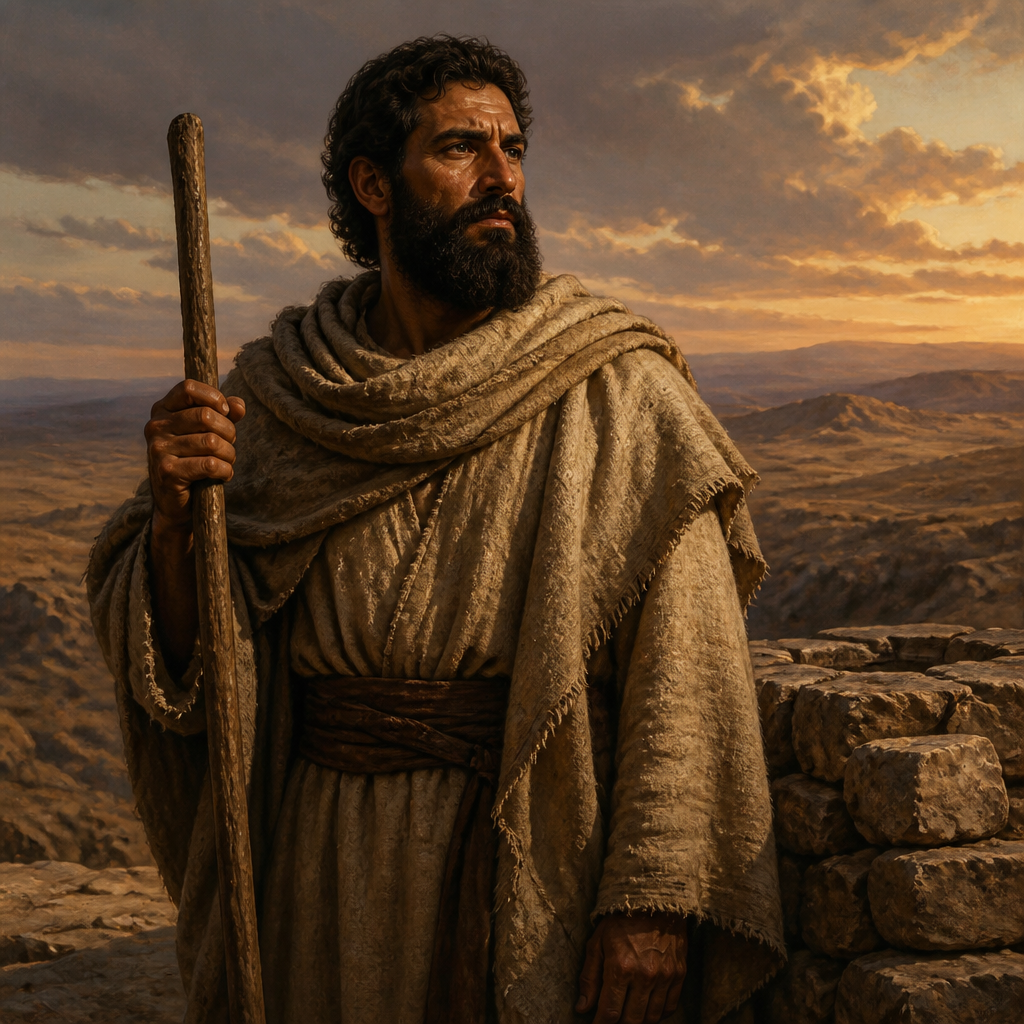
Abimael
Son of Joktan listed in the Table of Nations
A son of Joktan and a descendant of Shem, listed in the Table of Nations as a progenitor of an early Arabian tribe.
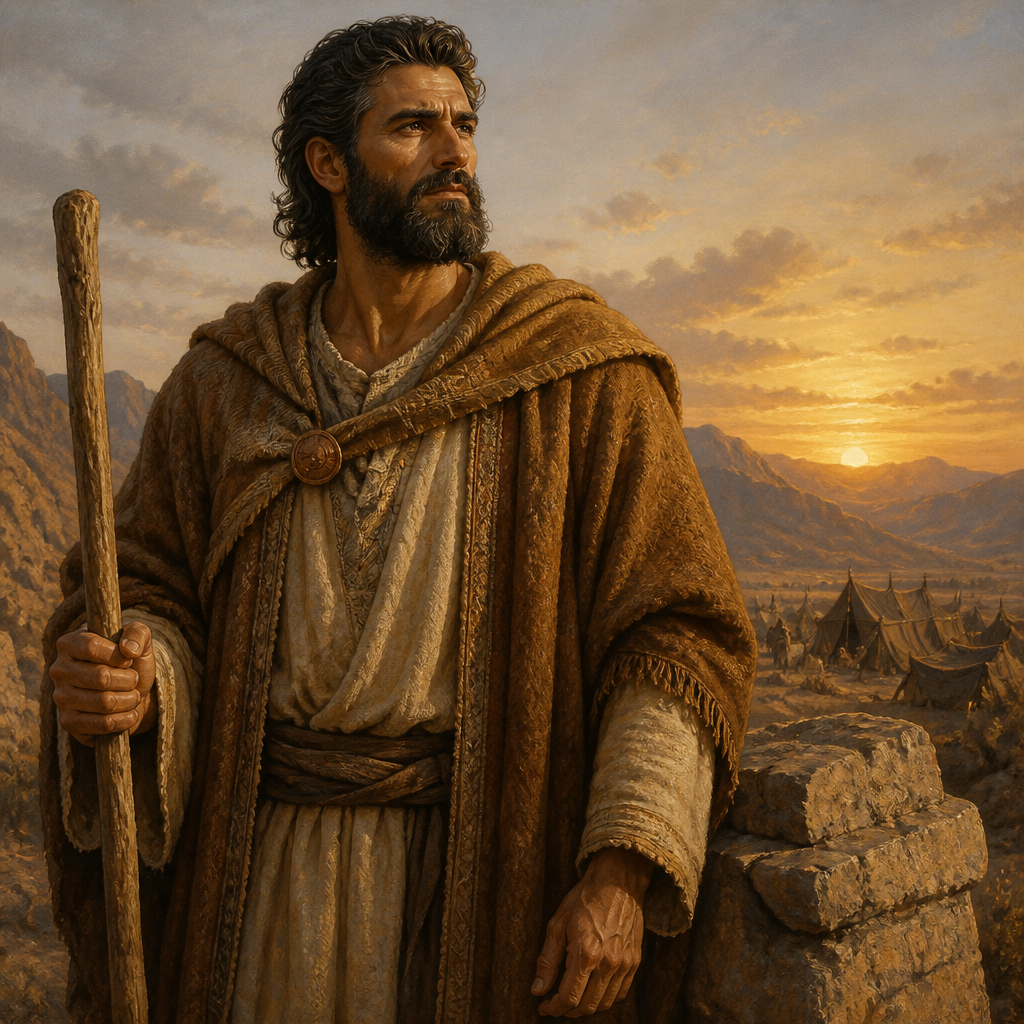
Almodad
Firstborn son of Joktan listed in the Table of Nations
Almodad was the firstborn son of Joktan and a descendant of Shem, listed in the Table of Nations as a founder of early post-flood tribal groups.
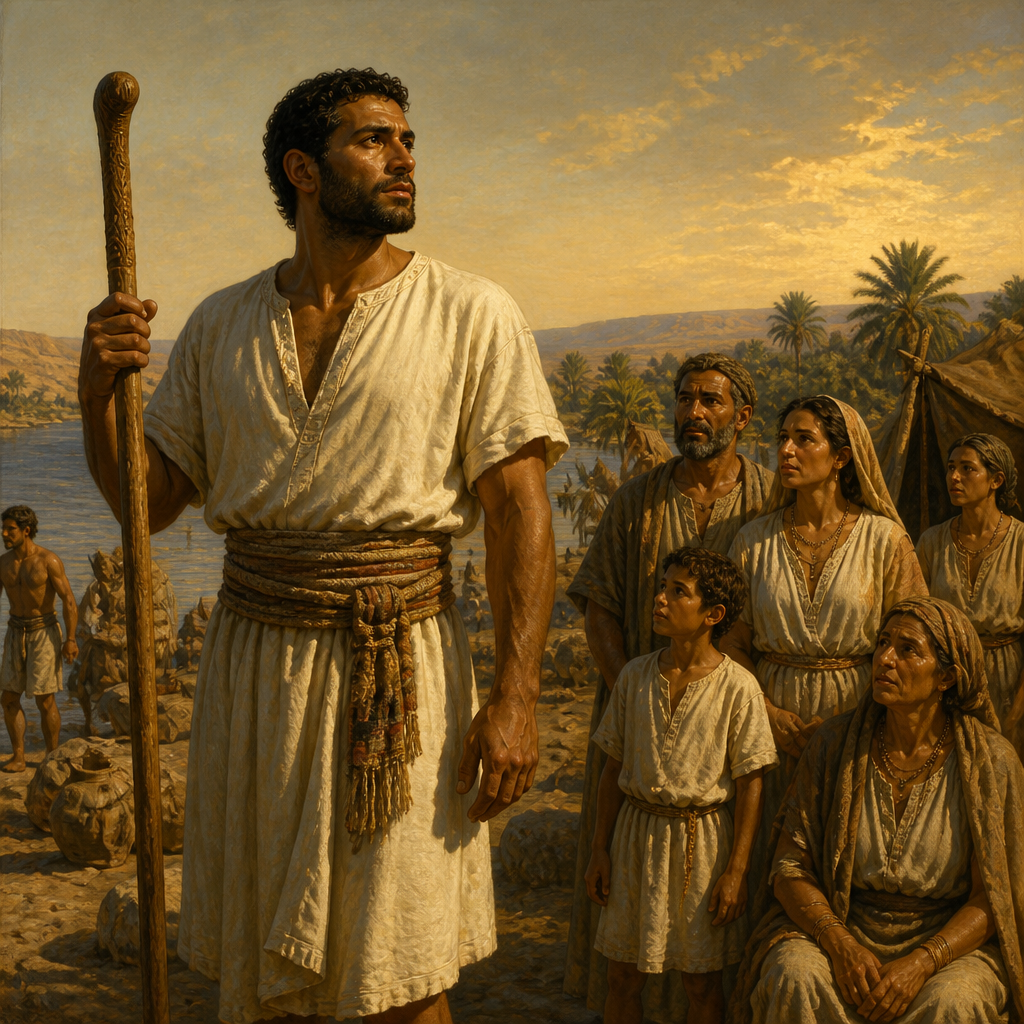
Anamim
Descendant of Mizraim listed in the Table of Nations
The Anamim (or Anamites) were a post-diluvian people group descended from Mizraim, son of Ham, during the era of Primeval History.
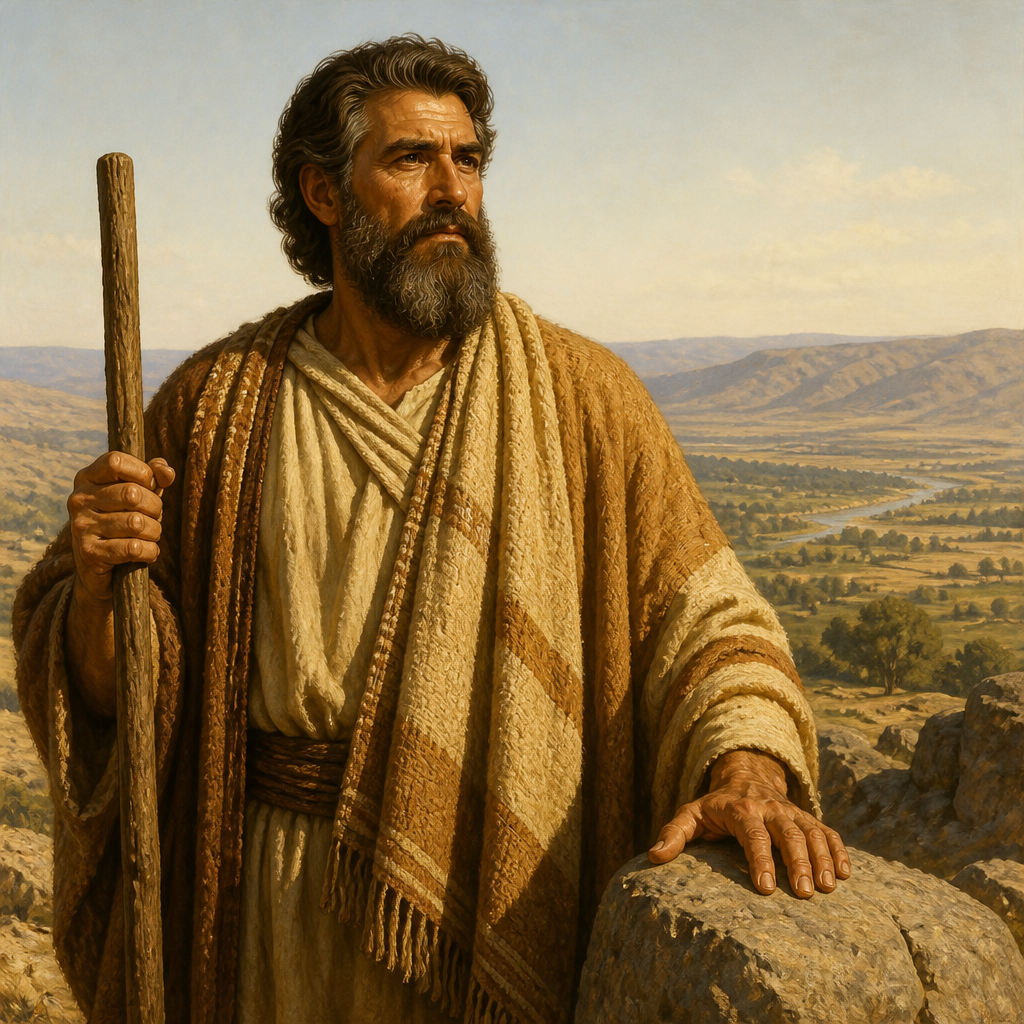
Aram, Son of Shem
Son of Shem and progenitor of the Aramean people
Aram was a son of Shem and grandson of Noah, recognized as a primary ancestor of various Semitic peoples in the ancient Near East.
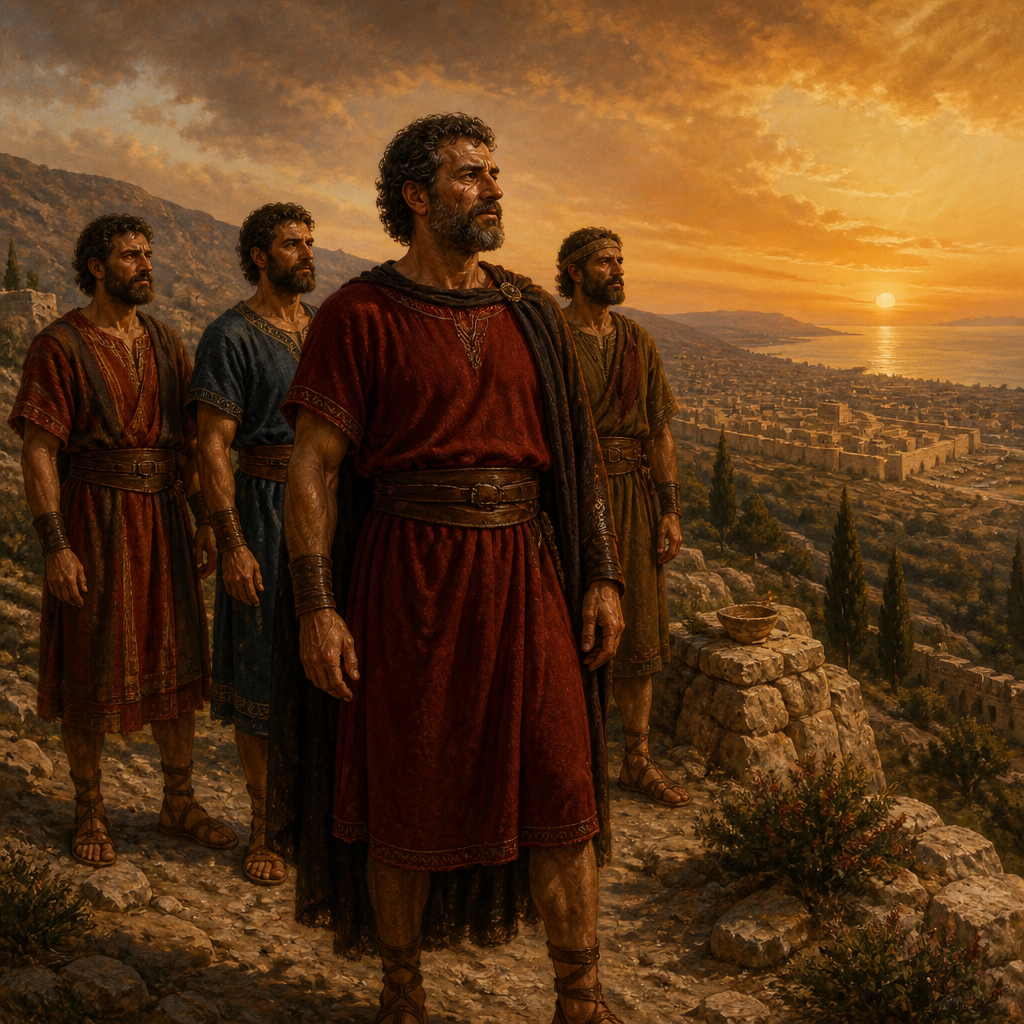
Arkites
Canaanite clan listed in the Table of Nations
A Canaanite clan descended from Canaan, son of Ham, identified as one of the groups that formed the original inhabitants of the Promised Land.
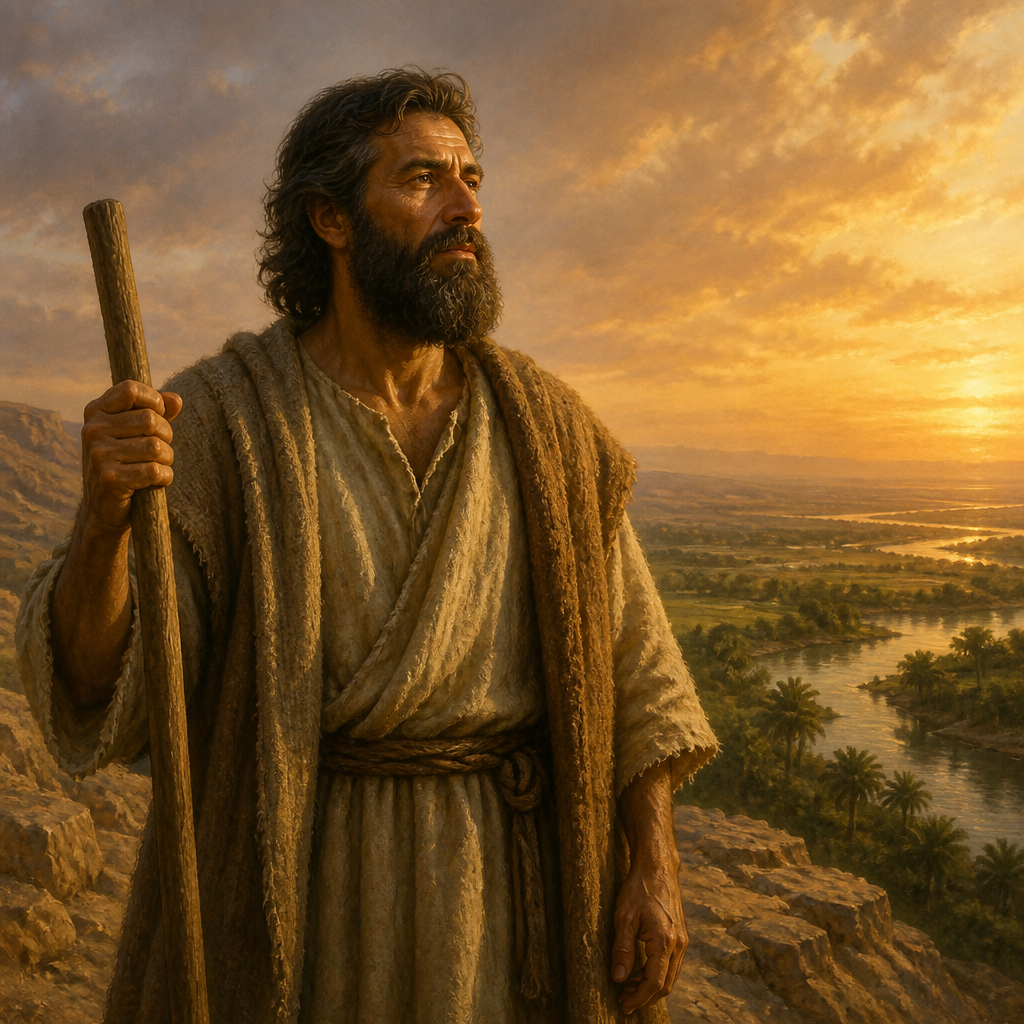
Arpachshad
Son of Shem and ancestor in the lineage of Jesus Christ
A post-flood patriarch, son of Shem, and ancestor of Abraham through whom the messianic lineage is traced.
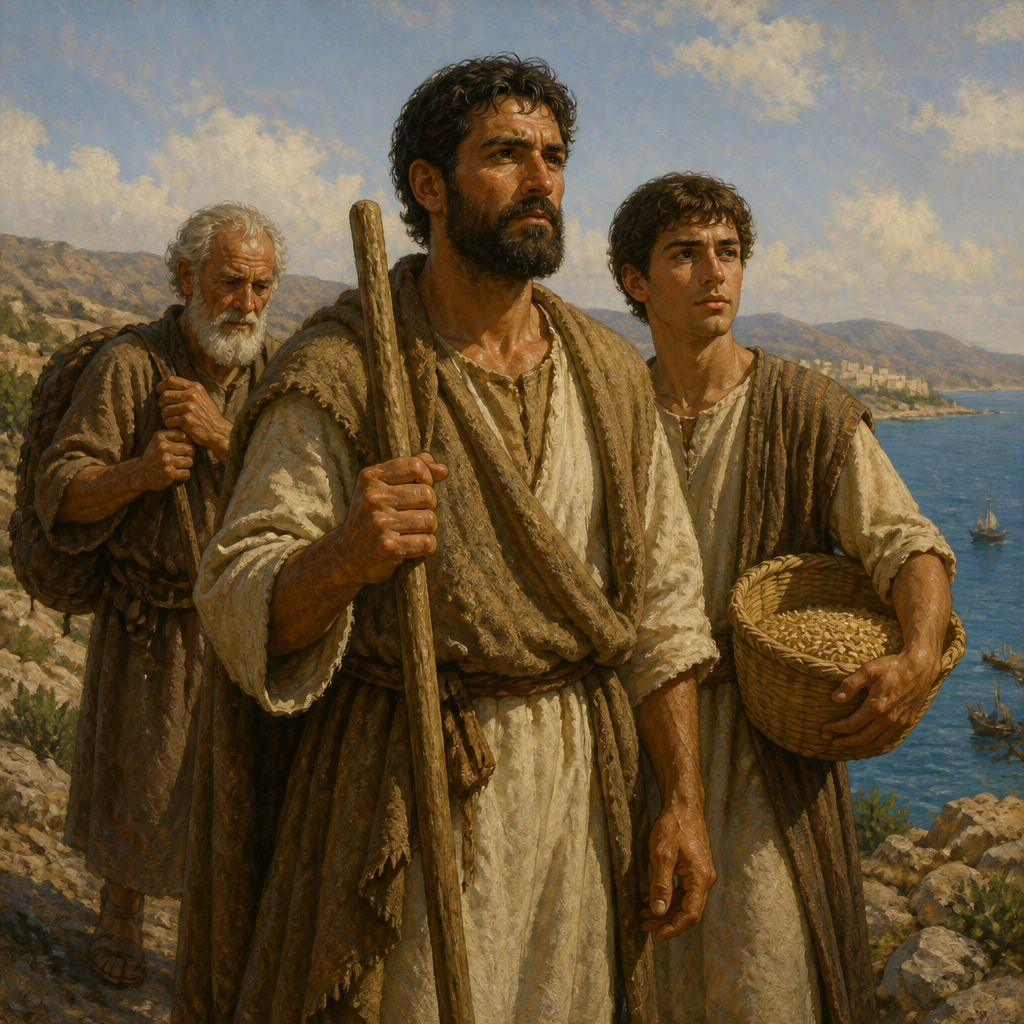
Arvadites
Canaanite clan descended from Ham through Canaan
The Arvadites were a Canaanite group descended from Canaan, son of Ham, noted in the Table of Nations for their role in the early settlement of the Levant.
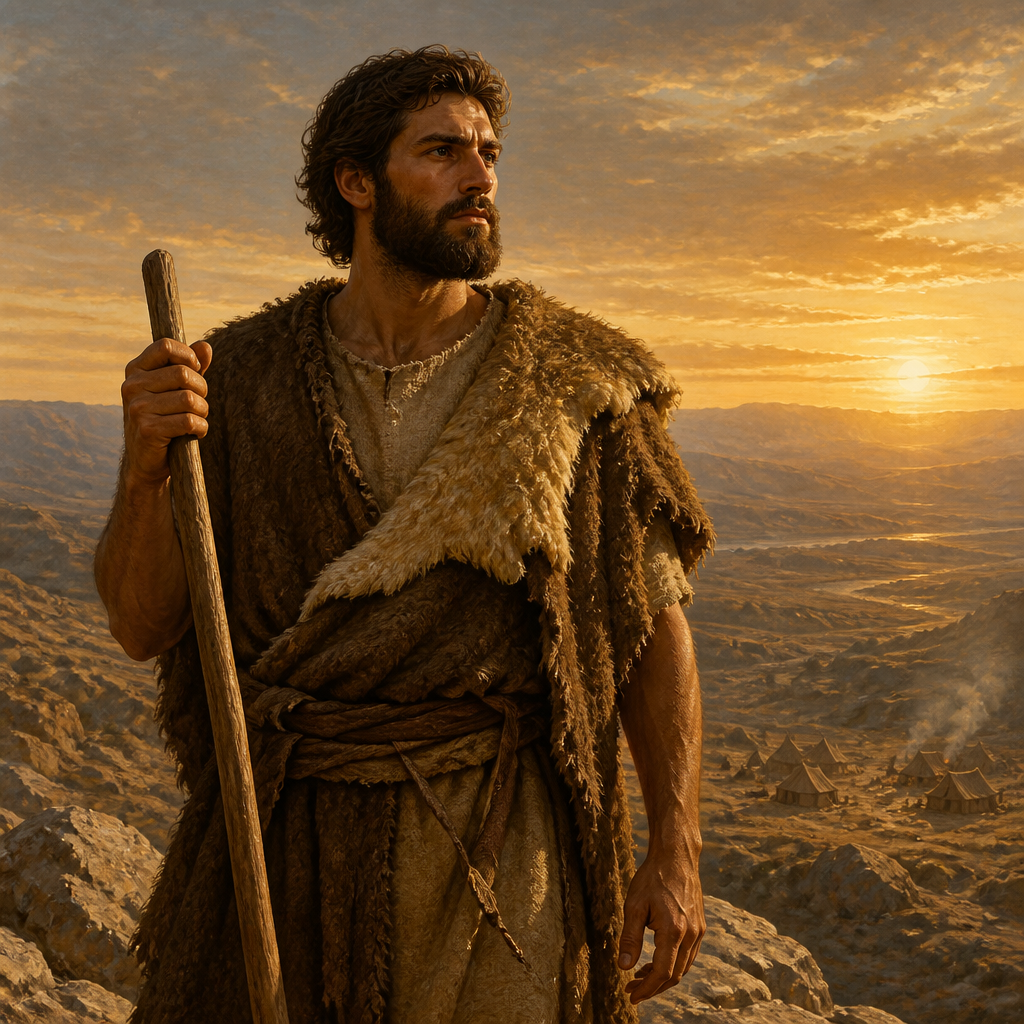
Ashkenaz
Son of Gomer and grandson of Japheth listed in the Table of Nations
Ashkenaz was a great-grandson of Noah and the firstborn son of Gomer, listed in the Table of Nations as a foundational figure in the repopulation of the post-flood world.
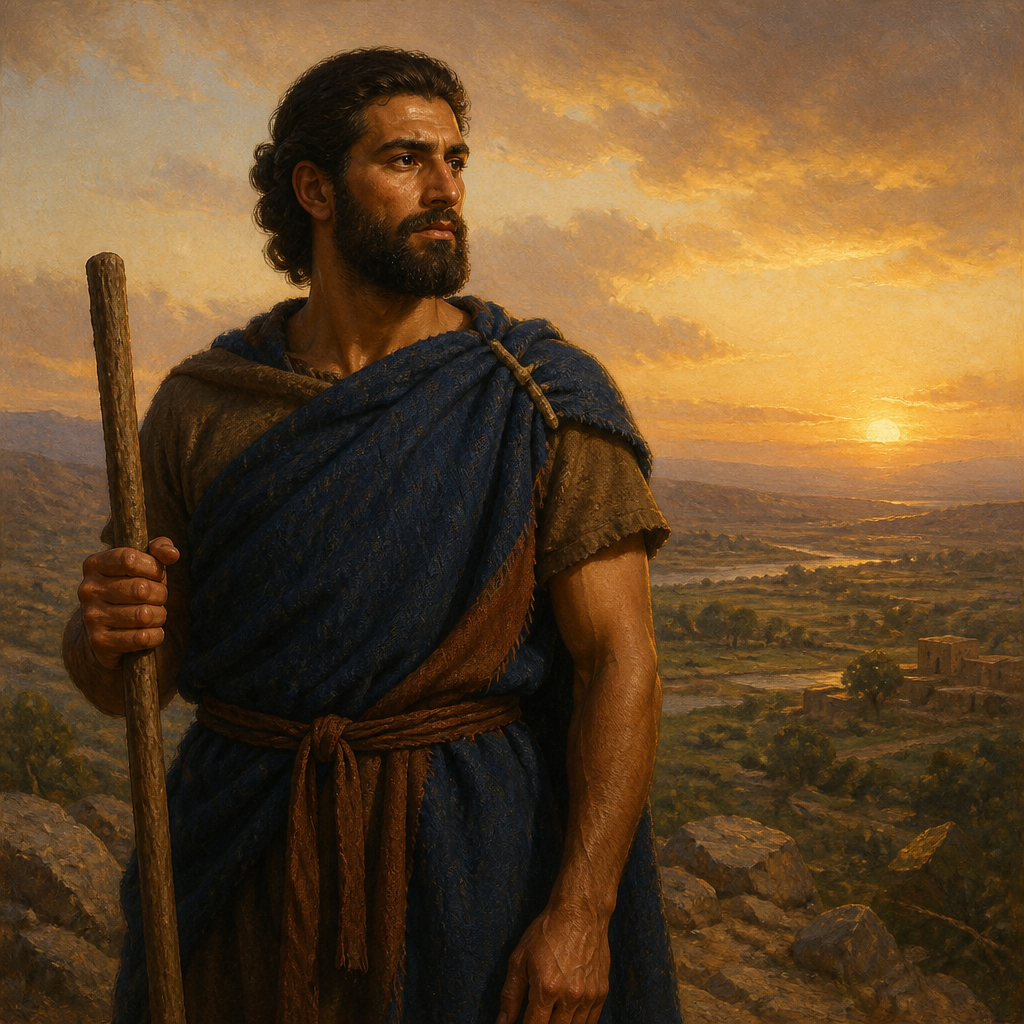
Asshur
Son of Shem who appears in the Table of Nations
Asshur was the second son of Shem and a grandson of Noah, recognized in the Table of Nations as a foundational figure in post-flood genealogy.

Canaan
Son of Ham who was cursed by Noah to be a servant to his brothers
Canaan was the son of Ham and the grandson of Noah, known primarily for being the recipient of Noah's curse and the progenitor of several significant ancient Near Eastern tribes.
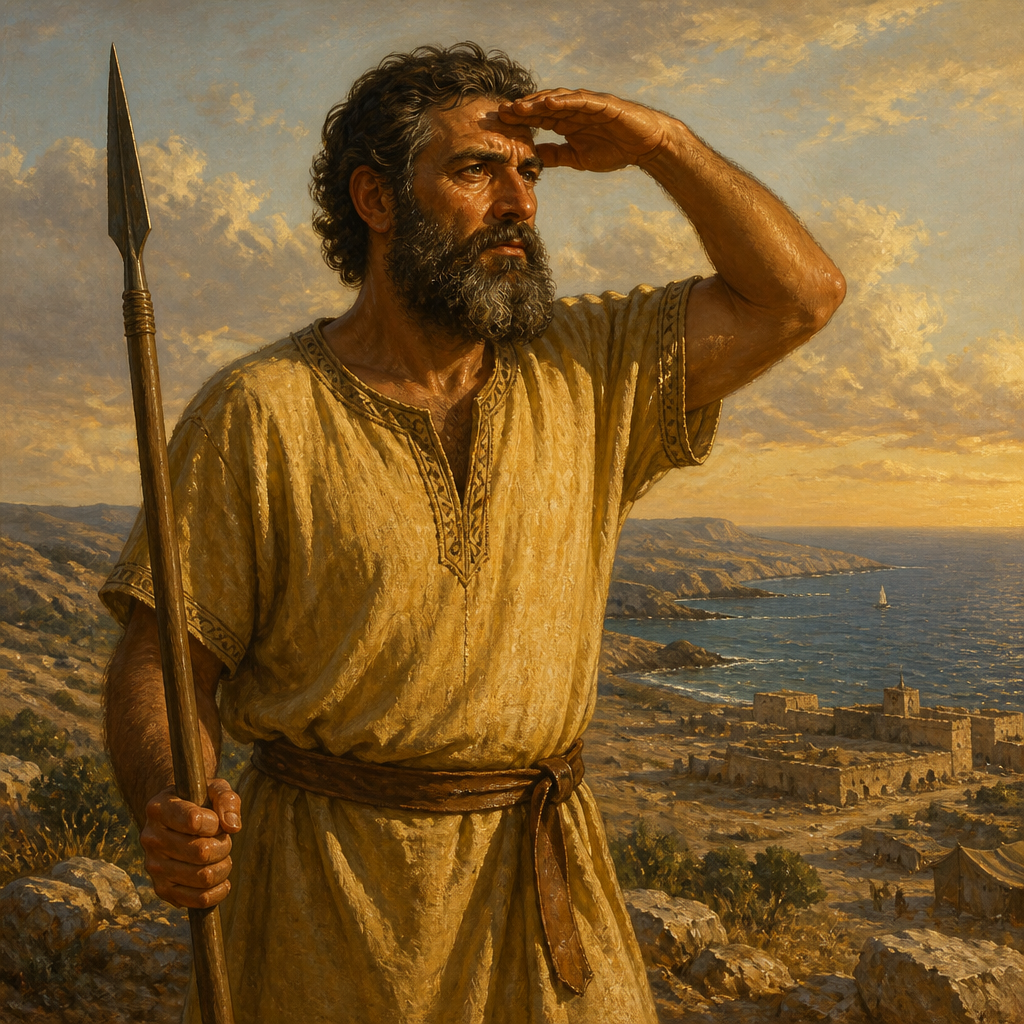
Caphtorim
Patriarch whose descendants, the Caphtorites, destroyed the Avvim and settled in Gaza
A son of Mizraim and a grandson of Ham, known as the eponymous patriarch of the Caphtorites who displaced the Avvim and settled in Caphtor.
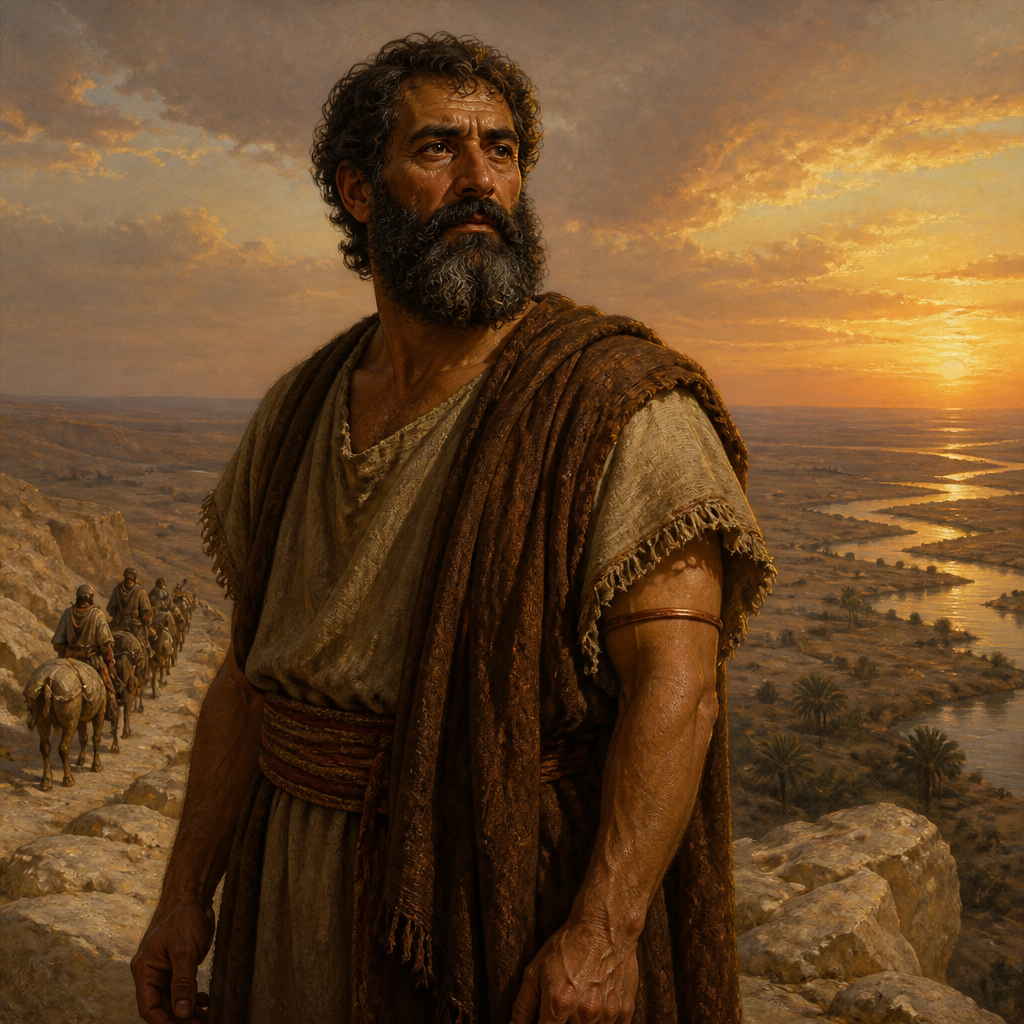
Casluhim
Patriarch from whom the Philistine people originated
Casluhim was a son of Mizraim (Egypt) and a progenitor of a clan from which the Philistines emerged during the Primeval History.
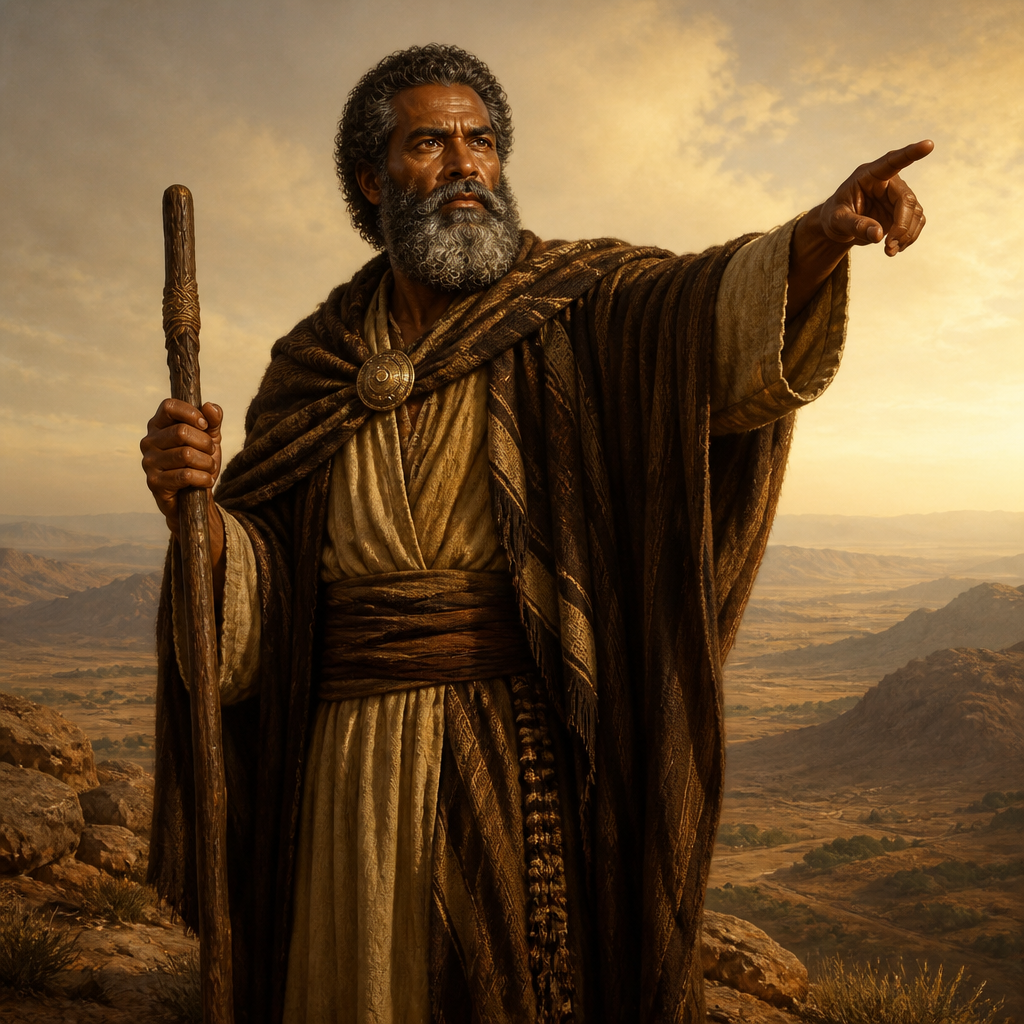
Cush, Son of Ham
Patriarchal ancestor of the Cushite people and father of Nimrod
Cush was the eldest son of Ham and the father of Nimrod, serving as the patriarchal ancestor of various African and Arabian nations in the Table of Nations.
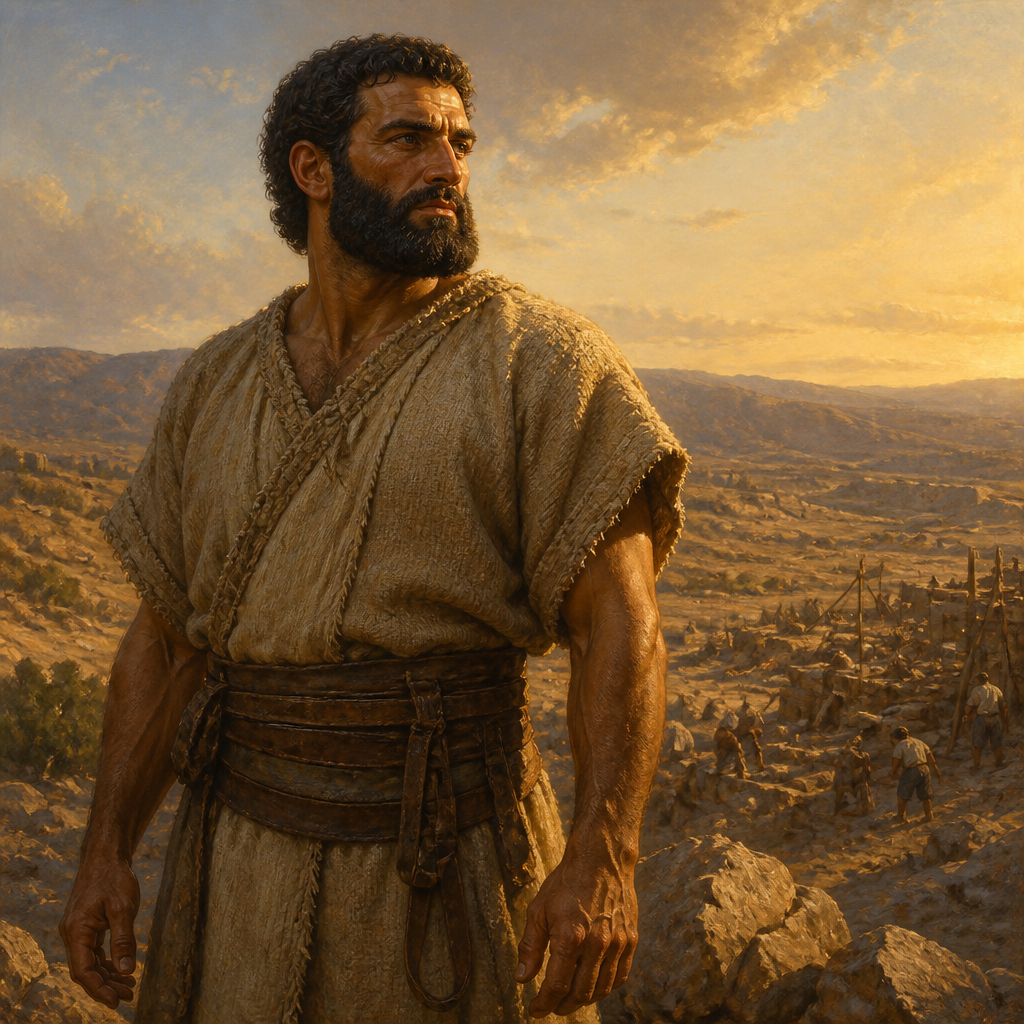
Dedan, Grandson of Cush
grandson of Cush and a patriarchal figure in the Table of Nations
A grandson of Cush and son of Raamah, Dedan was a primeval patriarch belonging to the Hamitic line following the Great Flood.
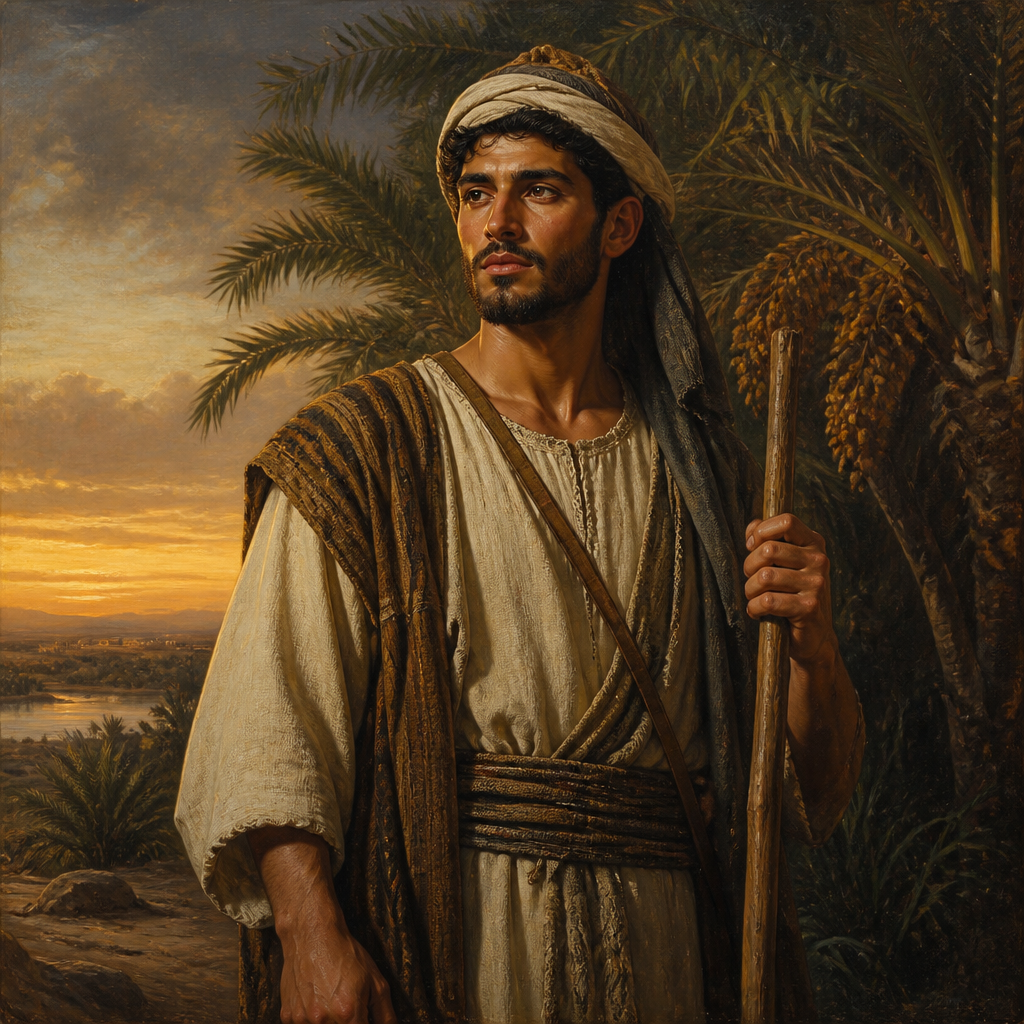
Diklah
Son of Joktan listed in the Table of Nations
Diklah was a son of Joktan and a descendant of Shem, listed in the Table of Nations as a progenitor of early Semitic peoples.
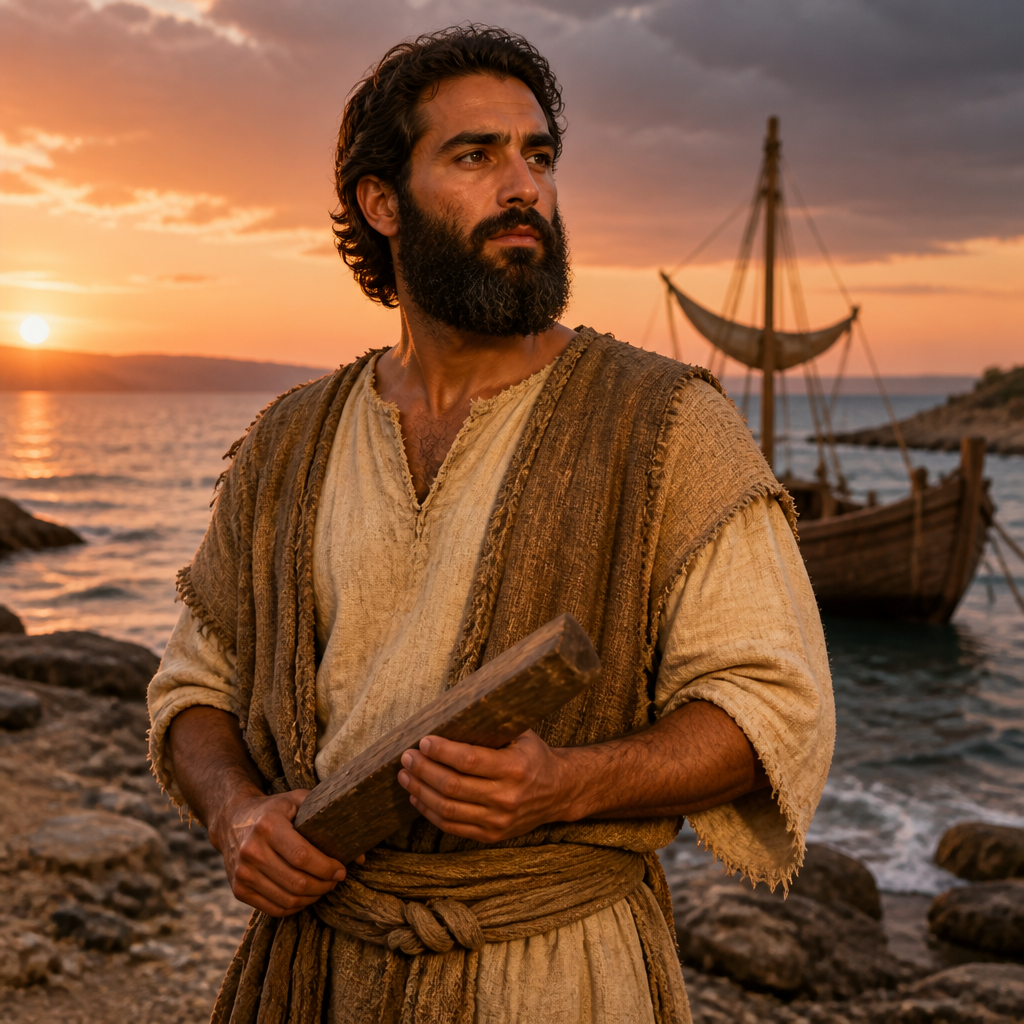
Dodanim
Grandson of Japheth and eponymous ancestor of a Mediterranean maritime people
Dodanim was a son of Javan and a grandson of Japheth, recognized in the Table of Nations as a founder of a maritime people.
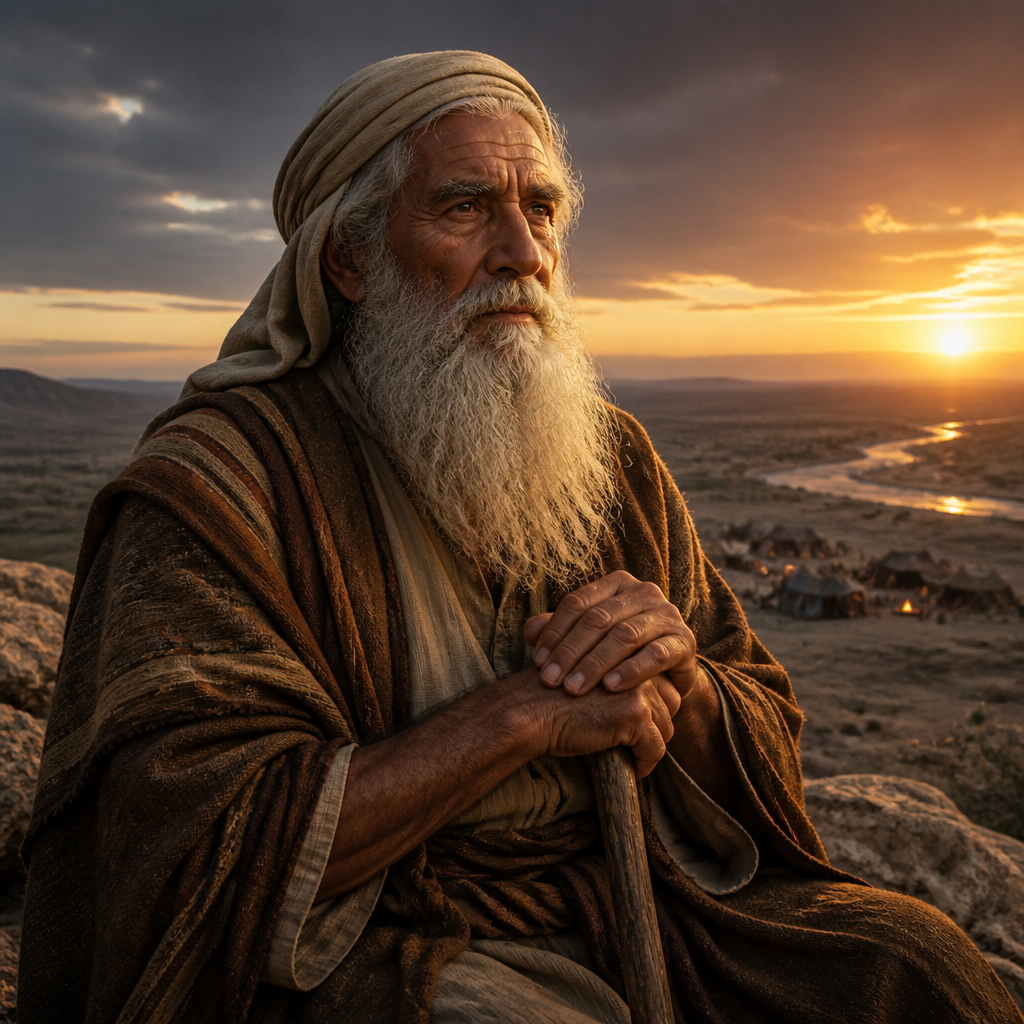
Eber, Early Patriarch
Patriarchal ancestor of the Hebrew people through the line of Shem
Eber was a foundational post-diluvian patriarch, the great-grandson of Shem and a direct ancestor of Abraham through whom the lineage of the 'Hebrews' is traditionally traced.
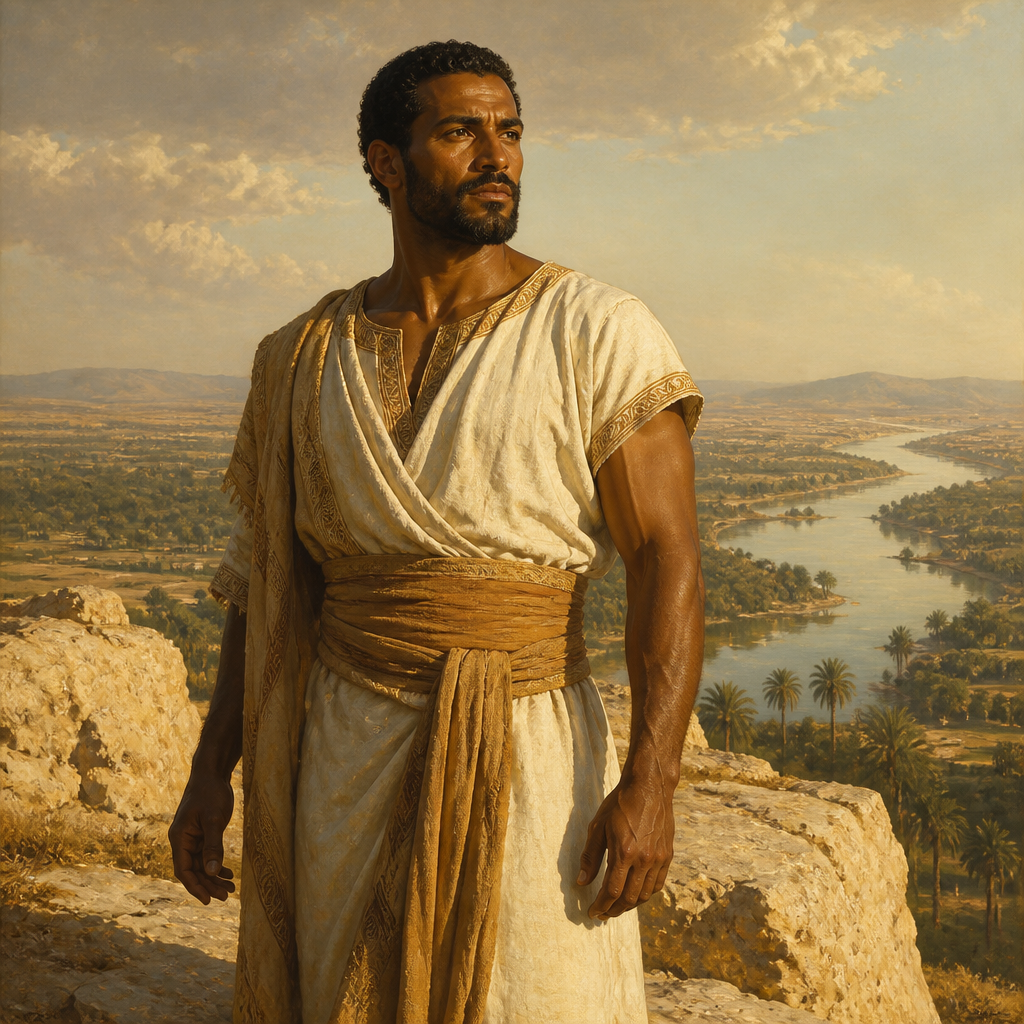
Egypt
Son of Ham and progenitor of the Mizraimite tribes and nations
A son of Ham and grandson of Noah, Egypt (Mizraim) was a foundational patriarch whose descendants established several ancient Mediterranean and North African ethnic groups.
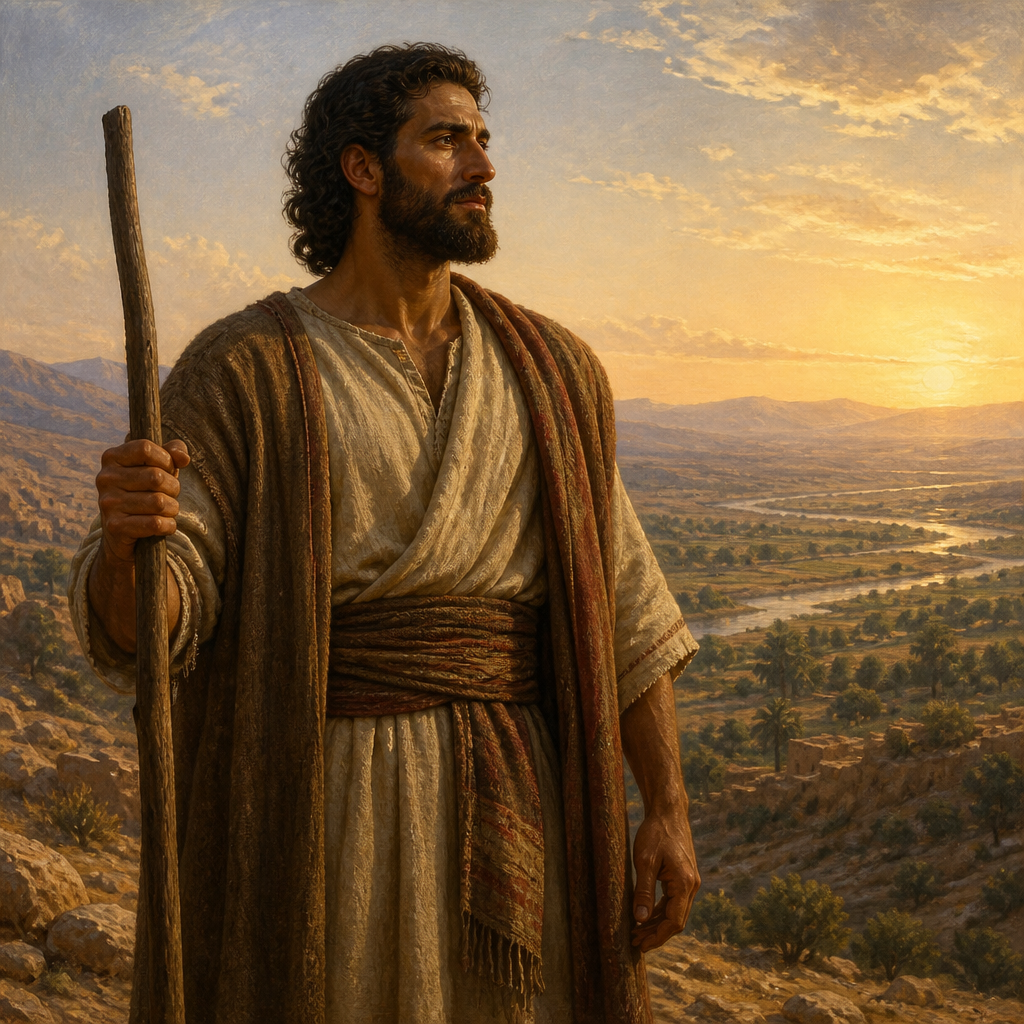
Elam, Son of Shem
Eldest son of Shem and ancestor of the Elamite people
The eldest son of Shem and grandson of Noah, recognized as the eponymous ancestor of the Elamite people in the Table of Nations.
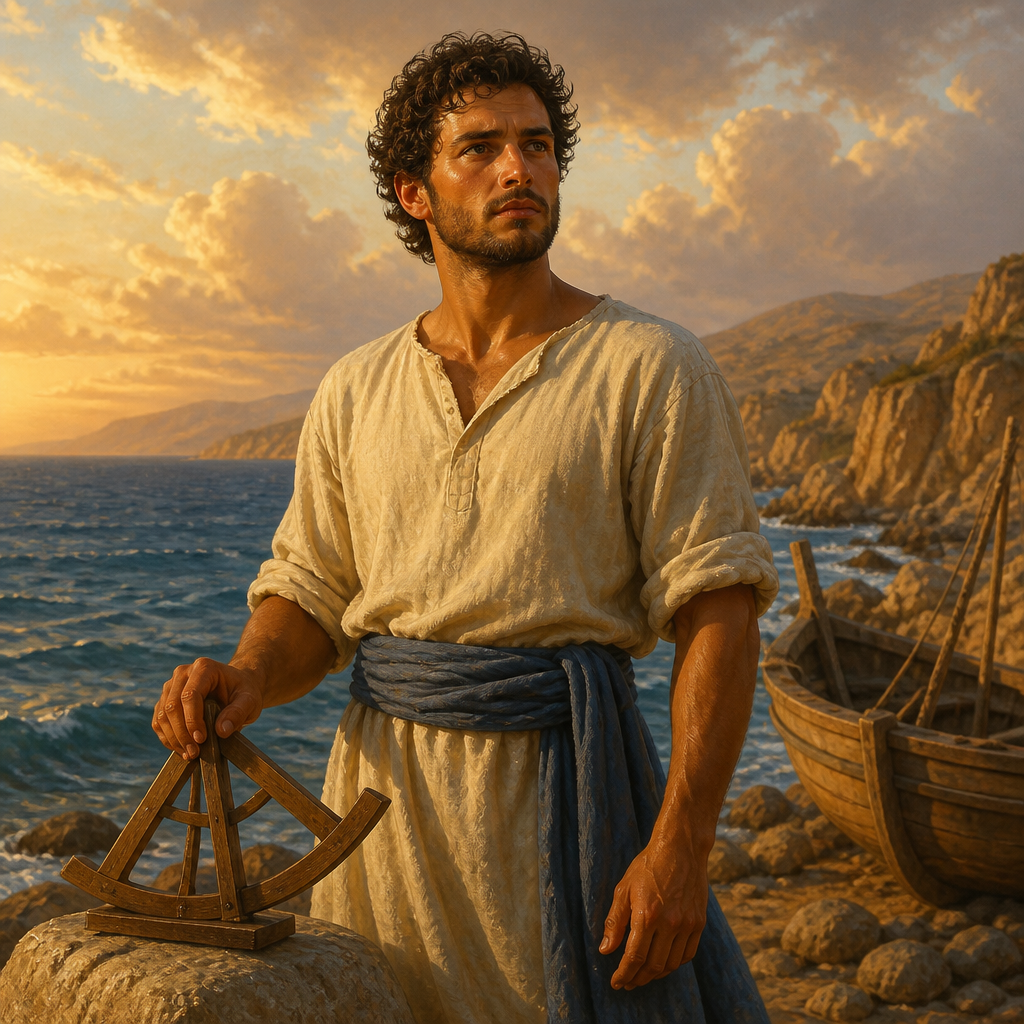
Elishah
Son of Javan and progenitor of maritime nations in the Table of Nations
Elishah was a descendant of Noah through the line of Japheth and Javan, identified as a progenitor of seafaring peoples in the Primeval History.
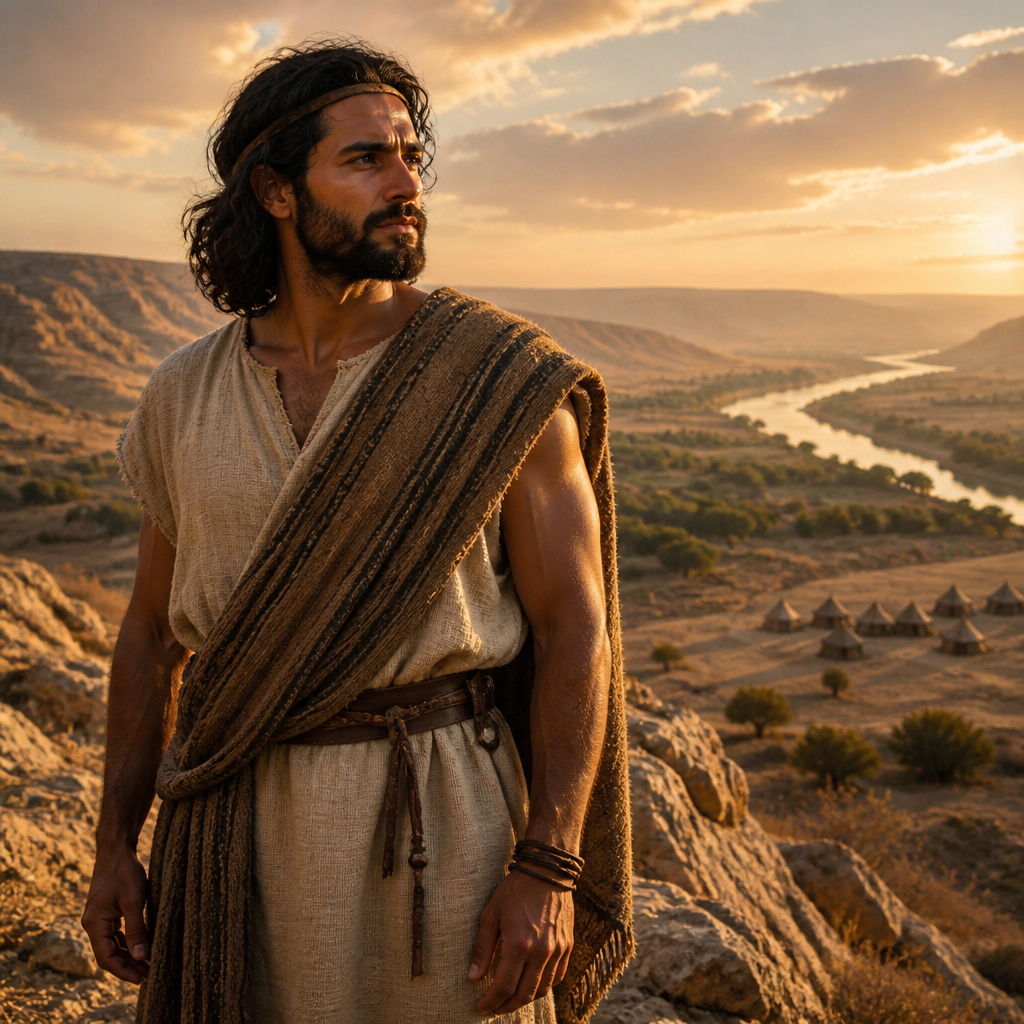
Gether
Son of Aram listed in the Table of Nations
Gether was a son of Aram and a grandson of Shem, listed in the Table of Nations as a founder of a post-Flood tribal lineage.
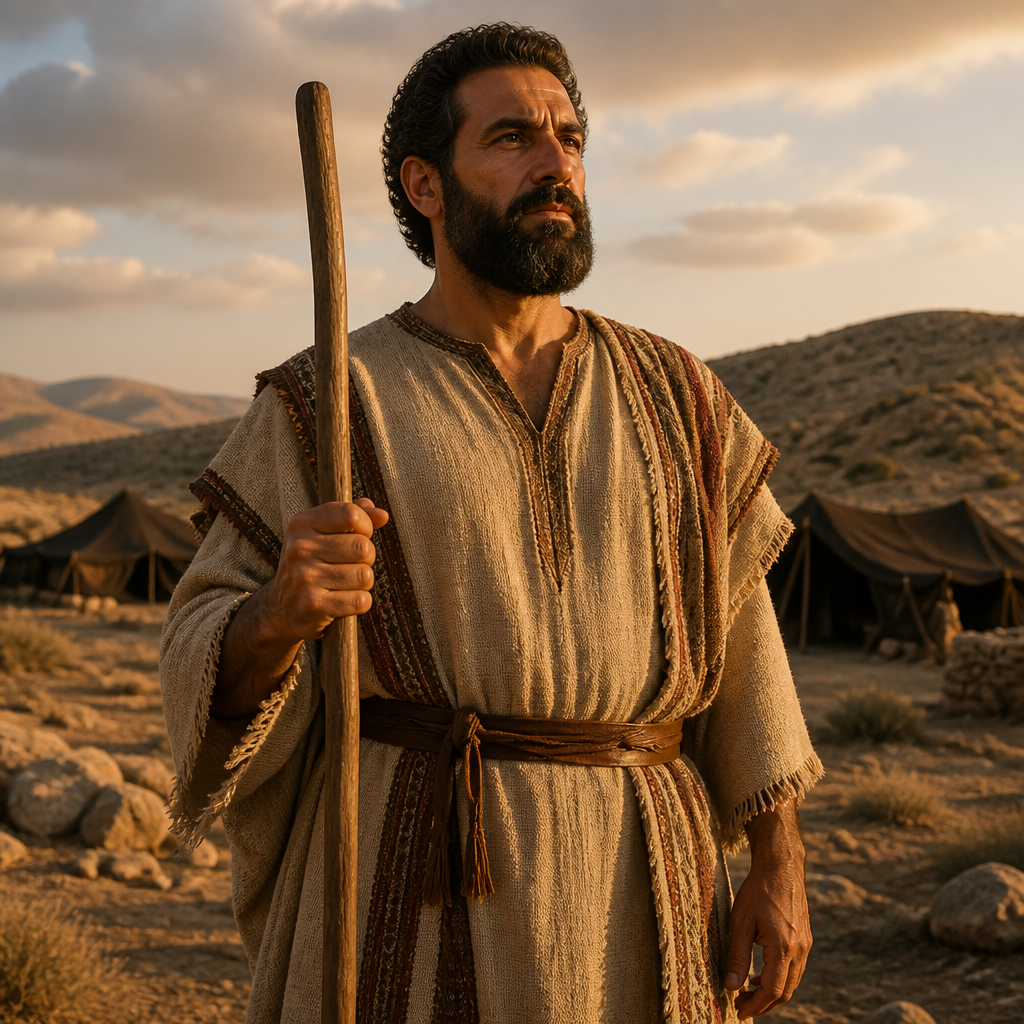
Girgashites
Patriarch of one of the seven nations of Canaan and son of Canaan
The eponymous patriarch of one of the seven Canaanite nations and the son of Canaan, son of Ham.
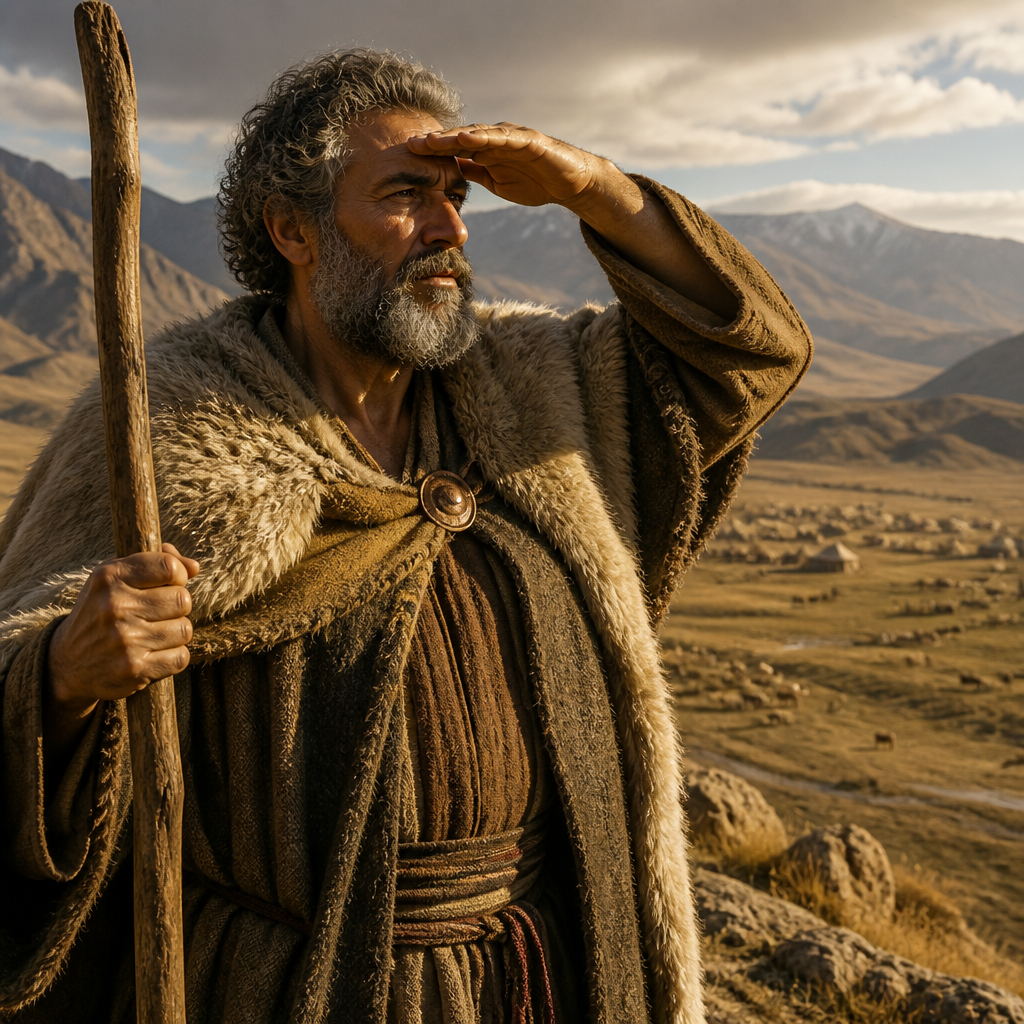
Gomer, Son of Japheth
Eldest son of Japheth and progenitor of northern nations in the Table of Nations
Gomer was the eldest son of Japheth and a grandson of Noah, recognized as the progenitor of several northern nations in the Table of Nations.
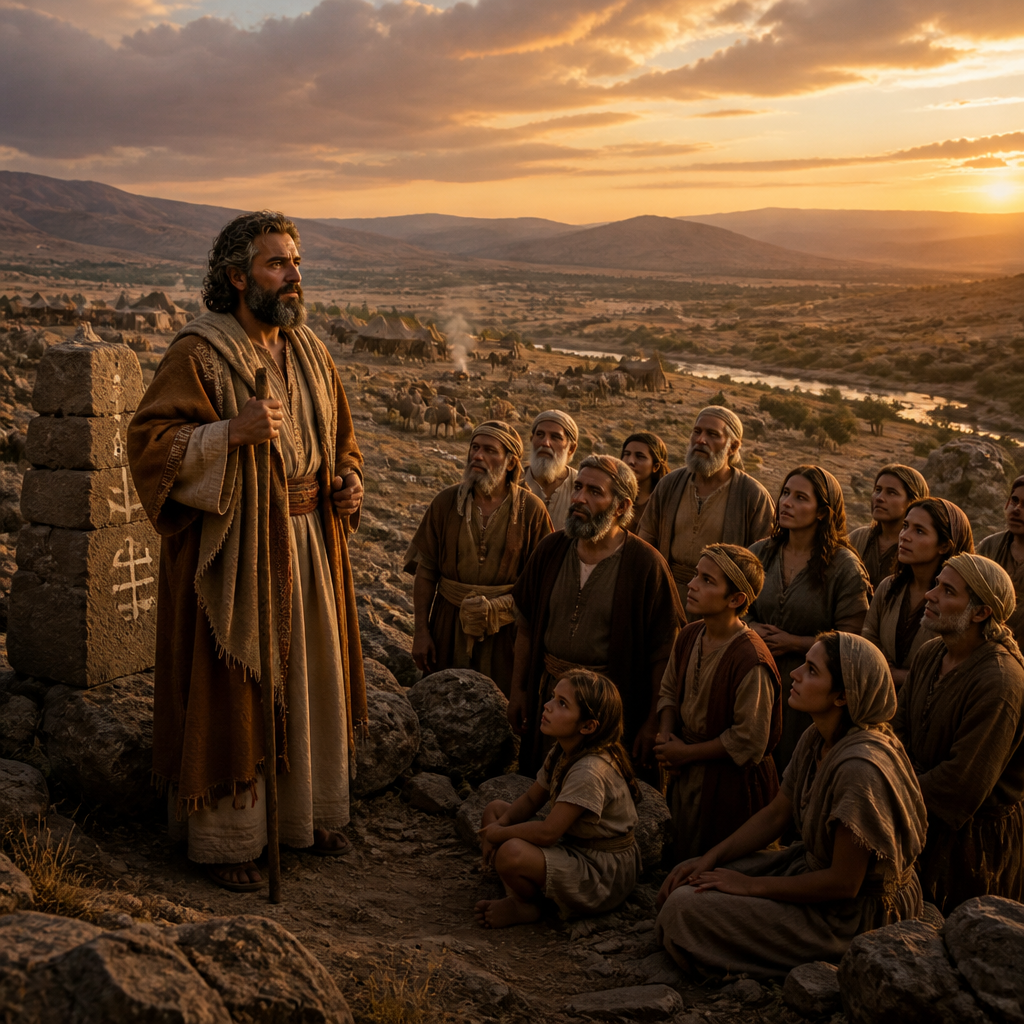
Hadoram
Son of Joktan listed in the Table of Nations
A son of Joktan and descendant of Shem, Hadoram was an early patriarch mentioned in the Table of Nations as a founder of a post-Flood tribal group.
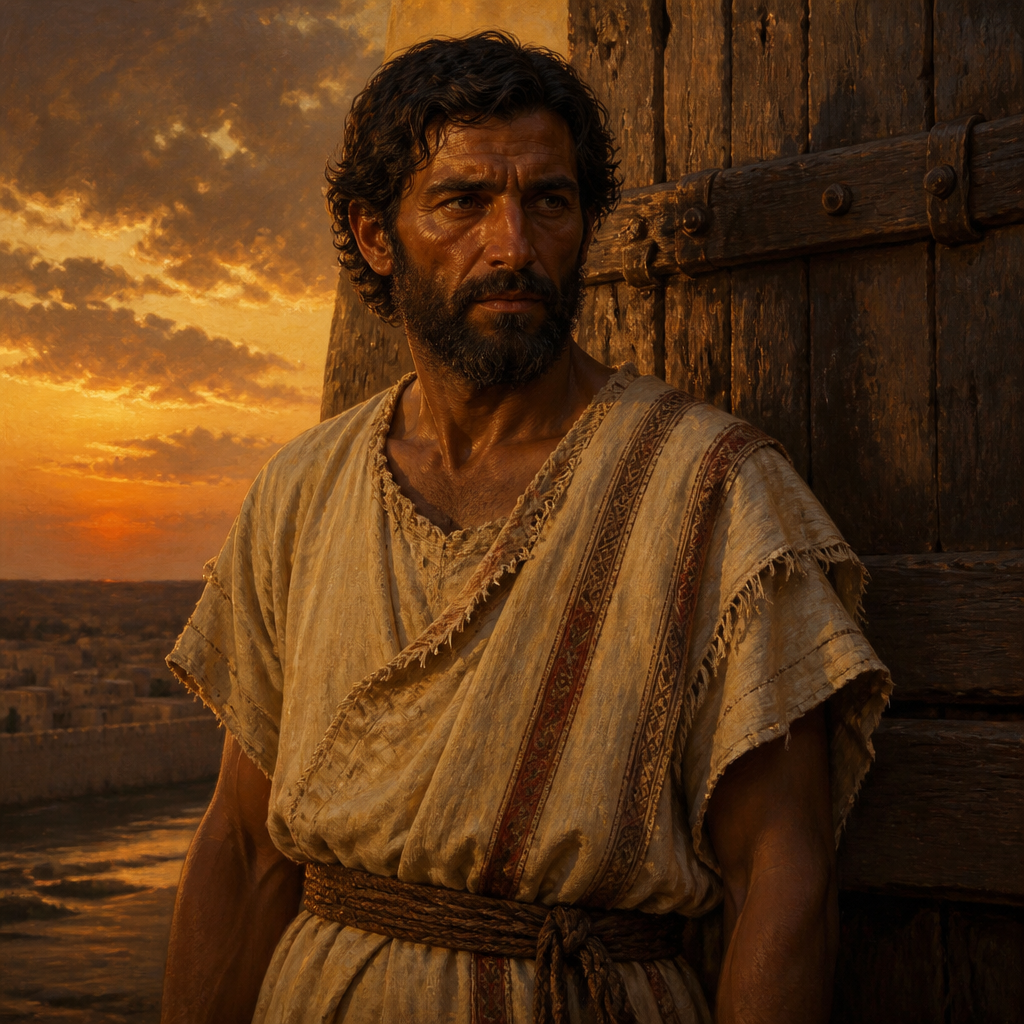
Ham
Son of Noah who survived the Great Flood and became the progenitor of the southern nations
The second son of Noah and an ancestor of numerous southern nations, known as one of the eight survivors of the Great Flood.
Hamathites
Canaanite tribe listed in the Table of Nations as descendants of Noah's grandson
A Canaanite tribe descended from Ham through Canaan, listed in the Table of Nations as the northernmost expansion of the Canaanite territory.
Havilah, Son of Cush
Son of Cush and brother of Nimrod who appears in the Table of Nations
A son of Cush and grandson of Ham, Havilah was a post-Flood figure within the Table of Nations, representing an early lineage of the Cushite people.
Havilah, Son of Joktan
Son of Joktan who was a descendant of Shem in the Table of Nations
A descendant of Shem through Joktan, Havilah was a progenitor of a tribe in the Arabian Peninsula during the Primeval History era.
Hazarmaveth
Son of Joktan and a descendant of Shem listed in the Table of Nations
A son of Joktan and a descendant of Shem, listed in the Table of Nations as a patriarch of the early post-flood world.
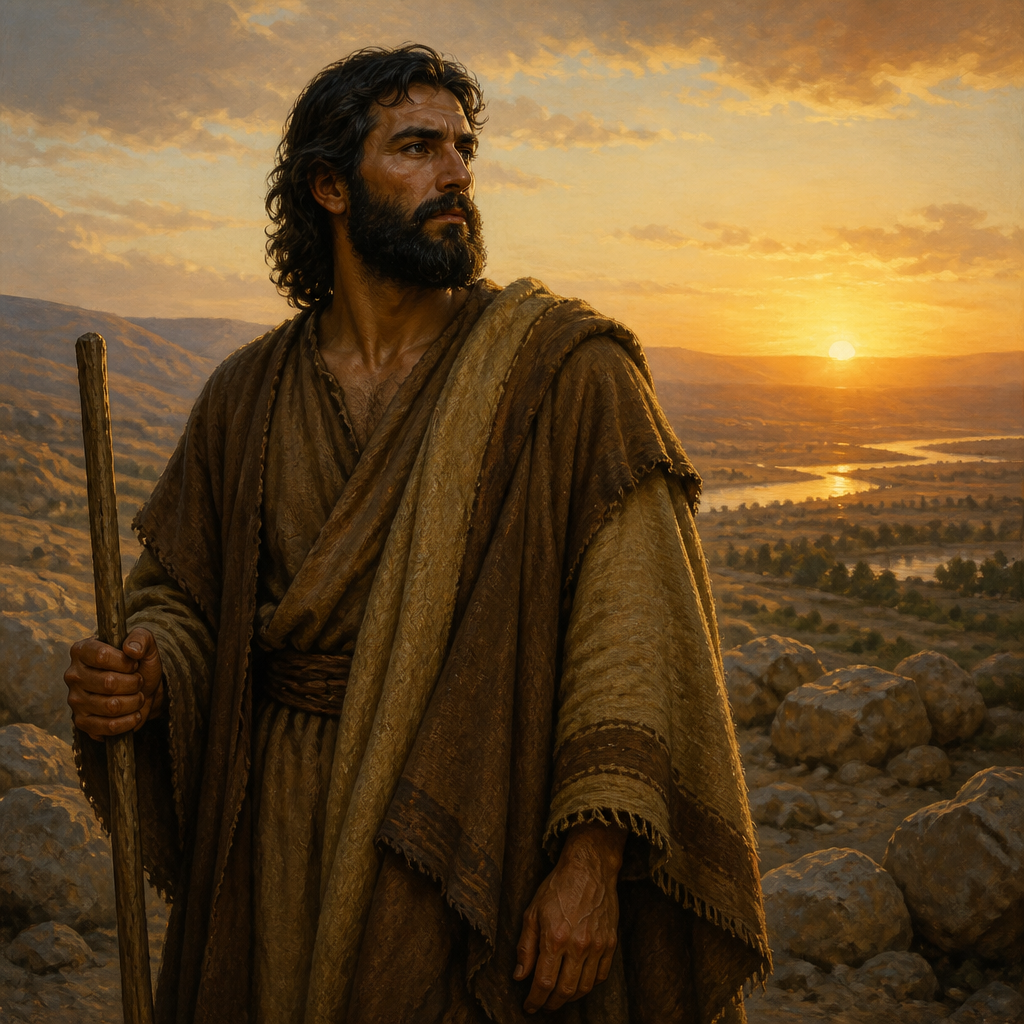
Hul
Son of Aram listed in the Table of Nations
A grandson of Shem and son of Aram, Hul is listed among the progenitors of the post-flood nations in the Table of Nations.
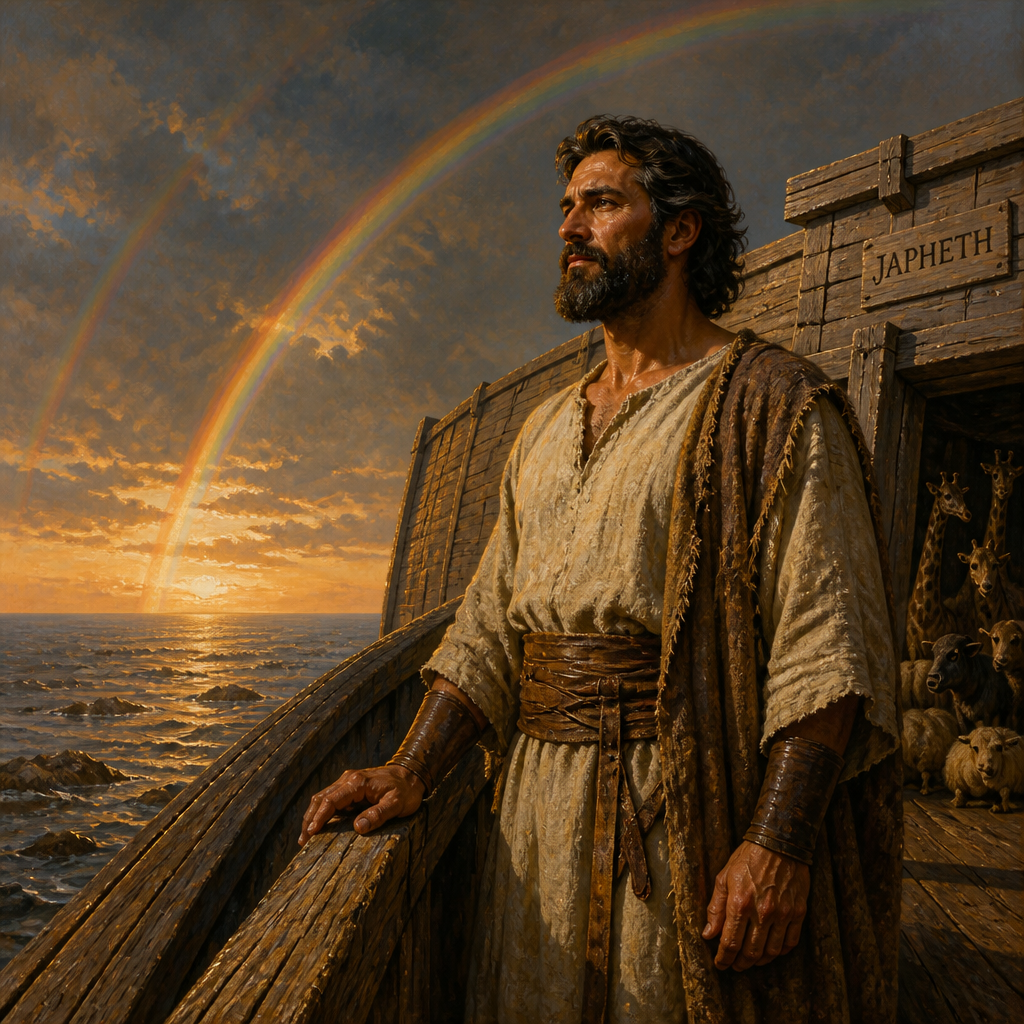
Japheth
Son of Noah who survived the Great Flood and received a blessing for his respect toward his father
Japheth was one of the three sons of Noah and a survivor of the Great Flood, traditionally viewed as the progenitor of the Indo-European and Aegean peoples.
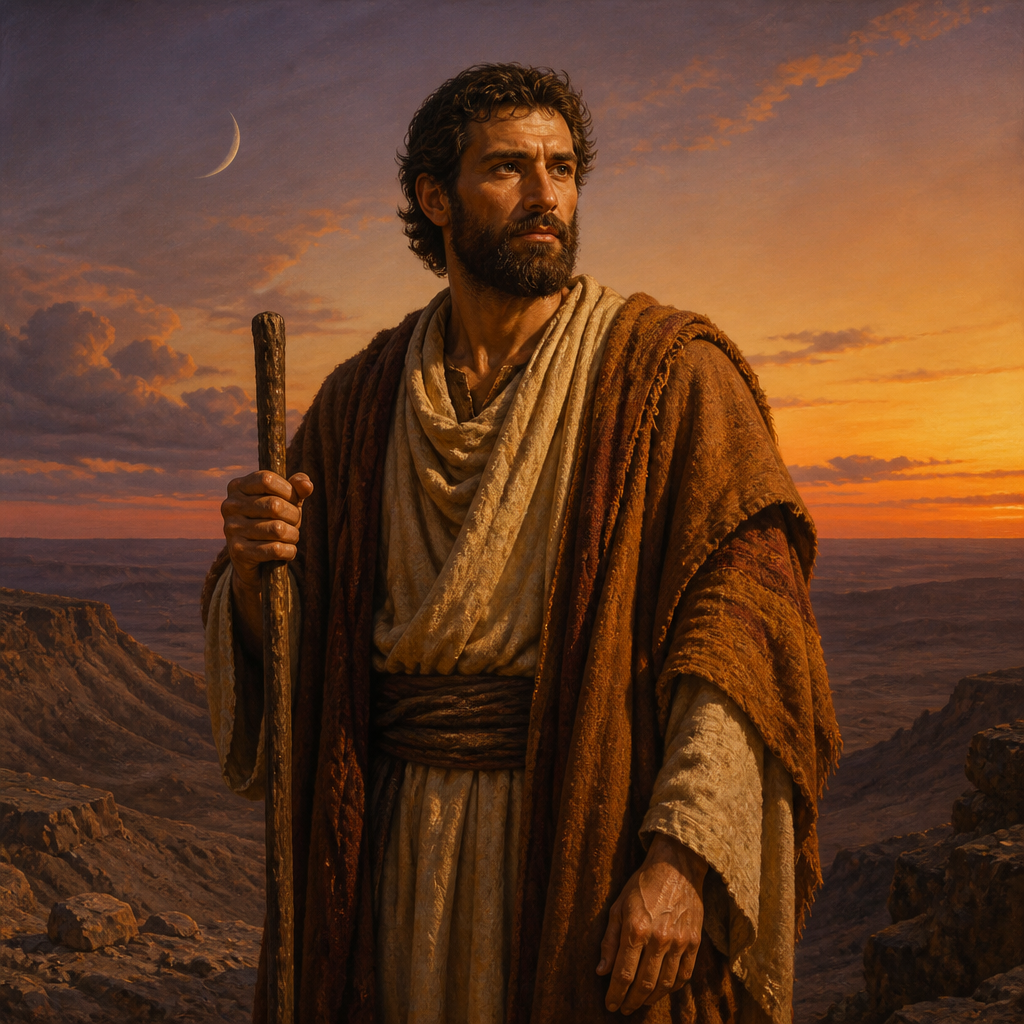
Jerah
Son of Joktan listed in the Genesis Table of Nations
Jerah was a son of Joktan and a descendant of Shem, listed in the Table of Nations as a progenitor of early Arabian tribes.
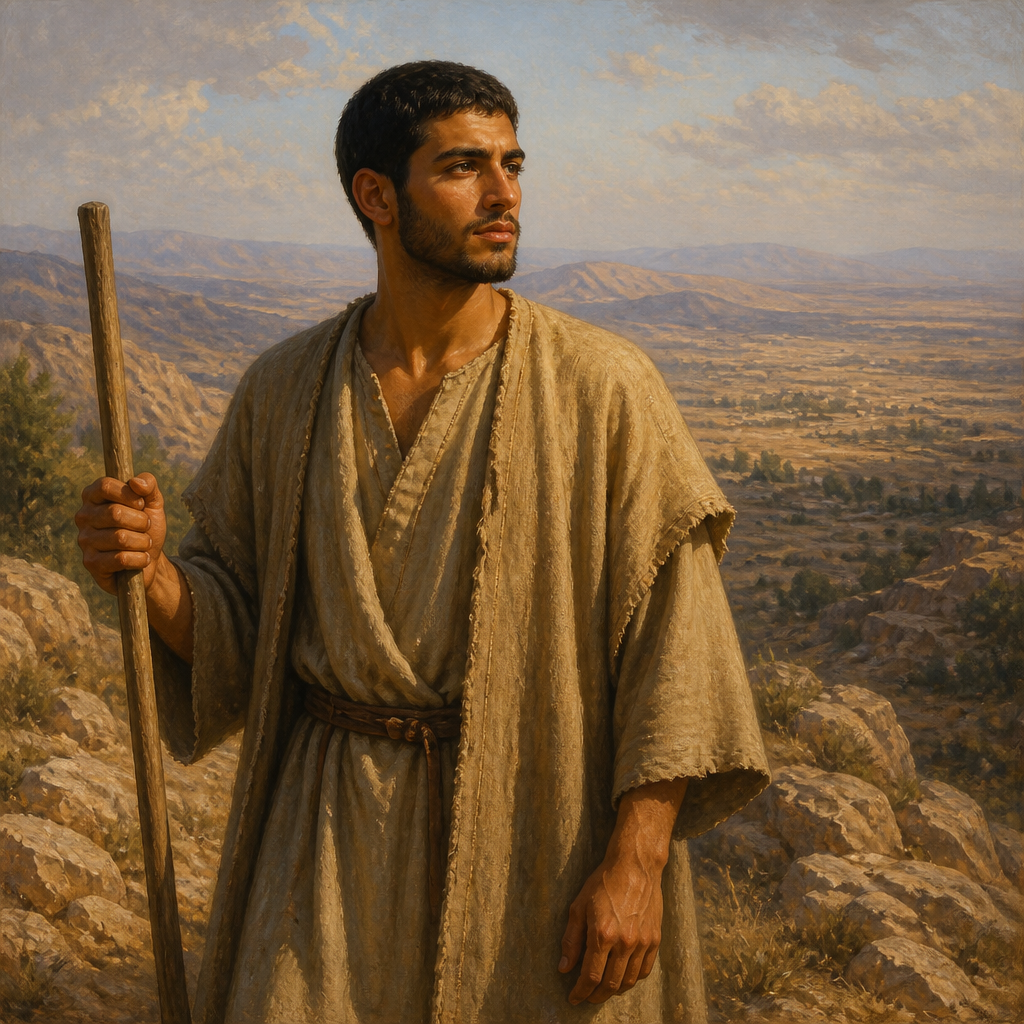
Jobab, Son of Joktan
Son of Joktan listed in the Table of Nations
A descendant of Shem and the final son listed among the thirteen sons of Joktan within the Table of Nations.
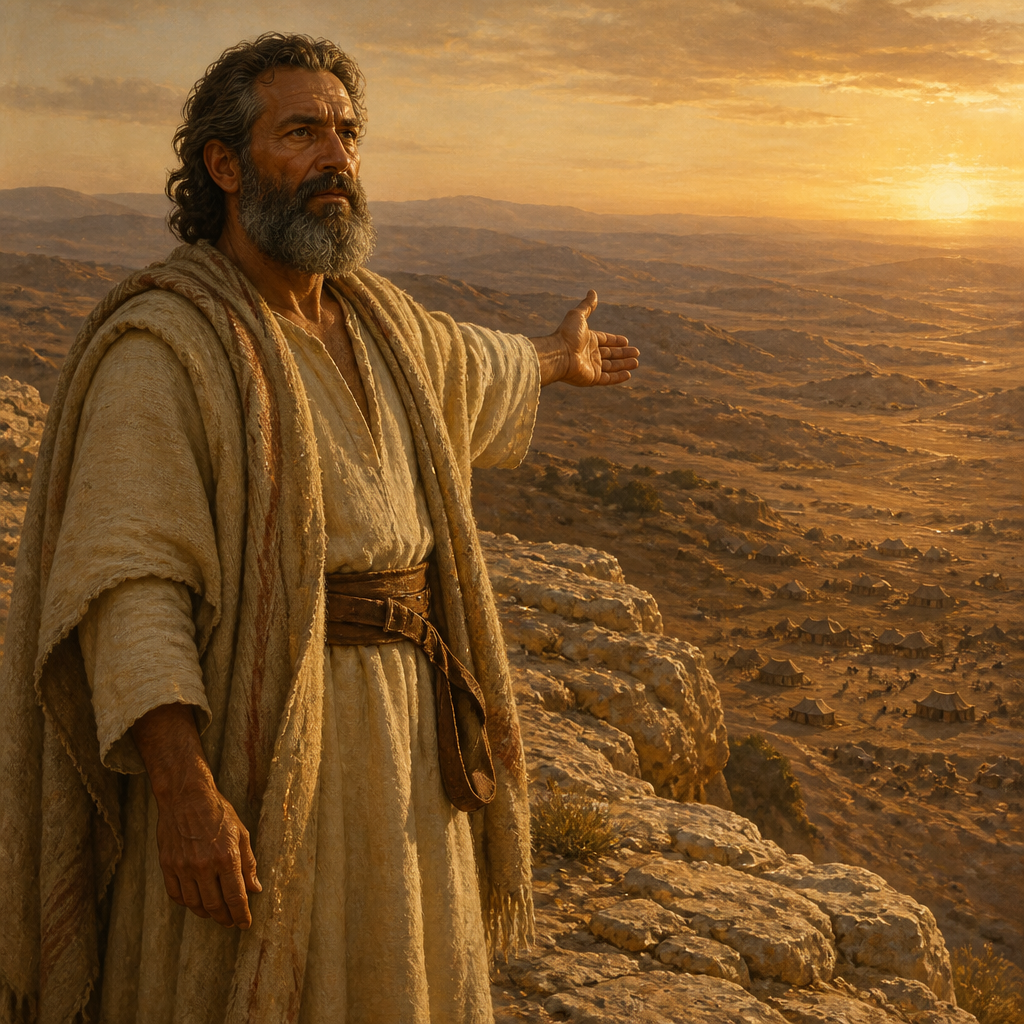
Joktan
Patriarch who fathered thirteen sons who founded the Arabian tribes
A foundational patriarch and son of Eber, Joktan is the progenitor of thirteen Arabian tribes in the post-Flood era.
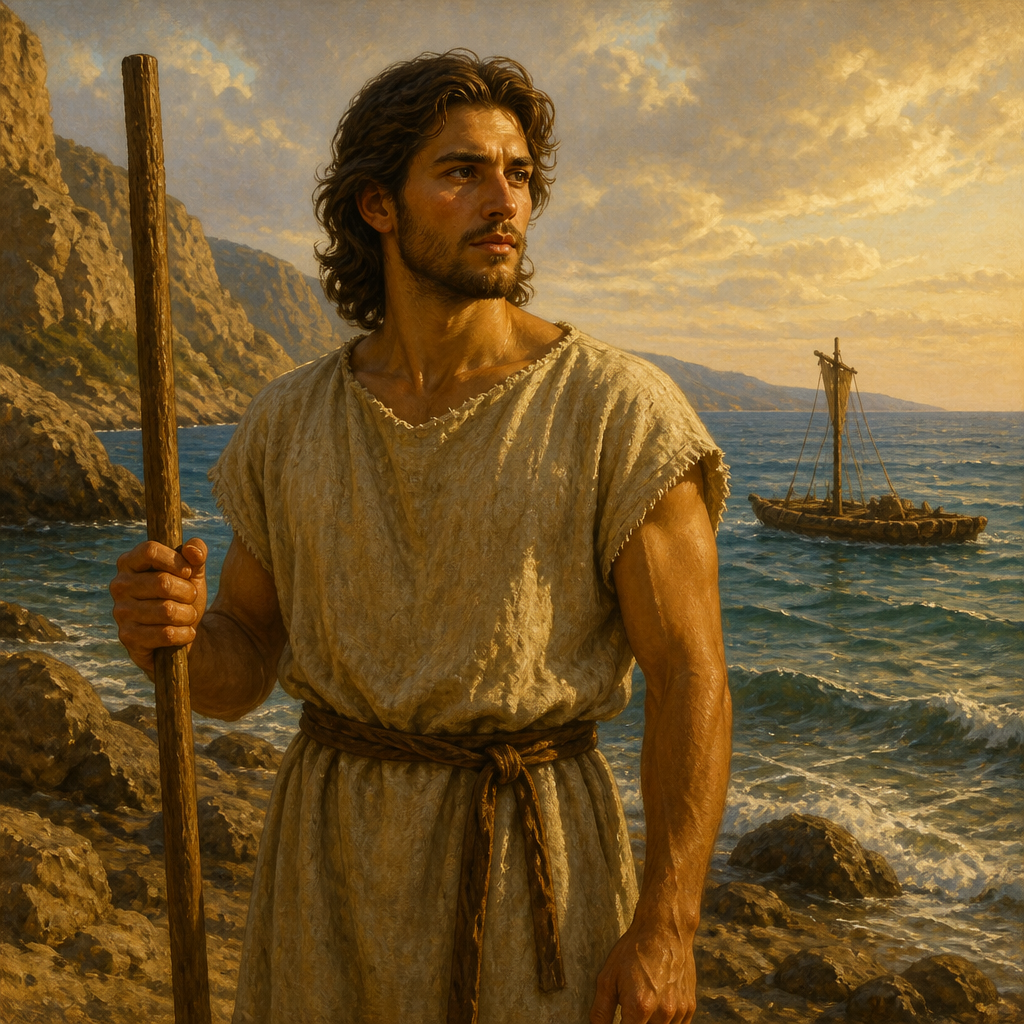
Kittim
Son of Javan and ancestor of Mediterranean maritime nations
Kittim was a son of Javan and a grandson of Japheth, listed in the Table of Nations as a foundational figure in the post-flood expansion of humanity.
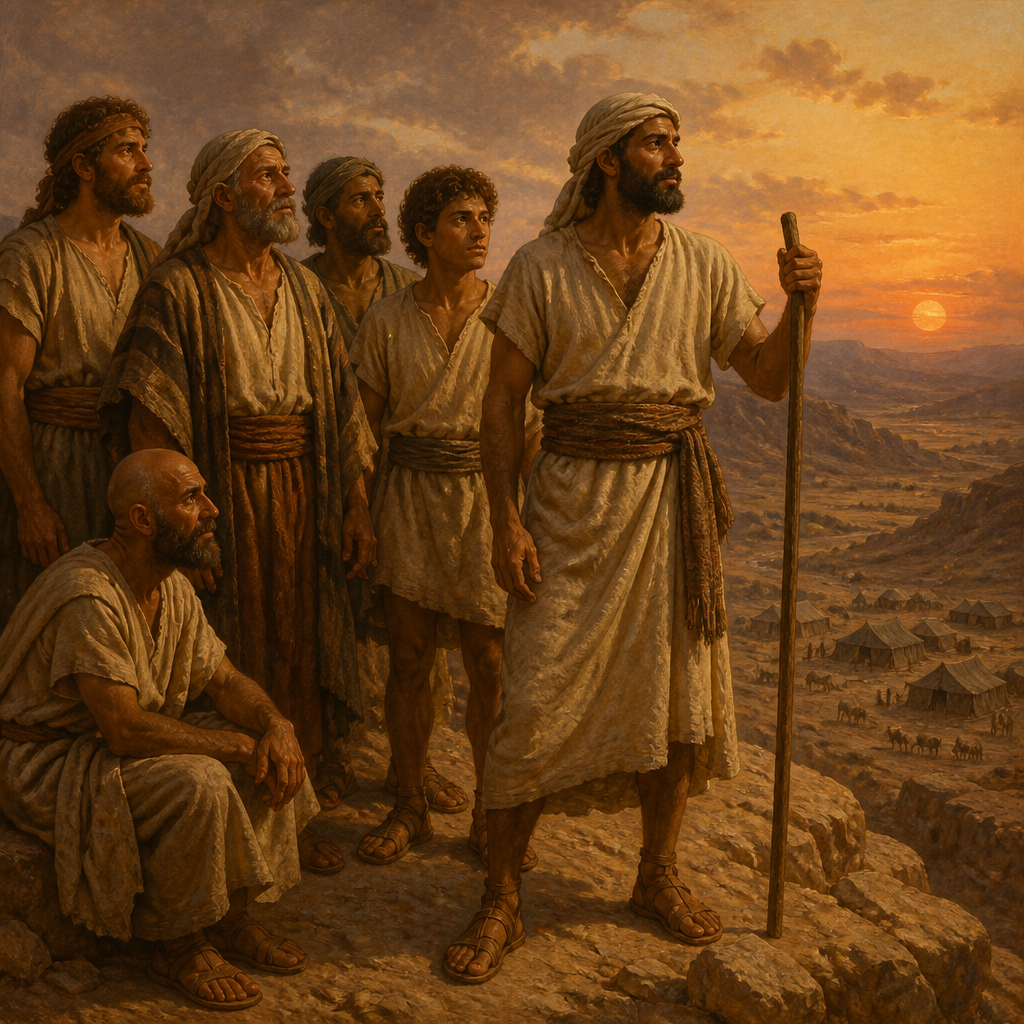
Lehabim
Patriarchal ancestor of the Lehabites and son of Mizraim
Lehabim (or the Lehabites) was a son of Mizraim and a grandson of Ham, representing an early post-Flood tribal group associated with North Africa.
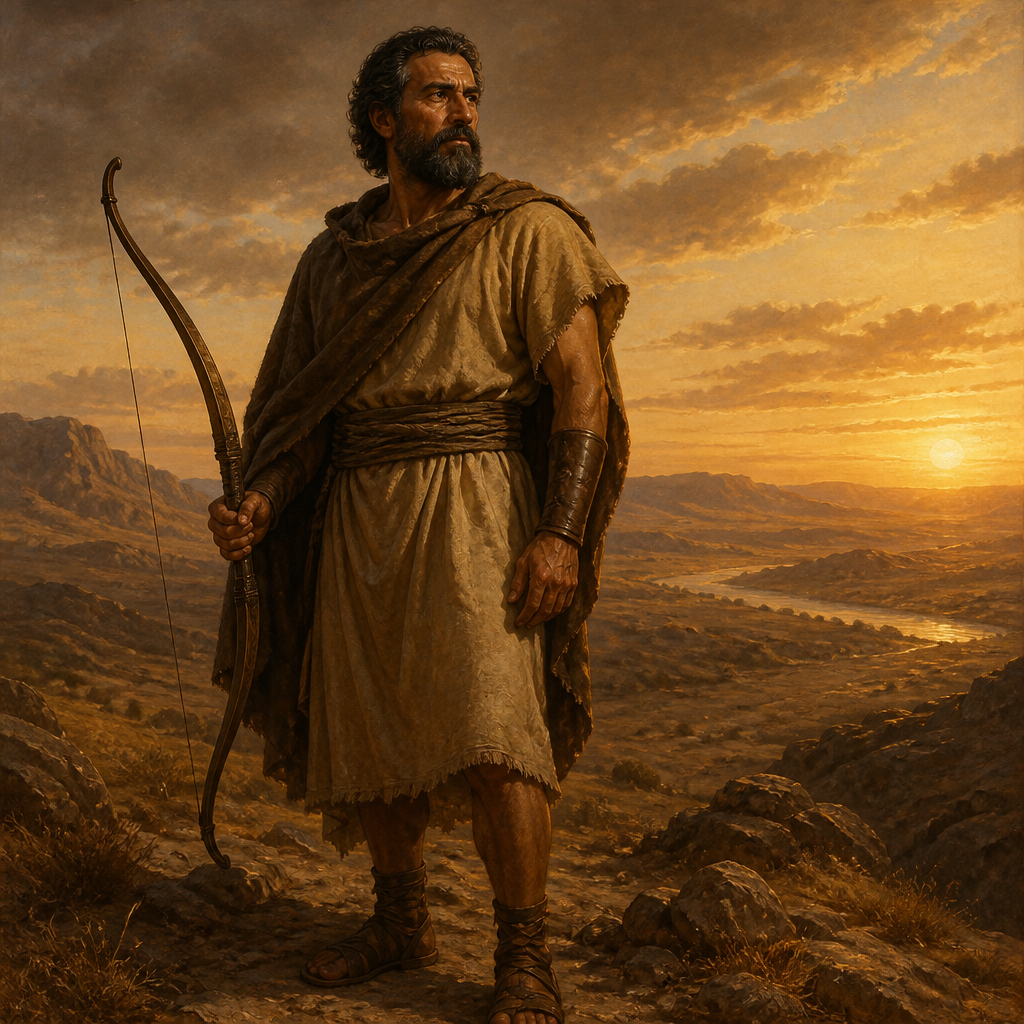
Lud
Son of Shem and ancestor of the Lydian people
Lud was the fourth son of Shem and a grandson of Noah, traditionally identified as the eponymous ancestor of the Lydian people.
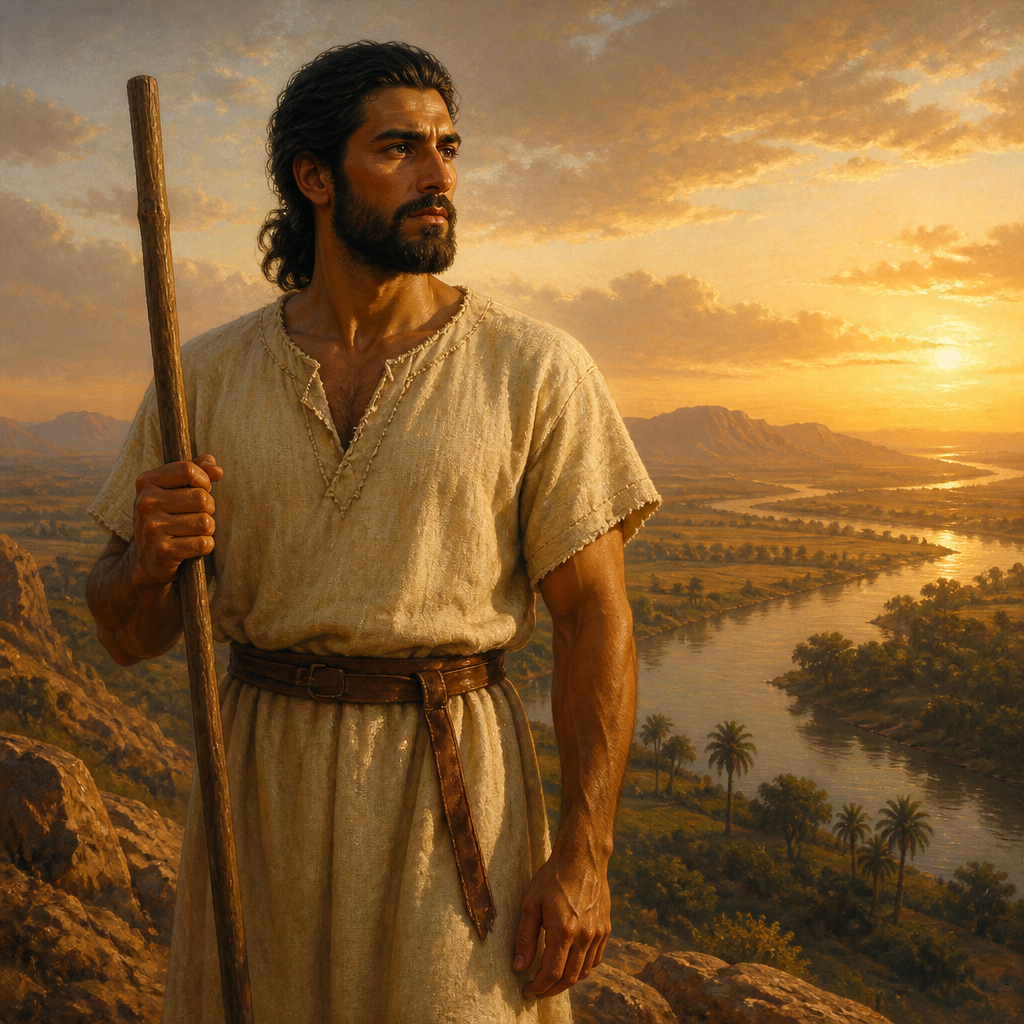
Ludim
Firstborn son of Mizraim in the Table of Nations
The firstborn son of Egypt (Mizraim) and the progenitor of the Ludite people in the early post-Flood world.
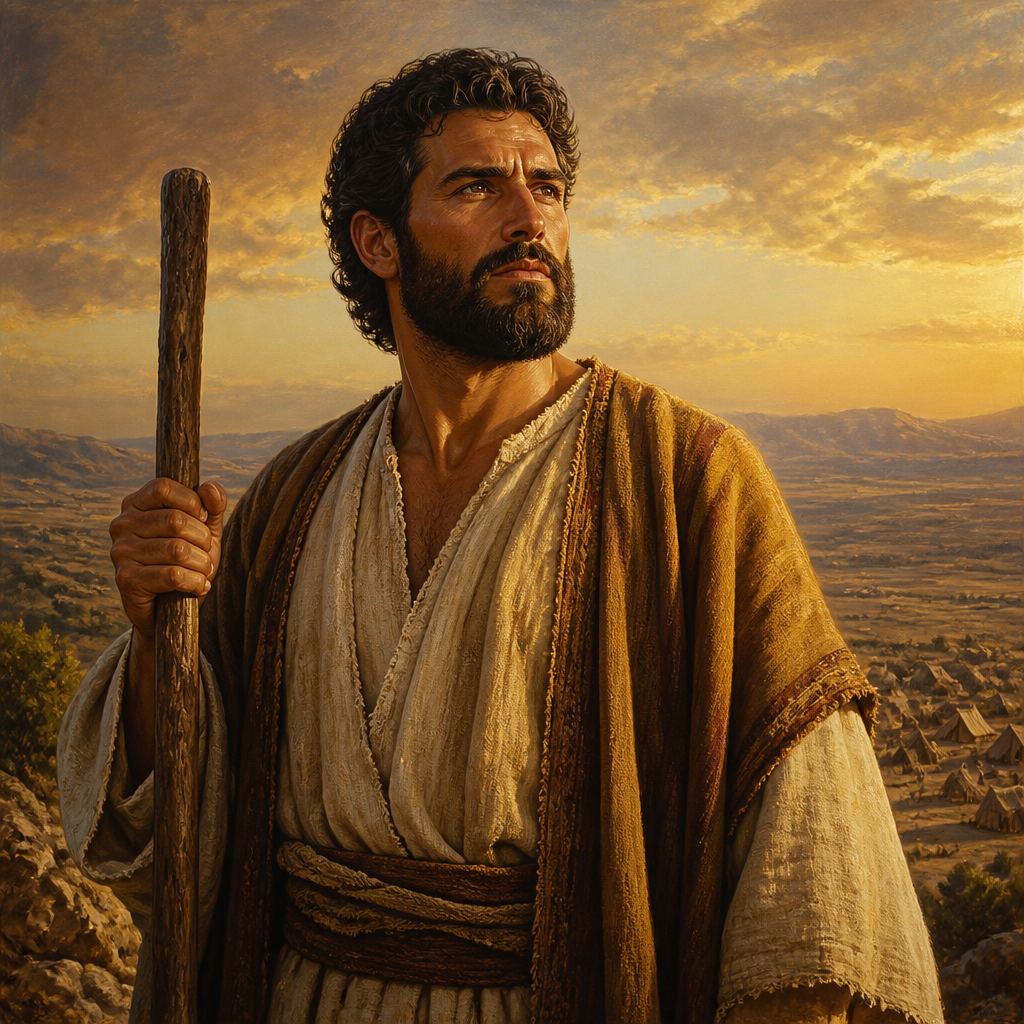
Madai
Son of Japheth listed in the Table of Nations
Madai was the third son of Japheth and a grandson of Noah, recognized in the Table of Nations as a progenitor of the peoples following the Great Flood.
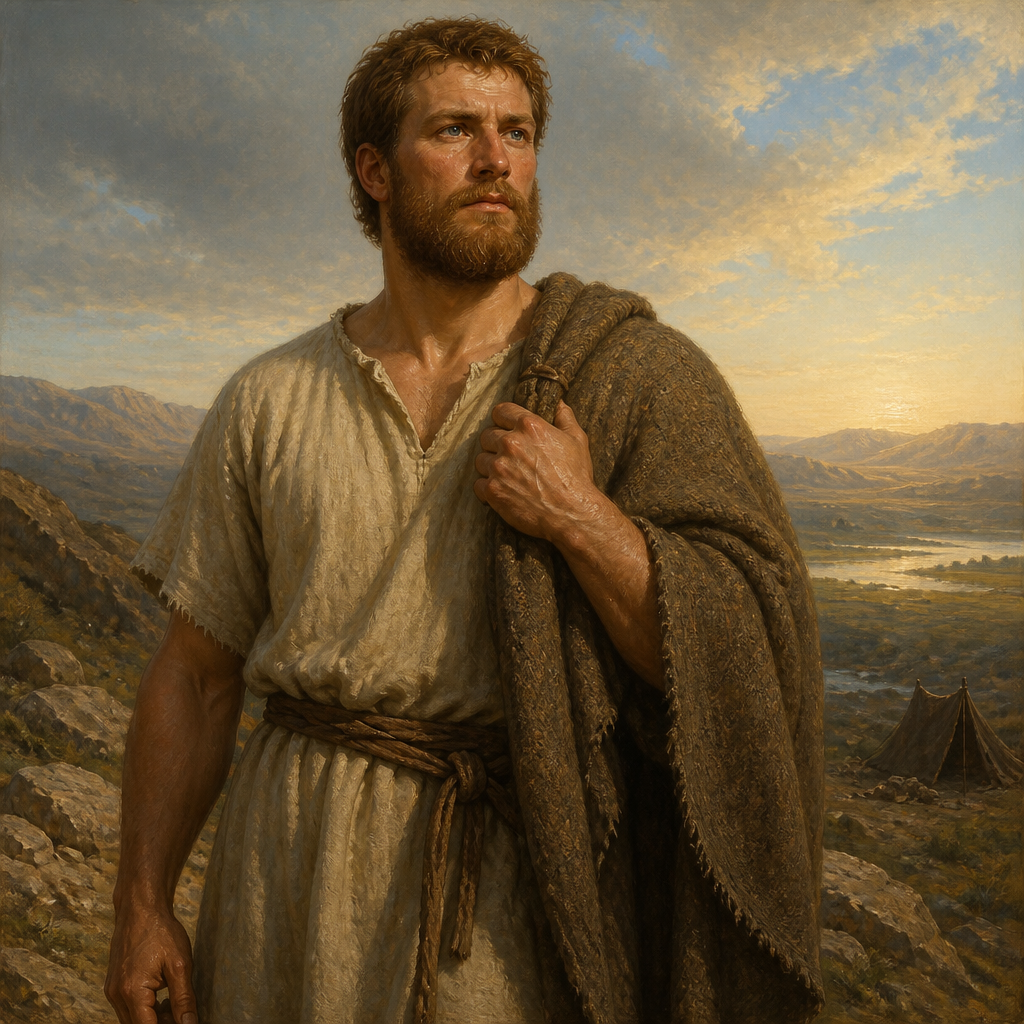
Magog
Son of Japheth and grandson of Noah listed in the Table of Nations
Magog was a son of Japheth and grandson of Noah, identified in the Table of Nations as a progenitor of one of the branches of the human family following the Great Flood.
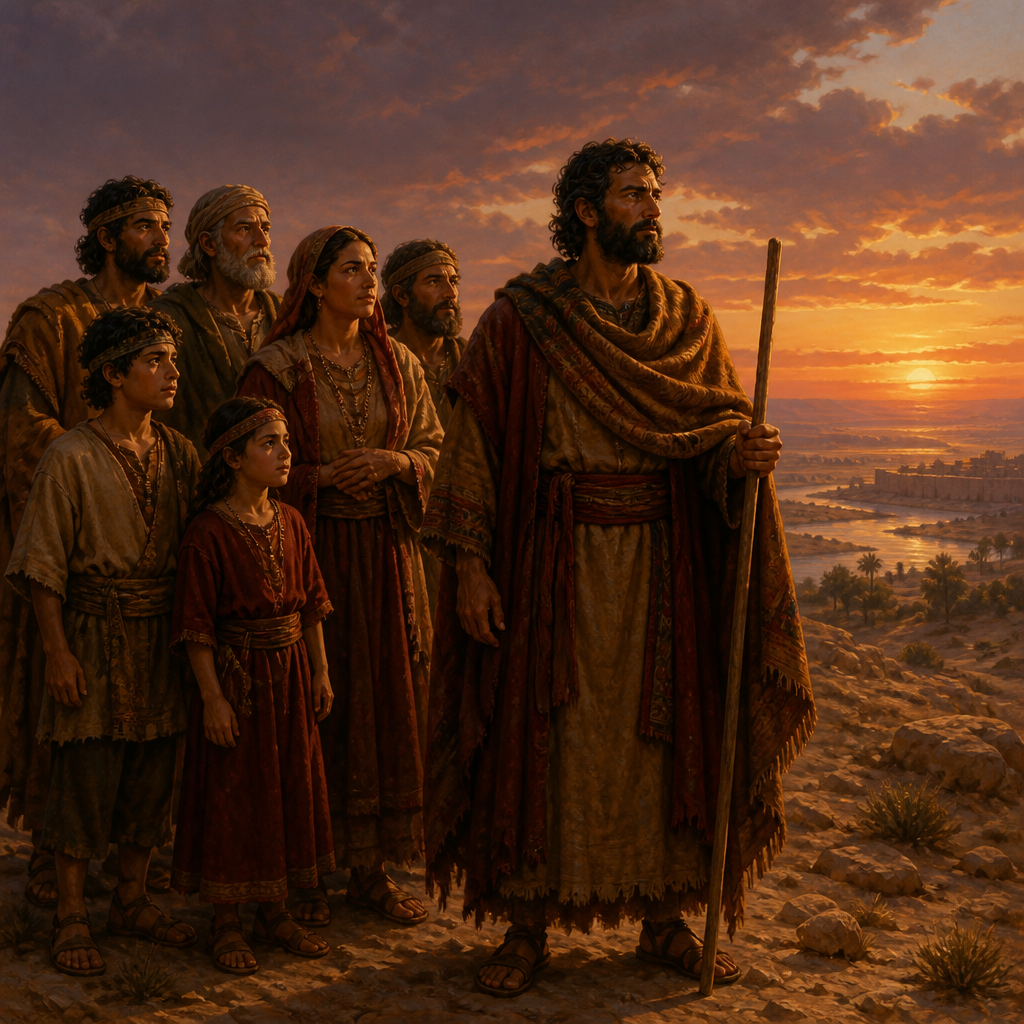
Mash
Son of Aram and a descendant of Shem listed in the Table of Nations
Mash was a descendant of Shem and a son of Aram, listed in the Table of Nations as a progenitor of an early Near Eastern tribal group.
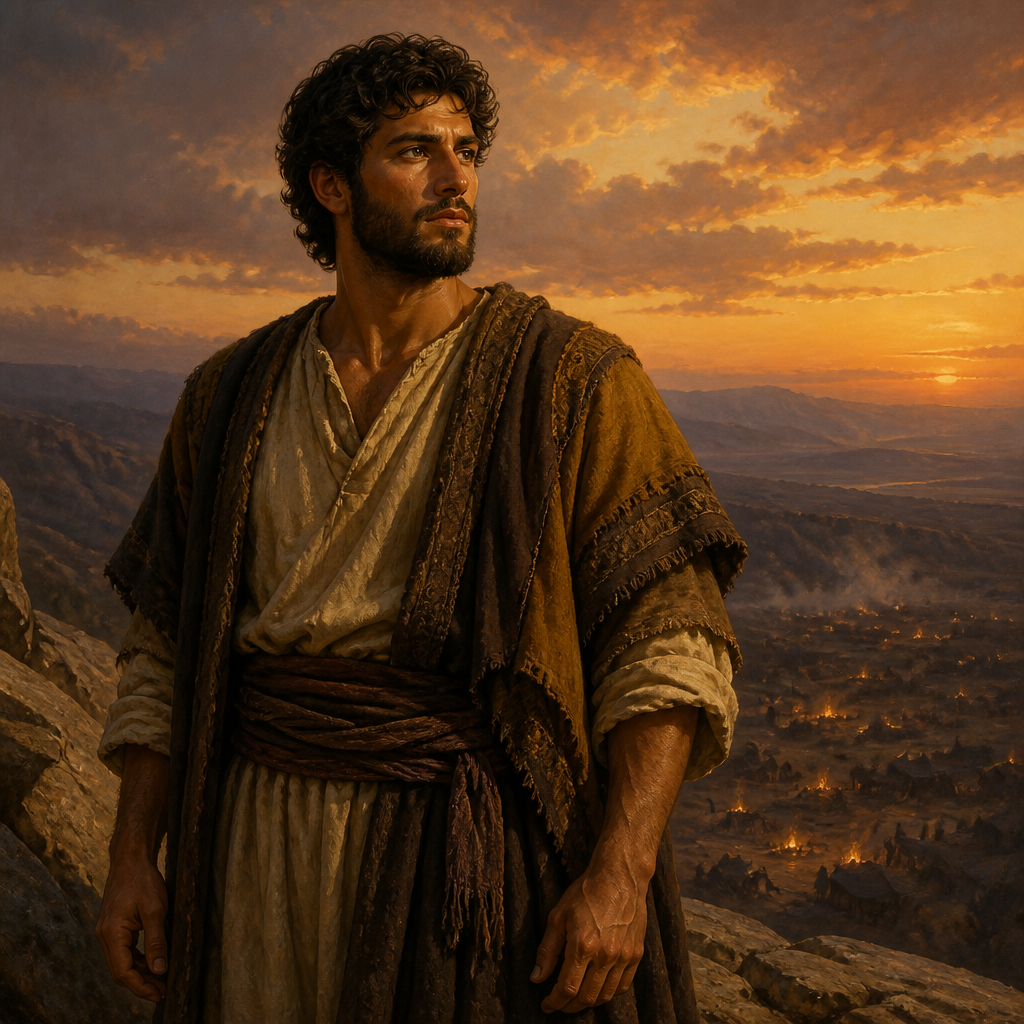
Meshech
Son of Japheth who is listed in the Table of Nations
A son of Japheth and grandson of Noah, identified as a primary progenitor of nations in the post-diluvian Table of Nations.
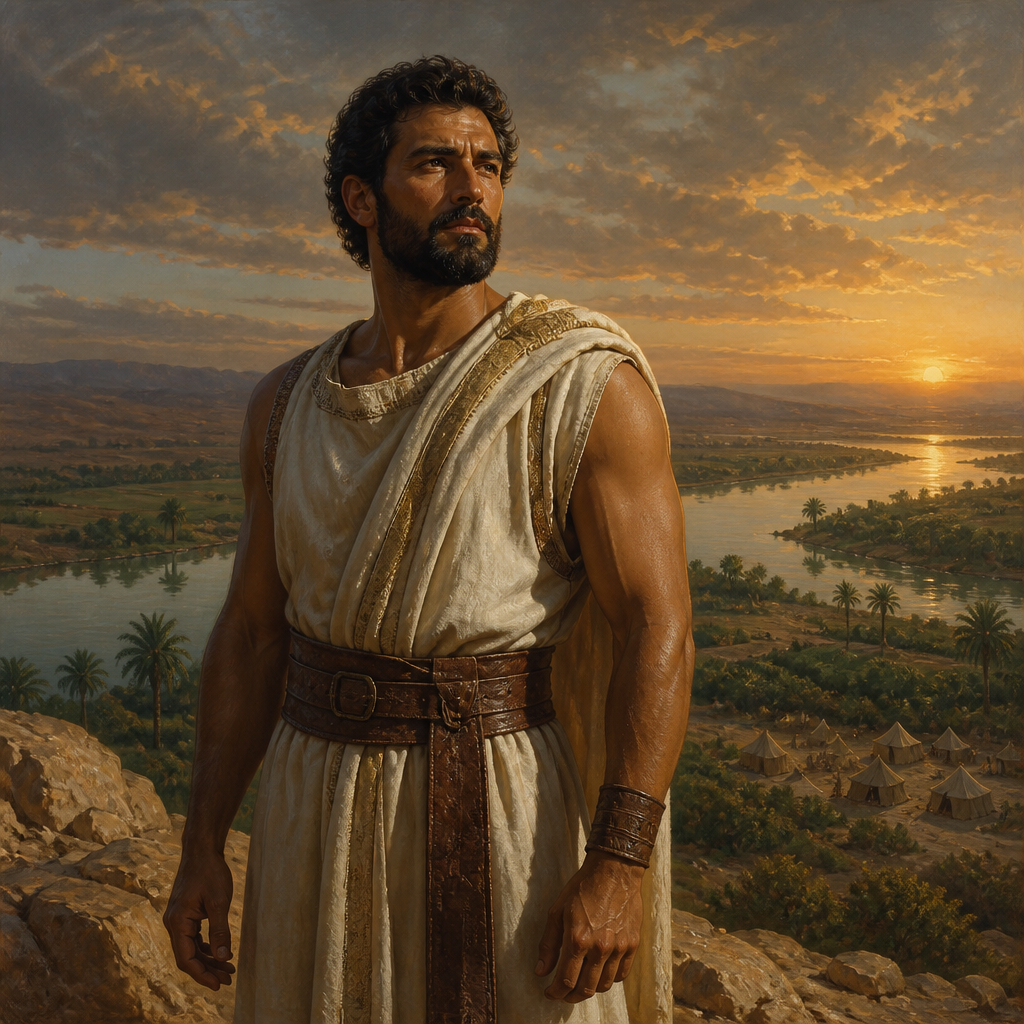
Naphtuhim
Son of Mizraim and descendant of Ham in the Table of Nations
Naphtuhim was a son of Mizraim and a grandson of Ham, identified as the progenitor of a specific lineage or tribe within the post-diluvian world.
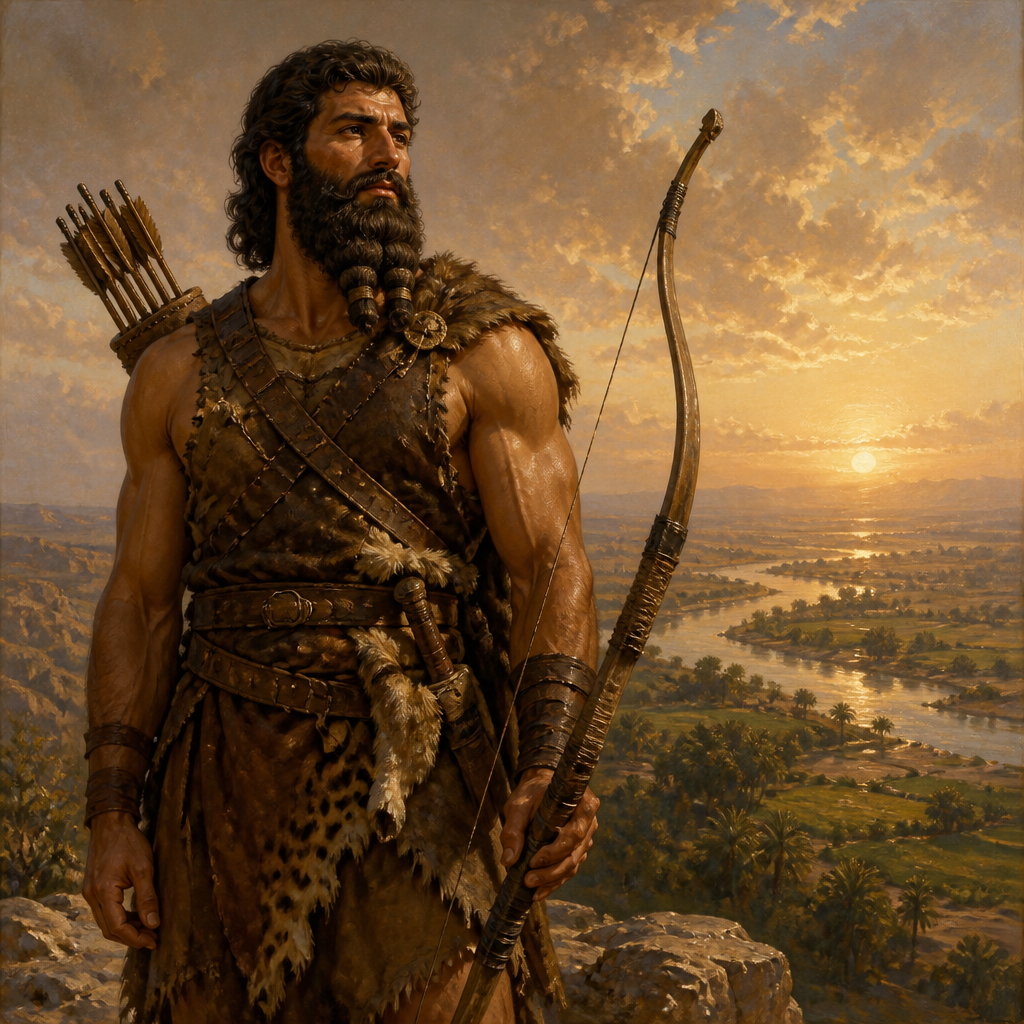
Nimrod
Patriarch described as a mighty hunter before the LORD
A descendant of Noah and son of Cush known as the first 'mighty one' on the earth and a legendary hunter before the LORD.
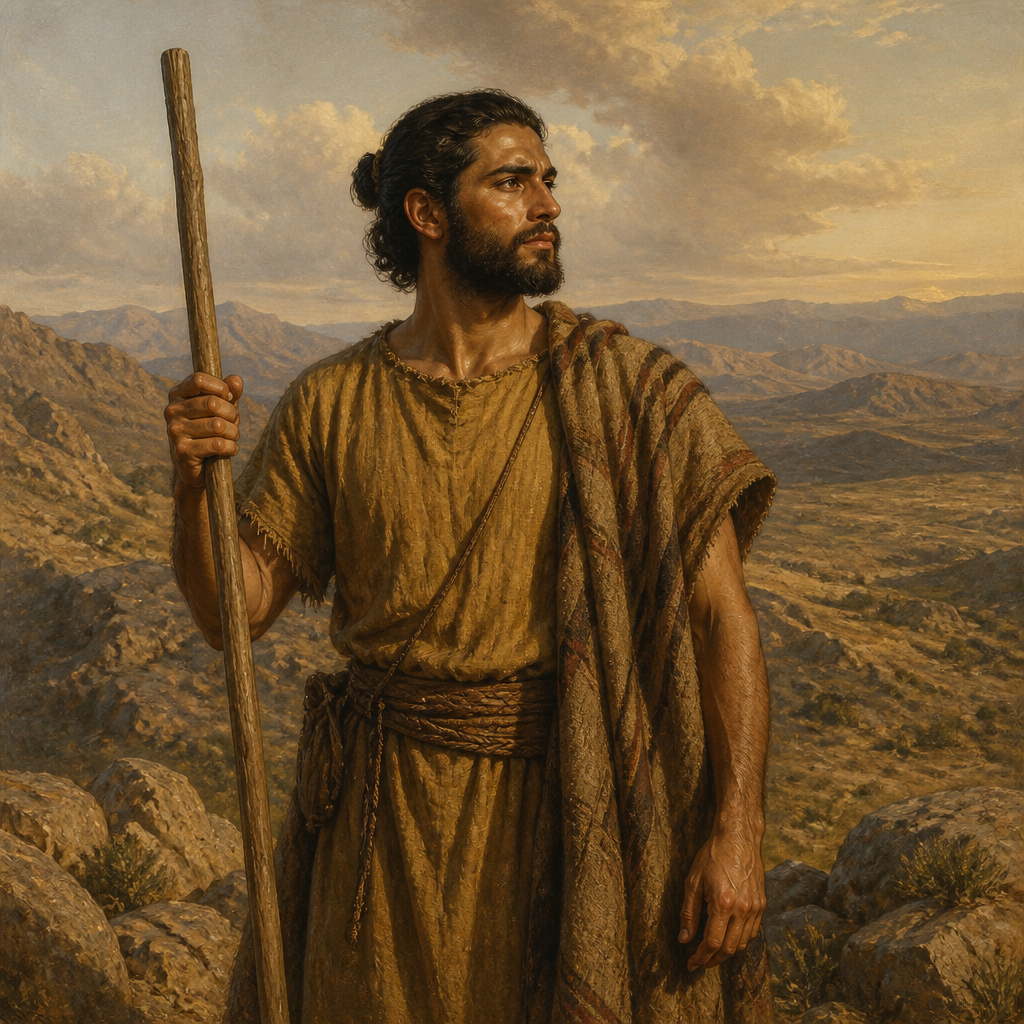
Obal
Son of Joktan listed in the Table of Nations
Obal was a son of Joktan and a great-great-great-great-grandson of Noah, listed in the Table of Nations as a progenitor of an early post-Flood clan.
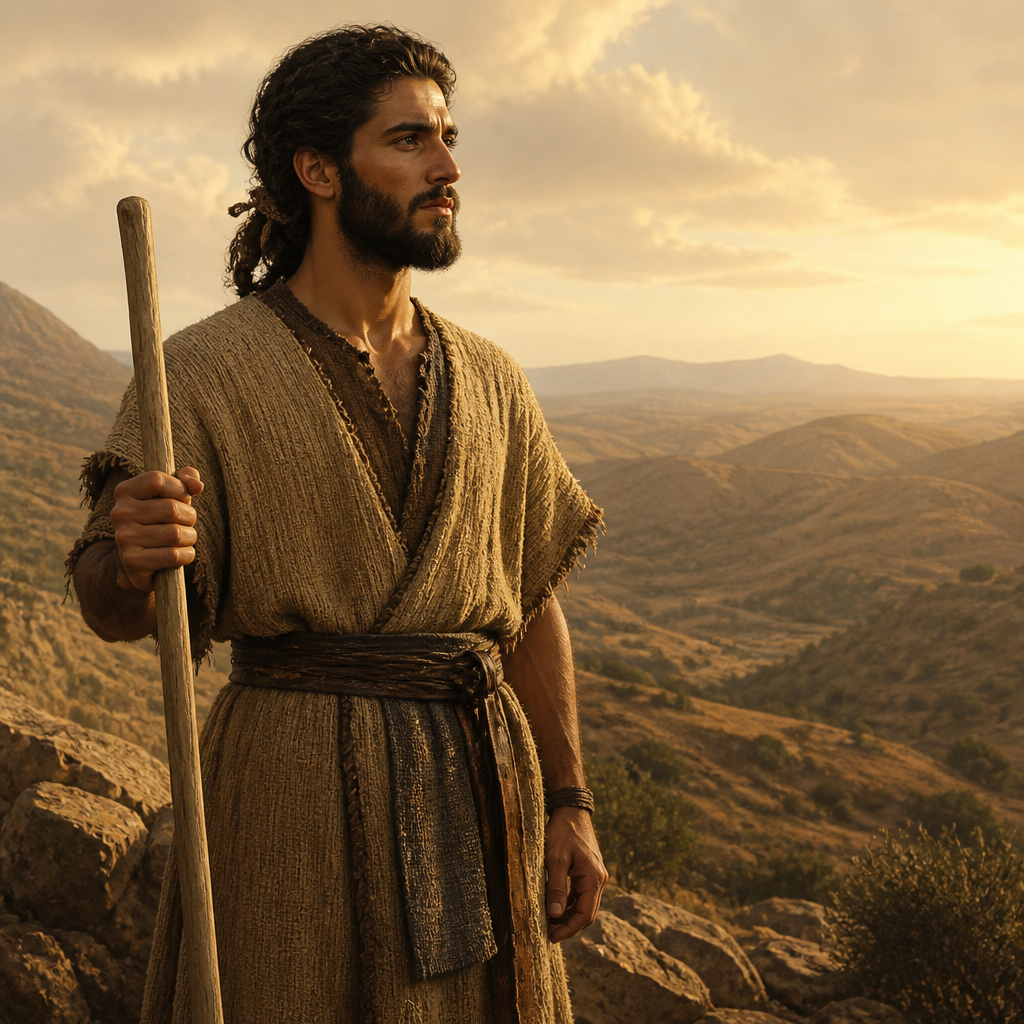
Ophir
Son of Joktan listed in the Table of Nations
Ophir was a descendant of Shem through the line of Joktan, listed in the Table of Nations during the Primeval History following the Great Flood.
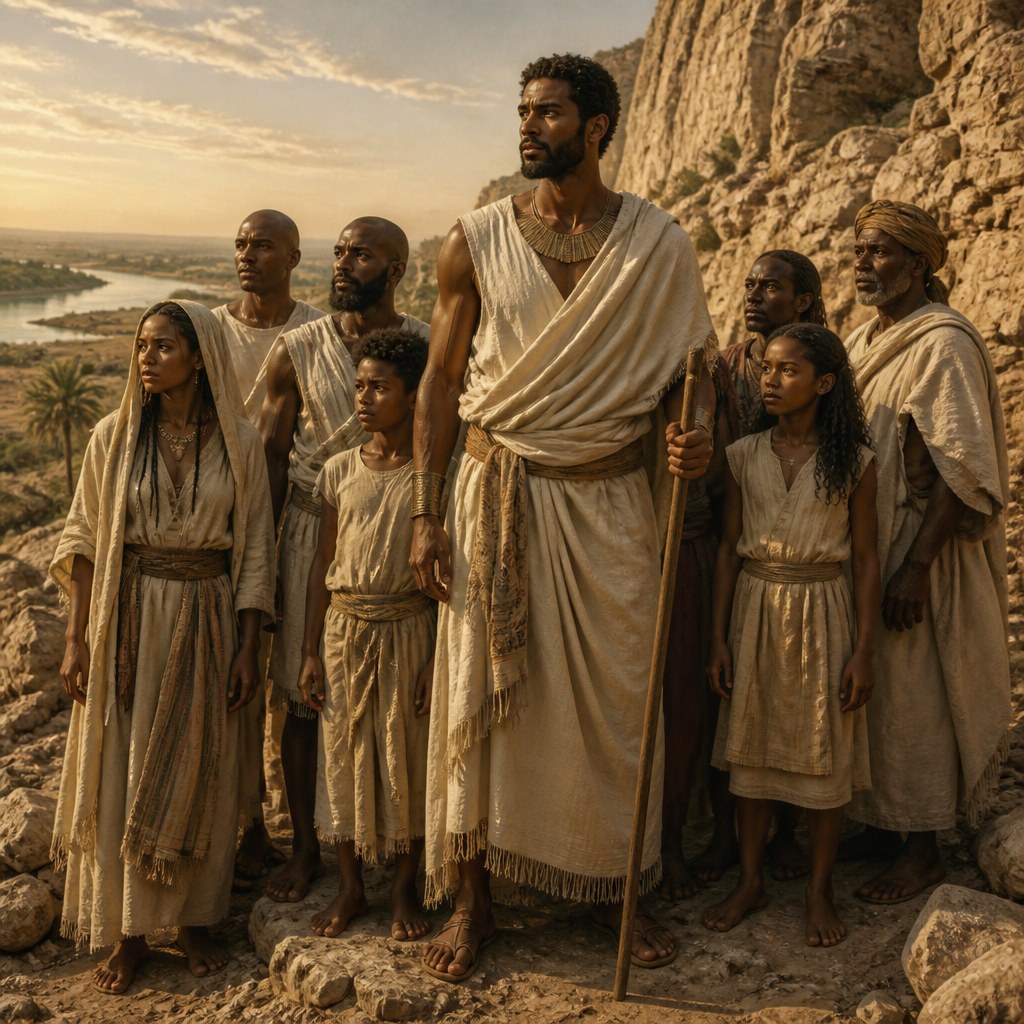
Pathrusim
Son of Mizraim and progenitor of the Pathrusim people group of Upper Egypt
The Pathrusim were a people group descending from Egypt (Mizraim) who inhabited the region of Pathros in Upper Egypt.
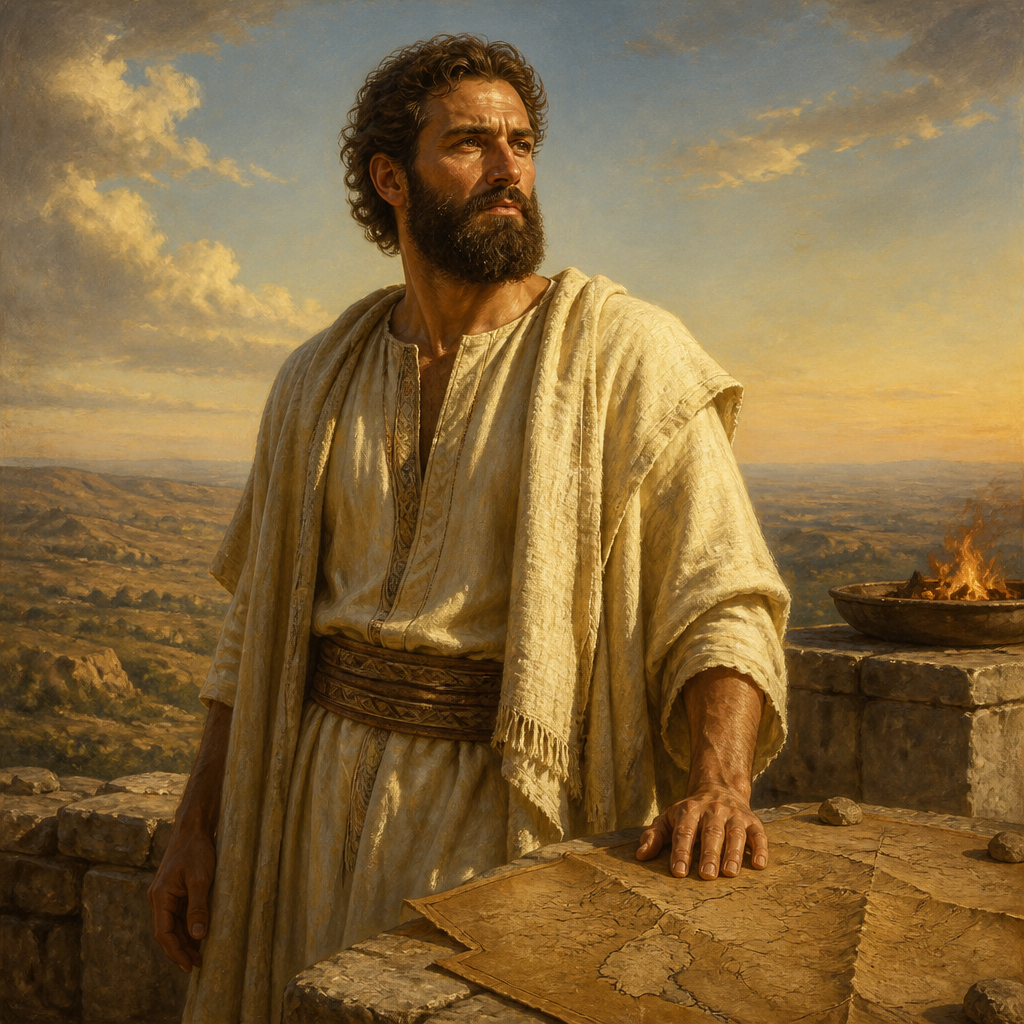
Philistine
Descendant of Casluhim listed in the Table of Nations
A descendant of Ham through Mizraim and Casluhim, identified in the Table of Nations as the progenitor of the Philistine people.
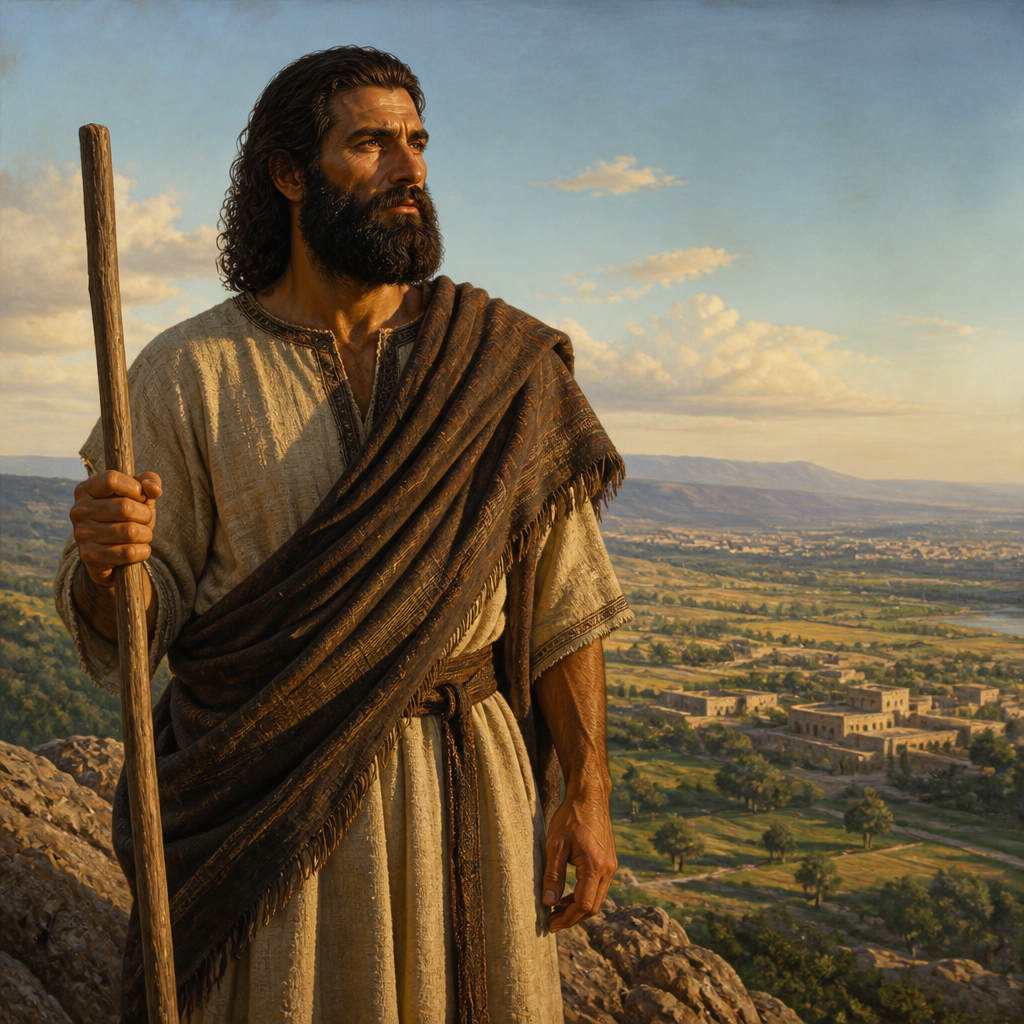
Put
Son of Ham and grandson of Noah listed in the Table of Nations
Put was the third son of Ham and a grandson of Noah, listed in the Table of Nations as a progenitor of early peoples during the post-flood Primeval History.
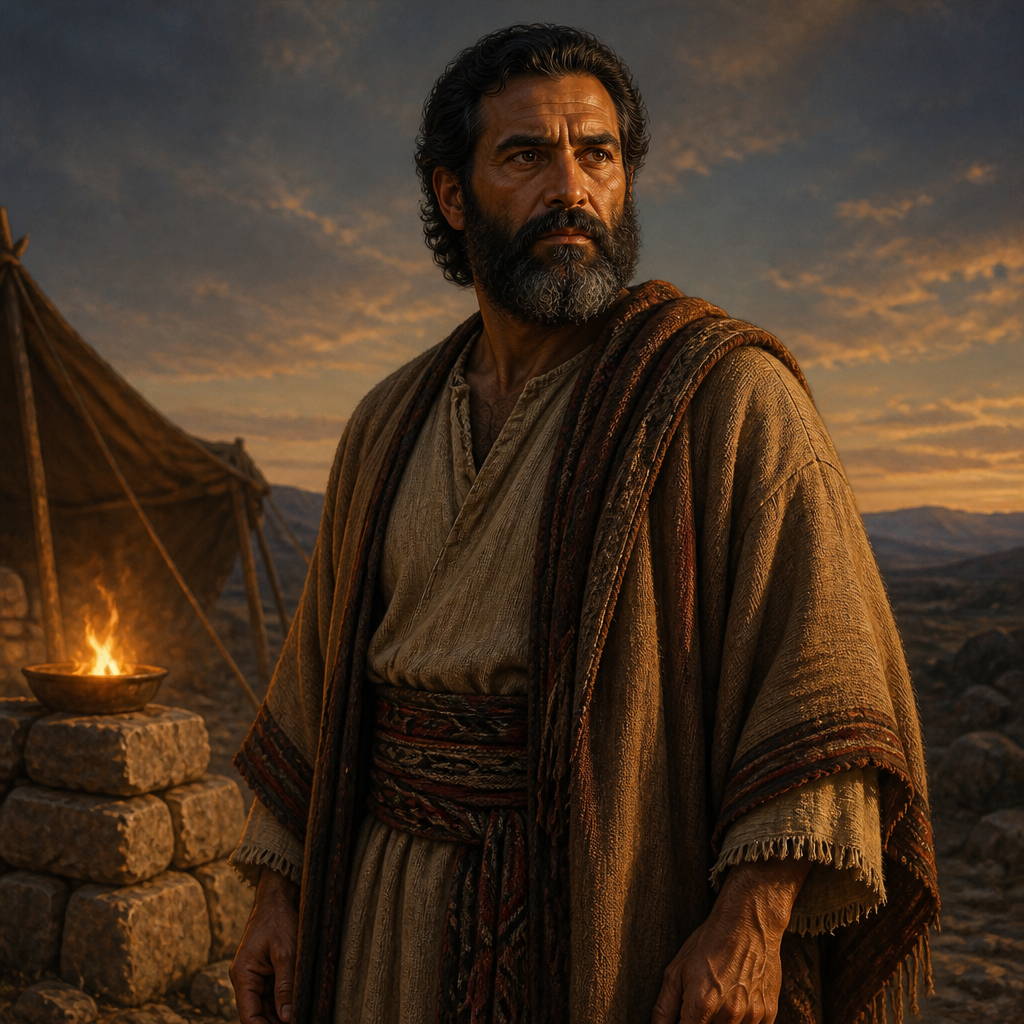
Raamah
Son of Cush and father of Sheba and Dedan in the Table of Nations
A grandson of Ham and son of Cush who is listed among the early post-Flood patriarchs in the Table of Nations.

Riphath
grandson of Japheth listed in the Table of Nations
A son of Gomer and grandson of Japheth, Riphath is a post-diluvian patriarch listed in the Table of Nations as a progenitor of early maritime or mountain peoples.
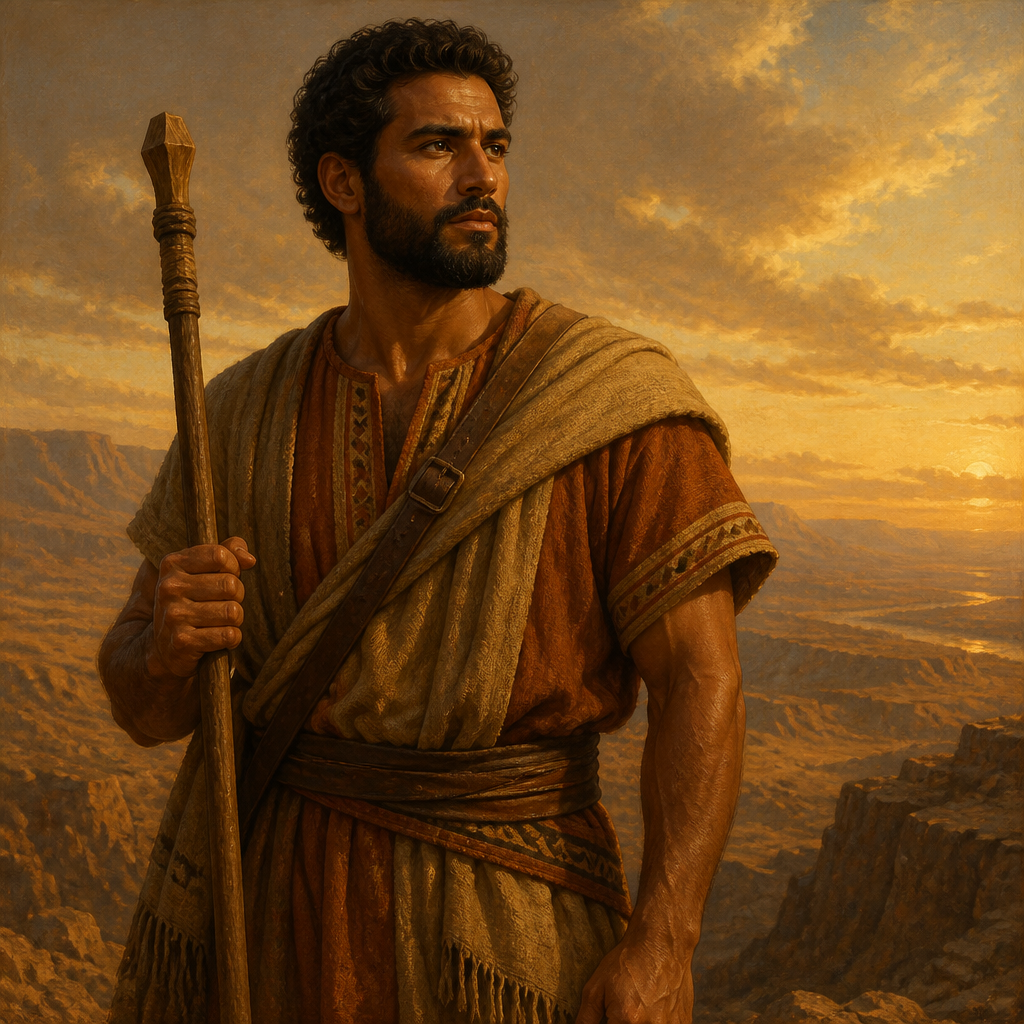
Sabtah
Son of Cush and grandson of Ham listed in the Table of Nations
Sabtah was the third son of Cush and a grandson of Ham, listed in the Table of Nations as a progenitor of early post-flood peoples.
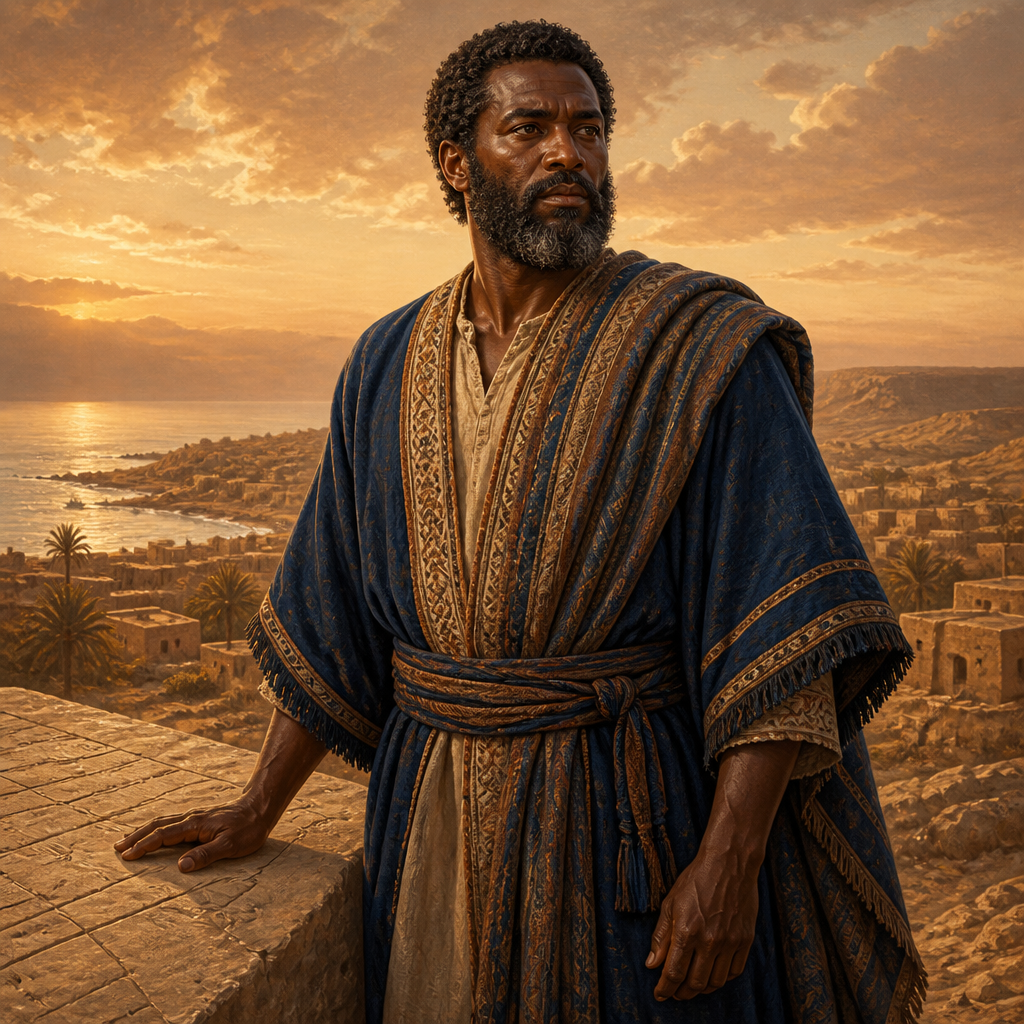
Sabteca
Son of Cush listed in the Table of Nations
A son of Cush and a descendant of Noah through the line of Ham, listed in the Table of Nations.
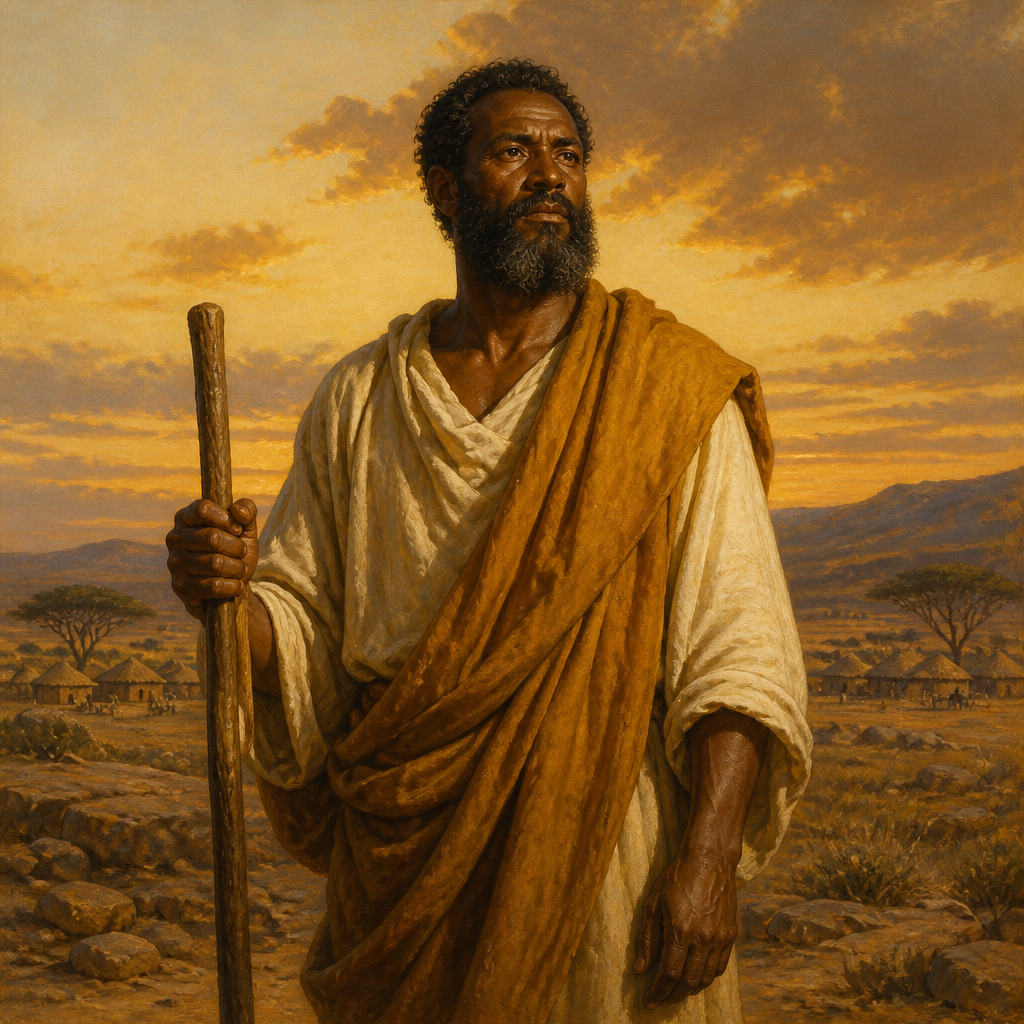
Seba
First-born son of Cush and grandson of Ham listed in the Table of Nations
Seba was the first-born son of Cush and a grandson of Ham, listed in the Table of Nations as a foundational figure in post-Flood genealogy.
Sheba, Grandson of Cush
Patriarch of the Sabean people and son of Raamah within the Hamitic line
A patriarch and descendant of Ham who founded a wealthy merchant nation known for trade and stature in the ancient Near East.
Sheba, Son of Joktan
Son of Joktan listed in the Table of Nations
A descendant of Shem through Joktan, listed in the Table of Nations as a foundational patriarch of the post-Flood Semitic lineages.
Shelah, Son of Cainan
Patriarch who was the father of Eber and a direct ancestor of Jesus Christ
Shelah was an early post-flood patriarch, the father of Eber, and a significant link in the genealogical line connecting Noah to the Messiah.
Sheleph
Son of Joktan listed in the Table of Nations
Sheleph was a son of Joktan and a descendant of Shem, listed in the Table of Nations as a founder of early Arabian tribal groups.
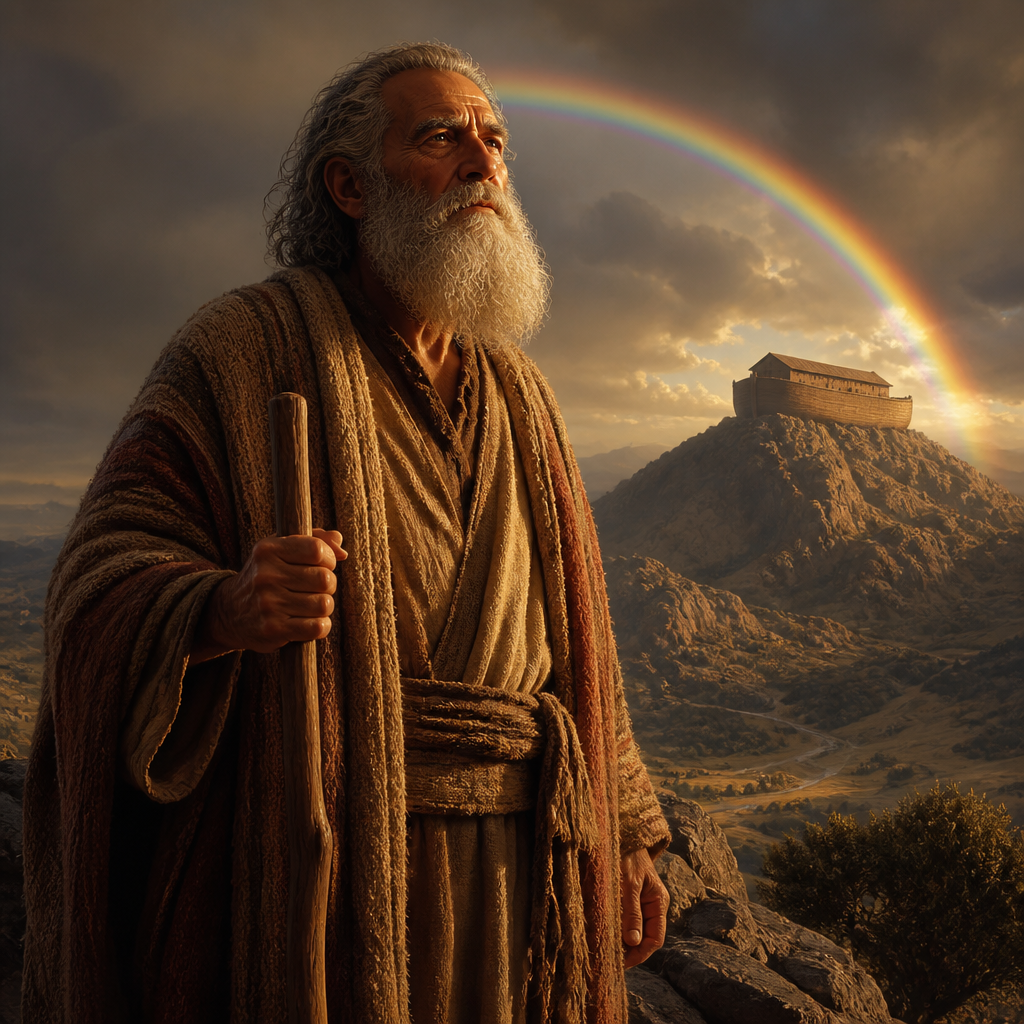
Shem
Son of Noah who survived the Great Flood and became the ancestor of the Semitic nations
The eldest or middle son of Noah, an Ark survivor, and the foundational patriarch of the Semitic peoples, including the Israelites.
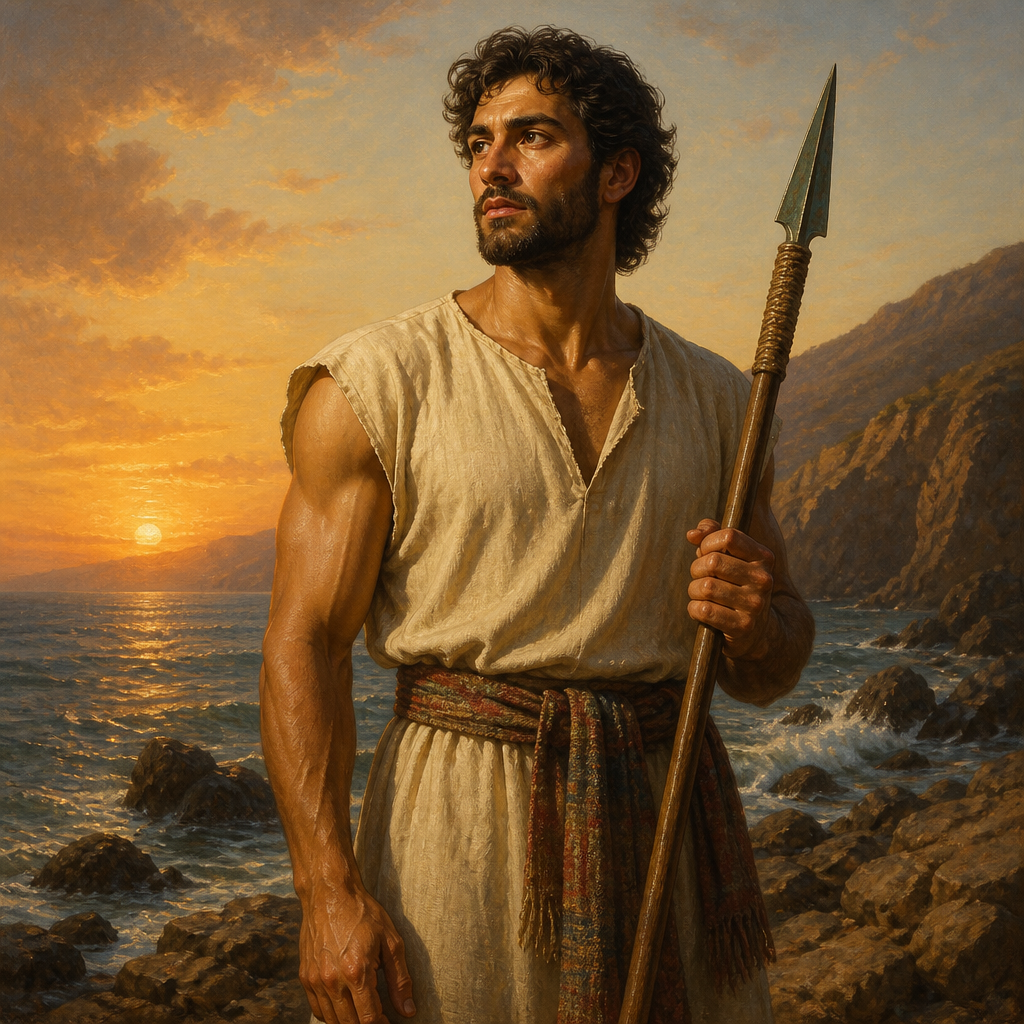
Sidon
Firstborn son of Canaan and a foundational patriarch in the Table of Nations
Sidon was the firstborn son of Canaan and a key figure in the Table of Nations within the Primeval History of Genesis.
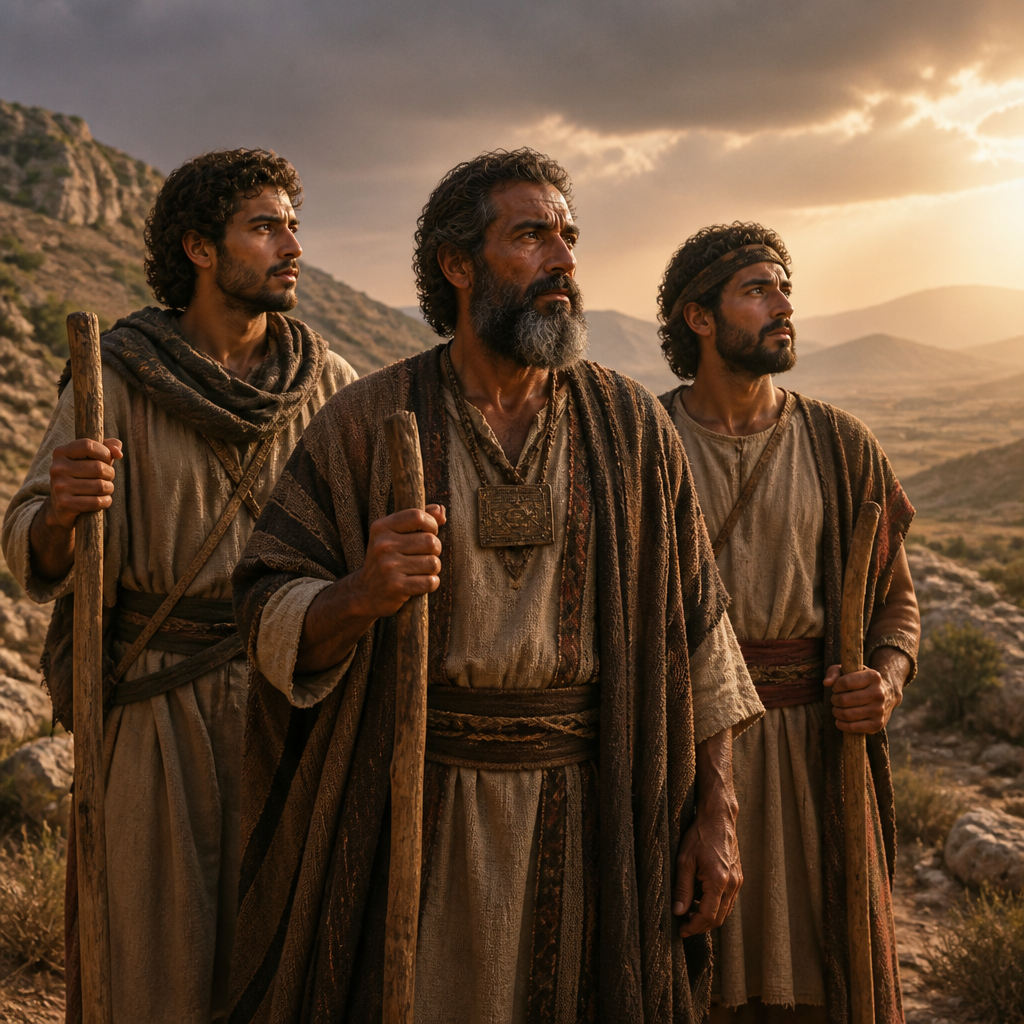
Sinites
Canaanite tribe listed in the Table of Nations as descendants of Noah's grandson
A Canaanite people group descended from Canaan, the son of Ham, recognized in the Table of Nations during the Primeval History.
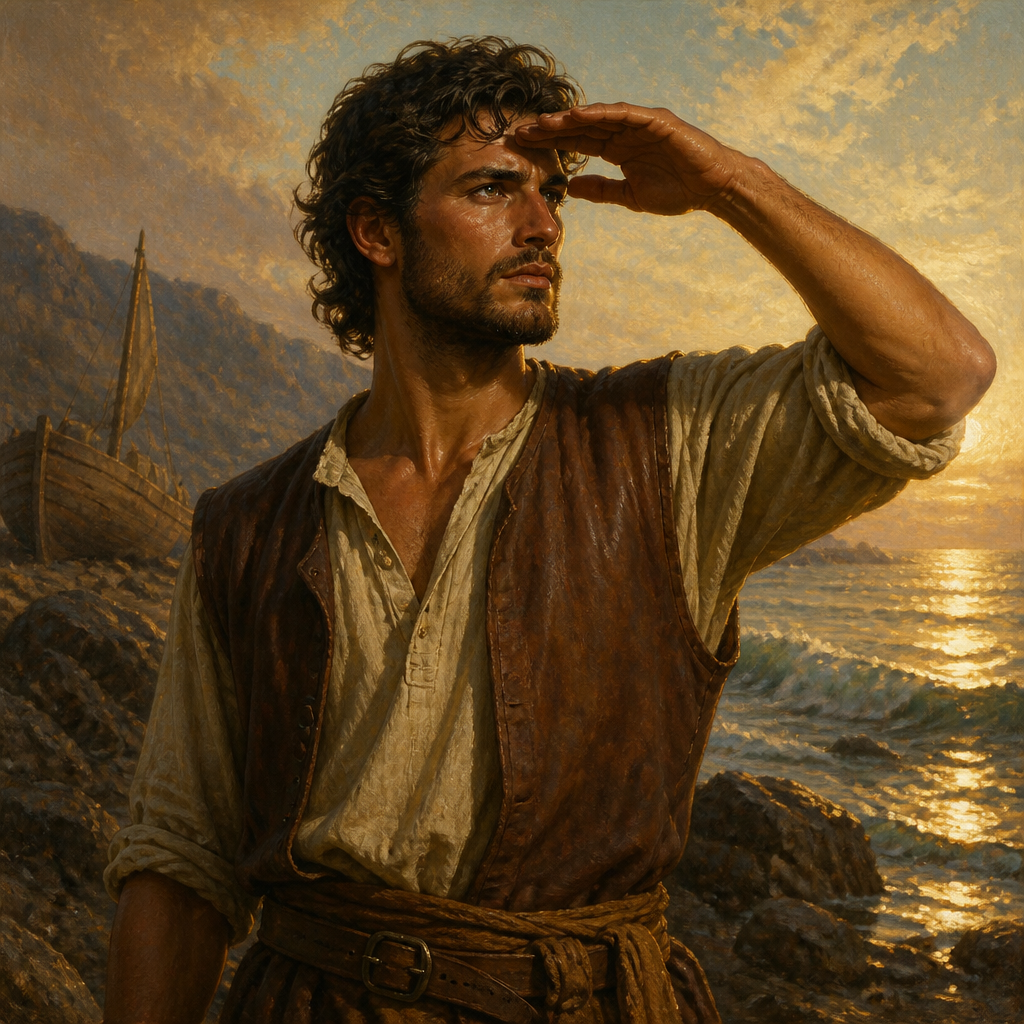
Tarshish, Great-grandson of Noah
son of Javan and grandson of Japheth listed in the Table of Nations
Tarshish was a post-diluvian patriarch, the son of Javan and a descendant of Noah, listed in the Table of Nations as a founder of maritime peoples.
Tiras
Son of Japheth and grandson of Noah listed in the Table of Nations
Tiras was a son of Japheth and a grandson of Noah, listed in the Table of Nations as a progenitor of early maritime or coastal peoples.
Togarmah
Son of Gomer listed in the Table of Nations
A son of Gomer and grandson of Japheth, listed in the Table of Nations as a progenitor of early post-flood peoples.
Tubal
Son of Japheth listed in the Table of Nations
A son of Japheth and grandson of Noah, Tubal is a foundational figure in the Table of Nations within the Primeval History of Genesis.

Uz, Son of Aram
grandson of Shem and firstborn son of Aram in the Table of Nations
Uz was a grandson of Shem and the firstborn son of Aram, recorded in the Table of Nations following the Great Flood.
Uzal
Son of Joktan listed in the Table of Nations
A son of Joktan and a descendant of Shem, listed in the Table of Nations as a progenitor of early Arabian clans.
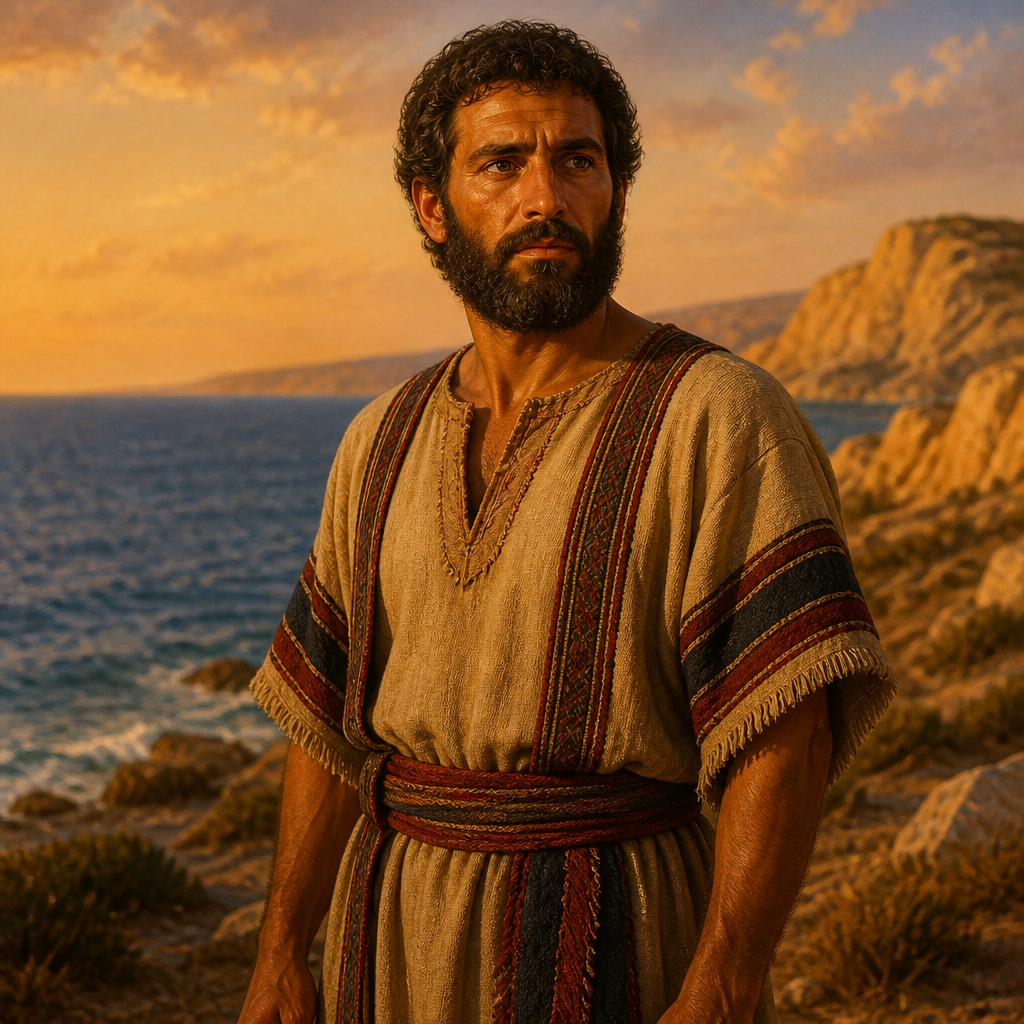
Zemarites
Canaanite clan mentioned in the Table of Nations
A Canaanite clan descended from Ham through Canaan, listed in the Table of Nations as inhabitants of the ancient Levant during the Primeval History.