Iddo, Grandfather of Zechariah
Iddo was the grandfather of the prophet Zechariah and a key figure in the lineage of the leadership that oversaw the rebuilding of the Second Temple.
Iddo is a figure of the Post-Exilic Period, primarily recognized in the biblical record as the grandfather of the prophet Zechariah. His presence in the genealogies of Ezra and the book of Zechariah places him among the community of Jewish exiles who returned to Jerusalem following the decree of Cyrus the Great. While the biblical text provides limited personal details about his individual actions, his name serves as a vital marker of legitimate prophetic and ancestral continuity during the restoration of Judah.
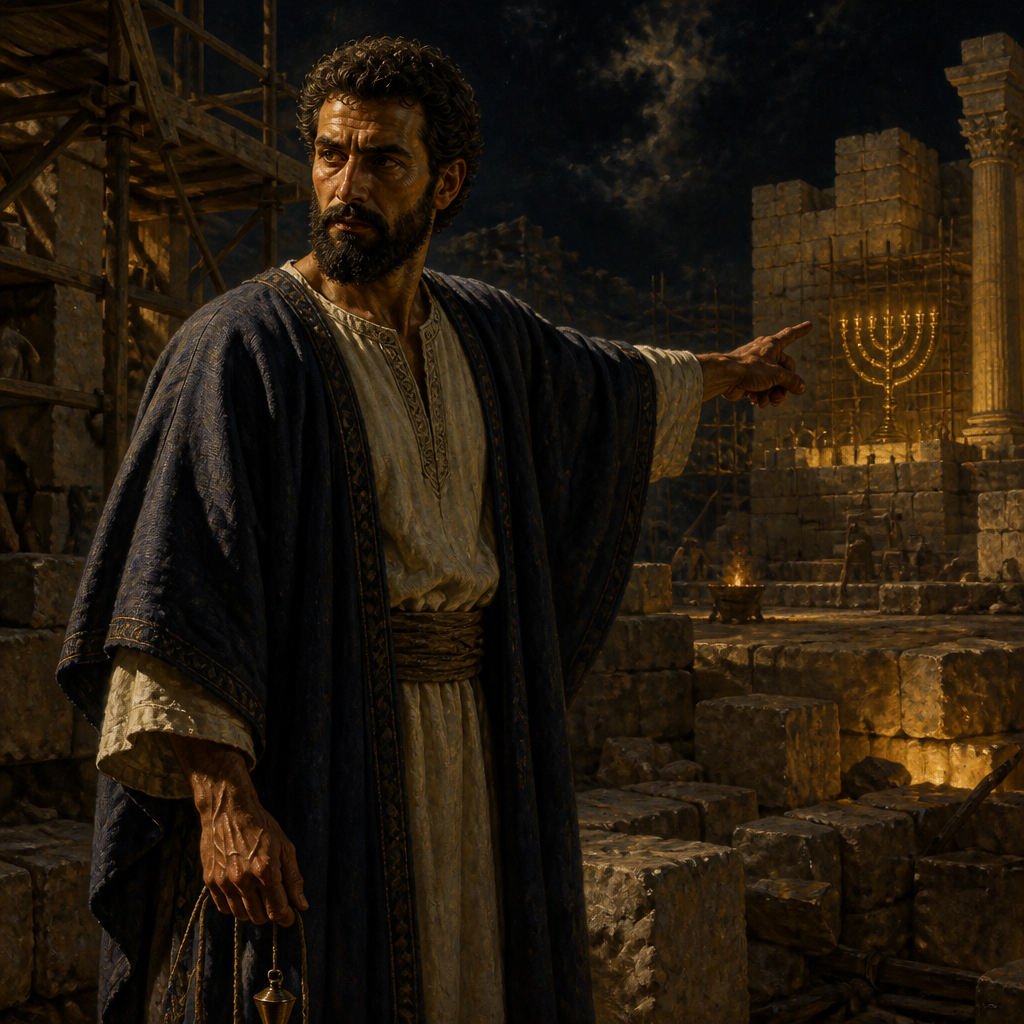
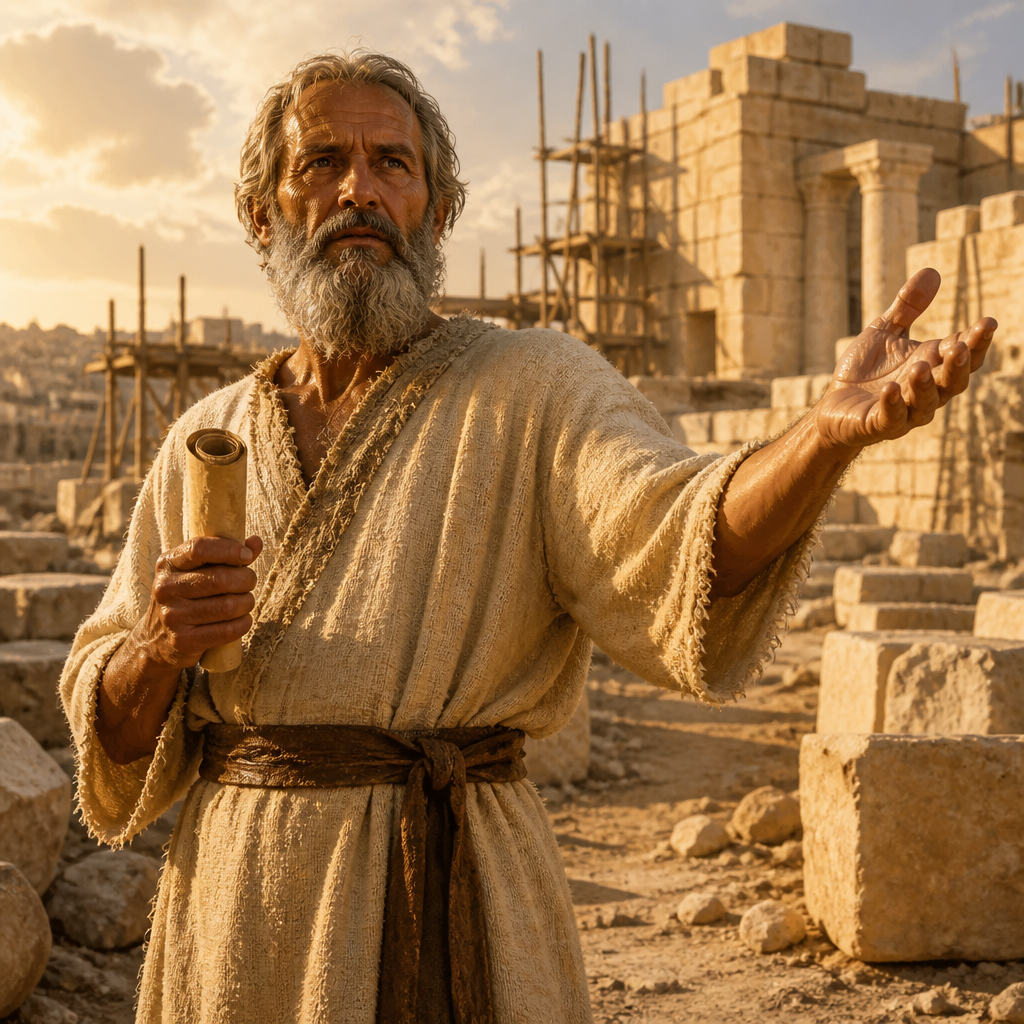
He is mentioned specifically in the context of the rebuilding of the Temple in Jerusalem under the Persian kings Darius and Cyrus. As the ancestor of one of the two most prominent prophets of the return (the other being Haggai), Iddo’s identity is linked to the spiritual and social reconstruction of the Jewish people in the late 6th century BC.
Background and Family
Iddo lived during the Era of Exile and Return, a pivotal time when the Jewish people were transitioning from captivity in Babylon back to their ancestral homeland in Judah. The biblical record establishes Iddo as the father of Berechiah and the grandfather of the prophet Zechariah. In the Book of Ezra, Zechariah is frequently referred to simply as the "son of Iddo" (Ezra 5:1, 6:14), a common Hebrew idiom that can denote a grandson or a direct descendant, highlighting the importance of the patriarchal line. However, the opening of the Book of Zechariah clarifies the full genealogy: "Zechariah son of Berechiah, the son of Iddo" (Zechariah 1:1, 1:7).
Major Life Events
While the scriptures do not record specific deeds performed by Iddo himself, he is inextricably linked to the success of the Second Temple's construction. During the second year of the reign of Darius I (c. 520 BC), the work on the Temple had stalled due to opposition and apathy. Iddo is mentioned as the progenitor of the prophet whose messages, alongside those of Haggai, galvanized the Jewish elders to resume and finish the project.
According to Ezra 6:14, the elders of the Jews "prospered through the prophesying of Haggai the prophet and Zechariah son of Iddo." Though Iddo may have been deceased or elderly by the time the Temple was completed in 516 BC, his name provided the necessary credentials for Zechariah’s authority among the returnees. The biblical narrative uses Iddo’s name to anchor the new generation of leadership to the traditions of the past.
Relationship to Other Biblical Figures
Iddo’s primary relationship is to his grandson, Zechariah. The dual identification of Zechariah—as both the son of Berechiah and the son of Iddo—indicates that Iddo was a man of significant standing within the community. In the administrative and spiritual climate of the return from exile, lineage was essential for establishing the right to serve in the Temple and to speak as a prophet. By identifying Zechariah with Iddo, the text validates Zechariah's position within the post-exilic hierarchy.
Spiritual Significance
In the broader context of the Old Testament, Iddo represents the bridge between the pre-exilic traditions and the post-exilic reality. His inclusion in the prophetic headings of Zechariah 1:1 and 1:7 serves a formal purpose: it dates the revelation of God’s word to a specific family line during the second year of Darius. The mention of Iddo ensures that the "word of the LORD" is seen as coming through a recognized and legitimate channel, contributing to the restoration of the covenant relationship between God and the returned exiles.
Spiritual Significance
Iddo serves as a genealogical pillar in the post-exilic community, providing the ancestral legitimacy for the prophet Zechariah. His name is synonymous with the era of the Second Temple's reconstruction, representing the continuity of the Jewish faith and the prophetic office after the Babylonian Captivity. Through him, the biblical text establishes a clear line of descent that validates the messages given to the Jewish elders during the reign of Darius I.
His mention in both the historical narrative of Ezra and the prophetic literature of Zechariah underscores the importance of heritage in the restoration of Judah. Iddo’s legacy is ultimately realized in the successful completion of the Temple, as his descendant played a primary role in encouraging the builders to finish the work according to the command of the God of Israel.
Frequently Asked Questions
Who was Iddo’s son?
Iddo was the father of Berechiah, as recorded in Zechariah 1:1.
How is Iddo related to the prophet Zechariah?
Iddo is the grandfather of the prophet Zechariah. While Ezra 5:1 refers to Zechariah as the 'son of Iddo,' the book of Zechariah clarifies that he was the son of Berechiah and the grandson of Iddo.
When did Iddo live?
Iddo lived during the Era of Exile and Return, specifically during the late 6th century BC, coinciding with the reigns of Cyrus and Darius of Persia.
What role did Iddo play in rebuilding the Temple?
While Iddo is not credited with physical labor, his lineage (through his grandson Zechariah) was central to the prophetic encouragement that led the Jewish elders to complete the Temple.
In which books of the Bible is this Iddo mentioned?
This specific Iddo is mentioned in the books of Ezra (chapters 5 and 6) and Zechariah (chapter 1).
Connected Figures
Categories
Mentions by Book
- Ezra2
- Zechariah2
Family & Relationships
Child
Berechiah, Father of Zechariah the Prophet
Ezra 5:1
Others Named Iddo
Iddo, son of Zechariah1 Chronicles 27:21
A tribal leader of the half-tribe of Manasseh in Gilead who served as an administrative head during the reign of King David.
Iddo the Seer2 Chronicles 12:15
A prophet and chronicler of the Divided Monarchy whose writings served as primary sources for the histories of Solomon, Rehoboam, and Abijah.
Iddo, Levite of the Divided Monarchy1 Chronicles 6:21
A Levite of the Gershonite line who served during the period of the Divided Monarchy as a link in the ancestral genealogy of the temple servants.
Iddo, Leader at CasiphiaEzra 8:17
A high-ranking Jewish leader residing in Casiphia who provided Ezra with skilled Levites and temple servants for the return to Jerusalem.
Iddo, Father of Ahinadab1 Kings 4:14
A high-ranking official's father during the reign of King Solomon who resided in the strategically significant region of Mahanaim.
Iddo, Priest of the Post-Exilic PeriodNehemiah 12:4
A prominent priest who returned from the Babylonian exile to Jerusalem and served as a head of a priestly house.