Eleazar, Son of Parosh
An Israelite from the family of Parosh who was among those required to put away foreign wives during the reforms of Ezra.
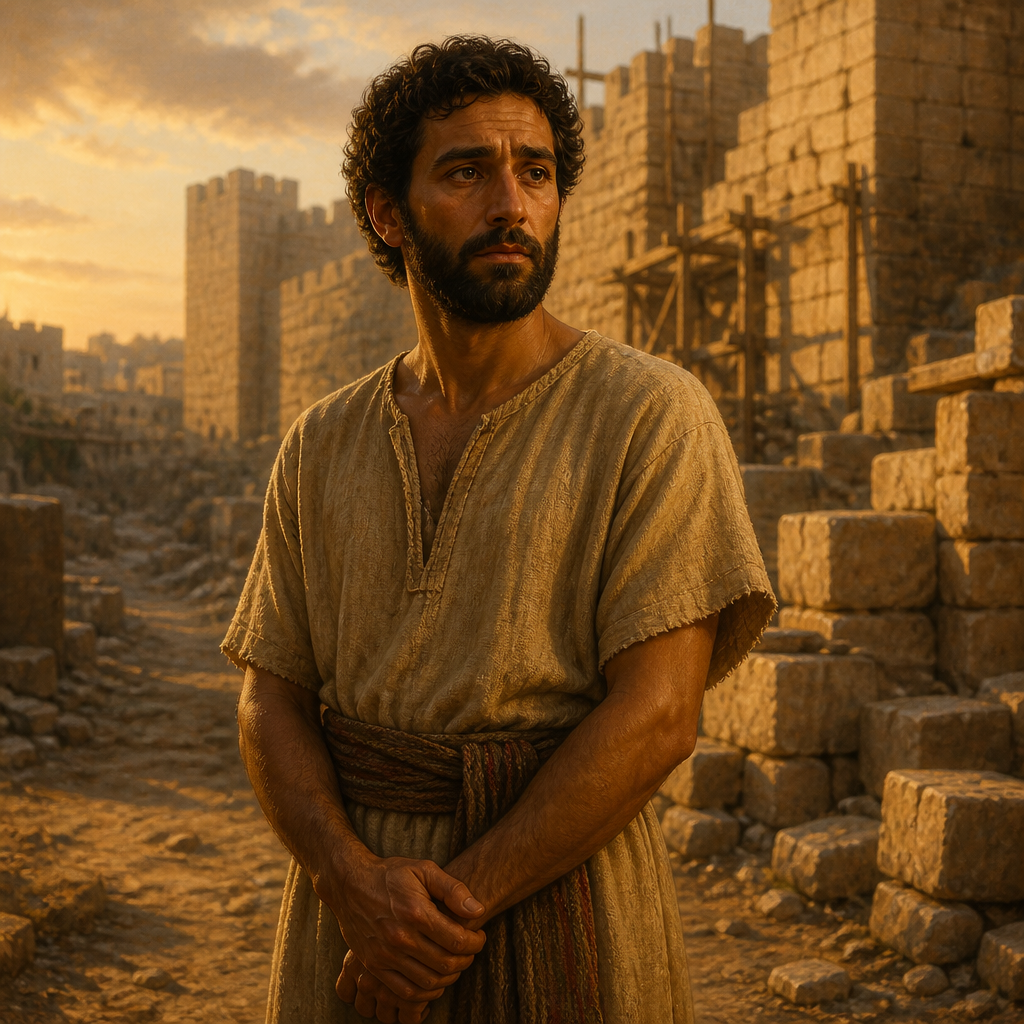
Eleazar, a member of the clan of Parosh, is a figure mentioned in the biblical record of the post-exilic community in Jerusalem. His name appears within the context of the wide-scale spiritual and social reforms initiated by Ezra the scribe around 458 BC. Following the return of the Jewish exiles from Babylon, the community faced a crisis regarding intermarriage with the surrounding pagan nations, which was viewed as a violation of the Mosaic Law.
Eleazar is specifically listed in the Book of Ezra as one of the laymen who had married a foreign woman. The inclusion of his name in the public record serves as a testament to the rigorous accountability and the subsequent repentance of the Israelites who sought to preserve the distinct identity of the covenant people during the Second Temple period.
Background and Family
Eleazar belonged to the descendants of Parosh. The family of Parosh was one of the most significant and numerous clans to return from the Babylonian Exile. According to the census records in Ezra 2:3 and Nehemiah 7:8, the sons of Parosh numbered 2,172 individuals who returned with Zerubbabel. This family played a substantial role in the restoration of Jerusalem, later participating in the rebuilding of the city walls under Nehemiah (Nehemiah 3:25). While Eleazar's specific parents are not named, his identity is firmly rooted in this prominent lay family of the Post-Exilic Period.
Major Life Events
The primary event defining Eleazar’s biblical footprint occurs in Ezra 10. Upon Ezra’s arrival in Jerusalem, he was informed that the people of Israel, including the priests and Levites, had not kept themselves separate from the neighboring peoples—the Canaanites, Hittites, Perizzites, and others. Ezra led the nation in a public act of mourning and confession, which resulted in a covenant to put away all foreign wives and the children born to them.
Eleazar is named in Ezra 10:25 as one of the "other Israelites" (distinguished from the priests and Levites) who had taken foreign wives. He, along with his kinsmen Ramiah, Izziah, Malchijah, Mijamin, Malchijah (a second individual of the same name in the list), and Benaiah, stood as representatives of the Parosh lineage who complied with the proclamation to dissolve these marriages to maintain the religious purity of Israel.
Relationship to Other Biblical Figures
Eleazar appears alongside six other men from the family of Parosh. While the text does not specify their exact fraternal relationship, they are grouped together as a familial unit under the headship of Parosh. His life intersects with the leadership of Ezra the Scribe, whose judicial and spiritual authority mandated the separation that defined Eleazar's recorded actions.
Spiritual Significance
In the context of Ezra 10, Eleazar represents the individual accountability of the common Israelite. The listing of his name in the "guilty" register, followed by the collective action of the group to rectify the situation, emphasizes the theme of corporate and individual repentance. In the post-exilic theology of the time, the survival of the remnant was contingent upon strict adherence to the Law of Moses. Eleazar’s inclusion in this list highlights the cost of restoration and the priority given to the covenantal relationship with God over personal domestic ties.
Spiritual Significance
Eleazar serves as a historical marker of the internal struggles faced by the returning exiles. His name is preserved as part of a formal list of those who sought to rectify a breach in the Law, illustrating the tension between the restoration of the nation and the surrounding cultural influences. Theologically, he represents the 'layman's' role in the purification of the community, showing that the call to holiness extended beyond the priesthood to every family in Israel.
Frequently Asked Questions
Which family did Eleazar belong to?
Why is Eleazar mentioned in Ezra 10?
What did Eleazar do regarding his marriage?
Was Eleazar a priest?
Connected Figures
Ezra
Leader and Scribe who presided over the reforms
Ramiah
Kinsman from the descendants of Parosh
Benaiah
Kinsman from the descendants of Parosh
Categories
Mentions by Book
- Ezra1
Others Named Eleazar
Eleazar, Son of PhinehasEzra 8:33
A high-ranking religious official who helped inventory the gold and silver for the Second Temple following the return from Babylon.
Eleazar, Musician of the ReturnNehemiah 12:42
A Jewish musician or official who participated in the joyous dedication ceremony of the rebuilt walls of Jerusalem under the leadership of Nehemiah.
Eleazar, Son of Abinadab1 Samuel 7:1
The son of Abinadab who was consecrated to guard the Ark of the Covenant during its twenty-year stay in Kiriath-jearim.
Eleazar, Son of AaronExodus 6:23
Eleazar was the third son of Aaron and his successor as the High Priest of Israel, serving as a key leader alongside Moses and Joshua during the wilderness wanderings and the conquest of Canaan.
Eleazar, Son of EliudMatthew 1:15
Eleazar was a member of the royal lineage of King David and an ancestor of Jesus Christ, appearing in the genealogy of Matthew.
Eleazar, Son of Dodo the Ahohite2 Samuel 23:9
One of King David’s 'Three Mighty Men' renowned for his exceptional bravery and military prowess during the Philistine wars of the United Monarchy.
Eleazar, Son of Mahli1 Chronicles 23:21
A Levite of the clan of Merari who died without sons, resulting in his daughters marrying their cousins to preserve the family inheritance.