Zurishaddai
Who was Zurishaddai in the Bible?
Zurishaddai was a patriarch of the tribe of Simeon during the Exodus and the father of the tribal prince Shelumiel.
Zurishaddai was a prominent figure within the tribe of Simeon during the formative years of Israel’s history, specifically during the Exodus from Egypt and the subsequent wilderness wanderings. Though he is not depicted performing specific actions himself, he is identified as the father of Shelumiel, the prince and leader of the Simeonites who represented the tribe in matters of military organization and liturgical offerings. The name Zurishaddai is significant in Hebrew onomastics, meaning "Shaddai is my rock" or "my rock is the Almighty," reflecting a strong theological conviction prevalent during the period of the Egyptian sojourn and the early wilderness era.
His primary mention occurs in the book of Numbers, where he is consistently cited to establish the lineage and authority of his son, Shelumiel. In the communal structure of the Israelites, the standing of a household was often defined by its patriarch; thus, Zurishaddai’s repeated mention underscores his position as the head of a significant ancestral house within the Simeonite tribal hierarchy. His life likely spanned the late period of Egyptian servitude and the initial years of the liberation under Moses.
Background and Family
Zurishaddai was a member of the tribe of Simeon, the second son of Jacob and Leah. According to the biblical record in the book of Numbers, Zurishaddai lived during the pivotal transition between the Israelites' residence in Egypt and their journey toward the Promised Land. While the text does not provide his specific genealogy back to Simeon, he was clearly a man of status, as his son, Shelumiel, was selected as the "prince" or "leader" (nasi) of the tribe of Simeon (Numbers 1:6).
His name, composed of the elements zur ("rock") and Shaddai (a traditional title for God, often translated as "Almighty"), is one of the few instances in the Pentateuch where the divine name Shaddai is incorporated into a personal name. This suggests a familial or communal tradition of acknowledging God as a foundational protector, even before the widespread revelation of the name Yahweh at Mount Sinai.
Major Life Events
Zurishaddai’s presence in the biblical narrative is defined by his legacy and the leadership of his son. The scriptural record mentions him in several specific administrative and ceremonial contexts:
- The First Census (Numbers 1:6): Zurishaddai is first introduced during the census at Mount Sinai, conducted in the second year after the Exodus. He is identified as the father of Shelumiel, who assisted Moses and Aaron in counting the men of Simeon fit for war.
- Military Organization (Numbers 2:12): When the camp of Israel was organized by divine command, the tribe of Simeon was assigned to camp on the south side of the Tabernacle under the standard of Reuben. Zurishaddai is mentioned here to confirm the pedigree of Shelumiel, the division commander.
- The Dedication of the Tabernacle (Numbers 7:36, 41): During the twelve-day dedication of the altar, each tribal leader brought a substantial offering of silver, gold, grain, and livestock. On the fifth day, Shelumiel, son of Zurishaddai, presented the offerings for the tribe of Simeon, solidifying Zurishaddai’s name in the sacred record of the Tabernacle's inauguration.
- The Departure from Sinai (Numbers 10:19): As the Israelites began their march from Sinai to the wilderness of Paran, Zurishaddai is mentioned for the final time as the father of the leader of the Simeonite tribal division.
Relationship to Other Biblical Figures
Zurishaddai’s most significant relationship is with his son, Shelumiel. In the tribal culture of Israel, the son's leadership was a reflection of the father's house. By being identified as the son of Zurishaddai, Shelumiel carried the weight of his father’s reputation into the assembly of the leaders of Israel. Zurishaddai also lived during the leadership of Moses and Aaron, serving as a contemporary to other tribal patriarchs like Amminadab (tribe of Judah) and Helon (tribe of Zebulun). Although the text does not record direct interaction between Zurishaddai and Moses, his household was integral to the organized religious and military life established under Moses' direction.
Spiritual Significance
While Zurishaddai does not speak in the biblical text, his name remains a testament to the faith of the Israelites during the transition from slavery to nationhood. The use of "Shaddai" in his name points to a pre-Sinaitic understanding of God’s power and sufficiency. The repeated inclusion of his name in the formal records of Israel highlights the importance of lineage and the preservation of identity within the covenant community. Zurishaddai represents the generation of fathers who raised the leaders that would navigate the challenges of the wilderness and lead the tribes toward the land promised to their ancestors.
Theologically, Zurishaddai is significant for the preservation of the divine name 'Shaddai' within personal Hebrew nomenclature during the period of the Egyptian Sojourn. His presence in the genealogies of Numbers ensures the legitimacy of the Simeonite leadership, demonstrating that the organizational structure of the Exodus was built upon established patriarchal households.
Furthermore, Zurishaddai exemplifies the biblical theme of legacy. His name appears exclusively in the context of his son's service to the Tabernacle and the congregation, illustrating how the faith and status of one generation provided the foundation for the service and leadership of the next during Israel's most critical period of formation.
Frequently Asked Questions
What does the name Zurishaddai mean?
The name Zurishaddai is derived from Hebrew, meaning 'my rock is the Almighty' or 'Shaddai is my rock.'
Which tribe did Zurishaddai belong to?
Zurishaddai belonged to the tribe of Simeon.
Who was Zurishaddai's son?
His son was Shelumiel, who served as the leader or prince of the tribe of Simeon during the Exodus.
In which book of the Bible is Zurishaddai mentioned?
Zurishaddai is mentioned exclusively in the book of Numbers, appearing in chapters 1, 2, 7, and 10.
Did Zurishaddai enter the Promised Land?
The Bible does not explicitly state his death, but as a patriarch of the generation that came out of Egypt, he likely died in the wilderness along with the rest of that generation before the entry into Canaan.
Family & Relationships
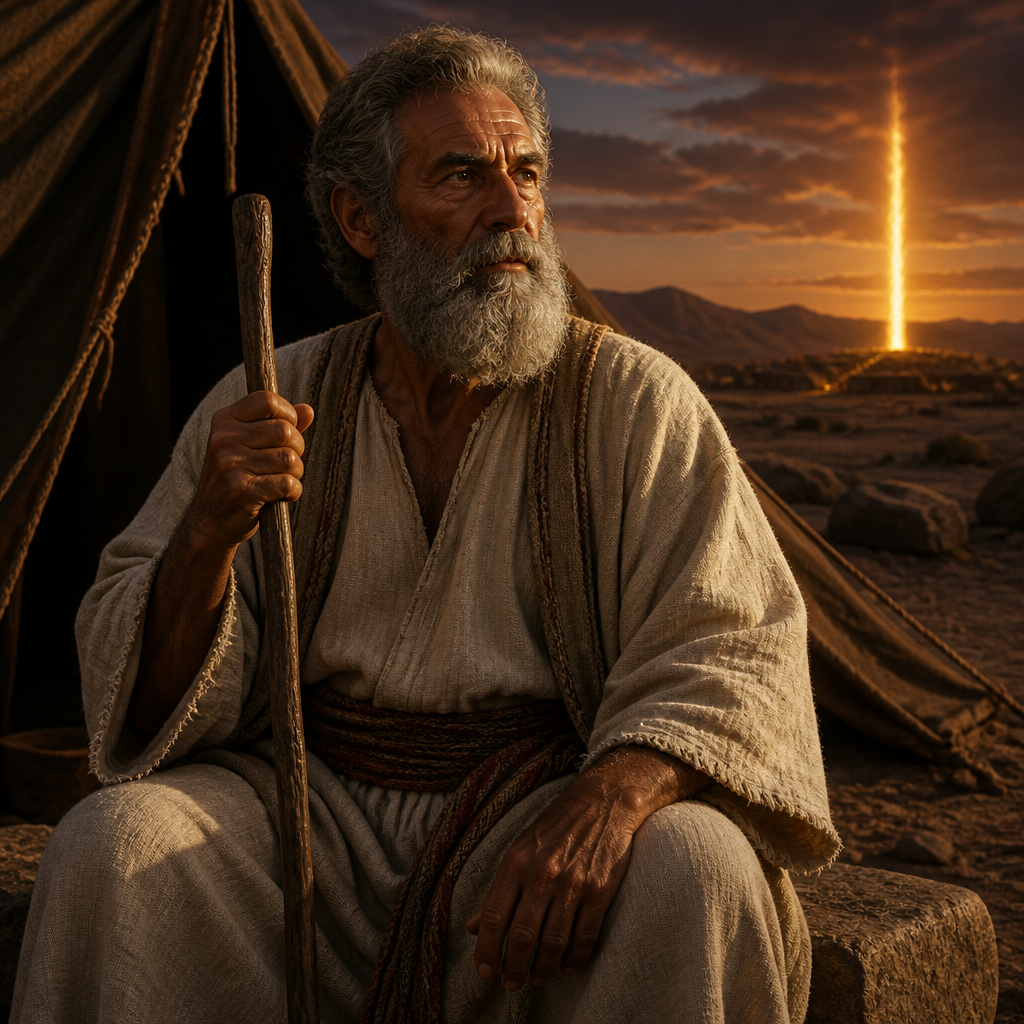 ZurishaddaiThis page
Children
 ShelumielSonNumbers 1:6Stated
Connected Figures
Family
Son · Numbers 1:6
Shelumiel was the prince and tribal leader of the Simeonites during the Exodus from Egypt and the subsequent wilderness wanderings.
Egypt and WildernessFirst: Numbers 1:65 versesMilitary CommanderSimeon
Categories
Mentions by Book
- Numbers5
Scripture References
All 5 indexed verses, in canonical order, from the Berean Standard Bible.
Numbers · 5
- Numbers 1:6
from Simeon, Shelumiel son of Zurishaddai;
- Numbers 2:12
The tribe of Simeon will camp next to it. The leader of the Simeonites is Shelumiel son of Zurishaddai,
- Numbers 7:36
On the fifth day Shelumiel son of Zurishaddai, the leader of the Simeonites, drew near.
- Numbers 7:41
and a peace offering of two oxen, five rams, five male goats, and five male lambs a year old. This was the offering of Shelumiel son of Zurishaddai.
- Numbers 10:19
Shelumiel son of Zurishaddai was over the division of the tribe of Simeon,