Helon
Who was Helon in the Bible?
A member of the tribe of Zebulun during the Exodus and father of Eliab, the tribal leader who assisted Moses in the wilderness.
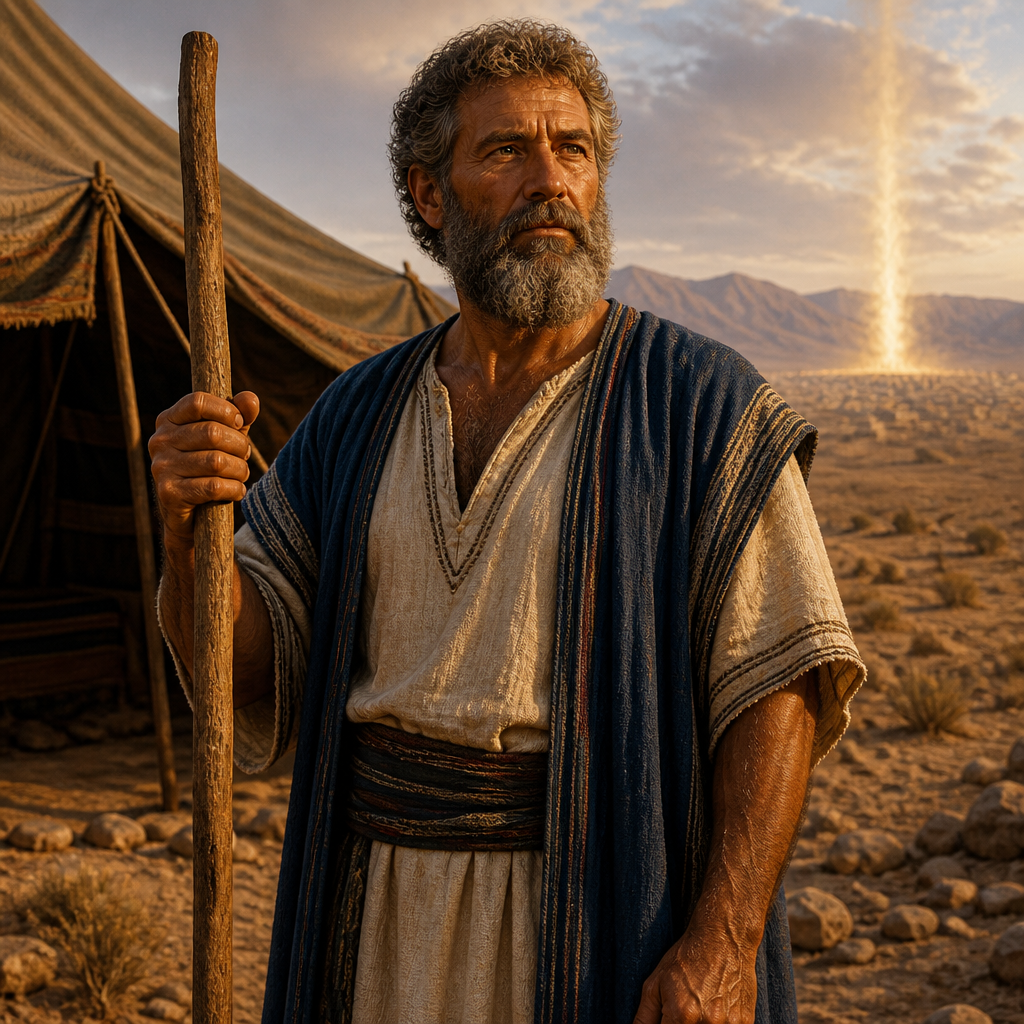
Helon was a member of the tribe of Zebulun who lived during the pivotal era of the Egyptian Sojourn and the subsequent Exodus. While Helon himself is not recorded as holding a primary leadership office, he is prominently identified as the father of Eliab, the prince or chief leader of the Zebulunites during the wilderness wanderings. His name appears within the genealogical and administrative records of the book of Numbers, serving as a vital link in the patriarchal succession of his tribe.
Helon’s significance is rooted in his status as the progenitor of a leader chosen by God to assist Moses and Aaron. As a contemporary of the generation that left Egypt, he represents the transition from the bondage of the Nile delta to the structured organization of the Israelite camp at Mount Sinai. Though the biblical record is silent on his personal actions, his legacy is preserved through the public service and ritual offerings of his son.
Background and Family
Helon belonged to the tribe of Zebulun, the descendants of the tenth son of Jacob and the sixth son of Leah. By the time of the Exodus, the tribe of Zebulun had grown into a significant military and social force within the nation of Israel. Helon’s place within this structure is defined primarily through his son, Eliab.
In the ancient Near Eastern context, a man's standing was often measured by the leadership roles attained by his offspring. The fact that Helon is mentioned five times in the book of Numbers—always as the father of the Zebulunite leader—indicates that he was a figure of recognized status within his clan. His name in Hebrew, Chelon, is often interpreted to mean "strong" or "valorous," which may reflect the character of the family line during the period of the wilderness migration.
Major Life Events
While the biblical text does not record specific biographical anecdotes for Helon, his name is inextricably linked to the organized mobilization of Israel. He is first mentioned in Numbers 1:9 during the first census taken in the Wilderness of Sinai. During this event, Moses was commanded to select one man from each tribe to assist in the census; Eliab son of Helon was the man chosen for Zebulun.
Helon is also mentioned in the context of the camp's arrangement. Under the divine instructions given to Moses, the tribe of Zebulun was assigned to the east side of the Tabernacle, under the standard of the camp of Judah. The scriptures note that "the leader of the Zebulunites is Eliab son of Helon" (Numbers 2:7). Furthermore, when the Tabernacle was dedicated, Eliab represented his father’s house by bringing a substantial offering of silver, gold, and livestock on the third day of the ceremony (Numbers 7:24, 29). The final mention of Helon occurs in Numbers 10:16, as the tribes began their march from Sinai to Paran, with Eliab leading the Zebulunite division.
Relationship to Other Biblical Figures
Helon’s primary relationship in the biblical narrative is with his son, Eliab. Eliab served as one of the twelve "princes of the tribes," a group of elite leaders who worked directly under Moses and Aaron. Through this connection, Helon’s lineage was brought into the inner circle of Israel’s administrative and religious life. As a Zebulunite, Helon was also a kinsman to the leaders of the neighboring tribes of Judah and Issachar, who together formed the eastern flank of the Israelite camp.
Spiritual Significance
The presence of Helon in the biblical record, despite the lack of personal narrative, underscores the importance of genealogy and tribal identity in the Old Testament. For the Israelites, names were not merely labels but markers of inheritance and divine promise. By preserving Helon’s name, the text affirms the continuity of the covenant promises made to the patriarchs. Helon represents the "silent generation" of the Exodus—those who may not have stood in the spotlight of prophecy or miracle-working, but whose families formed the backbone of the nation of Israel and whose children led the people toward the Promised Land.
Helon serves as a representative of the tribal continuity during the transition from Egyptian slavery to the wilderness organization. His importance lies in his fatherhood of Eliab, ensuring that the tribe of Zebulun was properly represented in the census, the dedication of the altar, and the military order of the march.
From a theological perspective, Helon’s inclusion in the repetitive lists of Numbers highlights God's attention to individual families and tribal order. It demonstrates that the leadership of Israel was rooted in specific, named households, providing a sense of historical groundedness to the account of the Exodus.
Frequently Asked Questions
Who was Helon in the Bible?
Helon was a member of the tribe of Zebulun and the father of Eliab, who served as the tribal leader (prince) during the Exodus and the wilderness wanderings.
Which tribe did Helon belong to?
Helon belonged to the tribe of Zebulun, one of the twelve tribes of Israel.
What does the name Helon mean?
The Hebrew name Helon (חֵלֹן) is generally understood to mean 'strong,' 'valorous,' or 'sandish.'
What role did Helon's son play in the wilderness?
His son, Eliab, was the leader of the Zebulunites who assisted Moses with the census and presented offerings for the dedication of the Tabernacle.
In which book of the Bible is Helon mentioned?
Helon is mentioned exclusively in the Book of Numbers, specifically in chapters 1, 2, 7, and 10.
Family & Relationships
 HelonThis page
Children
 Eliab, Leader of ZebulunSonNumbers 1:9Stated
Connected Figures
Family
Son · Numbers 1:9
Eliab son of Helon was the tribal leader and military commander of the tribe of Zebulun during the Israelites' wilderness wanderings following the Exodus from Egypt.
Egypt and WildernessFirst: Numbers 1:95 versesMilitary CommanderZebulun
Categories
Mentions by Book
- Numbers5
Scripture References
All 5 indexed verses, in canonical order, from the Berean Standard Bible.
Numbers · 5
- Numbers 1:9
from Zebulun, Eliab son of Helon;
- Numbers 2:7
Next will be the tribe of Zebulun. The leader of the Zebulunites is Eliab son of Helon,
- Numbers 7:24
On the third day Eliab son of Helon, the leader of the Zebulunites, drew near.
- Numbers 7:29
and a peace offering of two oxen, five rams, five male goats, and five male lambs a year old. This was the offering of Eliab son of Helon.
- Numbers 10:16
and Eliab son of Helon was over the division of the tribe of Zebulun.