Sithri
Who was Sithri in the Bible?
Sithri was a Levite of the Kohathite clan and a son of Uzziel, born during the Egyptian sojourn and identified in the genealogies of the Exodus.
Sithri is a figure mentioned in the Old Testament within the priestly lineage of the tribe of Levi. He appears specifically in the genealogical records provided in the book of Exodus, which serve to establish the credentials and family structures of the Israelites during their transition from bondage in Egypt to the wilderness wanderings. As a member of the Kohathite branch of the Levites, Sithri belonged to one of the most significant family lines responsible for the care of the sanctuary.
His primary biblical footprint is found in Exodus 6:22, where he is listed as one of the three sons of Uzziel. While his individual actions are not detailed in the narrative, his placement within the text highlights his status as a first cousin to Moses and Aaron, placing him at the heart of the emerging leadership structure of the nation of Israel during the 15th century BC.
Background and Family
Sithri was born into the tribe of Levi, specifically within the lineage of Kohath, who was one of the three sons of Levi. The Kohathites were uniquely designated for high-status responsibilities regarding the Tabernacle and its most sacred objects. Sithri’s father was Uzziel, the youngest of the four sons of Kohath (Exodus 6:18). This familial positioning makes Sithri a grandson of Kohath and a great-grandson of the patriarch Levi.
According to the biblical record in Exodus 6:22, Sithri’s immediate siblings were Mishael and Elzaphan (also rendered as Elizaphan). Other genealogical lists, such as those found in 1 Chronicles 23:20, expand the house of Uzziel to include brothers Micah and Isshiah, though the Exodus account focuses on the primary branch relevant to the immediate narrative of the Exodus from Egypt.
Major Life Events
The biblical record for Sithri is limited to his inclusion in the genealogy of Exodus 6. This genealogy is strategically placed in the text following God's renewal of His covenant with Moses and prior to the final confrontations with Pharaoh. It serves to validate the levitical authority of the leaders of the movement. Consequently, while the Bible does not record Sithri's specific deeds, it places him in Egypt during the period of intense labor and the subsequent miraculous deliverance of the Israelites.
Relationship to Other Biblical Figures
Sithri occupied a significant position in the social hierarchy of the Levites. His father, Uzziel, was the brother of Amram, making Sithri a first cousin to the lawgiver Moses, the high priest Aaron, and the prophetess Miriam. His brothers, Mishael and Elzaphan, are noted later in the Pentateuch for their role in removing the bodies of Nadab and Abihu from the sanctuary after they were consumed by divine fire (Leviticus 10:4). While Sithri is not explicitly mentioned in that event, he was a member of the same immediate household task-force.
Spiritual Significance
The significance of Sithri lies primarily in his role as a representative of the Kohathite legacy. The Kohathites were the family from which the priesthood emerged. By documenting Sithri's name, the biblical text emphasizes the preservation of the covenant family through the years of Egyptian slavery. His name, which may be derived from a Hebrew root meaning "my hiding place" or "my protection," reflects the cultural and spiritual climate of a people seeking refuge in their God during a time of national transition and divine revelation.
Sithri's inclusion in the Exodus genealogy serves to underscore the divine organization of the tribe of Levi. His presence in the text ensures the legal and ancestral continuity of the Kohathite line, which was entrusted with the most holy elements of the Tabernacle. Historically, he represents the generation that witnessed the transition from Egyptian bondage to the freedom of the wilderness.
Theologically, Sithri reminds the reader that within the broad narrative of Israel's salvation, individual families were recognized and recorded by name. His familial proximity to Moses and Aaron highlights the collaborative nature of the Levite leadership during the formative years of the Israelite religious system.
Frequently Asked Questions
Who was Sithri's father?
Sithri was the son of Uzziel, who was a son of Kohath and the grandson of Levi.
What tribe did Sithri belong to?
Sithri belonged to the tribe of Levi, specifically the clan of the Kohathites.
How many times is Sithri mentioned in the Bible?
Sithri is mentioned exactly once in the Bible, in Exodus 6:22.
Who were Sithri's famous cousins?
Sithri was the first cousin of Moses, Aaron, and Miriam, as their fathers (Amram and Uzziel) were brothers.
What does the name Sithri mean?
The name is often interpreted as meaning 'my hiding place' or 'protective' in Hebrew.
Family & Relationships
Parents
 Uzziel, Son of KohathFatherExodus 6:22Stated
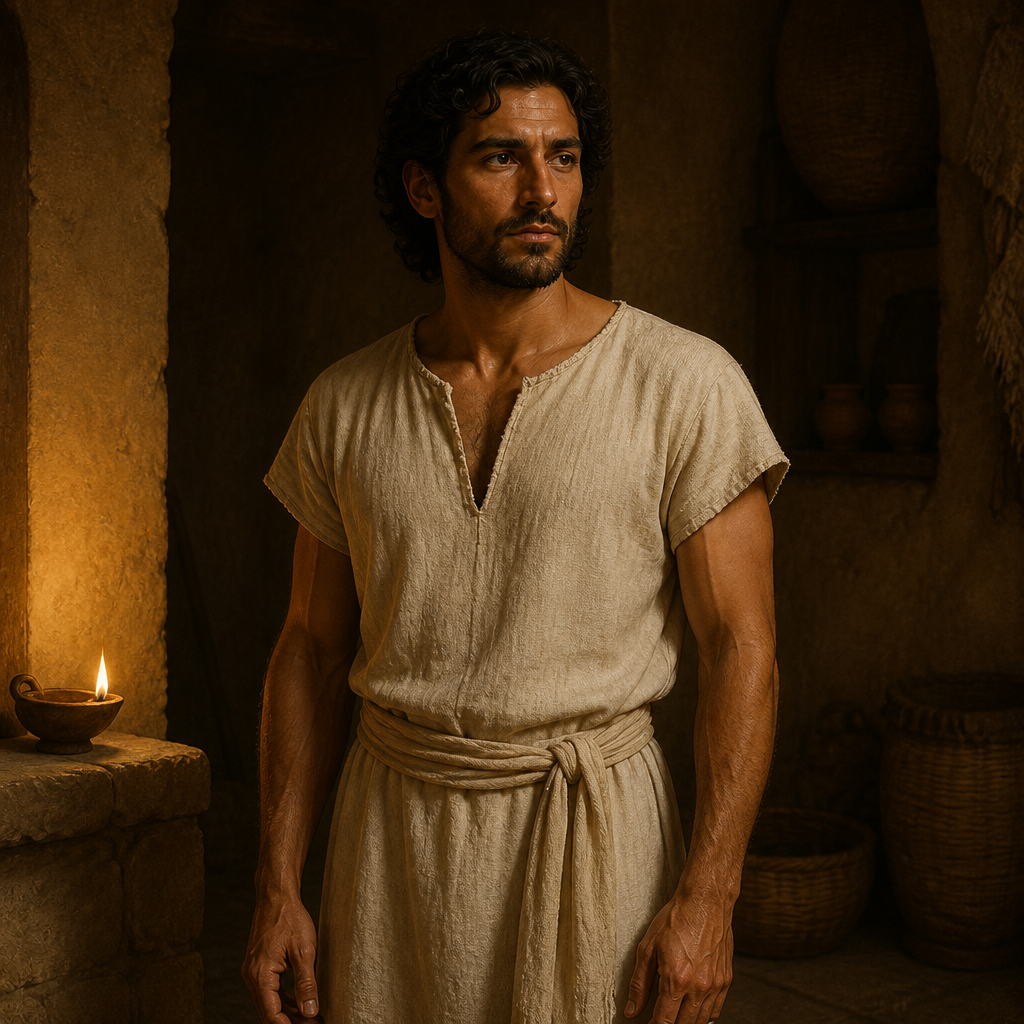 SithriThis page
 Mishael, Son of UzzielBrotherExodus 6:22Stated
 Elizaphan, Son of UzzielBrotherExodus 6:22Stated
 Isshiah, Son of UzzielBrotherExodus 6:22
Inferred
Reconstructed through Uzziel: 1 Chronicles 23:20 ties Isshiah to Uzziel; Exodus 6:22 ties Uzziel to Sithri. No verse states the brother link between Isshiah and Sithri directly.Evidence: Exodus 6:22; 1 Chronicles 23:20
 Micah, Son of UzzielBrotherExodus 6:22
Inferred
Reconstructed through Uzziel: 1 Chronicles 23:20 ties Micah to Uzziel; Exodus 6:22 ties Uzziel to Sithri. No verse states the brother link between Micah and Sithri directly.Evidence: Exodus 6:22; 1 Chronicles 23:20
Extended family
 MosesRelativeExodus 2:10
Inferred
Reconstructed through Amram and Uzziel: Exodus 6:20 ties Moses to Amram; Exodus 6:18 ties Amram to Uzziel; Exodus 6:22 ties Uzziel to Sithri. No verse states the relative link between Moses and Sithri directly.Evidence: Exodus 2:10
Connected Figures
Family
Father · Exodus 6:22
A prominent Levite of the Kohathite branch and paternal uncle to Moses and Aaron during the Egyptian Sojourn and Exodus.
Brother · Exodus 6:22
A Levite during the Exodus who was tasked by Moses to remove the bodies of Nadab and Abihu from the sanctuary after they were struck down by God.
Brother · Exodus 6:22
A Levite leader of the Kohathite clan during the Exodus who served as a chief under Moses and performed the solemn duty of removing Nadab and Abihu from the sanctuary.
Egypt and WildernessFirst: Leviticus 10:44 versesLeader of the KohathitesLevi
Brother · Exodus 6:22
Isshiah was a Levite of the Kohathite clan and the son of Uzziel, recognized as a family head during the reorganization of the sanctuary service.
Egypt and WildernessFirst: 1 Chronicles 23:203 versesLevite head of a paternal houseLevi
Brother · Exodus 6:22
A Levite of the Kohathite clan and the firstborn son of Uzziel, appointed to organized service within the Tabernacle during the wilderness period.
Egypt and WildernessFirst: 1 Chronicles 23:204 versesLevite leaderLevi
Relative · Exodus 2:10
The preeminent prophet and lawgiver of Israel who led the Hebrews out of Egyptian bondage and mediated the Covenant at Mount Sinai.
Egypt and WildernessFirst: Exodus 2:10844 versesProphet, Judge, and LawgiverLevi
Categories
Mentions by Book
- Exodus2
- 1 Chronicles1
Scripture References
All 3 indexed verses, in canonical order, from the Berean Standard Bible.
Exodus · 2
- Exodus 2:10Partial
When the child had grown older, she brought him to Pharaoh’s daughter, and he became her son. She named him Moses and explained, “I drew him out of the water.”
Cited as evidence on a family card; added so References, Key Verses and Mentions by Book share one index.
- Exodus 6:22
The sons of Uzziel were Mishael, Elzaphan, and Sithri.
1 Chronicles · 1
- 1 Chronicles 23:20Partial
The sons of Uzziel: Micah was the first and Isshiah the second.
Cited as evidence on a family card; added so References, Key Verses and Mentions by Book share one index.