Shaphat, Spy of Simeon
A tribal leader from Simeon chosen as one of the twelve spies to scout the land of Canaan during the Israelite wilderness journey.
Shaphat, son of Hori, was a prominent figure within the tribe of Simeon during the final year of the Israelite sojourn in the wilderness. As the nation transitioned from Egyptian bondage toward the conquest of their promised inheritance, Shaphat was selected by Moses to represent his tribe in one of the most pivotal reconnaissance missions in biblical history.
His inclusion in the census of leaders in Numbers 13 indicates he held a position of significant authority and trust among the Simeonites. Along with eleven other tribal representatives, Shaphat was tasked with assessing the strength of Canaan's inhabitants and the fertility of the land, a mission that would ultimately determine the immediate fate of the entire Hebrew generation.
Background and Family
Shaphat was a member of the tribe of Simeon, the second son of the patriarch Jacob by his wife Leah. According to the genealogical record in Numbers 13:5, Shaphat was the son of Hori. While the text does not provide further details regarding Hori’s lineage or career, the selection of Shaphat as a tribal representative suggests a family of recognized standing within the Simeonite social structure. As a leader among his peers, Shaphat would have been a man of mature age and proven capability, fit for the rigors of a forty-day covert operation in hostile territory.
Major Life Events
The defining event of Shaphat’s life occurred when the Israelites reached the Wilderness of Paran. Under divine command, Moses selected one man from each of the twelve tribes to go up into Canaan. Shaphat was the specific choice for the tribe of Simeon. The objective was to "see what the land is like" and whether the people living there were "strong or weak, few or many" (Numbers 13:18).
Shaphat and his colleagues traveled through the Negev and into the hill country, reaching as far north as Lebo-hamath. They observed the fortified cities and the agricultural wealth of the region, famously returning with a cluster of grapes so large it required two men to carry it on a pole. However, despite the land's abundance, the majority of the spies—including, by implication of the corporate report, Shaphat—became intimidated by the stature of the inhabitants, specifically the descendants of Anak.
Relationship to Other Biblical Figures
Shaphat served directly under the leadership of Moses and worked alongside famous biblical figures such as Joshua (representing Ephraim) and Caleb (representing Judah). While Joshua and Caleb famously dissented from the majority, urging the people to trust God and take the land, Shaphat is grouped with the other nine spies who brought back a "bad report." This report claimed that the land "devours its inhabitants" and that the Israelites seemed like "grasshoppers" in comparison to the giants of Canaan (Numbers 13:32-33).
Spiritual Significance
Though Shaphat’s personal dialogue is not recorded, his role is central to the narrative of Israel’s failure of faith at Kadesh-barnea. As a tribal leader, his lack of courage contributed to the national panic that led the Israelites to rebel against Moses and Aaron. Because he was part of the group that spread fear rather than faith, Shaphat is understood to be among those who were barred from entering the Promised Land. His life serves as a sobering example of how leadership carries the heavy responsibility of influencing a community's spiritual direction. His death, recorded generally for the ten faithless spies, occurred by a plague before the Lord (Numbers 14:37), marking the beginning of the forty-year wandering period.
Spiritual Significance
Shaphat represents the critical failure of tribal leadership during the Exodus generation. His appointment as a spy highlights that even those chosen for high office and recognized for their status can falter in their spiritual duties. His participation in the majority report led to a catastrophic delay in Israel's history, resulting in the death of an entire generation in the wilderness.
In a broader theological context, Shaphat serves as a foil to figures like Caleb. While he possessed the same physical evidence of God's provision in the land, he lacked the spiritual vision to see past the physical obstacles. His inclusion in the sacred text ensures a permanent record of the names of those who stood at the threshold of the promise but turned back in fear.
Frequently Asked Questions
Which tribe did Shaphat belong to?
Shaphat was a member and leader of the tribe of Simeon.
Who was Shaphat's father?
He is identified in the Bible as the son of Hori.
What was Shaphat's primary mission in the Bible?
He was one of the twelve spies sent by Moses to scout out the land of Canaan for forty days.
Did Shaphat enter the Promised Land?
No. As one of the spies who brought back a negative report and caused the people to fear, he died in the wilderness by a plague.
Where is Shaphat mentioned in the Bible?
His name and lineage are specifically recorded in Numbers 13:5.
Connected Figures
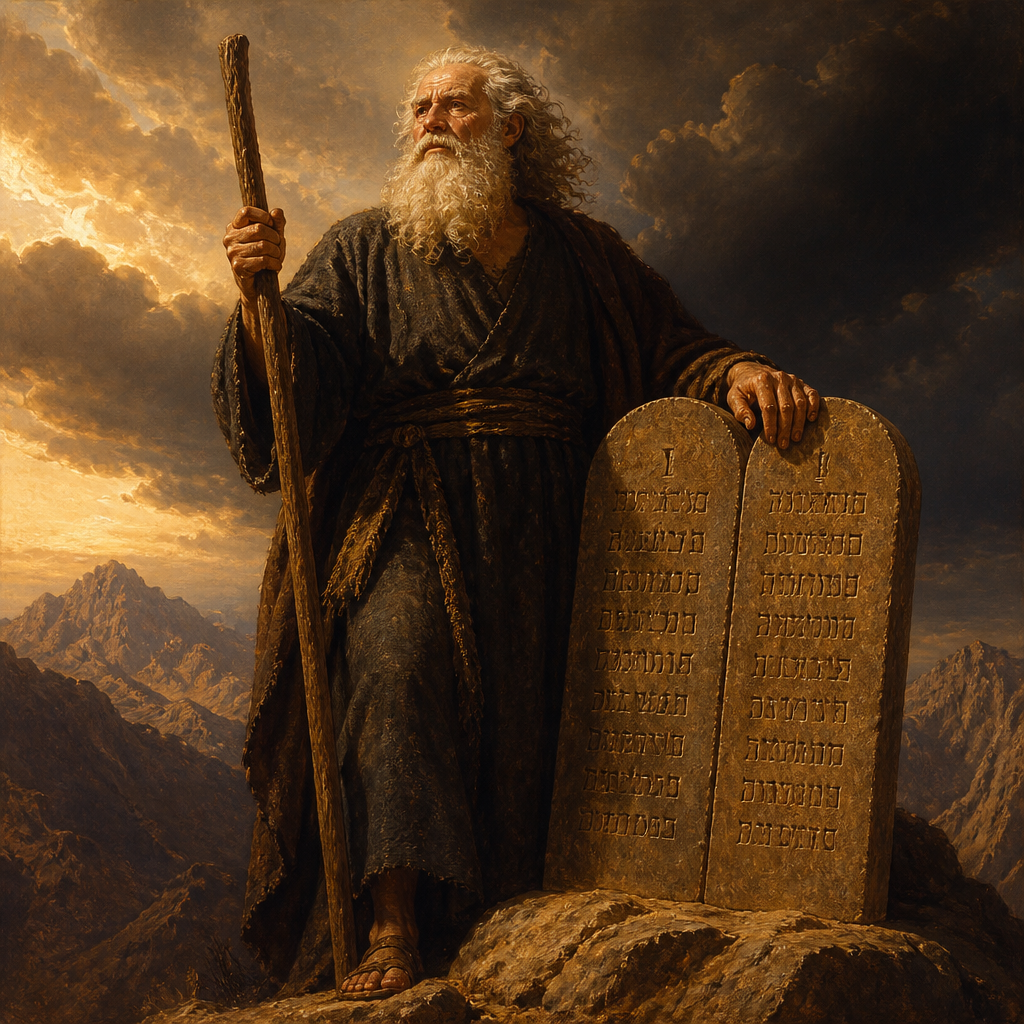
Moses
Leader who commissioned Shaphat
Hori
Father
Joshua
Fellow spy from Ephraim
Caleb
Fellow spy from Judah
Categories
Mentions by Book
- Numbers1
Family & Relationships
Parent
Numbers 13:5
Others Named Shaphat
Shaphat, Official of David1 Chronicles 27:29
Shaphat, son of Adlai, was a high-level administrative official in King David's government responsible for the royal herds in the valleys.
Shaphat of Gad1 Chronicles 5:12
A leader or prominent inhabitant of the tribe of Gad who resided in the region of Bashan during the Divided Monarchy.
Shaphat, Son of Shemaiah1 Chronicles 3:22
Shaphat was a descendant of King David through the royal lineage of Solomon, identified as one of the six sons of Shemaiah in the post-exilic genealogical records of Judah.
Shaphat, Father of Elisha1 Kings 19:16
Shaphat was a man of Abel-meholah and the father of the prophet Elisha, notable for his wealth and his support of his son's prophetic call during the Divided Monarchy.