Sered
Who was Sered in the Bible?
The firstborn son of Zebulun and the ancestral founder of the Seredite clan within the tribe of Zebulun.
Sered was a prominent member of the patriarchal generation that migrated from Canaan to Egypt during the severe famine of the late seventeenth or early sixteenth century BC. As the eldest son of Zebulun, he occupied a position of genealogical seniority within his family unit. His life spans the transition from the independent patriarchal era to the structured tribal society that would eventually emerge from the Egyptian sojourn.
Historically, Sered represents the bridge between the family of Jacob and the organized nation of Israel. While his personal biography is not extensively detailed in the biblical narrative, his name is preserved in the official census records, ensuring that his lineage remained identifiable throughout the centuries of slavery in Egypt and the subsequent forty-year wilderness wandering under the leadership of Moses.
Background and Family
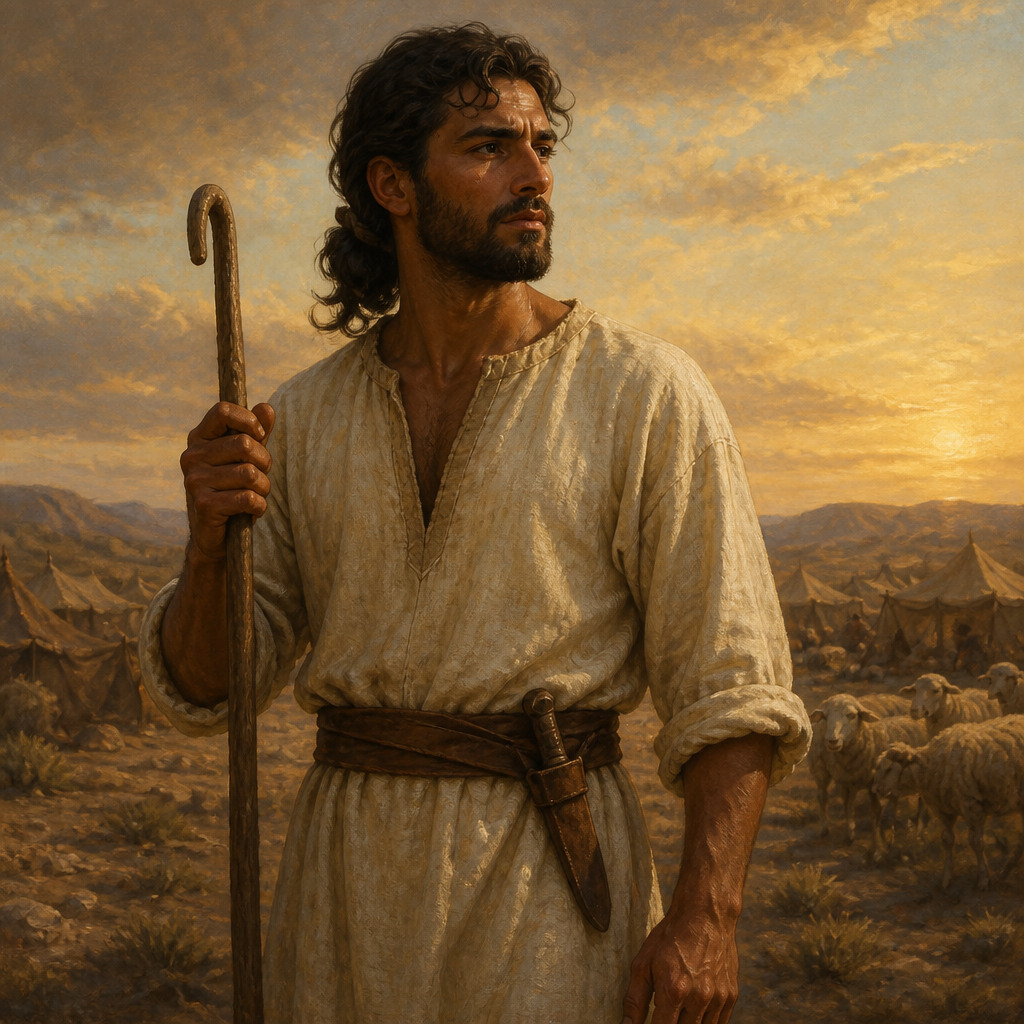
Sered is introduced in the biblical record as the firstborn son of Zebulun, who was the tenth son of Jacob and the sixth son of Leah. According to the genealogical records in Genesis 46:14, Sered was one of the seventy members of Jacob’s household who entered Egypt. He had two younger brothers, Elon and Jahleel. As the eldest son, Sered would have carried significant responsibility within the household of Zebulun, likely assisting in the management of the family’s flocks and the welfare of the expanding clan.
His upbringing occurred in the land of Canaan, but the defining event of his early adulthood was the relocation to Egypt to escape the famine. This move placed Sered and his brothers under the protection of their uncle Joseph, who was then serving as the second-in-command to Pharaoh. This familial connection provided Sered and his descendants with a period of relative prosperity and safety in the land of Goshen.
Major Life Events
The most significant recorded transition in Sered's life was the migration from the land of his birth to Egypt. This journey represented the fulfillment of divine promise while also setting the stage for the eventual enslavement of his descendants. Although the text does not record his specific deeds, his inclusion in the list of those who went down to Egypt (Genesis 46:14) establishes his legal and spiritual status as a direct recipient of the Abrahamic covenant.
Centuries later, the name of Sered appears again in the Book of Numbers. During the second census of the Israelites, conducted on the plains of Moab near the end of the wilderness wandering (Numbers 26:26), Sered is identified as the progenitor of the "Seredite clan." This mention confirms that despite the harsh conditions of the Egyptian bondage and the subsequent exodus, the line of Sered not only survived but flourished into a distinct and recognizable sub-group within the Tribe of Zebulun.
Relationship to Other Biblical Figures
Sered’s primary identity is defined by his relationship to his father, Zebulun. In the patriarchal culture, the firstborn son was the heir to the father's blessing and a double portion of the inheritance. Sered lived alongside his brothers, Elon and Jahleel, and was part of the larger network of Jacob’s grandchildren. His life would have been influenced by the leadership of his uncles and the spiritual heritage passed down from his grandfather Jacob. As a member of the generation that personally knew the patriarchs, Sered served as a witness to the transition from a nomadic family to a settled clan in Egypt.
Spiritual Significance
While the biblical record of Sered is brief, his presence in the genealogies serves a vital theological purpose. The inclusion of his name in both the migration list (Genesis) and the census list (Numbers) underscores the theme of divine preservation. It demonstrates that God kept His promise to make Jacob’s descendants into a great nation. Sered is a testament to the continuity of the covenant; even in silence, his name represents a link in the chain of redemption history that leads from the patriarchs to the establishment of Israel in the Promised Land.
Sered's significance lies in his role as a foundational patriarch of a clan within the Tribe of Zebulun. His name in the census records of Numbers 26:26 confirms the fulfillment of God's promise to Abraham regarding the multiplication of his descendants. By maintaining his identity through the Seredite clan, his lineage contributed to the overall strength and organization of the Israelite camp during the Exodus and the eventual conquest of Canaan.
Theologically, Sered represents the individual within the mass of the nation. Though his personal exploits are unrecorded, his existence is validated by his placement in the sacred record. For the biblical authors, the preservation of names like Sered served to prove that the God of Israel was a God of history who remembered each specific branch of the family of Jacob throughout their long exile and subsequent liberation.
Frequently Asked Questions
Who was Sered's father?
Sered was the eldest son of Zebulun, making him a grandson of the patriarch Jacob and his wife Leah.
What tribe did Sered belong to?
Sered belonged to the Tribe of Zebulun, one of the twelve tribes of Israel.
What is the name of the clan founded by Sered?
He founded the Seredite clan (also known as the Sardites in some translations), as recorded in Numbers 26:26.
Did Sered live in Egypt?
Yes, Genesis 46:14 lists Sered among the members of Jacob's family who moved from Canaan to Egypt during the time of Joseph.
Who were Sered's brothers?
His brothers were Elon and Jahleel, who also founded their own respective clans within the Tribe of Zebulun.
Family & Relationships
Parents
 ZebulunFatherGenesis 46:14Stated
 SeredThis page
 Elon, Son of ZebulunBrotherGenesis 46:14Stated
 JahleelBrotherGenesis 46:14Stated
Connected Figures
Family
Father · Genesis 46:14
Zebulun was the tenth son of Jacob and the sixth and final son born to Leah, serving as the eponymous patriarch of one of the twelve tribes of Israel.
PatriarchsFirst: Genesis 30:2011 versesPatriarchZebulun
Brother · Genesis 46:14
Elon was the second son of Zebulun and the founding patriarch of the Elonite clan during the Israelite sojourn in Egypt and the subsequent wilderness wanderings.
Egypt and WildernessFirst: Genesis 46:142 versesPatriarchal Clan HeadZebulun
Brother · Genesis 46:14
Jahleel was the third son of Zebulun and the ancestral founder of the Jahleelite clan within the tribe of Zebulun.
Egypt and WildernessFirst: Genesis 46:142 versesshepherdZebulun
Categories
Mentions by Book
- Genesis1
- Numbers1
Scripture References
All 2 indexed verses, in canonical order, from the Berean Standard Bible.
Genesis · 1
- Genesis 46:14
The sons of Zebulun: Sered, Elon, and Jahleel.
Numbers · 1
- Numbers 26:26
These were the descendants of Zebulun by their clans: The Seredite clan from Sered, the Elonite clan from Elon, and the Jahleelite clan from Jahleel.