Elon, Son of Zebulun
Who was Elon, Son of Zebulun, in the Bible?
Elon was the second son of Zebulun and the founding patriarch of the Elonite clan during the Israelite sojourn in Egypt and the subsequent wilderness wanderings.
This is one of 3 people named Elon in the Bible. See all 3 →
Elon, a figure appearing in the early genealogical records of the nation of Israel, was the second of three sons born to Zebulun. As a grandson of the patriarch Jacob and his wife Leah, Elon represents a foundational link in the tribal structure of Israel during its formative transition from a large family in Canaan to a burgeoning nation within the land of Egypt.
Though the biblical record provides no narrative dialogue or specific personal exploits for Elon, his inclusion in the sacred registers serves a vital purpose. He is identified as one of the original seventy members of Jacob’s household who descended into Egypt to escape famine, and he is later recognized as the source of a distinct and enduring clan that survived the centuries of Egyptian bondage and the rigors of the Exodus.
Background and Family
Elon was born as the second son of Zebulun, the tenth son of Jacob and the sixth son of Leah (Genesis 46:14). According to the biblical chronology, Elon was part of the immediate family of Jacob that migrated from the land of Canaan to Egypt during the second year of the great famine, following the revelation that Joseph was alive and serving as the governor of Egypt.
He grew up alongside his two brothers, Sered and Jahleel. Together, these three siblings formed the primary branches of the tribe of Zebulun. As a member of the patriarchal generation that entered Egypt, Elon would have witnessed the final years of his grandfather Jacob and his uncle Joseph, living in the fertile region of Goshen as the family grew into a tribal entity.
Major Life Events
The life of Elon is marked by two significant biblical milestones recorded in the Torah. The first occurs in Genesis 46, where Elon is listed among the "seventy souls" who entered Egypt. This placement establishes his status as an ancestral head of the nation. His arrival in Egypt marks the beginning of the four-hundred-year period of growth and eventual enslavement described in the book of Exodus.
The second major mention of Elon occurs in Numbers 26:26, during the census taken on the plains of Moab near the end of the forty-year wilderness wandering. In this record, Elon is identified as the progenitor of the "Elonite clan." This indicates that despite the hardships of the Egyptian sojourn and the mortality of the first generation in the desert, Elon’s direct descendants flourished and maintained a distinct identity within the tribal allotment of Zebulun.
Relationship to Other Biblical Figures
Elon’s primary significance is relational. He is defined by his lineage as the son of Zebulun and his fraternity with Sered and Jahleel. In the broader scope of Israelite history, he is a nephew to prominent figures such as Judah, Levi, and Joseph. Within the tribal structure of Zebulun, Elon stands as one of the three pillars upon which the tribe’s population and military strength were built. His name appears alongside his brothers in every mention, suggesting a unified tribal origin centered around these three familial lines.
Spiritual Significance
While the text does not elaborate on Elon’s personal character, his presence in the genealogies of Genesis and Numbers highlights the theme of divine preservation. Elon represents the bridge between the promise given to the patriarchs in Canaan and the fulfillment of that promise as a great nation preparing to enter the Promised Land.
The sons of Zebulun: Sered, Elon, and Jahleel. (Genesis 46:14)
His inclusion in the census of Numbers 26 demonstrates that he was not merely a historical footnote, but a successful patriarch whose name continued to define a community of thousands centuries after his death. The Elonite clan, derived from his name, remained a recognized division of the people of God, illustrating the biblical emphasis on heritage and the continuity of the covenant through specific, named individuals.
Elon’s primary theological and historical significance lies in his role as a tribal progenitor. By being listed in the Genesis 46 genealogy, he is counted among the chosen seed that survived the famine through God's providence in Egypt. His reappearance in the Numbers census as the head of the Elonite clan underscores the theme of God's faithfulness to increase the descendants of Abraham as the stars of the sky. In the biblical worldview, Elon serves as a vital link in the chain of identity that allowed the Israelites to maintain their tribal structure through centuries of foreign residence and transition.
Frequently Asked Questions
Who was Elon's father?
Elon was the son of Zebulun, who was the tenth son of the patriarch Jacob.
What tribe did Elon belong to?
Elon belonged to the Tribe of Zebulun and was one of its primary ancestral founders.
How many siblings did Elon have?
The Bible specifically mentions two brothers of Elon: Sered and Jahleel.
Did Elon enter Egypt with Jacob?
Yes, Elon is listed in Genesis 46:14 as one of the family members who migrated from Canaan to Egypt during the time of Joseph.
What clan descended from Elon?
The Elonites (or the Elonite clan) descended from him, as recorded in the census in the Book of Numbers.
Family & Relationships
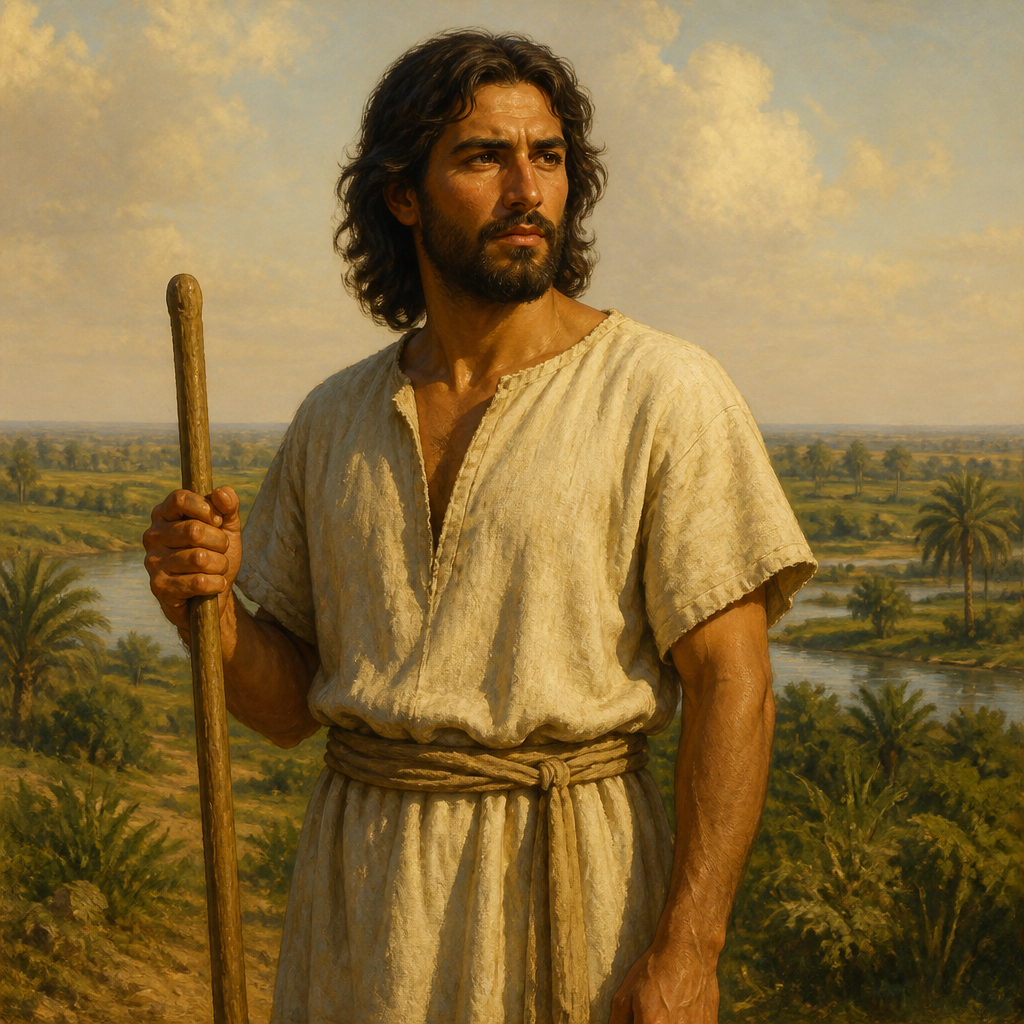
Connected Figures
Family

Father · Genesis 46:14
Zebulun was the tenth son of Jacob and the sixth and final son born to Leah, serving as the eponymous patriarch of one of the twelve tribes of Israel.
PatriarchsFirst: Genesis 30:2011 versesPatriarchZebulun

Brother · Genesis 46:14
Jahleel was the third son of Zebulun and the ancestral founder of the Jahleelite clan within the tribe of Zebulun.
Egypt and WildernessFirst: Genesis 46:142 versesshepherdZebulun

Brother · Genesis 46:14
The firstborn son of Zebulun and the ancestral founder of the Seredite clan within the tribe of Zebulun.
Egypt and WildernessFirst: Genesis 46:142 versesPatriarchal Clan LeaderZebulun
Categories
Mentions by Book
- Genesis1
- Numbers1
Scripture References
All 2 indexed verses, in canonical order, from the Berean Standard Bible.
Genesis · 1
- Genesis 46:14
The sons of Zebulun: Sered, Elon, and Jahleel.
Numbers · 1
- Numbers 26:26
These were the descendants of Zebulun by their clans: The Seredite clan from Sered, the Elonite clan from Elon, and the Jahleelite clan from Jahleel.
Others Named Elon
Compare all 3 bearers →Elon the HittiteGenesis 26:34
Elon the Hittite was a Canaanite patriarch and the father of Basemath (also called Adah), who became one of the wives of the biblical patriarch Esau.
Elon the ZebuluniteJudges 12:11
Elon the Zebulunite was the tenth judge of Israel, governing the nation for ten years during the period of the Judges.