Rekem, King of Midian
One of the five kings of Midian who was defeated and executed by the Israelites during the final stages of the Exodus wanderings.
Rekem was a prominent ruler of the Midianite people during the late 14th century BC. He is identified in the biblical record as one of five kings who governed the region of Midian, a territory located primarily in the northwestern Arabian Peninsula and the Sinai region. His reign coincided with the Israelites' arrival at the plains of Moab near the end of their forty-year wilderness journey.
Rekem’s primary historical significance is tied to his opposition to the nation of Israel and his subsequent death during a punitive military campaign led by Moses. As a vassal or ally of the Amorite king Sihon, Rekem represented the regional political forces that sought to obstruct Israelite progress toward the Promised Land. His life and death serve as a record of the shifting geopolitical landscape in the Transjordan during the transition from the Bronze Age to the Iron Age.
Background and Family
Rekem was a monarch of the Midianites, a nomadic or semi-nomadic group descended from Abraham through his wife Keturah. The biblical text provides no specific genealogical details regarding Rekem’s lineage, nor does it name his predecessors or children. However, he is consistently grouped with four other Midianite leaders: Evi, Zur, Hur, and Reba. These five are collectively referred to as the 'kings of Midian' in the Book of Numbers and as 'chiefs' or 'princes' of Sihon in the Book of Joshua.
The socio-political structure of Midian at this time appears to have been a confederation of five distinct clans or tribes, each led by one of these rulers. Rekem functioned as a sovereign within his own sphere but operated in alliance with his peers, particularly under the overarching influence of the Amorite kingdom of Sihon, which dominated the plateau region east of the Jordan River.
Major Life Events
The most significant event recorded in Rekem’s life is the war between Israel and Midian described in Numbers 31. This conflict was precipitated by the 'matter of Peor,' in which Midianite and Moabite women, acting on the advice of the prophet Balaam, enticed Israelite men into idolatry and sexual immorality. This resulted in a divine plague upon Israel, leading God to command Moses to 'avenge the Israelites on the Midianites.'
Moses dispatched a force of 12,000 men (1,000 from each tribe) under the leadership of Phinehas the priest. The biblical account specifies that during this campaign, the Israelite forces slew all the males of the Midianite tribes they encountered. Among the high-profile casualties were Rekem and his four royal colleagues. The text in Numbers 31:8 notes that they were 'slain among the rest of their slain,' indicating that Rekem died on the battlefield or during the immediate aftermath of the Midianite defeat.
Relationship to Other Biblical Figures
While Rekem has no recorded family members in the biblical dataset, he is inextricably linked to the four other kings of Midian: Evi, Zur, Hur, and Reba. The five names appear together in both Numbers and Joshua, suggesting they acted as a unified council or military coalition. Furthermore, the Book of Joshua clarifies his political standing by describing him as a 'prince of Sihon.' This indicates that Rekem was likely a vassal to Sihon, the Amorite king of Heshbon, paying tribute or providing military support to the Amorites in exchange for regional autonomy.
Rekem is also linked chronologically to the prophet Balaam. Both the Midianite kings and Balaam were executed in the same military operation, highlighting their shared complicity in the spiritual subversion of the Israelite camp at Shittim.
Spiritual Significance
In the biblical narrative, Rekem serves as a representative of the forces opposing the fulfillment of the Abrahamic covenant. As a king of Midian, he presided over a culture that posed a significant spiritual threat to Israel through the introduction of Baal worship. The execution of Rekem is presented not merely as a political conquest but as a divine judgment (the 'vengeance of the Lord') against those who sought to lead Israel into apostasy.
His mention in Joshua 13:21, which details the division of the land among the tribes of Israel, serves as a legal and historical marker. By recording the deaths of Rekem and his peers, the text validates Israel’s claim to the Transjordanian territories, demonstrating that the previous rulers had been removed by divine mandate and military victory, thus clearing the way for the inheritance of the Reubenites and other tribes.
Spiritual Significance
Rekem’s significance lies in his role as a regional adversary during Israel’s final approach to Canaan. His death, alongside the other four kings of Midian, marked the end of the Midianite threat that had caused a catastrophic plague within the Israelite camp. The mention of his name in the context of land distribution in Joshua 13 reinforces the theme of God’s sovereignty over the nations and the systematic removal of those who stood against the establishment of the Israelite theocracy.
Furthermore, Rekem represents the intersection of political and spiritual warfare. His alliance with Sihon and his involvement in the events leading to the incident at Peor illustrate the dangers of syncretism and foreign influence that the Pentateuch warns against. The thoroughness of his defeat is used in the biblical record to demonstrate the totality of the victory granted to Israel when they acted under divine command.
Frequently Asked Questions
Who was Rekem?
Rekem was one of the five kings of Midian who ruled during the time of Moses and the Israelite wilderness wanderings.
How did Rekem die?
Rekem was killed by the sword during a military campaign led by the Israelites, as recorded in Numbers 31:8.
What was Rekem's relationship to King Sihon?
According to Joshua 13:21, Rekem and the other Midianite kings were 'princes of Sihon,' suggesting they were vassals or allies of the Amorite king.
Where did Rekem rule?
He ruled in the region of Midian, specifically in the plateau areas east of the Jordan River and near the Sinai Peninsula.
Why did the Israelites attack Rekem?
The attack was a divine command to avenge the Israelites for the Midianites' role in leading Israel into idolatry at Baal-peor.
Connected Figures
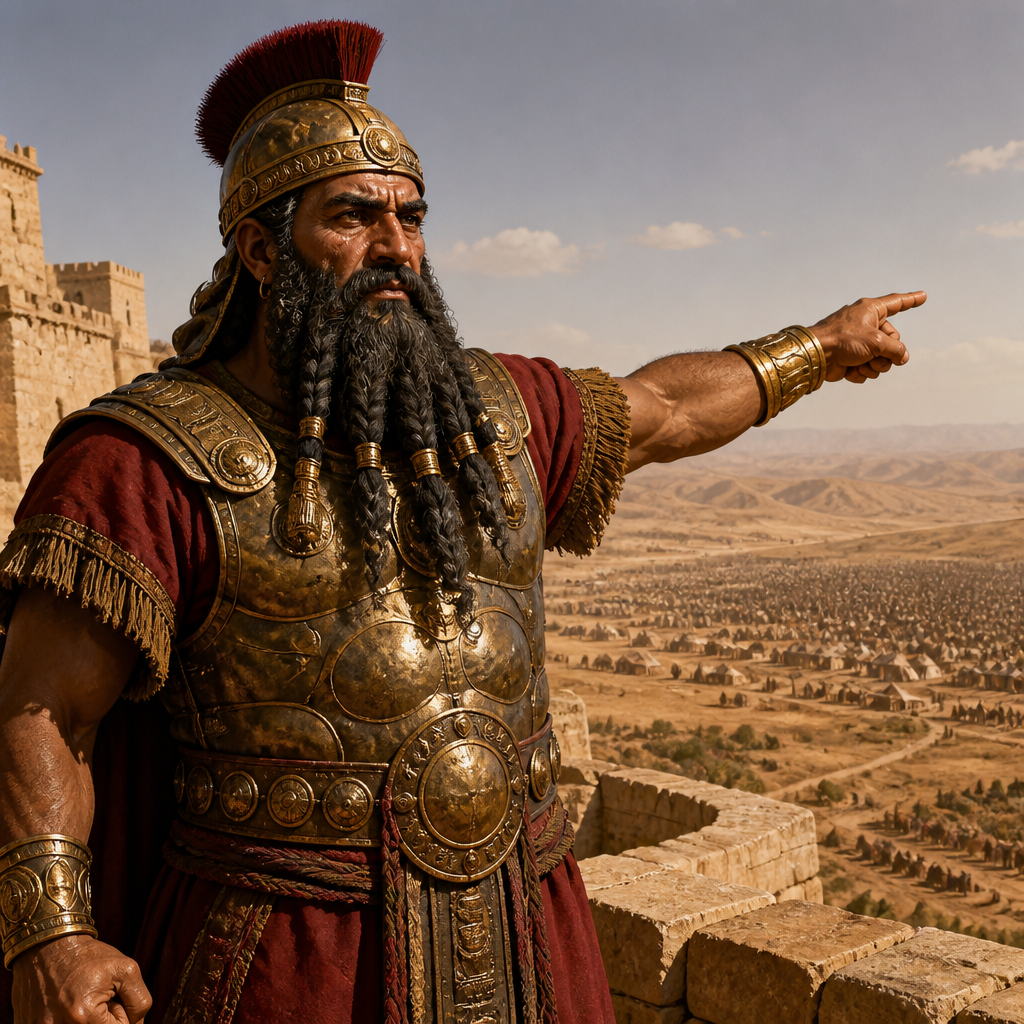
Sihon
Overlord or Ally
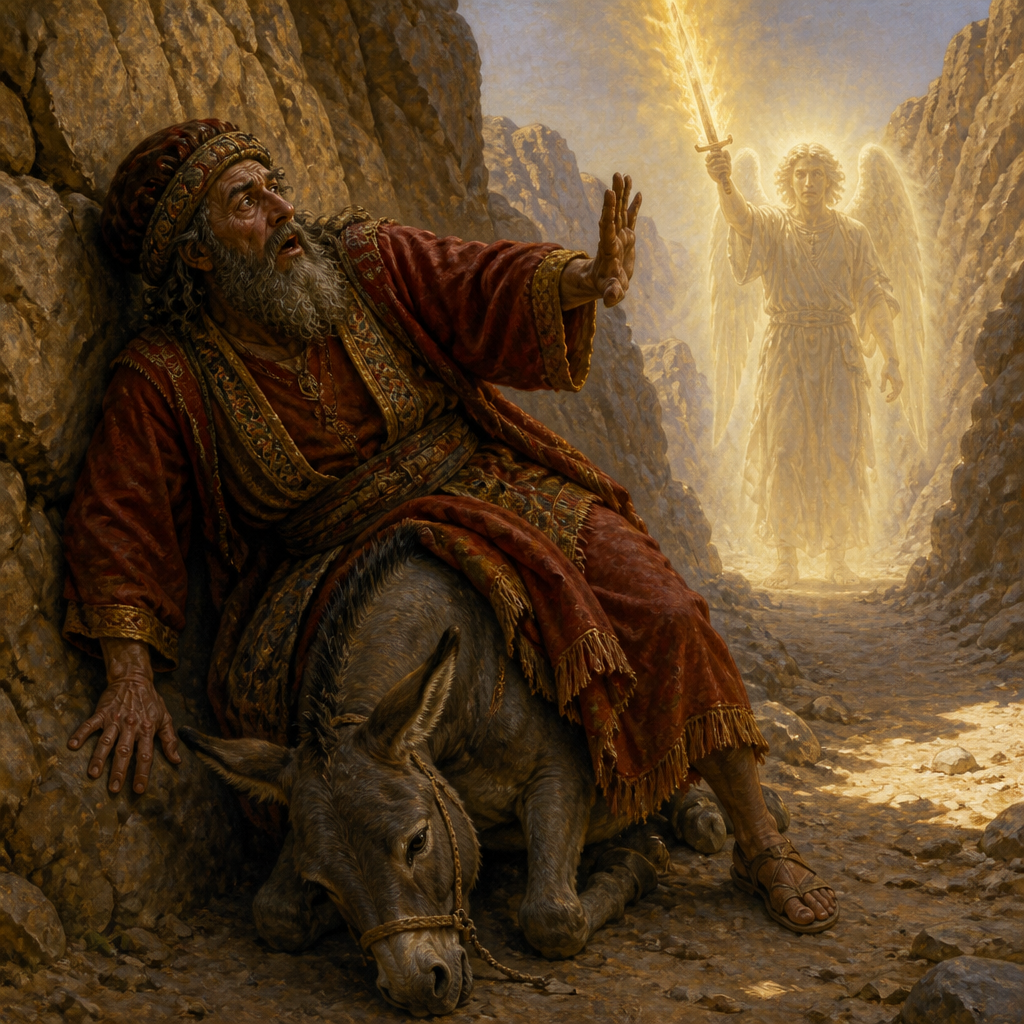
Balaam
Co-conspirator against Israel

Moses
Adversary and Conqueror

Evi
Fellow King of Midian
Categories
Mentions by Book
- Joshua1
- Numbers1
Others Named Rekem
Rekem, Son of Hebron1 Chronicles 2:43
A descendant of Caleb within the tribe of Judah who served as a significant clan head during the era of the Divided Monarchy.