Muppim
Who was Muppim in the Bible?
A son of Benjamin and grandson of Jacob, recognized as a tribal ancestor during the Egyptian sojourn and the later wilderness census.
Muppim was a member of the Tribe of Benjamin who lived during the pivotal transition of the Israelites from Canaan to Egypt. As one of the sons of Benjamin, he is listed among the seventy members of Jacob’s household who migrated to Egypt to escape the famine, as recorded in the book of Genesis. His inclusion in these genealogies marks him as a patriarch of a specific sub-branch within the Benjamite tribal structure.
While his individual life details are scarce in the biblical narrative, his presence across multiple genealogical records—spanning from the initial descent into Egypt to the census taken in the wilderness under Moses—underscores his role as a foundational figure for the Tribe of Benjamin. In subsequent records, his name appears with orthographic variations, a common occurrence in ancient Hebrew genealogies, yet he remains identified as a distinct progenitor of a Benjamite clan.
Background and Family
Muppim is first identified in the biblical record in Genesis 46:21. He is listed as one of the ten sons of Benjamin, the youngest son of the patriarch Jacob and Rachel. According to the Genesis account, Muppim joined his father, his nine brothers—Bela, Becher, Ashbel, Gera, Naaman, Ehi, Rosh, Huppim, and Ard—and the rest of his extended family in the migration to Egypt. This move was prompted by the invitation of Joseph, Benjamin’s full brother, who had risen to power in the Egyptian court.
The family of Muppim represents a significant portion of the burgeoning Tribe of Benjamin. As a grandson of Jacob, Muppim occupied a high status within the patriarchal hierarchy. His siblings mentioned in the Genesis record are diverse, and the list reflects the early complexity of the Benjamite lineage before it expanded into the thousands during the centuries of the Egyptian sojourn.
Major Life Events
Because the biblical text focuses on the broader narrative of the nation of Israel during the Egyptian period, Muppim does not have individual actions or dialogue attributed to him. However, his life is defined by two major structural events in the Pentateuch. First, he was part of the group that established the Israelite presence in the land of Goshen. This period was one of significant population growth and eventual enslavement.
Second, the legacy of Muppim is tracked through the wilderness period following the Exodus. In Numbers 26:39, during the second census taken on the plains of Moab, the text refers to the "Shuphamite clan from Shupham." Scholars generally identify Shupham (or Shephuphan) as the same individual as Muppim. This census confirms that despite the harsh conditions of the wilderness and the judgment upon the first generation of the Exodus, the line of Muppim survived and remained a recognized political and familial unit within Israel.
Relationship to Other Biblical Figures
Muppim’s primary relationship is defined by his father, Benjamin. As one of the sons of the "son of my right hand," Muppim was part of the smallest yet most fiercely loyal tribes of Israel. He is frequently grouped with his brother Huppim; their names often appear together in the records (Genesis 46:21, 1 Chronicles 7:12-15), suggesting a close familial bond or a shared administrative history within the tribal records.
In the later records of 1 Chronicles 8:5, the name appears as Shephuphan, where he is listed alongside Gera and Huram. This document traces the Benjamite line down to the era of the monarchy, showing that the house of Muppim contributed to the long-term stability and military reputation of the Benjamites, who were known as skilled archers and warriors.
Spiritual Significance
The presence of Muppim in the biblical genealogies serves a specific theological purpose: it demonstrates God’s faithfulness to the promise made to Abraham regarding a numerous biological offspring. The preservation of Muppim’s name—even through varied spellings like Shupham and Shephuphan—highlights the meticulous care the biblical authors took to document the fulfillment of the covenant. Muppim represents a single link in the chain that connects the patriarchal promises of Canaan to the established tribal identity of the nation that would eventually enter the Promised Land under Joshua.
Muppim serves as a primary example of the preservation of the Israelite identity during the Egyptian sojourn. His inclusion in the genealogies of Genesis, Numbers, and 1 Chronicles confirms that the sub-clans of Benjamin were carefully tracked, ensuring that land allotments and tribal responsibilities remained intact throughout the Exodus and the eventual conquest of Canaan. Theologically, his life illustrates the transition from a family to a nation, fulfilling the divine mandate to multiply.
Frequently Asked Questions
Who was Muppim's father?
Muppim was one of the sons of Benjamin, making him a grandson of the patriarch Jacob.
Is Muppim mentioned in the New Testament?
No, Muppim is only mentioned in the Old Testament genealogies found in Genesis, Numbers, and 1 Chronicles.
What happened to Muppim's descendants?
His descendants formed the Shuphamite clan, which was counted among the Tribe of Benjamin during the census in the wilderness before Israel entered Canaan.
Why does his name change to Shupham or Shephuphan?
Ancient Hebrew names often underwent orthographic changes or variations over centuries; these names refer to the same individual and his respective clan.
Family & Relationships
Parents
 Benjamin, Son of JacobFatherGenesis 46:21Stated
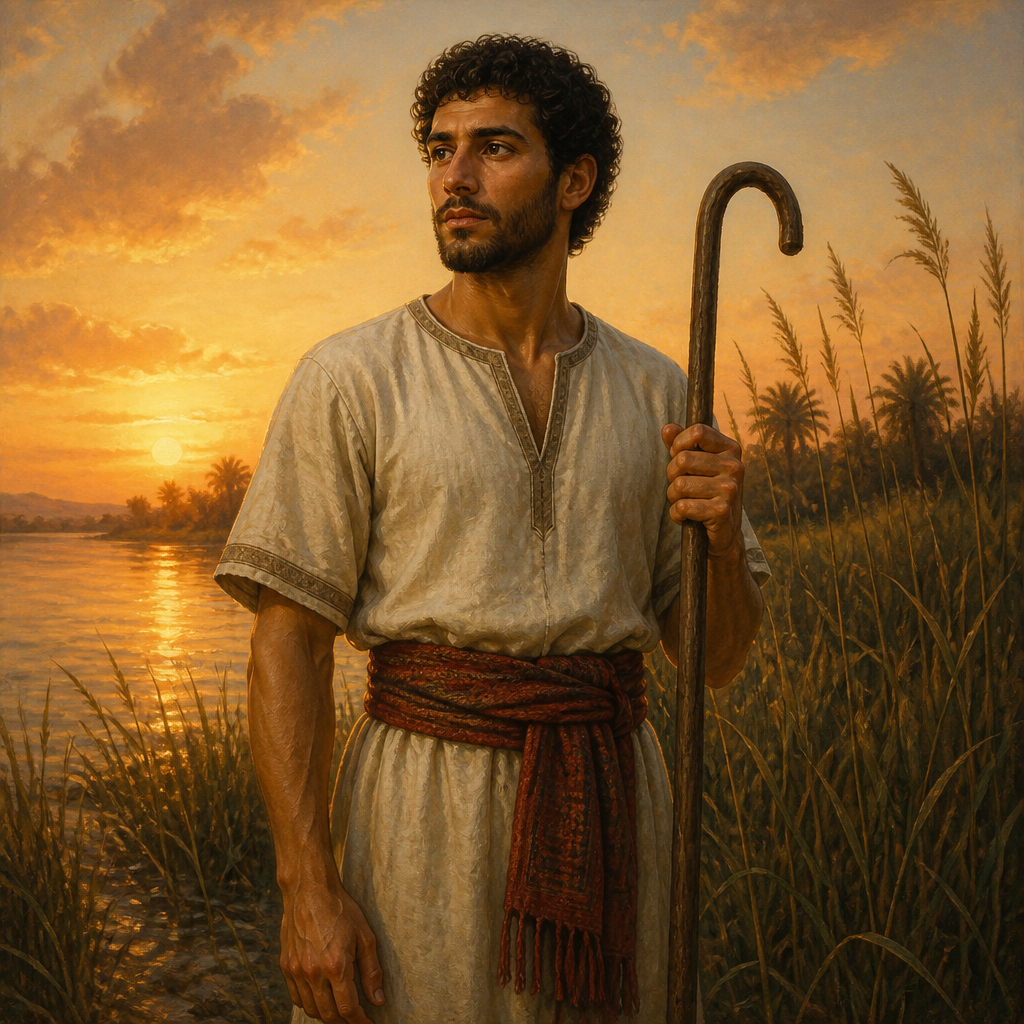 MuppimThis page
 Ard, Son of BenjaminBrotherGenesis 46:21Stated
 AshbelBrotherGenesis 46:21Stated
 Becher, Son of BenjaminBrotherGenesis 46:21Stated
 Bela, Son of BenjaminBrotherGenesis 46:21Stated
 Gera, Son of BenjaminBrotherGenesis 46:21Stated
 Huppim, Son of BenjaminBrotherGenesis 46:21Stated
 Naaman, Son of BenjaminBrotherGenesis 46:21Stated
 RoshBrotherGenesis 46:21Stated
 AhiramBrotherGenesis 46:21
Inferred
Reconstructed through Ashbel: Numbers 26:38 ties Ahiram to Ashbel; Genesis 46:21 ties Ashbel to Muppim. No verse states the brother link between Ahiram and Muppim directly.Evidence: Genesis 46:21; Numbers 26:38
 Jediael, Son of BenjaminBrotherGenesis 46:21
Inferred
Reconstructed through Benjamin: 1 Chronicles 7:6 ties Jediael to Benjamin; Genesis 46:21 ties Benjamin to Muppim. No verse states the brother link between Jediael and Muppim directly.Evidence: Genesis 46:21; 1 Chronicles 7:6
Connected Figures
Family
Father · Genesis 46:21
The youngest son of Jacob and Rachel, Benjamin was the beloved patriarch of one of the twelve tribes of Israel and a central figure in the narrative of Joseph's rise in Egypt.
PatriarchsFirst: Genesis 35:1823 versesPatriarchBenjamin
Brother · Genesis 46:21
The youngest son of the patriarch Benjamin, listed among those who traveled with Jacob’s household into Egypt.
Brother · Genesis 46:21
Ashbel was the second son of Benjamin and the eponymous founder of the Ashbelite clan during the Egyptian sojourn and the wilderness wanderings.
Egypt and WildernessFirst: Genesis 46:215 versesClan FounderBenjamin
Brother · Genesis 46:21
Becher was a son of the patriarch Benjamin who migrated to Egypt with his family and became a foundational ancestor of a major Benjamite clan.
Brother · Genesis 46:21
The firstborn son of the patriarch Benjamin and the founder of the Belaitic clan during the Egyptian sojourn and the Exodus period.
Brother · Genesis 46:21
Gera was a son of the patriarch Benjamin and a foundational member of the tribe of Benjamin during the migration to Egypt.
Brother · Genesis 46:21
A son of the patriarch Benjamin who migrated to Egypt and founded a tribal clan recorded in the Pentateuch and Chronicles.
Brother · Genesis 46:21
A son of the patriarch Benjamin and a grandson of Jacob who migrated to Egypt during the global famine in the 19th century BC.
Brother · Genesis 46:21
Rosh was one of the sons of Benjamin who migrated to Egypt with his family during the famine in the days of Joseph.
Brother · Genesis 46:21
A son of Benjamin and the eponymous founder of the Ahiramite clan during the Egyptian sojourn and the wilderness wanderings.
Brother · Genesis 46:21
A son of the patriarch Benjamin and the progenitor of a significant clan of 17,200 mighty warriors in the tribe of Benjamin.
Categories
Mentions by Book
- Genesis1
- Numbers2
- 1 Chronicles1
Scripture References
All 4 indexed verses, in canonical order, from the Berean Standard Bible.
Genesis · 1
- Genesis 46:21
The sons of Benjamin: Bela, Becher, Ashbel, Gera, Naaman, Ehi, Rosh, Muppim, Huppim, and Ard.
Numbers · 2
- Numbers 26:38Partial
These were the descendants of Benjamin by their clans: The Belaite clan from Bela, the Ashbelite clan from Ashbel, the Ahiramite clan from Ahiram,
Cited as evidence on a family card; added so References, Key Verses and Mentions by Book share one index.
- Numbers 26:39Partial
the Shuphamite clan from Shupham, and the Huphamite clan from Hupham.
Cited as a key verse; added so References, Key Verses and Mentions by Book share one index.
1 Chronicles · 1
- 1 Chronicles 7:6Partial
The three sons of Benjamin: Bela, Becher, and Jediael.
Cited as evidence on a family card; added so References, Key Verses and Mentions by Book share one index.