Rosh
Who was Rosh in the Bible?
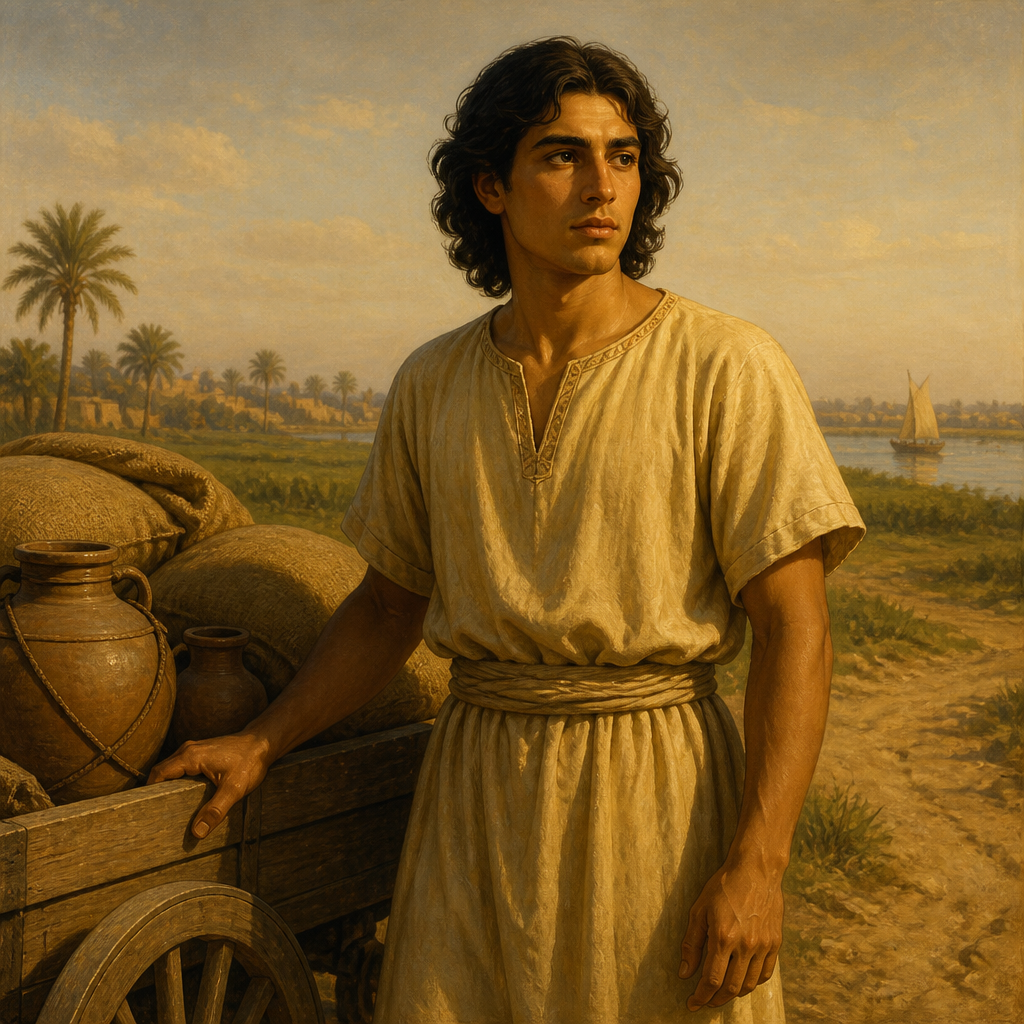
Rosh was one of the sons of Benjamin who migrated to Egypt with his family during the famine in the days of Joseph.
Rosh was a member of the tribe of Benjamin during the period of the Egyptian Sojourn. He is specifically identified in the biblical record as one of the sons of the patriarch Benjamin, the youngest son of Jacob and Rachel. His name appears within the genealogical listings of those who traveled from Canaan to Egypt to escape a widespread famine, joining Joseph who was already established in the Egyptian court.
While Rosh is listed among the immediate descendants of Benjamin, historical and textual records regarding his life are sparse. He represents one of the foundational heads of the Benjaminite lineages during the transition from a nomadic family to a settled people within the land of Goshen. His presence in the biblical text serves to document the preservation of the twelve tribes as they entered their long residence in Egypt.
Background and Family
Rosh is primarily situated within the genealogical framework of the Patriarchal Period, transitioning into the era of the Egyptian Sojourn. As the son of Benjamin, Rosh was a grandson of the patriarch Jacob. His mother is not named in the biblical text, though his father Benjamin was the only full brother of Joseph, both being born to Rachel.
According to the record in Genesis 46:21, Rosh was part of a large immediate family. His brothers and siblings are listed as Bela, Becher, Ashbel, Gera, Naaman, Ehi, Muppim, Huppim, and Ard. This listing highlights the significant growth of Benjamin’s household by the time the family of Jacob descended into Egypt (c. 1876 BC). The inclusion of Rosh in this list confirms his status as a legal heir and a recognized head of a household within the burgeoning tribe of Benjamin.
Major Life Events
The most significant event recorded involving Rosh is his migration to Egypt. Following the revelation of Joseph's identity to his brothers, Jacob was invited to relocate his entire household to Egypt to survive the remaining years of a severe famine. Rosh is documented as one of the seventy members of the house of Jacob who made this journey.
Outside of this migration, the specific activities and life events of Rosh are not detailed in the scriptures. Unlike his brothers Bela or Ashbel, who are often cited in later census records (such as Numbers 26) as heads of major tribal clans, Rosh’s name is omitted in several subsequent Benjaminite genealogies. This has led scholars to conclude that either Rosh died without male heirs shortly after the migration, or his descendants were eventually subsumed into the larger clans of his brothers, such as Bela or Becher, which was a common occurrence in ancient Near Eastern tribal structures.
Relationship to Other Biblical Figures
Rosh’s primary identity is defined by his relationship to Benjamin. As a son of the "son of my right hand," Rosh occupied a position of familial importance. He was a nephew to the twelve sons of Jacob and a contemporary of the sons of Joseph, Ephraim and Manasseh. In the broader narrative of the Wilderness period and the later history of Israel, his lineage is part of the small but fierce tribe of Benjamin, which would eventually produce Israel's first king, Saul.
Spiritual Significance
The spiritual significance of Rosh lies in his inclusion in the "Seventy Souls" of Genesis 46. This number is highly symbolic in biblical theology, representing the complete and divinely ordained foundation of the nation of Israel. By being named, Rosh is recognized as part of the remnant that God preserved through the providence of Joseph. Even though his individual clan may not have achieved the prominence of others, his name remains recorded in the eternal canon, underscoring the biblical theme that every member of the covenant family is accounted for in the eyes of God.
Theologically, Rosh represents the meticulous nature of the biblical record in preserving the names of the founders of the nation of Israel. His inclusion in Genesis 46 serves as a testament to the fulfillment of God's promise to Abraham that his descendants would be numerous and would go down into Egypt to be forged into a nation.
His disappearance from later records like Numbers 26 serves as a historical reminder of the fluidity of tribal genealogies. It demonstrates how smaller family lines were often integrated into larger ones to maintain the strength and cohesion of the tribe during the difficult centuries of Egyptian bondage and the subsequent wanderings in the wilderness.
Frequently Asked Questions
Who was Rosh's father?
Rosh was the son of Benjamin, making him a grandson of Jacob and Rachel.
Did Rosh have any children?
The Bible does not record any specific children for Rosh. Because his name does not appear in the later clan lists in Numbers 26, it is likely his descendants were merged with other Benjaminite clans.
When did Rosh live?
Rosh lived during the late Patriarchal Period and the beginning of the Egyptian Sojourn, around the 19th century BC.
What tribe did Rosh belong to?
Rosh belonged to the Tribe of Benjamin.
Where is Rosh mentioned in the Bible?
He is mentioned by name in Genesis 46:21 and is associated with the genealogies in 1 Chronicles 8.
Family & Relationships
Parents
 Benjamin, Son of JacobFatherGenesis 46:21Stated
 RoshThis page
 Ard, Son of BenjaminBrotherGenesis 46:21Stated
 AshbelBrotherGenesis 46:21Stated
 Becher, Son of BenjaminBrotherGenesis 46:21Stated
 Bela, Son of BenjaminBrotherGenesis 46:21Stated
 Gera, Son of BenjaminBrotherGenesis 46:21Stated
 Huppim, Son of BenjaminBrotherGenesis 46:21Stated
 MuppimBrotherGenesis 46:21Stated
 Naaman, Son of BenjaminBrotherGenesis 46:21Stated
 AhiramBrotherGenesis 46:21
Inferred
Reconstructed through Ashbel: Numbers 26:38 ties Ahiram to Ashbel; Genesis 46:21 ties Ashbel to Rosh. No verse states the brother link between Ahiram and Rosh directly.Evidence: Genesis 46:21; Numbers 26:38
 Jediael, Son of BenjaminBrotherGenesis 46:21
Inferred
Reconstructed through Benjamin: 1 Chronicles 7:6 ties Jediael to Benjamin; Genesis 46:21 ties Benjamin to Rosh. No verse states the brother link between Jediael and Rosh directly.Evidence: Genesis 46:21; 1 Chronicles 7:6
Connected Figures
Family
Father · Genesis 46:21
The youngest son of Jacob and Rachel, Benjamin was the beloved patriarch of one of the twelve tribes of Israel and a central figure in the narrative of Joseph's rise in Egypt.
PatriarchsFirst: Genesis 35:1823 versesPatriarchBenjamin
Brother · Genesis 46:21
The youngest son of the patriarch Benjamin, listed among those who traveled with Jacob’s household into Egypt.
Brother · Genesis 46:21
Ashbel was the second son of Benjamin and the eponymous founder of the Ashbelite clan during the Egyptian sojourn and the wilderness wanderings.
Egypt and WildernessFirst: Genesis 46:215 versesClan FounderBenjamin
Brother · Genesis 46:21
Becher was a son of the patriarch Benjamin who migrated to Egypt with his family and became a foundational ancestor of a major Benjamite clan.
Brother · Genesis 46:21
The firstborn son of the patriarch Benjamin and the founder of the Belaitic clan during the Egyptian sojourn and the Exodus period.
Brother · Genesis 46:21
Gera was a son of the patriarch Benjamin and a foundational member of the tribe of Benjamin during the migration to Egypt.
Brother · Genesis 46:21
A son of the patriarch Benjamin who migrated to Egypt and founded a tribal clan recorded in the Pentateuch and Chronicles.
Brother · Genesis 46:21
A son of Benjamin and grandson of Jacob, recognized as a tribal ancestor during the Egyptian sojourn and the later wilderness census.
Brother · Genesis 46:21
A son of the patriarch Benjamin and a grandson of Jacob who migrated to Egypt during the global famine in the 19th century BC.
Brother · Genesis 46:21
A son of Benjamin and the eponymous founder of the Ahiramite clan during the Egyptian sojourn and the wilderness wanderings.
Brother · Genesis 46:21
A son of the patriarch Benjamin and the progenitor of a significant clan of 17,200 mighty warriors in the tribe of Benjamin.
Categories
Mentions by Book
- Genesis1
- Numbers1
- 1 Chronicles1
Scripture References
All 3 indexed verses, in canonical order, from the Berean Standard Bible.
Genesis · 1
- Genesis 46:21
The sons of Benjamin: Bela, Becher, Ashbel, Gera, Naaman, Ehi, Rosh, Muppim, Huppim, and Ard.
Numbers · 1
- Numbers 26:38Partial
These were the descendants of Benjamin by their clans: The Belaite clan from Bela, the Ashbelite clan from Ashbel, the Ahiramite clan from Ahiram,
Cited as evidence on a family card; added so References, Key Verses and Mentions by Book share one index.
1 Chronicles · 1
- 1 Chronicles 7:6Partial
The three sons of Benjamin: Bela, Becher, and Jediael.
Cited as evidence on a family card; added so References, Key Verses and Mentions by Book share one index.