Machir, Son of Manasseh
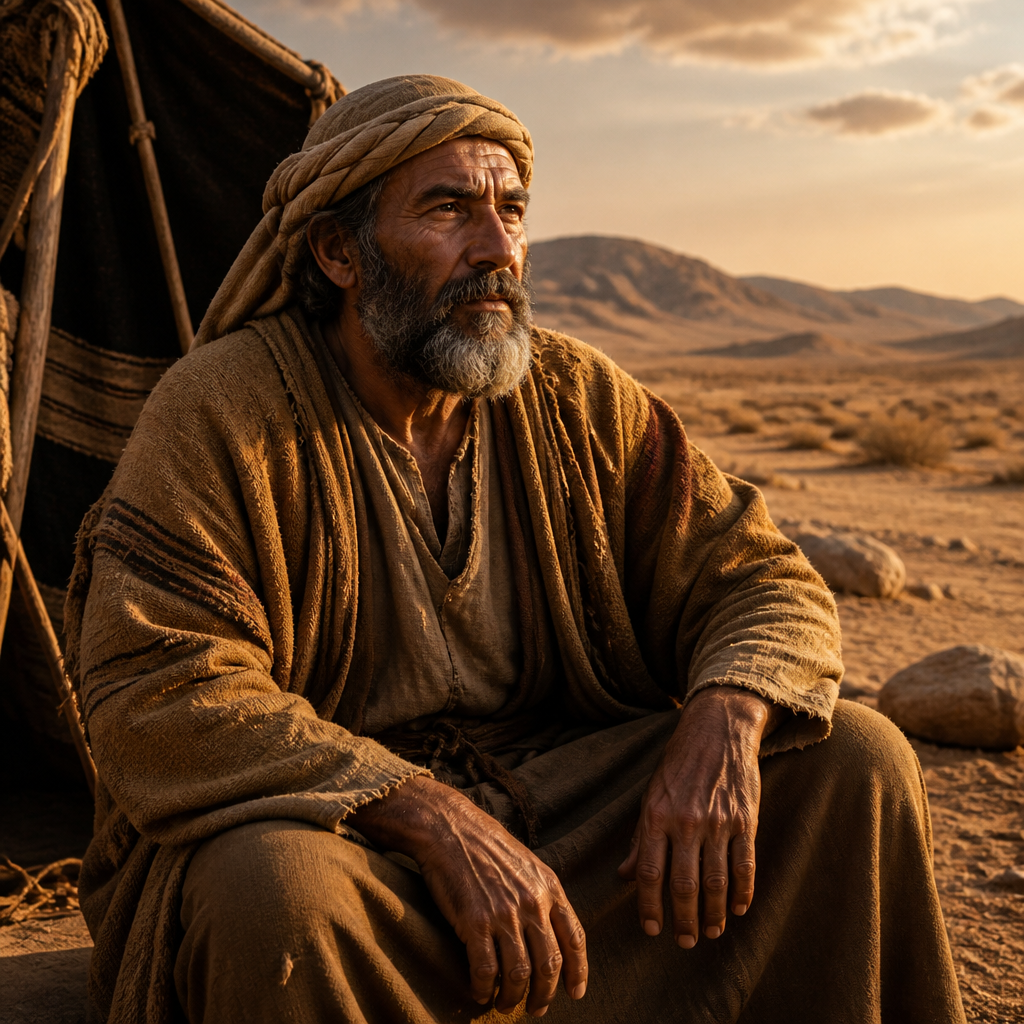
The firstborn son of Manasseh and grandson of Joseph, Machir was a formidable warrior whose descendants conquered and settled the region of Gilead.
Machir, son of Manasseh, stands as a pivotal figure in the genealogical and territorial history of the tribe of Manasseh. As the grandson of Joseph, Machir occupies a unique position in the transition of the Israelites from a single family in Egypt to a powerful confederation of tribes. His birth was marked by the personal blessing of his great-grandfather Joseph, and his legacy was defined by the martial prowess of his descendants, who were instrumental in the conquest of the Transjordan region.
Historically, Machir is described as a 'man of war,' a reputation that earned his clan the strategic territories of Gilead and Bashan. His lineage is complex, involving Aramean heritage and a family tree that produced notable figures such as Zelophehad. The account of Machir serves as a bridge between the patriarchal narratives of Genesis and the military accounts of the conquest found in Numbers and Joshua.
Background and Family
Machir was the firstborn son of Manasseh, the elder son of Joseph. According to 1 Chronicles 7:14, Machir was born to Manasseh through an Aramean concubine, a detail that suggests a significant cultural and genealogical connection between the tribe of Manasseh and the Aramean regions to the northeast. This heritage may have influenced the tribe's eventual settlement in the northern Transjordan.
The biblical record indicates that Machir was born during the latter years of Joseph’s life in Egypt. Genesis 50:23 provides a touching domestic scene, noting that the sons of Machir 'were brought up on Joseph’s knees,' indicating that Joseph lived long enough to interact with his great-grandchildren and formally recognize them as part of his household.
Machir’s own immediate family was extensive. He married Maacah (identified as his sister in some translations of 1 Chronicles 7:15, though often interpreted as a relative or wife in the broader context of the Huppites and Shuppites). His children included Gilead, who became the eponymous ancestor of the Gileadite clan, as well as sons named Peresh and Sheresh. He also had a daughter who married Hezron of the tribe of Judah, a union that blended the lineages of the two powerful tribes (1 Chronicles 2:21).
Major Life Events
While Machir’s personal life began in Egypt, his primary legacy in the biblical narrative is the military conquest carried out by his descendants during the late years of the Wilderness Wanderings. Although Machir himself would have died in Egypt, the clan that bore his name—the Machirites—retained his identity and martial spirit.
As the Israelites approached the Promised Land from the east, the descendants of Machir took the initiative to attack the Amorites inhabiting the rugged hill country of Gilead. Numbers 32:39 records that 'the descendants of Machir son of Manasseh went to Gilead, captured it, and drove out the Amorites who were there.' This aggressive military action was highly successful, leading Moses to formally grant the region of Gilead to the Machirite clan (Numbers 32:40; Deuteronomy 3:15).
In Joshua 17:1, Machir is explicitly described as a 'man of war.' Because of this reputation, his descendants were not only given Gilead but also the royal cities of Bashan, including Ashtaroth and Edrei, which had previously belonged to King Og. This solidified the Machirites as the guardians of Israel’s eastern frontier.
Relationship to Other Biblical Figures
Machir’s lineage is essential to one of the most significant legal precedents in the Torah: the inheritance of the daughters of Zelophehad. Zelophehad was the son of Hepher, the son of Gilead, the son of Machir. When Zelophehad died without sons, his daughters approached Moses to claim their father's land, a request that led to a divine decree allowing daughters to inherit property when there were no male heirs (Numbers 27, 36).
Furthermore, Machir's connection to Joseph is emphasized to validate the status of the Machirites within the larger house of Joseph. In the Song of Deborah (Judges 5:14), Machir is mentioned as a leading entity alongside Ephraim and Zebulun, providing 'commanders' for the defense of Israel, illustrating that centuries after the Egyptian sojourn, the name of Machir remained synonymous with leadership and military strength.
Spiritual Significance
Theologically, Machir represents the fulfillment of the blessing of Joseph. The fact that Joseph saw Machir's children (Genesis 50:23) serves as a literary bookend to the book of Genesis, demonstrating God’s faithfulness in multiplying the descendants of the patriarchs even in a foreign land.
The settlement of the Machirites in Gilead also highlights the theme of divine providence and human initiative. While the land was promised by God, it was secured through the courage and 'warlike' nature of Machir’s descendants. The inclusion of Machir in the tribal allotments underscores that the promises made to the patriarchs in Egypt were physically realized in the geography of the Levant through the specific families that maintained their identity through the generations of slavery and wandering.
Spiritual Significance
Machir is significant as the primary link between the Egyptian sojourn of Joseph and the military conquest of the Transjordan. His life demonstrates the continuity of the covenant promises through the long period of Egyptian slavery, as his birth was personally celebrated by Joseph. His descendants, the Machirites, became the dominant power in northern Transjordan, providing a buffer for the rest of Israel against eastern invaders.
Furthermore, Machir’s genealogy serves as the framework for the development of Israelite inheritance laws. Through his great-great-granddaughters (the daughters of Zelophehad), the biblical text addresses issues of land tenure and tribal integrity, ensuring that the legacy of Machir remained permanently attached to the land of Gilead.
Frequently Asked Questions
Who was Machir's father?
Machir was the son of Manasseh and the grandson of Joseph. His mother is identified in 1 Chronicles 7:14 as an Aramean concubine.
What land did the descendants of Machir receive?
The descendants of Machir received the regions of Gilead and Bashan in the Transjordan (east of the Jordan River) because of their military success against the Amorites.
Did Joseph know Machir?
Yes. Genesis 50:23 states that the sons of Machir were 'brought up on Joseph’s knees,' meaning Joseph lived to see his great-grandchildren born to Machir.
Why is Machir called a 'man of war'?
Joshua 17:1 describes Machir as a man of war, a title reflecting the military prowess of his clan, which successfully captured the difficult mountainous terrain of Gilead and the cities of King Og.
What is the connection between Machir and Zelophehad?
Zelophehad was the great-grandson of Machir (son of Hepher, son of Gilead, son of Machir). His daughters' quest for inheritance was based on their Machirite lineage.
Connected Figures
Categories
Mentions by Book
- 1 Chronicles6
- Numbers5
- Joshua3
- Deuteronomy1
- Genesis1
- Judges1
Family & Relationships
Child
Genesis 50:23
Child
Genesis 50:23
Child
Genesis 50:23
Child
Genesis 50:23
Child
Genesis 50:23
Sibling
Genesis 50:23
Spouse / partner
Genesis 50:23
Parent
1 Chronicles 7:14
Sibling
1 Chronicles 7:14
Spouse / partner
1 Chronicles 7:15
Parent
Genesis 41:51
Others Named Machir
Machir, Son of Ammiel2 Samuel 9:4
A wealthy and influential landowner from Lo-debar who protected Jonathan’s son Mephibosheth and sustained King David during Absalom’s rebellion.