Peresh
Who was Peresh in the Bible?
Peresh was a descendant of Manasseh, the son of Machir and Maacah, noted in the genealogical records of the tribe of Manasseh.
Peresh is a minor figure in the Old Testament, mentioned exclusively within the genealogical records of the tribe of Manasseh. He was born during the era involving the Egyptian sojourn and the subsequent transition toward the wilderness period, appearing in the lineage of Joseph’s firstborn son. As the son of Machir and Maacah, Peresh represents a specific branch of the Manassite family tree that settled in the Transjordan and Gilead regions.
While the biblical narrative does not provide details regarding his personal actions or life events, his inclusion in the Book of Chronicles serves a vital purpose in establishing the legitimate ancestral lines of the northern tribes. His name, derived from a Hebrew root meaning 'distinction' or 'separation,' highlights the formal documentation of the clans of Israel following their growth in Egypt and their preparation for the inheritance of the Promised Land.
Background and Family
Peresh occupies a specific place within the complex genealogy of the tribe of Manasseh. According to 1 Chronicles 7:16, he was the son of Machir and his wife, Maacah. His father, Machir, was the most prominent son of Manasseh and is traditionally identified as the father of Gilead. This placement situates Peresh in the third generation from Manasseh himself, identifying him as a grandson of the tribal patriarch.
Peresh was raised alongside his brother, Sheresh, and his sisters, who included Hammolecheth and the unnamed daughter of Machir. The genealogical record also notes that Peresh had two sons, Ulam and Rekem. This indicates that while the scriptural text is brief, Peresh was the progenitor of a distinct family line within the Machirite clan, contributing to the demographic strength of the tribe during its time in Egypt and the wilderness.
Major Life Events
There are no specific biographical events, dialogues, or geographical movements recorded for Peresh in the biblical text. His life is defined entirely by his birth and his role as a link in the generational chain of Israel.
Relationship to Other Biblical Figures
Peresh’s primary significance lies in his immediate family connections. As the son of Machir, he belonged to a family of renowned warriors; Machir’s descendants were later noted for their military prowess in the conquest of Gilead (Numbers 32:39-40). Peresh is also the nephew of the sisters of Machir and a sibling to Gilead, though the genealogical structure in 1 Chronicles 7:14-17 suggests complex familial ties, possibly involving both direct offspring and clan-based associations.
Spiritual Significance
In a theological context, Peresh represents the fulfillment of the divine promise to Joseph regarding the multiplication of his descendants. Although he is a minor figure, his presence in the inspired record of 1 Chronicles underscores the biblical theme that every individual within the covenant community is known and accounted for by God. The preservation of his name ensures the continuity of the tribe of Manasseh’s history, affirming that even those who do not perform recorded miracles or lead nations are essential components of the broader redemptive history of Israel.
The significance of Peresh is primarily genealogical. By documenting his birth to Machir and Maacah, the Chronicler reinforces the legitimacy of the Manassite clans. He serves as a bridge between the patriarchal era of Joseph and the later tribal developments in the land of Gilead. His inclusion highlights the importance of family heritage and the meticulous record-keeping of the Levites in preserving the identity of the Twelve Tribes.
Furthermore, Peresh's lineage through Maacah provides insight into the domestic structures of the early tribe of Manasseh. Though his personal contributions are unrecorded, he stands as a witness to the survival and expansion of the Israelites during their formative years as a nation.
Frequently Asked Questions
Who were the parents of Peresh?
Peresh was the son of Machir, the son of Manasseh, and his mother was Maacah.
Which tribe did Peresh belong to?
Peresh belonged to the tribe of Manasseh.
Did Peresh have any children?
Yes, according to 1 Chronicles 7:16, Peresh had two sons named Ulam and Rekem.
In which book of the Bible is Peresh mentioned?
Peresh is mentioned only once in the Bible, in 1 Chronicles 7:16.
What does the name Peresh mean?
The name Peresh (פֶּ֫רֶשׁ) is derived from a Hebrew root meaning 'distinction,' 'separation,' or 'excrement/dung' depending on the linguistic context, though in a genealogical sense, it often denotes a distinct branch of a family.
Family & Relationships
Parents
 Machir, Son of ManassehFather1 Chronicles 7:16Stated
 Maacah, Wife of MachirMother1 Chronicles 7:16Stated
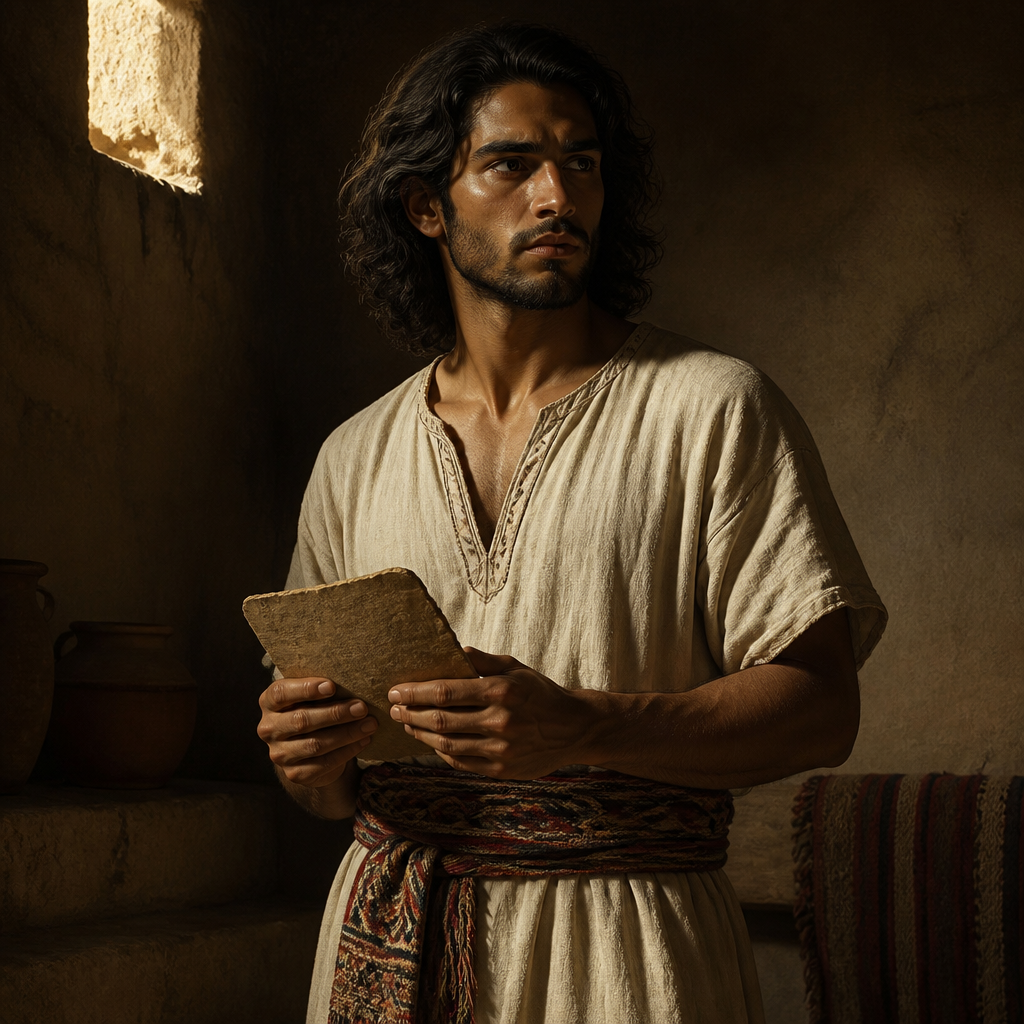 PereshThis page
 Gilead, Grandson of ManassehBrother1 Chronicles 7:15Stated
 Daughter of MachirSister1 Chronicles 7:16Stated
 HammolechethSister1 Chronicles 7:15Stated
 ShereshBrother1 Chronicles 7:16Stated
Connected Figures
Family
Father · 1 Chronicles 7:16
The firstborn son of Manasseh and grandson of Joseph, Machir was a formidable warrior whose descendants conquered and settled the region of Gilead.
Egypt and WildernessFirst: Genesis 50:2318 versesWarriorManasseh
Mother · 1 Chronicles 7:16
A woman of the tribe of Manasseh during the Egyptian sojourn and wilderness era, recognized as the wife of Machir and mother of Peresh and Sheresh.
Egypt and WildernessFirst: 1 Chronicles 7:156 versesMatriarchManasseh
Brother · 1 Chronicles 7:15
A prominent tribal leader and grandson of Manasseh whose descendants formed the primary clans of the Machirite line during the Egyptian Sojourn and the Wilderness wanderings.
Egypt and WildernessFirst: Numbers 26:2917 versesClan FounderManasseh
Sister · 1 Chronicles 7:16
A noblewoman of the tribe of Manasseh whose marriage to Hezron bridged two of Israel's most prominent tribal lineages.
Egypt and WildernessFirst: 1 Chronicles 2:214 versesMatriarchManasseh
Sister · 1 Chronicles 7:15
Hammolecheth was a prominent woman of the tribe of Manasseh, the daughter of Machir and sister of Gilead, who founded a line of descendants in the land of Gilead.
Egypt and WildernessFirst: 1 Chronicles 7:187 versesMatriarch of the AbiezritesManasseh
Brother · 1 Chronicles 7:16
Sheresh was a descendant of Manasseh through Machir, recorded in the genealogies of 1 Chronicles as a father of Ulam and Rakem.
Egypt and WildernessFirst: 1 Chronicles 7:165 versesprogenitorManasseh
Categories
Mentions by Book
- Numbers1
- 1 Chronicles4
Scripture References
All 5 indexed verses, in canonical order, from the Berean Standard Bible.
Numbers · 1
- Numbers 26:29Partial
These were the descendants of Manasseh: The Machirite clan from Machir, the father of Gilead, and the Gileadite clan from Gilead.
Cited as evidence on a family card; added so References, Key Verses and Mentions by Book share one index.
1 Chronicles · 4
- 1 Chronicles 2:21Partial
Later, Hezron slept with the daughter of Machir the father of Gilead. He had married her when he was sixty years old, and she bore to him Segub.
Cited as evidence on a family card; added so References, Key Verses and Mentions by Book share one index.
- 1 Chronicles 7:16
Machir’s wife Maacah gave birth to a son, and she named him Peresh. His brother was named Sheresh, and his sons were Ulam and Rekem.
- 1 Chronicles 7:17Partial
The son of Ulam: Bedan. These were the sons of Gilead son of Machir, the son of Manasseh.
Cited as evidence on a family card; added so References, Key Verses and Mentions by Book share one index.
- 1 Chronicles 7:18Partial
His sister Hammolecheth gave birth to Ishhod, Abiezer, and Mahlah.
Cited as evidence on a family card; added so References, Key Verses and Mentions by Book share one index.