Joash, Son of Shelah
Who was Joash, Son of Shelah, in the Bible?
A descendant of Judah through Shelah who achieved dominion in the region of Moab during the era of the Egyptian sojourn and early wilderness records.
This is one of 8 people named Joash in the Bible. See all 8 →
Joash, a member of the Tribe of Judah, is identified in the genealogical records of the Chronicler as a son of Shelah. His life is situated within the complex period following the Egyptian sojourn, where tribal families began expanding their influence into neighboring territories. As a descendant of Shelah, Joash belonged to one of the primary branches of Judah, standing alongside his siblings Jokim, Saraph, and Laadah.
While his individual narrative is not expanded upon in the biblical text, he is uniquely noted for his administrative or military role in the region of Moab. The record highlights that he and his kinsmen held dominion or rule in this foreign land before the records were archived. This suggests a period of Judaean expansion or settlement that preceded the formal conquest under Joshua, preserved as part of the "ancient records" mentioned in the text.
Background and Family
Joash was the son of Shelah, who was the third son of the patriarch Judah and his Canaanite wife, the daughter of Shua (Genesis 38:5). Within the genealogical structure of 1 Chronicles 4, Joash is listed among the prominent descendants of Shelah. His immediate kin included his brothers Jokim, Saraph, and Laadah, the latter of whom is noted as the father of Mareshah. The lineage of Shelah is often associated with specialized labor and administrative oversight, as other members of this family were known as clans of linen workers at Beth-ashbea.
Major Life Events
The sole biblical reference to Joash appears in 1 Chronicles 4:22, which captures a brief but significant historical detail: "Jokim, the men of Cozeba, and Joash and Saraph, who ruled in Moab and Jashubi-lehem." The Hebrew text implies a period of sovereignty or authority (ba'al) exercised by Joash and his brother Saraph over the territory of Moab.
This detail is historically intriguing as it places a Judaean family in a position of power within Moabite borders during an era described as "ancient." The text explicitly notes that "these names are from ancient records," indicating that by the time the Book of Chronicles was compiled in the post-exilic period, the exploits of Joash were already considered part of a distant, ancestral past. His rule in Moab and his association with Jashubi-lehem suggest a pre-monarchic influence of the Tribe of Judah that extended beyond the traditional borders of Canaan.
Relationship to Other Biblical Figures
As a son of Shelah, Joash was a direct grandson of the patriarch Judah. His familial position places him in the same generational stratum as the more famous lines of Perez and Zerah, though the Shelanite line maintained a distinct identity. His brothers, Jokim and Saraph, were his partners in regional governance. While Saraph is mentioned alongside him in the context of Moabite rule, the biblical record provides no further details on their collaborative efforts or the duration of their authority.
Spiritual Significance
The spiritual significance of Joash, son of Shelah, lies in his role as a preserver of the tribal heritage of Judah. Even in the briefest of mentions, he represents the fulfillment of the growing strength of Judah’s house. His ability to rule in Moab, a land often in conflict with Israel, serves as an early testament to the tribal prominence that would eventually culminate in the Davidic dynasty. The inclusion of his name in the "ancient records" underscores the biblical emphasis on remembering even the minor figures who contributed to the early expansion and survival of the covenant people during their formative years.
Joash represents the expansionist history of the Tribe of Judah prior to the establishment of the United Monarchy. His rule in Moab illustrates that the descendants of Shelah held significant geopolitical influence in the Transjordan regions, contributing to the historical narrative of Judah's dominance.
His inclusion in the genealogical records of 1 Chronicles serves to validate the antiquity and reach of the Judaean clans, ensuring that the contributions of the Shelanite branch were not lost to history despite the greater prominence of the line of Perez.
Frequently Asked Questions
Who was Joash's father?
Joash was the son of Shelah, who was the son of the patriarch Judah.
In what region did Joash exercise authority?
According to 1 Chronicles 4:22, Joash and his brother Saraph ruled in the land of Moab.
What tribe did Joash belong to?
He belonged to the Tribe of Judah, specifically the clan of the Shelanites.
What does the Bible say about the records concerning Joash?
The Bible notes that the information about Joash and his rule in Moab comes from 'ancient records' (1 Chronicles 4:22).
Who were Joash's brothers?
His recorded brothers include Jokim, Saraph, and Laadah.
Family & Relationships
Parents
 Shelah, Son of JudahFather1 Chronicles 4:21–22Stated
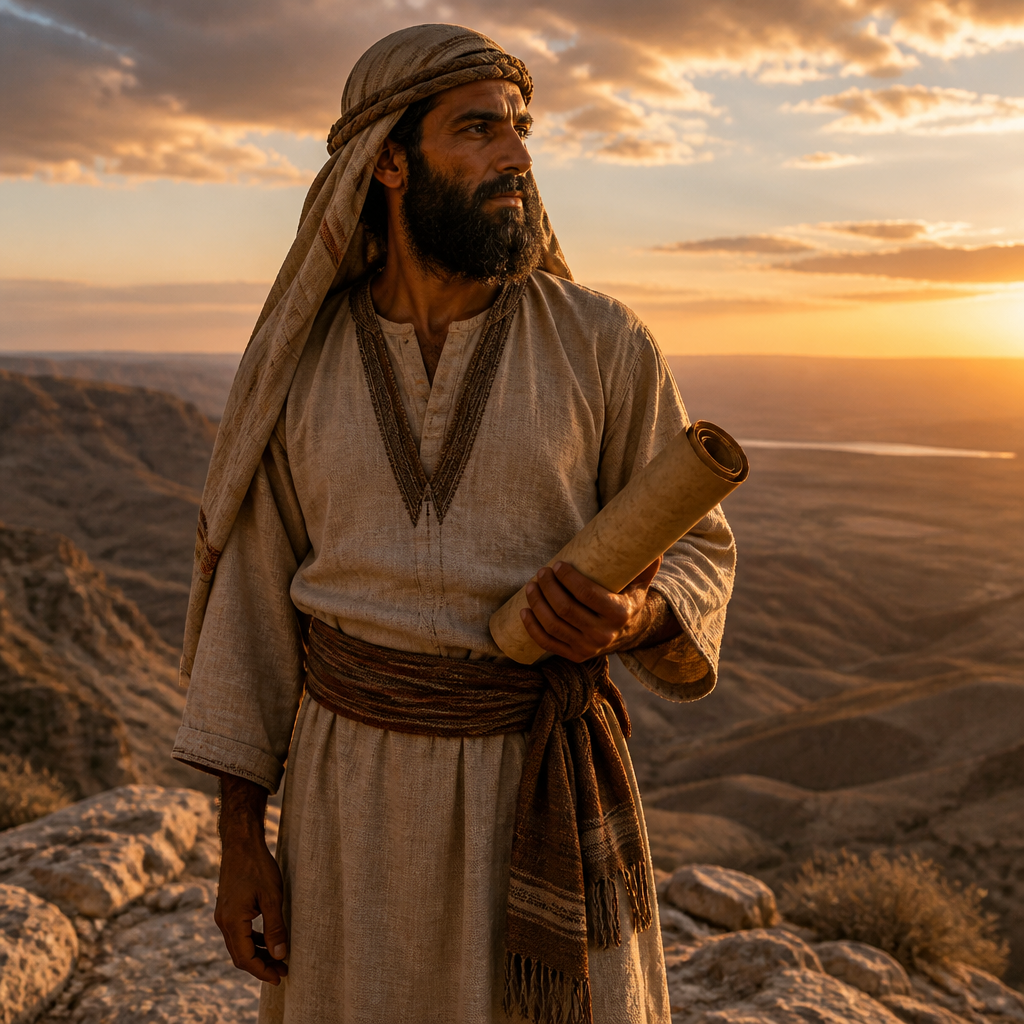 Joash, Son of ShelahThis page
 Er, Son of ShelahBrother1 Chronicles 4:21–22Stated
 JokimBrother1 Chronicles 4:22Stated
 LaadahBrother1 Chronicles 4:21–22Stated
 SaraphBrother1 Chronicles 4:22Stated
Connected Figures
Family
Father · 1 Chronicles 4:21–22
The third son of Judah and a survivor of the early tragedies in Judah's family, Shelah became the progenitor of the Shelanite clan within the tribe of Judah.
Brother · 1 Chronicles 4:21–22
Er was a descendant of Judah through his son Shelah and is identified in the genealogies of 1 Chronicles as the father of Lecah.
Brother · 1 Chronicles 4:22
A descendant of Judah through the line of Shelah, recognized in the genealogical records of 1 Chronicles for his historical presence in the regions of Moab and Cozeba.
Egypt and WildernessFirst: 1 Chronicles 4:222 versesRuler in MoabJudah
Brother · 1 Chronicles 4:21–22
A descendant of Judah through Shelah who served as a clan leader and the father of Mareshah during the Egyptian sojourn.
Egypt and WildernessFirst: 1 Chronicles 4:212 versesprogenitorJudah
Brother · 1 Chronicles 4:22
A descendant of Judah through Shelah who is recorded in ancient genealogies as having exercised dominion or rule within the region of Moab.
Egypt and WildernessFirst: 1 Chronicles 4:222 versesRuler in MoabJudah
Categories
Mentions by Book
- 1 Chronicles2
Scripture References
All 2 indexed verses, in canonical order, from the Berean Standard Bible.
1 Chronicles · 2
- 1 Chronicles 4:21Partial
The sons of Shelah son of Judah: Er the father of Lecah, Laadah the father of Mareshah and the clans of the linen workers at Beth-ashbea,
Cited as evidence on a family card; added so References, Key Verses and Mentions by Book share one index.
- 1 Chronicles 4:22
Jokim, the men of Cozeba, and Joash and Saraph, who ruled in Moab and Jashubi-lehem. (These names are from ancient records.)
Others Named Joash
Compare all 8 bearers →Joash, Official of David1 Chronicles 27:28
An administrative official in King David's government responsible for managing the kingdom's stores of olive oil.
Joash, Son of Ahab1 Kings 22:26
A prince of the Northern Kingdom of Israel and son of King Ahab who held custodial authority over political prisoners during his father's reign.
Joash, King of Israel2 Kings 13:9
The twelfth king of the Northern Kingdom of Israel, Joash was a military leader who defeated the Arameans three times and successfully conquered Jerusalem during a conflict with Judah.
Joash, Son of Becher1 Chronicles 7:8
Joash was a son of Becher and a grandson of the patriarch Benjamin, recorded as a tribal leader and head of a father's house during the Egyptian sojourn.
Joash, Son of Shemaah the Gibeathite1 Chronicles 12:3
A Benjamite warrior and son of Shemaah the Gibeathite who joined David’s forces at Ziklag during the United Monarchy.
Joash, Father of GideonJudges 6:11
Joash was an Abiezrite patriarch and father of the judge Gideon, best known for his clever defense of his son against the devotees of Baal.
Joash, King of Judah2 Kings 11:2
The lone survivor of a royal massacre, Joash was hidden in the Temple for six years before becoming the seventh king of Judah, initially reigning with piety before a tragic moral decline.