Jahath, Son of Shimei
A Levite of the Gershonite line during the Egypt and Wilderness era who served as the firstborn head of his father Shimei's house.
Jahath was a prominent member of the tribe of Levi, belonging specifically to the clan of Gershon. He is identified in the genealogical records of 1 Chronicles as the firstborn son of Shimei. His life and lineage are situated within the foundational era of Israel’s tribal organization, tracing back to the period of the Egyptian sojourn and the subsequent wilderness wandering, which established the hereditary duties of the Levites.
As the eldest son, Jahath held a position of primacy among his brothers. While many Levites are mentioned only in passing, the chronicler specifically highlights Jahath’s status to distinguish the administrative structure of the Gershonite families. His role was centered on the preservation of the Levitical heritage and the systematic organization of the sanctuary service that would eventually be formalized under the Davidic administration.
Background and Family
Jahath was a descendant of Levi through the line of Gershon (also referred to as Gershom). Within the internal structure of the Gershonite clan, he was the son of Shimei. The biblical record in 1 Chronicles 23:10 identifies Jahath as the eldest of four brothers: Zina (also referred to as Zizah), Jeush, and Beriah.
The genealogy of the Levites was of paramount importance to the post-exilic community for whom these records were compiled, as it established the legitimate right to serve in the Tabernacle and later the Temple. Jahath’s lineage places him in the second generation of the Gershonites during the foundational years of the nation of Israel.
Major Life Events
Because the biblical record for Jahath is primarily genealogical, his specific individual actions are not detailed in narrative form. However, his "major event" is recorded in the census and organization of the Levites. In 1 Chronicles 23:11, it is noted that "Jahath was the first and Zizah was the second." This formal designation as the "first" indicates his role as the head of his father’s house, a position that carried both social prestige and religious responsibility.
The text further notes a significant administrative detail regarding his siblings: because his younger brothers, Jeush and Beriah, did not have many sons, they were counted as a single father’s house for the purpose of their assignments. In contrast, Jahath’s position as the firstborn remained distinct, reinforcing his role as the primary representative of the line of Shimei during the era of the wilderness and the transition toward the promised land.
Relationship to Other Biblical Figures
Jahath is defined primarily through his relationship to his father, Shimei, and his three brothers. As the firstborn, he would have worked in close coordination with the other heads of the Gershonite houses. His family served alongside the descendants of Kohath and Merari, the other two main branches of the tribe of Levi.
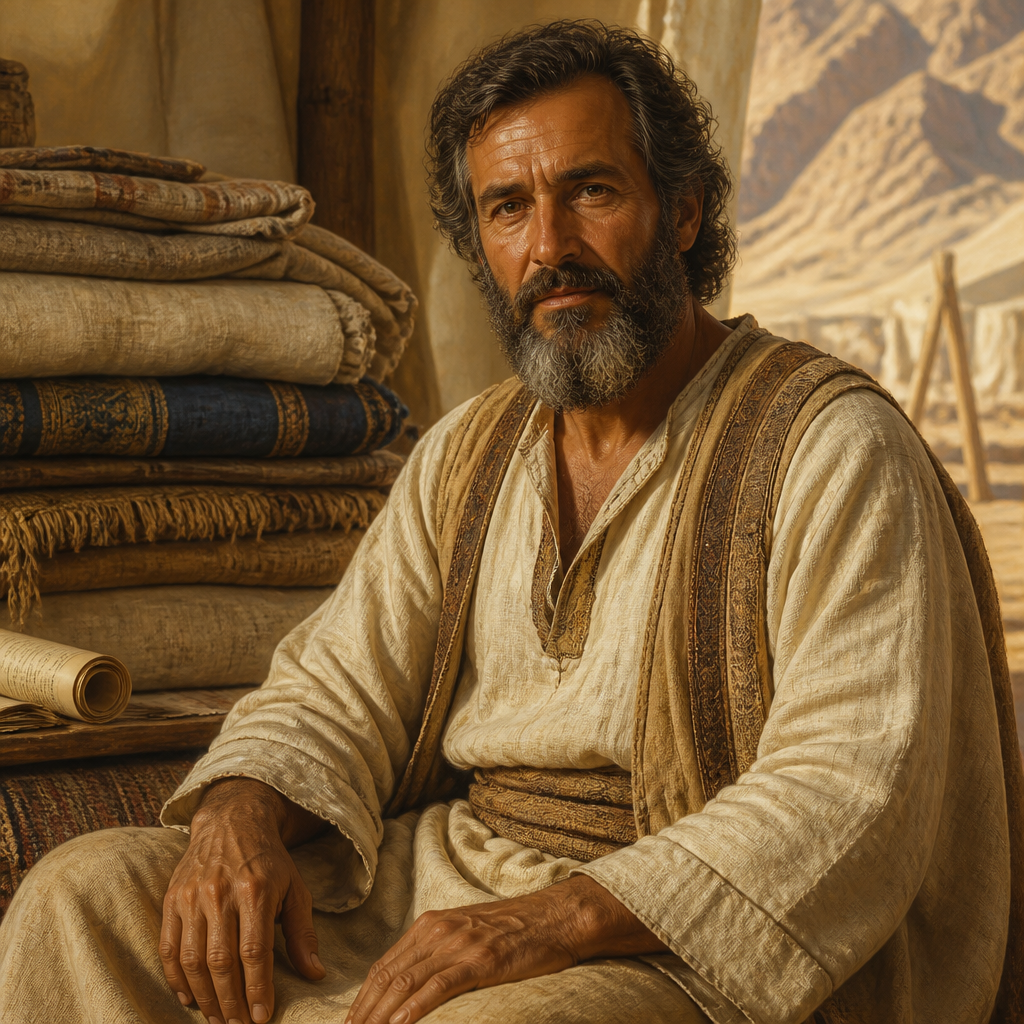
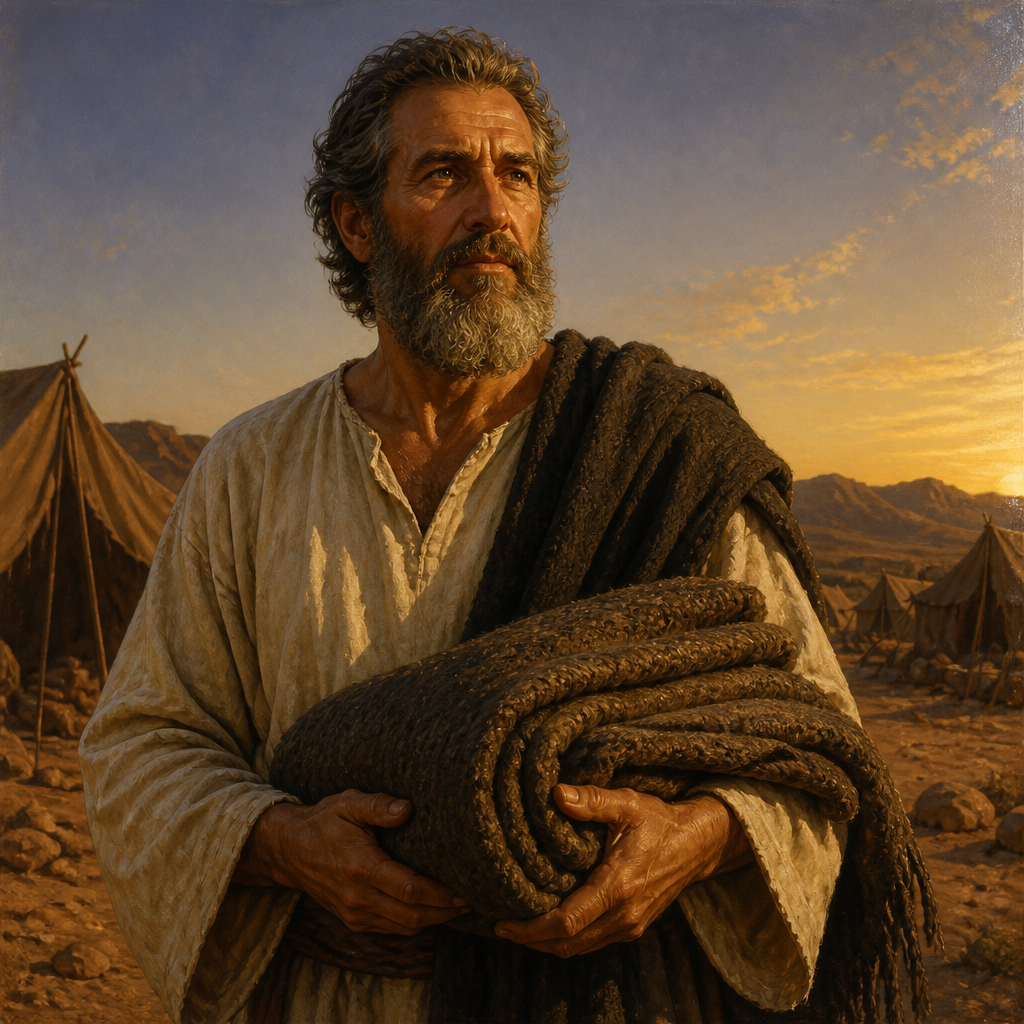
In the context of the Egypt and Wilderness era, the sons of Shimei were responsible for the transport and maintenance of the Tabernacle's coverings, screens, and hangings. As the leader of his specific household, Jahath would have overseen the labor and the census-taking of his kinsmen to ensure that the divine mandates given to Moses were strictly followed.
Spiritual Significance
The mention of Jahath serves to emphasize the order and precision of God’s requirements for those who draw near to Him in service. By naming Jahath as the firstborn and detailing the merger of his brothers' households, the scripture illustrates that every individual and family has a designated place in the community of faith. Jahath represents the continuity of the Levitical covenant—a commitment to holiness and service that was passed from the generation that left Egypt down through the centuries.
Spiritual Significance
Jahath’s significance lies in his role as a foundational link in the Levitical priesthood. As the head of the house of Shimei, he represents the organizational structure that allowed the nation of Israel to maintain its spiritual center during the transition from wandering to settlement. His inclusion in the Chronicles ensures that the specific legacy of the Gershonites was preserved for future generations.
Theologically, the record of Jahath and his brothers demonstrates the principle of 'appointed service.' Even when families were small (as in the case of his brothers Jeush and Beriah), the biblical record accounts for them, showing that in the service of the Tabernacle, no person or lineage was considered insignificant or lost to history.
Frequently Asked Questions
Which tribe did Jahath belong to?
Jahath belonged to the tribe of Levi, specifically the Gershonite clan.
Who was Jahath's father?
His father was Shimei, the son of Gershon.
Who were Jahath's brothers?
His brothers were Zizah (Zina), Jeush, and Beriah.
What was Jahath's status among his siblings?
He was the firstborn son, which gave him the primary leadership role within his father’s house.
Why were Jahath's brothers Jeush and Beriah counted as one family?
According to 1 Chronicles 23:11, they were counted as one family because they did not have many sons, leading to a combined assignment in the census.
Connected Figures
Categories
Mentions by Book
- 1 Chronicles2
Family & Relationships
Sibling
1 Chronicles 23:10
Sibling
Jeush, Levite of the Egypt and Wilderness Era
1 Chronicles 23:10
Sibling
Beriah, Levite of the Egypt and Wilderness Era
1 Chronicles 23:10
Sibling
Beriah, Levite of the Egypt and Wilderness Era
1 Chronicles 23:10
Parent
Exodus 6:17
Sibling
Jeush, Levite of the Egypt and Wilderness Era
1 Chronicles 23:10
Sibling
1 Chronicles 23:10
Others Named Jahath
Jahath, Merarite Overseer2 Chronicles 34:12
A Levite of the Merarite line who served as a faithful overseer during King Josiah’s restoration of the Temple in Jerusalem.
Jahath, Son of Shelomoth1 Chronicles 24:22
A Levite of the Izharite line who served in the priestly divisions during the reign of King David during the Divided Monarchy.
Jahath, Son of Reaiah1 Chronicles 4:2
A descendant of Judah through the line of Shobal and a significant progenitor of the Zorathite clans during the Divided Monarchy.