Jahath, Merarite Overseer
A Levite of the Merarite line who served as a faithful overseer during King Josiah’s restoration of the Temple in Jerusalem.
Jahath was a Levite during the era of the Divided Monarchy, specifically active during the late 7th century BC. He is identified as a descendant of Merari, one of the three sons of Levi, and held a position of administrative and spiritual authority during one of Judah's most significant religious reformations.
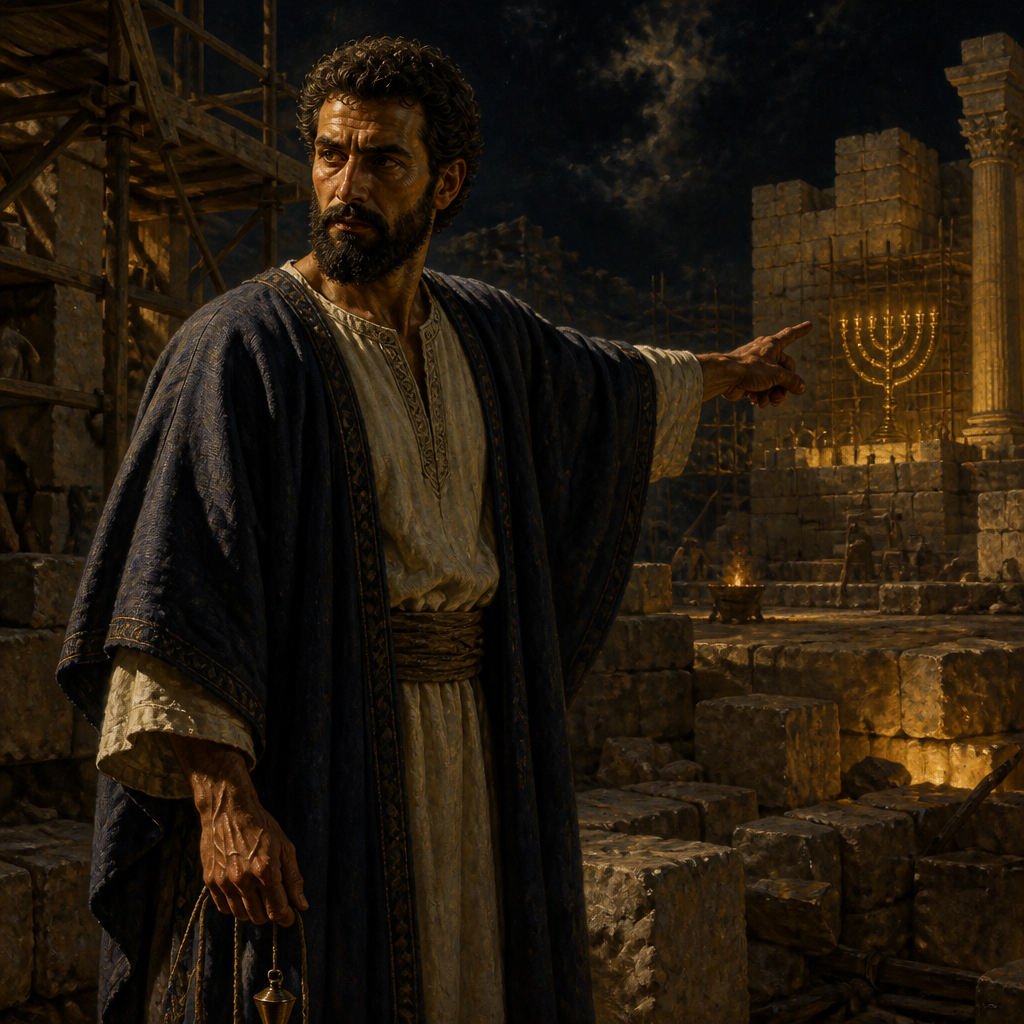
His service took place during the reign of King Josiah, a monarch noted for his commitment to purging Judah of idolatry and restoring the worship of Yahweh. Jahath was specifically tasked with the oversight of the physical repairs to the House of the LORD, ensuring that the work was conducted with integrity and skill.
Background and Family
Jahath lived during the Divided Monarchy, serving in Jerusalem under the administration of King Josiah (reigned c. 640–609 BC). The biblical record in 2 Chronicles 34:12 identifies him as a member of the tribe of Levi, specifically belonging to the clan of Merari. The Merarites were historically responsible for the structural components of the Tabernacle and, later, the maintenance of the Temple. While his specific parentage is not listed in this passage, his inclusion among the overseers indicates he was a man of proven character and standing within the Levitical order.
Major Life Events
The singular recorded event of Jahath’s life is his participation in the restoration of the Temple. After the discovery of the Book of the Law, King Josiah initiated a nationwide campaign to repair the Temple, which had fallen into disrepair under previous monarchs. Jahath was appointed as one of the primary overseers of the workmen.
According to the chronicler, Jahath worked alongside Obadiah (a fellow Merarite) and Zechariah and Meshullam (descendants of Kohath). Their role was to supervise the craftsmen—masons, carpenters, and laborers—who were rebuilding the sanctuary. The text emphasizes that these men "did the work faithfully," suggesting that Jahath provided the necessary leadership and accountability to ensure the sacred project was completed without corruption or negligence.
Relationship to Other Biblical Figures
Jahath is mentioned in direct connection with three other Levitical overseers: Obadiah, Zechariah, and Meshullam. This group represented a collaborative effort between the Merarite and Kohathite clans of the Levites. Furthermore, he operated under the broader religious reforms led by Hilkiah the High Priest and King Josiah. Although he is not described as a musician himself, the text notes that he served alongside Levites who were "skilled with musical instruments," placing him at the heart of the Temple's functional and liturgical life.
Spiritual Significance
Jahath’s significance lies in his role as a steward of the holy place. In the biblical narrative, the physical state of the Temple often mirrored the spiritual state of the nation. By faithfully overseeing the restoration of the building, Jahath participated in the spiritual renewal of Judah. His legacy is one of quiet, diligent service; he is remembered not for his words or prophecies, but for his reliability in managing the resources and labor dedicated to God’s house.
Spiritual Significance
Jahath serves as an example of the 'faithful steward' in the Old Testament. His role in 2 Chronicles highlights the importance of administrative and supervisory work within the life of the believing community. By ensuring the workmen acted with integrity, Jahath helped facilitate a national return to the Mosaic Law.
His inclusion in the record of Josiah's reforms also underscores the collaborative nature of the Levites' duties. Whether through manual oversight or musical skill, Jahath and his peers demonstrated that every role—no matter how functional—is vital to the worship and honor of God.
Frequently Asked Questions
What was Jahath's specific job in the Bible?
Jahath was a Levite overseer responsible for supervising the workmen who were repairing the Temple in Jerusalem during the reign of King Josiah.
Which tribe did Jahath belong to?
Jahath belonged to the tribe of Levi and was a descendant of the Merarite clan.
When did Jahath live?
He lived during the Divided Monarchy, specifically during the reign of King Josiah in the late 7th century BC (around 622 BC when the Temple repairs began).
Who worked alongside Jahath?
He worked with other Levites, including Obadiah (a Merarite) and Zechariah and Meshullam (Kohathites).
What is Jahath known for in the biblical text?
He is primarily known for his faithfulness and integrity in overseeing the restoration of the Temple, ensuring the work was done correctly.
Connected Figures
Josiah
King under whom Jahath served
Obadiah
Fellow Merarite overseer
Zechariah
Fellow Kohathite overseer
Categories
Mentions by Book
- 2 Chronicles1
Others Named Jahath
Jahath, Son of Shimei1 Chronicles 23:10
A Levite of the Gershonite line during the Egypt and Wilderness era who served as the firstborn head of his father Shimei's house.
Jahath, Son of Shelomoth1 Chronicles 24:22
A Levite of the Izharite line who served in the priestly divisions during the reign of King David during the Divided Monarchy.
Jahath, Son of Reaiah1 Chronicles 4:2
A descendant of Judah through the line of Shobal and a significant progenitor of the Zorathite clans during the Divided Monarchy.