Ishvah
Who was Ishvah in the Bible?
Ishvah was the second son of Asher and a grandson of the patriarch Jacob, identified as a member of the generation that entered Egypt.
Ishvah was a descendant of Jacob and the second-born son of Asher. As a member of the tribe of Asher, he represents one of the foundational heads of the northern clans of Israel.
Historically, Ishvah is situated within the Patriarchal Period during the descent of Israel into Egypt under the invitation of Joseph. While the biblical text provides limited narrative detail regarding his personal life or actions, his inclusion in the sacred genealogies serves to authenticate the tribal lineages and the fulfillment of the divine promise to multiply the descendants of Jacob.
Background and Family
Ishvah was the son of Asher, the eighth son of Jacob and the second son born to Zilpah, Leah’s handmaid. The biblical record identifies Ishvah as the second of four brothers—Imnah, Ishvah, Ishvi, and Beriah—and a sister named Serah. This familial structure is documented in Genesis 46:17 and repeated with consistency in 1 Chronicles 7:30.
His position in the family tree places him in the third generation of the House of Israel. Growing up in the land of Canaan, Ishvah would have been part of the large nomadic pastoralist family of Jacob. His specific Hebrew name, Yišwāh, is often interpreted to mean "resembling," "level," or "plain," though its exact etymological significance in the context of his birth is not elaborated upon by the biblical authors.
Major Life Events
The primary historical event associated with Ishvah is the migration of the Israelites from Canaan to Egypt during the time of the Great Famine. Genesis 46 serves as a census of the "seventy souls" of the house of Jacob who entered Egypt to join Joseph. Ishvah is explicitly listed among those who made this journey.
As a son of Asher, Ishvah would have participated in the formal establishment of the Asherite presence in the land of Goshen. While the text does not record his specific deeds, his presence in the list signifies his role as a tribal progenitor. Unlike his younger brother Beriah, who is credited with having sons named Heber and Malchiel (Genesis 46:17), the biblical record does not name any descendants for Ishvah.
Relationship to Other Biblical Figures
Ishvah’s identity is defined almost entirely by his relationships within the tribe of Asher. He is closely associated with his brothers Imnah, Ishvi, and Beriah. The mention of his sister, Serah, is notable, as daughters are rarely included in these ancient genealogies unless they held significant status or their presence was necessary to clarify a lineage.
In the broader context of the Israelite community, Ishvah was a nephew to the heads of the other eleven tribes, including Joseph, Judah, and Levi. His life was shaped by the leadership of his father, Asher, and his grandfather, Jacob.
Spiritual Significance
Although Ishvah is a silent figure in the biblical narrative, his inclusion in the genealogies carries theological weight. The preservation of his name in 1 Chronicles 7:30, written centuries after his death, demonstrates the importance of tribal identity and historical continuity for the post-exilic Jewish community.
In the biblical worldview, to be named in these lists is to be recognized as part of the covenant community. Ishvah represents the expansion of the family of Jacob into a nation. His lack of recorded descendants in contrast to his brothers may suggest that his lineage was eventually absorbed into other Asherite clans, or it may simply reflect the selective nature of biblical genealogical recording. Regardless, he remains a permanent part of the biblical record of the Exodus generation's origins.
Ishvah serves as a vital link in the genealogical chain of the tribe of Asher, ensuring the documentation of the seventy members of Jacob's household who entered Egypt. His presence in both Genesis and 1 Chronicles underscores the biblical emphasis on heritage and the fulfillment of God's promise to make Jacob a great nation.
His inclusion also highlights the structure of the early Israelite tribal system. By recording Ishvah and his siblings, the Bible provides a framework for understanding the internal development of the tribe of Asher before the era of the Wilderness Wanderings.
Frequently Asked Questions
Who was Ishvah's father?
Ishvah was the son of Asher, making him a grandson of Jacob.
Did Ishvah have any children?
The Bible does not record any children for Ishvah, though it does record the children of his younger brother, Beriah.
What tribe did Ishvah belong to?
Ishvah belonged to the tribe of Asher, one of the twelve tribes of Israel.
In which books of the Bible is Ishvah mentioned?
Ishvah is mentioned in the books of Genesis (46:17) and 1 Chronicles (7:30).
Did Ishvah move to Egypt?
Yes, Ishvah is listed as one of the descendants of Jacob who went down to Egypt during the time of Joseph.
Family & Relationships
Parents
 AsherFatherGenesis 46:17Stated
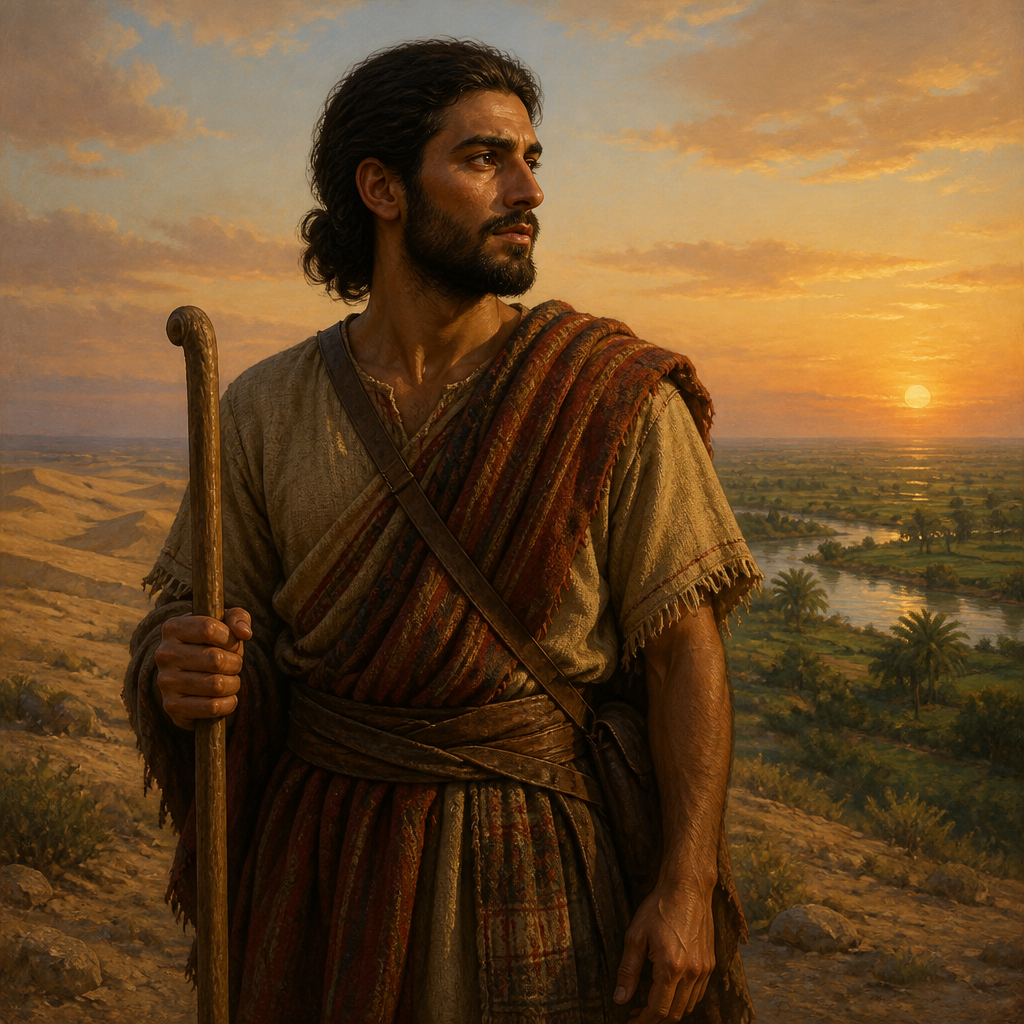 IshvahThis page
 Beriah, Son of AsherBrotherGenesis 46:17Stated
 Imnah, Son of AsherBrotherGenesis 46:17Stated
 IshviBrotherGenesis 46:17Stated
 SerahSisterGenesis 46:17Stated
Connected Figures
Family
Father · Genesis 46:17
Asher was the eighth son of Jacob, the second born to Zilpah, and the ancestral patriarch of the Tribe of Asher, known for the fertile lands and prosperity promised in his father's blessing.
PatriarchsFirst: Genesis 30:1315 versesPatriarchAsher
Brother · Genesis 46:17
A son of the patriarch Asher and founder of the Beriite clan, who traveled to Egypt with Jacob and established a prominent lineage within the Tribe of Asher.
Brother · Genesis 46:17
Imnah was the firstborn son of the patriarch Asher and the founder of the Imnite clan during the Egyptian sojourn and the Exodus.
Brother · Genesis 46:17
Ishvi was a son of Asher, a grandson of Jacob, and the foundational ancestor of the Ishvite clan within the tribe of Asher.
Sister · Genesis 46:17
The daughter of Asher who is uniquely listed among the descendants of Jacob migrating to Egypt and again in the census taken on the plains of Moab.
Egypt and WildernessFirst: Genesis 46:173 versesTribal matriarchAsher
Categories
Mentions by Book
- Genesis1
- 1 Chronicles1
Scripture References
All 2 indexed verses, in canonical order, from the Berean Standard Bible.
Genesis · 1
- Genesis 46:17
The children of Asher: Imnah, Ishvah, Ishvi, Beriah, and their sister Serah. The sons of Beriah: Heber and Malchiel.
1 Chronicles · 1
- 1 Chronicles 7:30
The children of Asher: Imnah, Ishvah, Ishvi, Beriah, and their sister Serah.