Hareph
Who was Hareph in the Bible?
A descendant of Judah and son of Hur who is recorded as the founding father of the settlement of Beth-gader during the Egyptian sojourn and wilderness era.
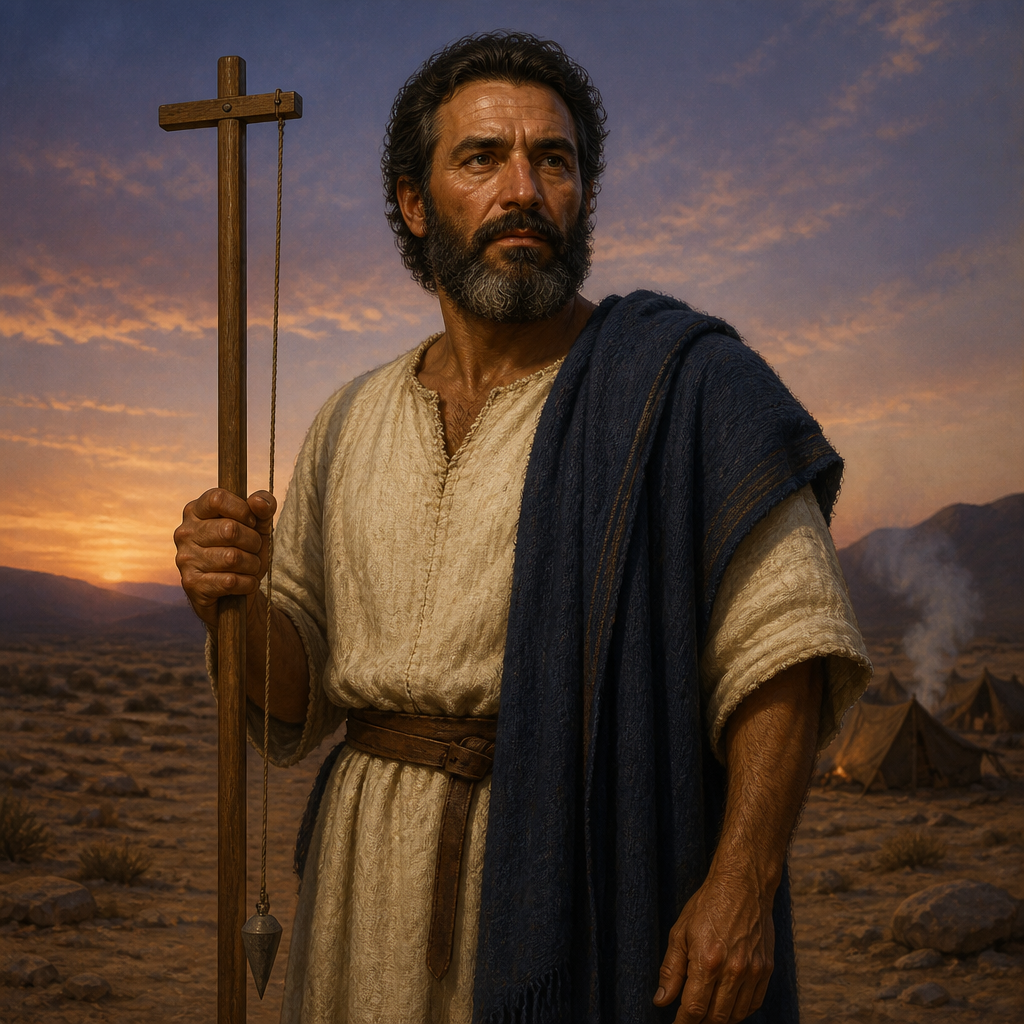
Hareph is a minor biblical figure belonging to the prominent Tribe of Judah. His name appears within the genealogical records of 1 Chronicles, specifically identifying him as a member of the clan of Caleb, the son of Hur. As a descendant of Hur, he was part of the foundational lineage that shaped the territorial distribution of the tribe of Judah following the exodus from Egypt and during the subsequent settlement periods.
Hareph is primarily recognized for his role as the "father of Beth-gader." In biblical genealogical terminology, this often denotes that he was either the literal biological ancestor of the inhabitants of that town or the individual responsible for its initial establishment and fortification. His life is situated within the transition from the Egyptian sojourn into the early developmental stages of Israel's national identity.
Background and Family
Hareph emerged from the senior lineage of the Tribe of Judah. The Chronicler places him within the household of Hur, who was the firstborn of Ephrathah (1 Chronicles 2:50). As a son of Hur, Hareph shared his immediate family circle with several prominent siblings, including Shobal, the father of Kiriath-jearim, and Salma, the father of Bethlehem. His extended family included other notable figures such as Uri (the father of Bezalel, the Tabernacle's chief artisan), Penuel, Ezer, Jezreel, Ishma, Idbash, and his sister Hazzelelponi.
This placement within the genealogy of Hur is significant. Hur is traditionally associated with the leadership of Israel during the wilderness wanderings, often identified as the same Hur who assisted Aaron in supporting Moses’ hands during the battle against Amalek (Exodus 17:10–12). Consequently, Hareph was born into a family of high administrative and spiritual standing within the camp of Israel.
Major Life Events
The biblical record for Hareph is exceptionally concise, contained entirely within a single verse: "Salma the father of Bethlehem, and Hareph the father of Beth-gader" (1 Chronicles 2:51). The lack of narrative detail suggests that he was a figure of local rather than national prominence, focused on the stabilization and growth of his specific clan.
His designation as the "father of Beth-gader" is his sole defining achievement. Beth-gader (often identified with Geder) was a location in the lowland or hill country of Judah. In the context of the wilderness era and the subsequent conquest, Hareph represents the administrative effort to organize the tribe into distinct territorial units. While he is not credited with military exploits or prophetic utterances, his role was essential for the logistical continuity of the tribe of Judah.
Relationship to Other Biblical Figures
Hareph’s identity is defined largely through his proximity to more famous relatives. His brother, Uri, produced Bezalel, the man filled with the Spirit of God to construct the Tabernacle. His other brother, Salma, is listed as the founder of Bethlehem, the eventual birthplace of King David and Jesus Christ. Within this structure, Hareph serves as a link in the sprawling network of the Judean aristocracy that maintained the tribe’s integrity during the transition from wandering to settled life.
Spiritual Significance
While Hareph is not the subject of theological discourse in the scriptures, his inclusion in the sacred record serves a specific purpose. By documenting men like Hareph, the Chronicler reinforces the idea that the inheritance of the Promised Land was not a vague national event, but a specific fulfillment of God's promise to individual families. Hareph represents the "silent majority" of the faithful who contributed to the building of the nation by establishing homes, towns, and legacies that would sustain the people of Israel for generations. His presence in the text affirms that every branch of the chosen people, however brief their mention, was known and recorded in the heritage of the covenant.
Hareph’s significance lies in his role as a foundational patriarch for the town of Beth-gader within the territory of Judah. His genealogy connects the era of the Egyptian sojourn to the eventual settlement of Canaan, illustrating the organized structure of the Tribe of Judah during the wilderness period. He serves as a representative of the administrative development of Israelite society.
Frequently Asked Questions
Who was Hareph's father?
Hareph was the son of Hur, a prominent leader from the Tribe of Judah and the firstborn of Ephrathah.
What town did Hareph found?
Hareph is described as the 'father of Beth-gader,' indicating he was the founder or primary ancestor of that settlement.
Which tribe did Hareph belong to?
Hareph was a member of the Tribe of Judah, specifically within the clan of Caleb and the line of Hur.
Who were Hareph's famous relatives?
His brother Salma founded Bethlehem, and his nephew Bezalel was the chief craftsman of the Tabernacle.
Where is Hareph mentioned in the Bible?
Hareph is mentioned only once in the Bible, in the genealogical records of 1 Chronicles 2:51.
Family & Relationships
Parents
 Hur of the Tribe of JudahFather1 Chronicles 2:50–51Stated
 HarephThis page
 Uri, Father of BezalelBrotherExodus 31:2Stated
 Ezer, Son of HurBrother1 Chronicles 2:50
Inferred
No verse names Ezer and Hareph together; the brother link is carried from the surrounding genealogy and is not stated in Scripture.Evidence: 1 Chronicles 2:50; 1 Chronicles 4:4
 HazzelelponiSister1 Chronicles 2:50
Inferred
No verse names Hazzelelponi and Hareph together; the brother link is carried from the surrounding genealogy and is not stated in Scripture.Evidence: 1 Chronicles 2:50; 1 Chronicles 4:1
 IdbashBrother1 Chronicles 2:50
Inferred
No verse names Idbash and Hareph together; the brother link is carried from the surrounding genealogy and is not stated in Scripture.Evidence: 1 Chronicles 2:50; 1 Chronicles 4:1
 IshmaBrother1 Chronicles 2:50
Inferred
No verse names Ishma and Hareph together; the brother link is carried from the surrounding genealogy and is not stated in Scripture.Evidence: 1 Chronicles 2:50; 1 Chronicles 4:1
 Jezreel, Son of HurBrother1 Chronicles 2:50
Inferred
No verse names Jezreel and Hareph together; the brother link is carried from the surrounding genealogy and is not stated in Scripture.Evidence: 1 Chronicles 2:50; 1 Chronicles 4:1
 Penuel, Son of HurBrother1 Chronicles 2:50
Inferred
No verse names Penuel and Hareph together; the brother link is carried from the surrounding genealogy and is not stated in Scripture.Evidence: 1 Chronicles 2:50; 1 Chronicles 4:4
 SalmaBrother1 Chronicles 2:51Stated
 Shobal, Son of HurBrother1 Chronicles 2:50–51Stated
Connected Figures
Family
Father · 1 Chronicles 2:50–51
A prominent leader of the tribe of Judah who supported Moses' hands during the battle against Amalek and served as a temporary leader of Israel.
Brother · Exodus 31:2
Uri was a member of the Tribe of Judah, the son of Hur and father of Bezalel, the chief artisan of the Tabernacle.
Brother · 1 Chronicles 2:50
Ezer was a descendant of Judah through the line of Hur and the father of Hushah, recognized in the genealogies of the chronicler.
Sister · 1 Chronicles 2:50
Hazzelelponi was a woman of the tribe of Judah, listed in the genealogical records of the descendants of Hur during the era of the Egyptian sojourn and the Wilderness.
Brother · 1 Chronicles 2:50
A descendant of Judah through the line of Hur, listed among the sons of Etam in the genealogical records of the Chronicler.
Brother · 1 Chronicles 2:50
A descendant of the tribe of Judah and a son of Hur, mentioned in the genealogical records of 1 Chronicles during the era of the Egyptian sojourn and Wilderness wanderings.
Brother · 1 Chronicles 2:50
A member of the Tribe of Judah during the Egyptian sojourn and wilderness era, listed as a prominent son of Hur.
Brother · 1 Chronicles 2:50
A descendant of Judah and the son of Hur who is recognized as the father of Gedor in the post-exilic genealogical records of the Chronicler.
Egypt and WildernessFirst: 1 Chronicles 4:44 versesprogenitorJudah
Brother · 1 Chronicles 2:51
A prominent leader of the tribe of Judah and son of Hur, recognized as the 'father' or founder of the settlement of Bethlehem.
Egypt and WildernessFirst: 1 Chronicles 2:517 versesfounder of BethlehemJudah
Brother · 1 Chronicles 2:50–51
A prominent leader of the tribe of Judah and the son of Hur, known as the 'father' or founder of the settlement of Kiriath-jearim.
Egypt and WildernessFirst: 1 Chronicles 2:508 versesCity FounderJudah
Categories
Mentions by Book
- Exodus1
- 1 Chronicles4
Scripture References
All 5 indexed verses, in canonical order, from the Berean Standard Bible.
Exodus · 1
- Exodus 31:2Partial
“See, I have called by name Bezalel son of Uri, the son of Hur, of the tribe of Judah.
Cited as evidence on a family card; added so References, Key Verses and Mentions by Book share one index.
1 Chronicles · 4
- 1 Chronicles 2:50Partial
These were the descendants of Caleb. The sons of Hur the firstborn of Ephrathah: Shobal the father of Kiriath-jearim,
Cited as evidence on a family card; added so References, Key Verses and Mentions by Book share one index.
- 1 Chronicles 2:51
Salma the father of Bethlehem, and Hareph the father of Beth-gader.
- 1 Chronicles 4:3Partial
These were the sons of Etam: Jezreel, Ishma, and Idbash. And their sister was named Hazzelelponi.
Cited as evidence on a family card; added so References, Key Verses and Mentions by Book share one index.
- 1 Chronicles 4:4Partial
Penuel was the father of Gedor, and Ezer was the father of Hushah. These were the descendants of Hur, the firstborn of Ephrathah and the father of Bethlehem.
Cited as evidence on a family card; added so References, Key Verses and Mentions by Book share one index.