Ishma
Who was Ishma in the Bible?
A descendant of the tribe of Judah and a son of Hur, mentioned in the genealogical records of 1 Chronicles during the era of the Egyptian sojourn and Wilderness wanderings.
Ishma is a figure appearing in the genealogical records of the tribe of Judah. He is identified as one of the sons of Hur, a prominent figure within the lineage of Etam. His inclusion in the biblical text serves to establish the ancestral lines of the Judean families during the formative years of Israel’s tribal history, specifically during the era encompassing the sojourn in Egypt and the subsequent Wilderness period.
While Ishma’s personal narrative is not detailed in the biblical text, his presence in the Chronicles serves a vital structural purpose. He is listed alongside his brothers Jezreel and Idbash, and his sister Hazzelelponi. As a member of the house of Hur, Ishma is part of a significant branch of Judah that produced notable figures such as Bezalel, the chief artisan of the Tabernacle.
Background and Family
Ishma is situated within the complex and vital genealogy of the tribe of Judah, the royal tribe of Israel. According to 1 Chronicles 4:3, Ishma is categorized as one of the "sons of Etam." In the broader context of the chapter, he is identified as a son of Hur, a major leader in the tribe of Judah. The biblical record identifies a large circle of siblings and half-siblings, reflecting the expansive nature of the house of Hur. His brothers include Jezreel and Idbash, and he has a sister named Hazzelelponi. Further genealogical links connect him as a sibling to Uri (the father of Bezalel), Shobal, Salma, Hareph, Penuel, and Ezer.
Major Life Events
The biblical text provides no specific narrative events regarding Ishma's life, deeds, or death. His historical footprint is limited entirely to his placement within the genealogical lists of the Chronicler. These lists were compiled to verify the heritage and land claims of the Israelite families. Ishma represents a specific sub-branch of the Judean population that maintained its identity through the transition from the Egyptian sojourn into the settlement of the Promised Land.
Relationship to Other Biblical Figures
Ishma’s primary significance in the text is his relationship to the house of Hur. Hur is traditionally associated with the leadership of Israel during the Exodus, often identified as the same Hur who assisted Aaron in holding up Moses' hands during the battle against the Amalekites (Exodus 17:10-12). Through his brother Uri, Ishma is the uncle of Bezalel, the man filled with the Spirit of God to construct the Tabernacle and its sacred furnishings. This places Ishma in the inner circle of the most influential family of the tribe of Judah during the Wilderness era.
Spiritual Significance
Though Ishma is mentioned only once, his inclusion in the Holy Scripture underscores the biblical theme of divine remembrance. In the context of 1 Chronicles, every name listed serves as a testimony to God's faithfulness in preserving the lines of the covenant people. Ishma’s name, which may be related to the root meaning "desolation" or "distinction," stands as a permanent marker of a specific Judean family's place in the community of faith.
Ishma’s theological significance lies in his contribution to the genealogical integrity of the tribe of Judah. As a son of Hur, he represents the continuity of the Davidic line's tribal relatives. His presence in the record ensures that the history of Judah is not merely a list of kings, but a comprehensive account of a people preserved by God through the hardships of Egypt and the trials of the Wilderness.
Furthermore, as a sibling to the father of Bezalel, Ishma is linked to the generation that saw the direct manifestation of God's presence in the Tabernacle. His name contributes to the 'cloud of witnesses' that defines the identity of the nation of Israel as a structured, familial society under the law of God.
Frequently Asked Questions
Who was Ishma's father?
Ishma was the son of Hur, a prominent member of the tribe of Judah.
Which tribe did Ishma belong to?
Ishma belonged to the tribe of Judah.
Who were Ishma's siblings?
His siblings included Jezreel, Idbash, and his sister Hazzelelponi, as well as Uri, Shobal, Salma, Hareph, Penuel, and Ezer.
What does the name Ishma mean?
The name Ishma (יִשְׁמָא) is derived from a Hebrew root that can mean 'desolate' or 'distinction,' though its specific meaning in this context is debated.
Where is Ishma mentioned in the Bible?
Ishma is mentioned only once, in 1 Chronicles 4:3.
Family & Relationships
Parents
 Hur of the Tribe of JudahFather1 Chronicles 4:3–4Stated
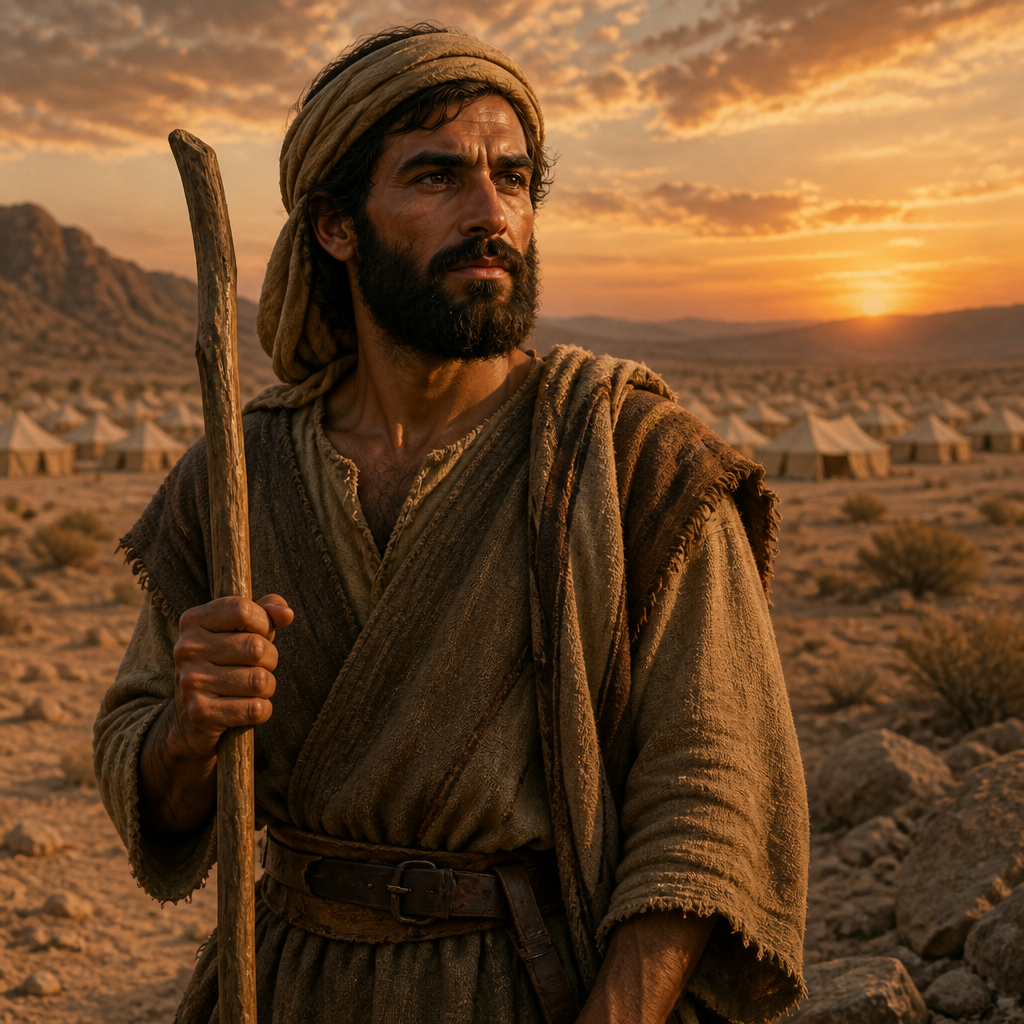 IshmaThis page
 Uri, Father of BezalelBrotherExodus 31:2
Inferred
No verse names Ishma and Uri together; the brother link is carried from the surrounding genealogy and is not stated in Scripture.Evidence: Exodus 31:2; 1 Chronicles 4:1
 Ezer, Son of HurBrother1 Chronicles 4:3–4Stated
 HarephBrother1 Chronicles 2:50
Inferred
No verse names Ishma and Hareph together; the brother link is carried from the surrounding genealogy and is not stated in Scripture.Evidence: 1 Chronicles 2:50; 1 Chronicles 4:1
 HazzelelponiSister1 Chronicles 4:3Stated
 IdbashBrother1 Chronicles 4:3Stated
 Jezreel, Son of HurBrother1 Chronicles 4:3Stated
 Penuel, Son of HurBrother1 Chronicles 4:3–4Stated
 SalmaBrother1 Chronicles 2:50
Inferred
No verse names Ishma and Salma together; the brother link is carried from the surrounding genealogy and is not stated in Scripture.Evidence: 1 Chronicles 2:50; 1 Chronicles 4:1
 Shobal, Son of HurBrother1 Chronicles 2:50
Inferred
No verse names Ishma and Shobal together; the brother link is carried from the surrounding genealogy and is not stated in Scripture.Evidence: 1 Chronicles 2:50; 1 Chronicles 4:1
Connected Figures
Family
Father · 1 Chronicles 4:3–4
A prominent leader of the tribe of Judah who supported Moses' hands during the battle against Amalek and served as a temporary leader of Israel.
Brother · Exodus 31:2
Uri was a member of the Tribe of Judah, the son of Hur and father of Bezalel, the chief artisan of the Tabernacle.
Brother · 1 Chronicles 4:3–4
Ezer was a descendant of Judah through the line of Hur and the father of Hushah, recognized in the genealogies of the chronicler.
Brother · 1 Chronicles 2:50
A descendant of Judah and son of Hur who is recorded as the founding father of the settlement of Beth-gader during the Egyptian sojourn and wilderness era.
Egypt and WildernessFirst: 1 Chronicles 2:515 versesFounder of Beth-gaderJudah
Sister · 1 Chronicles 4:3
Hazzelelponi was a woman of the tribe of Judah, listed in the genealogical records of the descendants of Hur during the era of the Egyptian sojourn and the Wilderness.
Brother · 1 Chronicles 4:3
A descendant of Judah through the line of Hur, listed among the sons of Etam in the genealogical records of the Chronicler.
Brother · 1 Chronicles 4:3
A member of the Tribe of Judah during the Egyptian sojourn and wilderness era, listed as a prominent son of Hur.
Brother · 1 Chronicles 4:3–4
A descendant of Judah and the son of Hur who is recognized as the father of Gedor in the post-exilic genealogical records of the Chronicler.
Egypt and WildernessFirst: 1 Chronicles 4:44 versesprogenitorJudah
Brother · 1 Chronicles 2:50
A prominent leader of the tribe of Judah and son of Hur, recognized as the 'father' or founder of the settlement of Bethlehem.
Egypt and WildernessFirst: 1 Chronicles 2:517 versesfounder of BethlehemJudah
Brother · 1 Chronicles 2:50
A prominent leader of the tribe of Judah and the son of Hur, known as the 'father' or founder of the settlement of Kiriath-jearim.
Egypt and WildernessFirst: 1 Chronicles 2:508 versesCity FounderJudah
Categories
Mentions by Book
- Exodus1
- 1 Chronicles3
Scripture References
All 4 indexed verses, in canonical order, from the Berean Standard Bible.
Exodus · 1
- Exodus 31:2Partial
“See, I have called by name Bezalel son of Uri, the son of Hur, of the tribe of Judah.
Cited as evidence on a family card; added so References, Key Verses and Mentions by Book share one index.
1 Chronicles · 3
- 1 Chronicles 2:50Partial
These were the descendants of Caleb. The sons of Hur the firstborn of Ephrathah: Shobal the father of Kiriath-jearim,
Cited as evidence on a family card; added so References, Key Verses and Mentions by Book share one index.
- 1 Chronicles 4:3
These were the sons of Etam: Jezreel, Ishma, and Idbash. And their sister was named Hazzelelponi.
- 1 Chronicles 4:4Partial
Penuel was the father of Gedor, and Ezer was the father of Hushah. These were the descendants of Hur, the firstborn of Ephrathah and the father of Bethlehem.
Cited as evidence on a family card; added so References, Key Verses and Mentions by Book share one index.