Salma
Who was Salma in the Bible?
A prominent leader of the tribe of Judah and son of Hur, recognized as the 'father' or founder of the settlement of Bethlehem.
Salma was a significant figure within the genealogical records of the tribe of Judah during the period of the Egyptian sojourn and the transition toward the settlement of Canaan. As a son of Hur and a grandson of Caleb, Salma occupied a position of ancestral authority. He is uniquely identified in the Chronicler’s records as the 'father of Bethlehem,' a title that denotes his role as the founder, primary settler, or chieftain of the region that would later become the birthplace of King David and Jesus Christ.
While his direct narrative actions are not detailed in the biblical text, his inclusion in the post-exilic genealogical summaries of 1 Chronicles underscores his importance in establishing the territorial identity of Judah. His descendants, including the Netophathites and the inhabitants of Atroth-beth-joab, formed the social and geographical fabric of the Judean highlands.
Background and Family
Salma was a member of the tribe of Judah, the most prominent of the twelve tribes of Israel. According to the genealogical records in 1 Chronicles 2, he was the son of Hur. His father, Hur, was a distinguished figure in the Judean line, often identified as the son of Caleb and Ephrath. This lineage places Salma within the influential Calebite branch of Judah.
Salma was part of a large and complex family network. His siblings included Shobal (the father of Kiriath-jearim), Hareph (the father of Beth-gader), and Uri (the father of Bezalel, the master craftsman of the Tabernacle). The records also list several other siblings, including Jezreel, Ishma, Idbash, Hazzelelponi, Penuel, and Ezer. This extensive family tree highlights the expansion of the tribe of Judah during the generations spanning the Egyptian sojourn and the entry into the Promised Land.
Major Life Events
The biblical record for Salma is purely genealogical, focusing on his role as a progenitor and founder rather than providing a narrative of his personal deeds. His primary legacy is his designation as the "father of Bethlehem" (1 Chronicles 2:51). In this context, "father" likely refers to Salma being the clan leader who originally settled or rebuilt the town of Bethlehem-Ephrathah.
Following the settlement of the region, Salma’s descendants expanded into various sub-clans and nearby locations. 1 Chronicles 2:54 lists his progeny as including the people of Bethlehem, the Netophathites, the inhabitants of Atroth-beth-joab, half of the Manahathites, and the Zorites. These groups remained distinct entities within the tribal territory of Judah for centuries, preserving the name and legacy of Salma as their foundational ancestor.
Relationship to Other Biblical Figures
Salma’s most notable relationship is his connection to the town of Bethlehem. As its founder, he established the ancestral home for the house of Jesse and eventually King David. Furthermore, Salma was the uncle of Bezalel, the man divinely inspired to construct the Ark of the Covenant and the Tabernacle (1 Chronicles 2:20, 50-51). This places Salma in the inner circle of the tribe's elite leadership during the formative years of Israel’s national identity. He is also identified as the parent of Elimelech, further cementing his genealogical importance in the Judean narrative.
Spiritual Significance
Though Salma is a minor figure in terms of narrative space, his spiritual significance lies in the fulfillment of the Abrahamic promise regarding the inheritance of the land. By establishing Bethlehem, Salma unwittingly prepared the stage for the messianic line. His life represents the steady, foundational work of settling the land and building the communities that would eventually host the central events of redemptive history.
Salma serves as a vital genealogical link in the tribe of Judah, specifically connecting the family of Hur to the establishment of Bethlehem. His role as the 'father of Bethlehem' is significant because it provides the historical and tribal foundation for the city that would eventually become the focal point of the Davidic covenant and the Nativity of Jesus.
In the broader context of the Old Testament, Salma’s inclusion in the genealogies of 1 Chronicles highlights the importance of tribal heritage and the physical occupation of the Promised Land.
Frequently Asked Questions
What does it mean that Salma was the 'father of Bethlehem'?
In biblical genealogies, 'father' often refers to the founder, primary settler, or tribal chieftain of a city rather than a biological parent of a person named Bethlehem.
Who was Salma’s father?
Salma was the son of Hur, who was a descendant of Caleb from the tribe of Judah.
Was Salma related to Bezalel?
Yes, Salma was the brother of Uri, making him the uncle of Bezalel, the craftsman who built the Tabernacle.
Which groups descended from Salma?
His descendants included the Netophathites, the people of Atroth-beth-joab, the Zorites, and half of the Manahathites.
In which book of the Bible is Salma mentioned?
Salma is mentioned in the genealogical records of 1 Chronicles, specifically in chapter 2.
Family & Relationships
Parents
 Hur of the Tribe of JudahFather1 Chronicles 2:50–51Stated
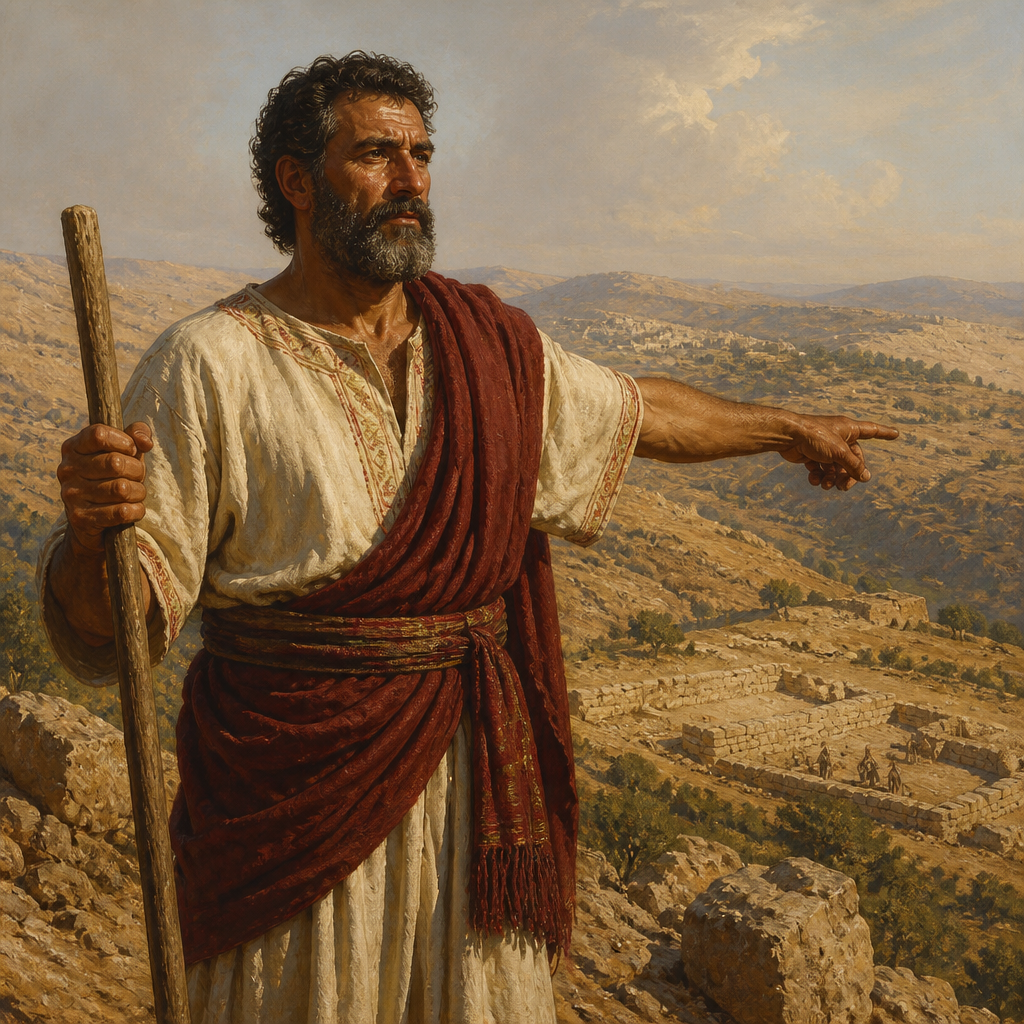 SalmaThis page
 Uri, Father of BezalelBrotherExodus 31:2Stated
 Ezer, Son of HurBrother1 Chronicles 2:50
Inferred
No verse names Ezer and Salma together; the brother link is carried from the surrounding genealogy and is not stated in Scripture.Evidence: 1 Chronicles 2:50; 1 Chronicles 4:4
 HarephBrother1 Chronicles 2:51Stated
 HazzelelponiSister1 Chronicles 2:50
Inferred
No verse names Salma and Hazzelelponi together; the sister link is carried from the surrounding genealogy and is not stated in Scripture.Evidence: 1 Chronicles 2:50; 1 Chronicles 4:1
 IdbashBrother1 Chronicles 2:50
Inferred
No verse names Idbash and Salma together; the brother link is carried from the surrounding genealogy and is not stated in Scripture.Evidence: 1 Chronicles 2:50; 1 Chronicles 4:1
 IshmaBrother1 Chronicles 2:50
Inferred
No verse names Ishma and Salma together; the brother link is carried from the surrounding genealogy and is not stated in Scripture.Evidence: 1 Chronicles 2:50; 1 Chronicles 4:1
 Jezreel, Son of HurBrother1 Chronicles 2:50
Inferred
No verse names Jezreel and Salma together; the brother link is carried from the surrounding genealogy and is not stated in Scripture.Evidence: 1 Chronicles 2:50; 1 Chronicles 4:1
 Penuel, Son of HurBrother1 Chronicles 2:50
Inferred
No verse names Penuel and Salma together; the brother link is carried from the surrounding genealogy and is not stated in Scripture.Evidence: 1 Chronicles 2:50; 1 Chronicles 4:4
 Shobal, Son of HurBrother1 Chronicles 2:50–51Stated
Children
 ElimelechSonRuth 1:2
Inferred
No verse names Elimelech and Salma together; the father link is carried from the surrounding genealogy and is not stated in Scripture.Evidence: Ruth 1:2
Connected Figures
Family
Father · 1 Chronicles 2:50–51
A prominent leader of the tribe of Judah who supported Moses' hands during the battle against Amalek and served as a temporary leader of Israel.
Son · Ruth 1:2
A man of Bethlehem in Judah who moved his family to Moab during a famine, serving as the patriarchal head of the family featured in the Book of Ruth.
Brother · Exodus 31:2
Uri was a member of the Tribe of Judah, the son of Hur and father of Bezalel, the chief artisan of the Tabernacle.
Brother · 1 Chronicles 2:50
Ezer was a descendant of Judah through the line of Hur and the father of Hushah, recognized in the genealogies of the chronicler.
Brother · 1 Chronicles 2:51
A descendant of Judah and son of Hur who is recorded as the founding father of the settlement of Beth-gader during the Egyptian sojourn and wilderness era.
Egypt and WildernessFirst: 1 Chronicles 2:515 versesFounder of Beth-gaderJudah
Sister · 1 Chronicles 2:50
Hazzelelponi was a woman of the tribe of Judah, listed in the genealogical records of the descendants of Hur during the era of the Egyptian sojourn and the Wilderness.
Brother · 1 Chronicles 2:50
A descendant of Judah through the line of Hur, listed among the sons of Etam in the genealogical records of the Chronicler.
Brother · 1 Chronicles 2:50
A descendant of the tribe of Judah and a son of Hur, mentioned in the genealogical records of 1 Chronicles during the era of the Egyptian sojourn and Wilderness wanderings.
Brother · 1 Chronicles 2:50
A member of the Tribe of Judah during the Egyptian sojourn and wilderness era, listed as a prominent son of Hur.
Brother · 1 Chronicles 2:50
A descendant of Judah and the son of Hur who is recognized as the father of Gedor in the post-exilic genealogical records of the Chronicler.
Egypt and WildernessFirst: 1 Chronicles 4:44 versesprogenitorJudah
Brother · 1 Chronicles 2:50–51
A prominent leader of the tribe of Judah and the son of Hur, known as the 'father' or founder of the settlement of Kiriath-jearim.
Egypt and WildernessFirst: 1 Chronicles 2:508 versesCity FounderJudah
Categories
Mentions by Book
- Exodus1
- Ruth1
- 1 Chronicles5
Scripture References
All 7 indexed verses, in canonical order, from the Berean Standard Bible.
Exodus · 1
- Exodus 31:2Partial
“See, I have called by name Bezalel son of Uri, the son of Hur, of the tribe of Judah.
Cited as evidence on a family card; added so References, Key Verses and Mentions by Book share one index.
Ruth · 1
- Ruth 1:2Partial
The man’s name was Elimelech, his wife’s name was Naomi, and the names of his two sons were Mahlon and Chilion. They were Ephrathites from Bethlehem in Judah, and they entered the land of Moab and settled there.
Cited as evidence on a family card; added so References, Key Verses and Mentions by Book share one index.
1 Chronicles · 5
- 1 Chronicles 2:50Partial
These were the descendants of Caleb. The sons of Hur the firstborn of Ephrathah: Shobal the father of Kiriath-jearim,
Cited as evidence on a family card; added so References, Key Verses and Mentions by Book share one index.
- 1 Chronicles 2:51
Salma the father of Bethlehem, and Hareph the father of Beth-gader.
- 1 Chronicles 2:54
The descendants of Salma: Bethlehem, the Netophathites, Atroth-beth-joab, half the Manahathites, the Zorites,
- 1 Chronicles 4:3Partial
These were the sons of Etam: Jezreel, Ishma, and Idbash. And their sister was named Hazzelelponi.
Cited as evidence on a family card; added so References, Key Verses and Mentions by Book share one index.
- 1 Chronicles 4:4Partial
Penuel was the father of Gedor, and Ezer was the father of Hushah. These were the descendants of Hur, the firstborn of Ephrathah and the father of Bethlehem.
Cited as evidence on a family card; added so References, Key Verses and Mentions by Book share one index.