Elead
Who was Elead in the Bible?
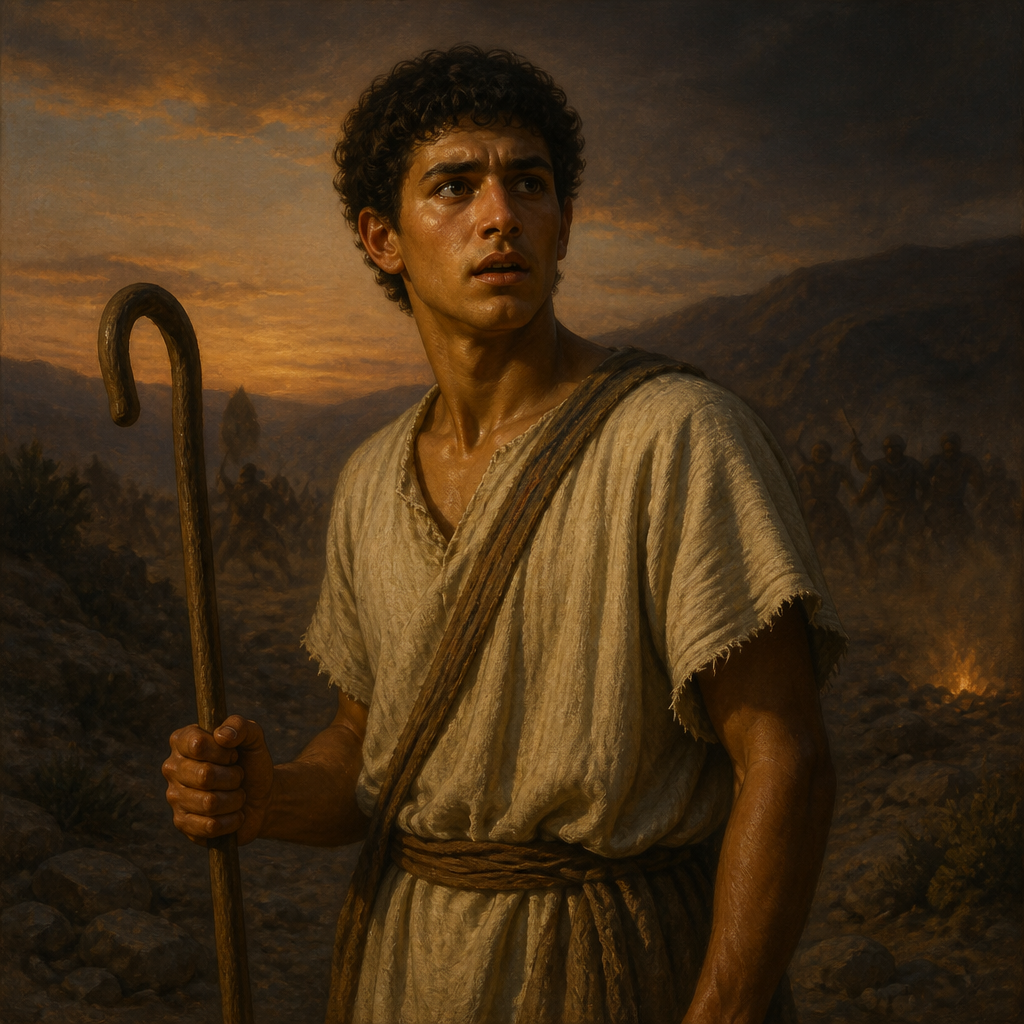
Elead was a son of the patriarch Ephraim who was killed by the inhabitants of Gath during a livestock raid while the Israelites were in Egypt.
Elead was a member of the Tribe of Ephraim, identified in the genealogical records of 1 Chronicles as a direct son of Ephraim. His life is characterized by a brief and tragic mention in the biblical narrative, occurring during the period of the Israelite sojourn in Egypt before the Exodus.
Elead is primarily remembered for the circumstances of his death. Along with his brother Ezer, he was slain by the native inhabitants of Gath. This event caused significant grief for their father, Ephraim, and stands as one of the few detailed anecdotes within the early tribal genealogies of the Chronicler.
Background and Family
Elead was a son of Ephraim, the younger son of Joseph, placing him in the third generation of Israelites living in Egypt. According to the genealogical record in 1 Chronicles 7:20-21, Elead’s immediate family included his brothers Shuthelah, Becher, Tahan, Ezer, and later Beriah. The text lists several generations of Ephraimites, but Elead is specifically grouped with Ezer as a contemporary son of the patriarch who met a premature end. This lineage establishes Elead as a great-grandson of Jacob, deeply embedded in the formative years of the Ephraimite tribal identity.
Major Life Events
The only recorded event in Elead’s life is the conflict that led to his death. The Chronicler records that Elead and Ezer "went down to steal [the] livestock" belonging to the men of Gath (1 Chronicles 7:21). The "men of Gath" were likely Philistines or native Canaanites who resided in the coastal plains. During this excursion, a skirmish ensued, and the residents of Gath killed both Elead and his brother.
This event is historically significant as it suggests that even while the Israelites were settled in the land of Goshen in Egypt, there was movement and conflict between them and the inhabitants of Canaan. Whether this was an unauthorized raid or a desperate attempt to secure resources, it resulted in a devastating loss for the house of Ephraim.
Relationship to Other Biblical Figures
Elead’s primary relationship is with his father, Ephraim. The scripture notes that after the death of Elead and Ezer, "Ephraim their father mourned many days, and his brothers came to comfort him" (1 Chronicles 7:22). This highlights the personal impact of Elead's death on the tribal patriarch. Furthermore, Elead was the brother of Beriah, who was born following this tragedy and named to commemorate the misfortune that had befallen the family.
Spiritual Significance
Though the mention of Elead is brief, his story serves as a sober reminder of the volatility of the period between the settlement of Joseph’s family and the rise of Moses. In a theological context, the death of Elead illustrates the reality of grief within the covenant family. Even those who were part of the promised lineage were not exempt from the consequences of conflict or the fragility of life. His death also provides the narrative impetus for the birth of Beriah, through whom the line of Ephraim continued toward future leaders like Joshua.
Elead represents the early struggles of the Tribe of Ephraim during the Egyptian sojourn. His death in a skirmish over livestock provides a rare glimpse into the historical tensions between the Israelites in Egypt and the inhabitants of Canaan prior to the conquest. The mourning of his father, Ephraim, emphasizes the human element of the genealogical lists, transforming a name into a narrative of loss and tribal resilience.
Frequently Asked Questions
How did Elead die?
Elead was killed by the men of Gath because he and his brother Ezer went down to steal their livestock.
Who was Elead's father?
Elead was the son of Ephraim, the son of Joseph.
In which book of the Bible is Elead mentioned?
Elead is mentioned only in 1 Chronicles 7:21.
Who were Elead's brothers?
His brothers included Shuthelah, Becher, Tahan, Ezer, and Beriah.
What is the meaning of Elead's name?
The name Elead is generally understood to mean 'God has testified' or 'God is Witness' in Hebrew.
Family & Relationships
Parents
 EphraimFather1 Chronicles 7:20–21Stated
 EleadThis page
 Becher, Son of EphraimBrotherNumbers 26:35
Inferred
Reconstructed through Shuthelah: Numbers 26:35 ties Becher to Shuthelah; 1 Chronicles 7:21 ties Shuthelah to Elead. No verse states the brother link between Becher and Elead directly.Evidence: Numbers 26:35; 1 Chronicles 7:20
 Shuthelah, Son of EphraimBrother1 Chronicles 7:21Stated
 Tahan, Son of EphraimBrotherNumbers 26:35
Inferred
Reconstructed through Shuthelah: Numbers 26:35 ties Tahan to Shuthelah; 1 Chronicles 7:21 ties Shuthelah to Elead. No verse states the brother link between Tahan and Elead directly.Evidence: Numbers 26:35; 1 Chronicles 7:20
 Beriah, Son of EphraimBrother1 Chronicles 7:21–23Stated
 Ezer, Son of EphraimBrother1 Chronicles 7:21Stated
 Shuthelah, Son of ZabadBrother1 Chronicles 7:21Stated
Connected Figures
Family
Father · 1 Chronicles 7:20–21
The second son of Joseph and Asenath, Ephraim was adopted by his grandfather Jacob and received the primary blessing of the firstborn, becoming the progenitor of a dominant tribe in Israel.
PatriarchsFirst: Genesis 41:5216 versesPatriarchEphraim
Brother · Numbers 26:35
Becher was a son of Ephraim and the ancestral head of the Becherite clan within the tribe of Ephraim during the wilderness wanderings.
Egypt and WildernessFirst: Numbers 26:353 versesProgenitorEphraim
Brother · 1 Chronicles 7:21
Shuthelah was the firstborn son of Ephraim and the ancestral head of the Shuthelahite clan during the Israelite sojourn in Egypt.
Brother · Numbers 26:35
Tahan was a son of Ephraim and the ancestral head of the Tahanite clan within the tribe of Ephraim during the Egyptian sojourn.
Brother · 1 Chronicles 7:21–23
A son born to the patriarch Ephraim in his old age, named to commemorate a period of family tragedy following the death of his older brothers.
Brother · 1 Chronicles 7:21
Ezer was a son of the patriarch Ephraim who was killed by the men of Gath while attempting to seize livestock in the land of Canaan.
Egypt and WildernessFirst: 1 Chronicles 7:215 versesRaider / HerdsmanEphraim
Brother · 1 Chronicles 7:21
Shuthelah was a member of the tribe of Ephraim during the Egypt and Wilderness, identified as the son of Zabad and part of a lineage struck by tragedy in Gath.
Categories
Mentions by Book
- Numbers1
- 1 Chronicles4
Scripture References
All 5 indexed verses, in canonical order, from the Berean Standard Bible.
Numbers · 1
- Numbers 26:35Partial
These were the descendants of Ephraim by their clans: The Shuthelahite clan from Shuthelah, the Becherite clan from Becher, and the Tahanite clan from Tahan.
Cited as evidence on a family card; added so References, Key Verses and Mentions by Book share one index.
1 Chronicles · 4
- 1 Chronicles 7:20Partial
The descendants of Ephraim: Shuthelah, Bered his son, Tahath his son, Eleadah his son, Tahath his son,
Cited as evidence on a family card; added so References, Key Verses and Mentions by Book share one index.
- 1 Chronicles 7:21
Zabad his son, and Shuthelah his son. Ezer and Elead were killed by the natives of Gath, because they went down to steal their livestock.
- 1 Chronicles 7:22Partial
Their father Ephraim mourned for many days, and his relatives came to comfort him.
Cited as evidence on a family card; added so References, Key Verses and Mentions by Book share one index.
- 1 Chronicles 7:23Partial
And again he slept with his wife, and she conceived and gave birth to a son. So he named him Beriah, because tragedy had come upon his house.
Cited as evidence on a family card; added so References, Key Verses and Mentions by Book share one index.