Shuthelah, Son of Zabad
Who was Shuthelah, Son of Zabad, in the Bible?
Shuthelah was a member of the tribe of Ephraim during the Egypt and Wilderness, identified as the son of Zabad and part of a lineage struck by tragedy in Gath.
This is one of 2 people named Shuthelah in the Bible. See all 2 →
Shuthelah is a minor figure within the genealogical records of the tribe of Ephraim, documented specifically in the First Book of Chronicles. As the son of Zabad, he lived during the period of the Egypt and Wilderness, a time characterized by tribal consolidation and localized conflicts. His placement in the biblical text serves to bridge the lineage between Zabad and his brothers, Ezer and Elead.
His life is recorded against the backdrop of a violent cattle-raiding incident in the region of Gath. While Shuthelah is primarily mentioned to establish the line of descent, his presence in the text provides essential context for the sorrow of his ancestor Ephraim and the subsequent shifts in tribal inheritance. The record of his life is brief, contained within a single verse, yet it remains a permanent part of the chronicler's effort to preserve the integrity of the northern tribes.
Background and Family
Shuthelah appears in the genealogical archives of 1 Chronicles 7, a section of Scripture dedicated to restoring the identity of the tribes of Israel following their displacement. He is identified as the son of Zabad, a descendant of the house of Ephraim. The text establishes a clear line of succession: Zabad begat Shuthelah. The social standing of this family appears to be that of established clansmen within the northern territory, maintaining their tribal heritage even as the geopolitical landscape of the Egypt and Wilderness shifted.
Major Life Events
The biblical record provides no specific individual actions for Shuthelah other than his birth and his placement within the family tree. However, he is inextricably linked to the narrative surrounding his brothers, Ezer and Elead. According to 1 Chronicles 7:21, these men were killed by the natives of Gath. The conflict arose when the Ephraimites "went down to steal their livestock."
While the text identifies Ezer and Elead as the primary casualties of this skirmish, Shuthelah stands as the primary link in the genealogical chain that follows Zabad. This event was a significant catastrophe for the clan, leading to a period of deep mourning for their father (or ancestor) Ephraim. Shuthelah's inclusion in this specific list highlights the survival of certain branches of the family despite the localized wars and raids that plagued the border regions between Israelite territory and Philistine cities like Gath.
Relationship to Other Biblical Figures
Shuthelah is defined by his patrilineal connection to Zabad. He is also mentioned in close proximity to Ezer and Elead, who are listed as his brothers or near kinsmen. This familial group is presented as a tragic generation of Ephraimites whose lives were defined by the dangers of the pastoral life in a contested land. The Chronicler uses these names to demonstrate the continuity of the tribe of Ephraim, leading eventually to the birth of Beriah and the later emergence of Joshua, the son of Nun.
Spiritual Significance
The mention of Shuthelah within the tribal registries serves a dual purpose. Even figures who do not have extensive narratives are recorded to show that no part of the nation was truly lost to God’s memory.
Second, the context of Shuthelah’s family—specifically the death of his brothers—serves as a reminder of the fragility of life during the Egypt and Wilderness. The inclusion of his name validates the existence of the clan during a time of great upheaval, ensuring that the legacy of Zabad remained a matter of public record for future generations of Israelites.
Shuthelah’s presence in the biblical record is an example of the 'hidden' history of the tribe of Ephraim. His significance lies in his role as a genealogical placeholder, ensuring that the line of Zabad was documented alongside those who fell in the conflict at Gath. He represents the survival of the tribal identity through periods of grief and violence.
Furthermore, he illustrates the Chronicler's intent to provide a comprehensive history of Israel. By recording names like Shuthelah, the Bible affirms that every individual within the covenant community contributed to the ongoing story of God’s people, regardless of how little is known of their specific deeds.
Frequently Asked Questions
Who was Shuthelah's father?
Shuthelah was the son of Zabad, a descendant of the tribe of Ephraim.
What happened to Shuthelah's brothers?
His brothers, Ezer and Elead, were killed by the natives of Gath during a raid involving livestock.
In which book of the Bible is Shuthelah mentioned?
He is mentioned exclusively in 1 Chronicles 7:21.
Which tribe did Shuthelah belong to?
Shuthelah was a member of the Tribe of Ephraim.
Family & Relationships
Parents
 Zabad, Son of TahathFather1 Chronicles 7:21Stated
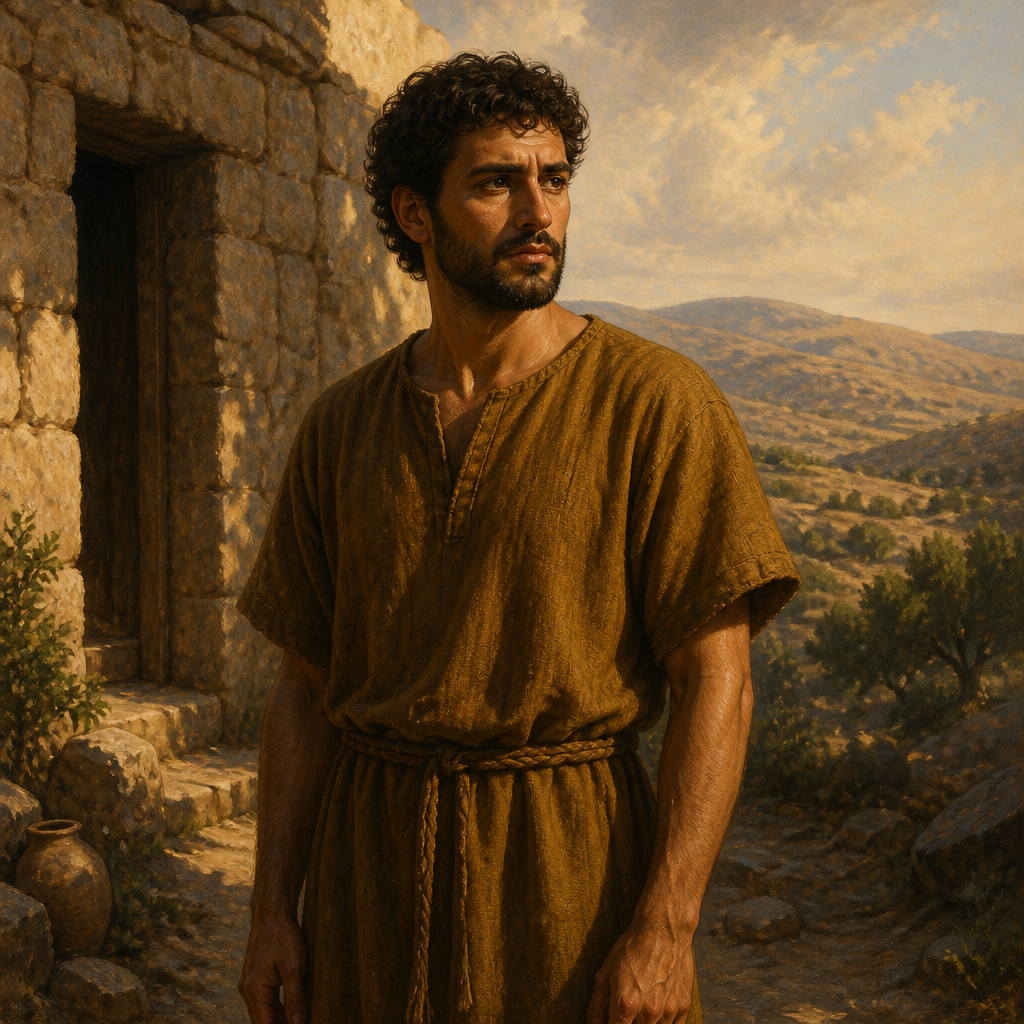 Shuthelah, Son of ZabadThis page
 EleadBrother1 Chronicles 7:21Stated
Connected Figures
Family
Father · 1 Chronicles 7:21
A descendant of Ephraim whose genealogy is recorded in the chronicles of the tribes during the period of the Egypt and Wilderness.
Egypt and WildernessFirst: 1 Chronicles 7:212 versesTribal leader or head of a householdEphraim
Brother · 1 Chronicles 7:21
Elead was a son of the patriarch Ephraim who was killed by the inhabitants of Gath during a livestock raid while the Israelites were in Egypt.
Categories
Mentions by Book
- 1 Chronicles1
Scripture References
All 1 indexed verse, in canonical order, from the Berean Standard Bible.
1 Chronicles · 1
- 1 Chronicles 7:21
Zabad his son, and Shuthelah his son. Ezer and Elead were killed by the natives of Gath, because they went down to steal their livestock.
Others Named Shuthelah
Compare all 2 bearers →Shuthelah, Son of EphraimNumbers 26:35
Shuthelah was the firstborn son of Ephraim and the ancestral head of the Shuthelahite clan during the Israelite sojourn in Egypt.