Obadiah, Official of Jehoshaphat
A high-ranking official appointed by King Jehoshaphat to educate the citizens of Judah in the Law of the LORD.
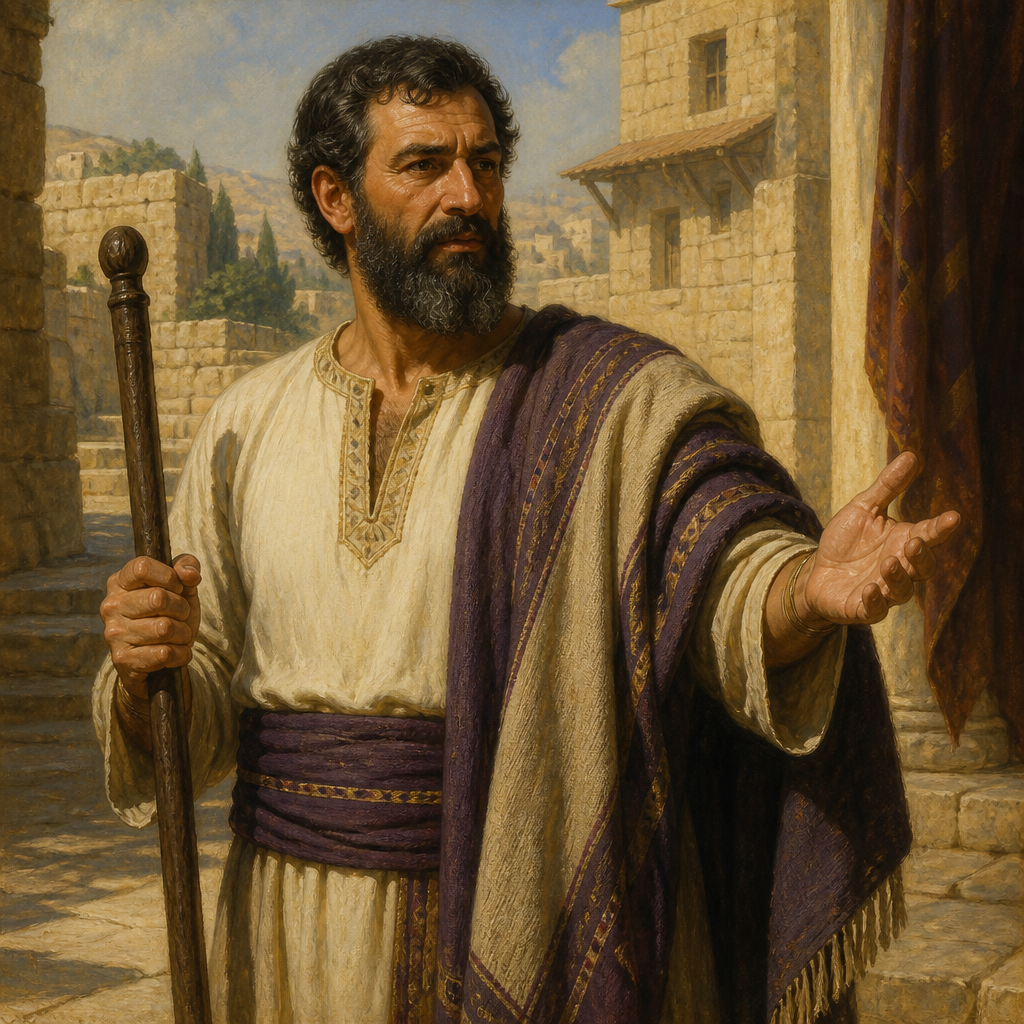
Obadiah was a prominent official serving in the southern kingdom of Judah during the 9th century BC. He rose to prominence during the reign of King Jehoshaphat, a monarch noted for his extensive religious and administrative reforms. Obadiah’s primary contribution to the biblical narrative is his role as a royal commissioner tasked with a nationwide educational mission to bring the knowledge of the Mosaic Law back to the common people.
While his individual genealogy and tribal affiliation are not recorded in the biblical text, his inclusion in the list of five key officials sent by the king suggests he held a position of significant trust and authority. His name, which means "Servant of Yahweh," reflects the spiritual environment Jehoshaphat sought to cultivate within the Divided Monarchy during this era of Judean history.
Background and Family
The historical record regarding Obadiah is found exclusively in the book of 2 Chronicles, within the account of King Jehoshaphat’s third year of reign (c. 870 BC). The text identifies him as one of five "officials" (Hebrew: sarim)—a term denoting high-ranking government administrators or princes. Unlike many figures in the Chronicler’s genealogies, Obadiah’s father and tribe are not listed. However, his placement alongside other officials such as Ben-hail and Zechariah indicates he was part of the Judean aristocracy or the royal inner circle.
Major Life Events
The defining event of Obadiah’s career occurred during the early years of Jehoshaphat’s reign. The King of Judah initiated a massive spiritual and educational reform to stabilize the kingdom and ensure loyalty to the Mosaic covenant. According to 2 Chronicles 17:7, Jehoshaphat dispatched a mobile teaching unit consisting of five officials, nine Levites, and two priests.
"In the third year of his reign, Jehoshaphat sent his officials Ben-hail, Obadiah, Zechariah, Nethanel, and Micaiah to teach in the cities of Judah."
Obadiah’s role was likely administrative and supervisory. While the Levites and priests handled the direct exposition of the "Book of the Law of the LORD," the presence of officials like Obadiah lent royal authority to the mission. This delegation traveled throughout all the cities of Judah, marking one of the first recorded instances of organized, state-sponsored religious education for the general populace.
Relationship to Other Biblical Figures
Obadiah operated under the direct command of King Jehoshaphat. He worked in close coordination with four other civil officials: Ben-hail, Zechariah, Nethanel, and Micaiah. Furthermore, his mission required a partnership with ecclesiastical figures, including Levites such as Shemaiah and Nethaniah, and priests like Elishama and Jehoram. This collaboration between the "secular" government officials and the religious leaders was a hallmark of Jehoshaphat’s governance style.
Spiritual Significance
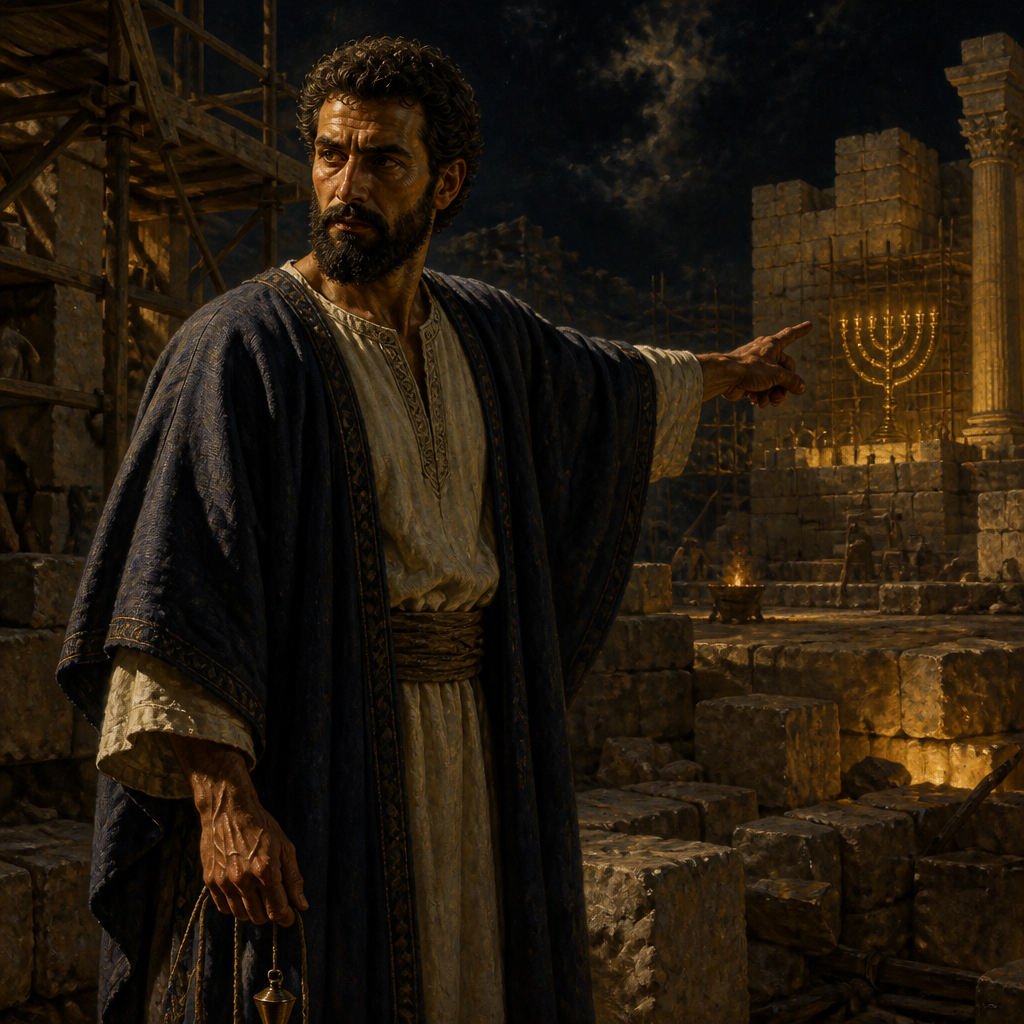
Obadiah represents the integration of faith and public service during the Divided Monarchy. In a time when the northern kingdom of Israel was often characterized by apostasy, Obadiah served as a tool of revival in the south. By participating in the distribution of the Law, he helped establish a foundation of scriptural literacy that contributed to the peace and prosperity described later in Jehoshaphat’s reign. His life illustrates the biblical principle that political stability is often linked to the spiritual health and education of the citizenry.
Spiritual Significance
Obadiah is significant as a representative of the administrative class that supported the Davidic line's spiritual reforms. His participation in the educational circuit of Judah highlights the importance of the 'Book of the Law' in the life of the nation and the role of civil leaders in promoting religious fidelity. Historically, he is part of a rare group of biblical figures who successfully bridged the gap between the royal court and the common people through the medium of education.
Frequently Asked Questions
What was Obadiah’s job in the kingdom of Judah?
Obadiah was an official or prince under King Jehoshaphat. He was part of a royal commission sent to teach the Law of God throughout the cities of Judah.
Who did Obadiah work with during his mission?
He worked alongside four other officials, nine Levites, and two priests to ensure the entire nation received instruction in the Mosaic Law.
When did Obadiah live?
He lived during the Divided Monarchy, specifically during the third year of King Jehoshaphat’s reign, which was approximately 870 BC.
Which book of the Bible mentions this Obadiah?
This specific Obadiah is mentioned only in the book of 2 Chronicles, in chapter 17, verse 7.
Connected Figures
Categories
Mentions by Book
- 2 Chronicles1
Others Named Obadiah
Obadiah, Steward of King Ahab1 Kings 18:3
A high-ranking official in the court of King Ahab who covertly saved one hundred prophets of the LORD from Jezebel's persecution.
Obadiah, Levite Overseer of Josiah2 Chronicles 34:12
A Merarite Levite and skilled musician who served as a faithful overseer during King Josiah’s restoration of the Temple in Jerusalem.
Obadiah, Priest of the Post-Exilic ReturnNehemiah 10:5
Obadiah was a prominent priest or official who signed the binding covenant of faithfulness to God under Nehemiah during the post-exilic restoration.
Obadiah, Levite of the Return1 Chronicles 9:16
A Levite gatekeeper and descendant of Jeduthun who served in Jerusalem during the post-exilic period following the return from Babylon.
Obadiah, Gadite Commander1 Chronicles 12:9
A valiant Gadite warrior and commander who defected from Saul to support David at Ziklag during the Divided Monarchy era.
Obadiah, Son of Azel1 Chronicles 8:38
A Benjamite descendant of King Saul and one of the six sons of Azel, listed in the genealogical records of the Divided Monarchy.
Obadiah the ProphetObadiah 1:1
The author of the shortest book in the Old Testament and a prophet who announced God's judgment against the nation of Edom during the Exilic Period.
Obadiah, Descendant of David1 Chronicles 3:21
Obadiah was a member of the royal house of Judah and a descendant of King David through the line of Zerubbabel.
Obadiah, Son of JehielEzra 8:9
Obadiah, son of Jehiel, was a leader of the descendants of Joab who returned to Jerusalem from Babylon during the second wave of exile restoration under Ezra.
Obadiah, Father of Ishmaiah1 Chronicles 27:19
Obadiah was the father of Ishmaiah, who served as the chief officer over the tribe of Zebulun during the administration of King David.
Obadiah, Son of Izrahiah1 Chronicles 7:3
Obadiah was a chief of the tribe of Issachar and a descendant of Tola, recognized for his leadership during the Divided Monarchy period.