Ephlal
Who was Ephlal in the Bible?
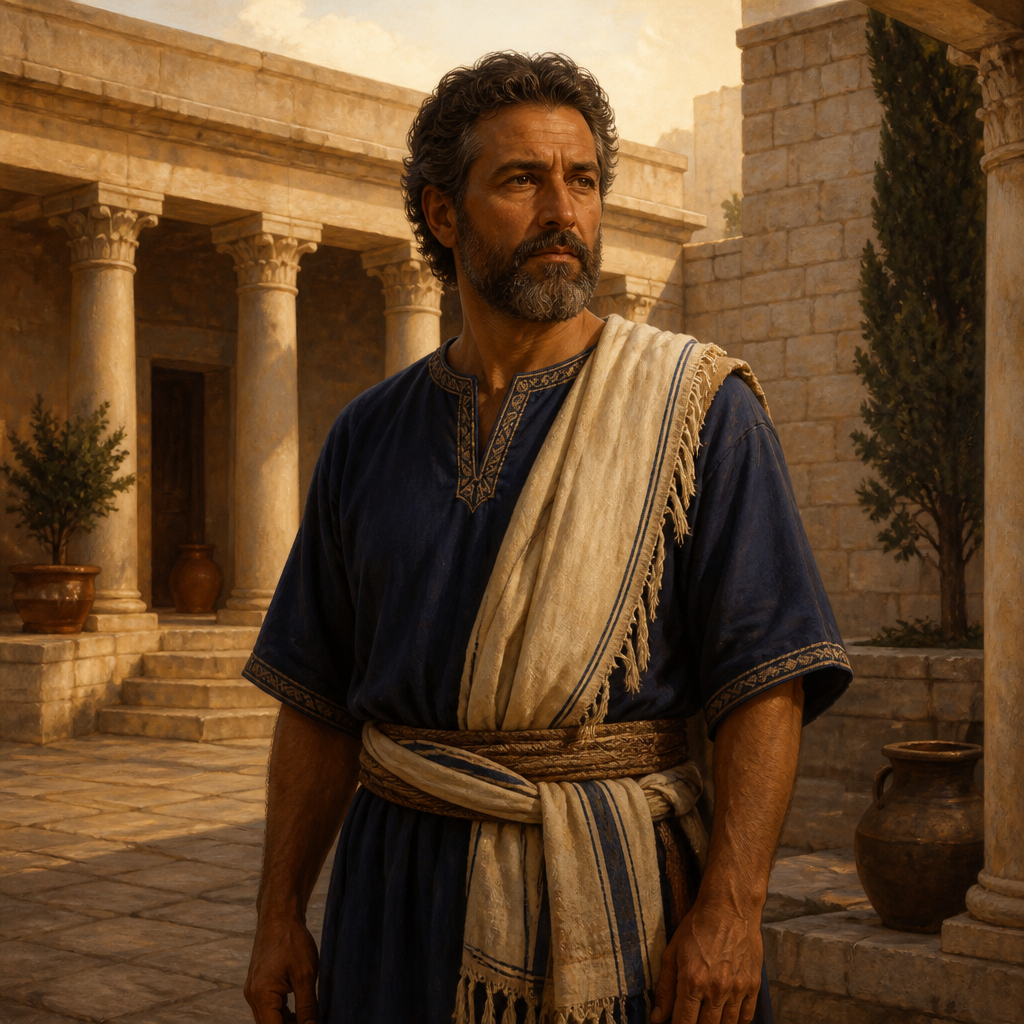
A member of the tribe of Judah and a descendant of Hezron, Ephlal is identified in the biblical genealogies as the son of Zabad and the father of Obed.
Ephlal was a descendant of the tribe of Judah, specifically belonging to the lineage of Hezron. His life coincided with the era of the Divided Monarchy, a period marked by the split of the unified kingdom of Israel into the northern and southern realms. While he is not the subject of a narrative arc, his inclusion in the chronicler’s record serves a vital genealogical purpose.
His place in the biblical text is found exclusively within the genealogical records of 1 Chronicles. As the son of Zabad and the father of Obed, Ephlal represents a single link in the long chain of the Judean aristocracy. These records were traditionally maintained to establish tribal identity and property rights within the southern kingdom.
Background and Family
Ephlal was born into the prominent tribe of Judah, the royal tribe of the southern kingdom. According to the genealogical records preserved in the book of Chronicles, his immediate family line includes his father, Zabad, and his son, Obed. The lineage of Ephlal is particularly significant because it traces back to Sheshan, a descendant of Hezron.
The biblical text highlights a unique aspect of this family’s history: Sheshan had no sons, only daughters. He gave one of his daughters in marriage to his Egyptian servant, Jarha. This union produced Attai, who was the great-grandfather of Ephlal. Consequently, Ephlal’s heritage represents the integration of non-Israelite blood into the tribe of Judah, a process that was legally recognized under the genealogical standards of the time.
Major Life Events
The Holy Scriptures do not record specific deeds, speeches, or events in the life of Ephlal. His existence is documented solely through his biological position within the Judean line. He functioned as a generational bridge during the Divided Monarchy, maintaining the continuity of the house of Hezron. In the context of 1 Chronicles 2:37, his name appears in a list that served to validate the heritage of the families of Judah after the return from Babylonian exile, though Ephlal himself lived centuries before that event.
Relationship to Other Biblical Figures
Ephlal is defined by his vertical relationships within the family tree. He is the son of Zabad, who is often associated with the continued lineage of the Jerahmeelites. Ephlal is also the father of Obed. It is important to note that this Obed is distinct from the more famous Obed who was the son of Boaz and Ruth; rather, this Obed was a specific descendant of the line of Jarha and Sheshan.
Spiritual Significance
While Ephlal is a minor figure, his inclusion in the Bible underscores the theological theme of God’s preservation of the tribes. Every name in the Judean genealogy served to demonstrate that the promises made to the patriarchs—specifically regarding the endurance of the tribe of Judah—were being fulfilled through successive generations. Ephlal’s presence in the text confirms that even those who do not perform recorded miracles or lead nations are essential components of the historical tapestry that led toward the fulfillment of the Davidic covenant.
The primary significance of Ephlal lies in the preservation of the Judean lineage. His name in the genealogical records of 1 Chronicles ensures the continuity of the family of Hezron, which was central to the identity of the Southern Kingdom of Judah. His existence highlights the biblical emphasis on heritage and the recording of specific individuals within the covenant community.
Furthermore, as a descendant of the Egyptian Jarha and Sheshan’s daughter, Ephlal represents the inclusive nature of the tribe of Judah. His lineage demonstrates how foreign individuals could be grafted into the nation of Israel and maintain a recorded, recognized status across centuries of monarchical history.
Frequently Asked Questions
Who was Ephlal's father?
Ephlal was the son of Zabad, a descendant of the tribe of Judah.
Which tribe did Ephlal belong to?
Ephlal belonged to the tribe of Judah, specifically the line of Hezron.
What era did Ephlal live in?
Ephlal lived during the Divided Monarchy period in the history of Israel and Judah.
Did Ephlal have any children?
Yes, according to 1 Chronicles 2:37, Ephlal was the father of a son named Obed.
Family & Relationships
Parents
 Zabad, Son of NathanFather1 Chronicles 2:37Stated
 EphlalThis page
Children
 Obed, Descendant of JarhaSon1 Chronicles 2:37Stated
Extended family
 SheshanAncestor1 Chronicles 2:31
Inferred
No verse names Sheshan and Ephlal together; the descendant link is carried from the surrounding genealogy and is not stated in Scripture.Evidence: 1 Chronicles 2:31
Connected Figures
Family
Father · 1 Chronicles 2:37
Zabad was a descendant of Judah through the line of Jerahmeel, serving as a vital link in the genealogical record of the tribe of Judah during the United Monarchy.
Son · 1 Chronicles 2:37
A member of the tribe of Judah during the Divided Monarchy, Obed was the son of Ephlal and a link in the genealogical line of the Sheshanite clan.
Ancestor · 1 Chronicles 2:31
A descendant of Judah through the line of Hezron who, lacking male heirs, preserved his lineage by giving his daughter to his Egyptian servant Jarha.
Categories
Mentions by Book
- 1 Chronicles2
Scripture References
All 2 indexed verses, in canonical order, from the Berean Standard Bible.
1 Chronicles · 2
- 1 Chronicles 2:31Partial
The son of Appaim: Ishi. The son of Ishi: Sheshan. The son of Sheshan: Ahlai.
Cited as evidence on a family card; added so References, Key Verses and Mentions by Book share one index.
- 1 Chronicles 2:37Partial
Zabad was the father of Ephlal, Ephlal was the father of Obed,