Asaiah, Merarite Chief of the Divided Monarchy
A prominent Levite and chief of the Merarite clan who assisted King David in the solemn transport of the Ark of the Covenant to Jerusalem.
Asaiah was a high-ranking Levite belonging to the Merarite branch during the early years of the Divided Monarchy's cultural precursors under King David. His name, which translates to 'Yahweh has made,' reflects the religious environment of his time. He served as a 'chief' (Hebrew: 'sar') over a significant number of his relatives, indicating a position of both genealogical priority and administrative authority within the levitical structure.
Asaiah is specifically recognized for his role in one of the most pivotal liturgical events in the history of Israel: the successful relocation of the Ark of the Covenant. After an initial failed attempt to move the Ark, David recognized the necessity of adhering to the Mosaic Law, which required the Levites to carry the sacred vessel. Asaiah was one of the few leaders handpicked by the King to oversee this sanctified task.
Background and Family
Asaiah is identified in the biblical record as a member of the Merarites, the third branch of the Levites descended from Merari, the son of Levi. By the time of King David, the Levites were organized into specific administrative and liturgical units to facilitate the worship at the Tabernacle and the planned Temple. Asaiah held the title of 'chief' (1 Chronicles 15:6), a designation that implied he was the head of his father's house. According to the record in 1 Chronicles, he had charge over 220 of his relatives, suggesting he led one of the largest contingents of Merarites present during the festivities in Jerusalem.
Major Life Events
The biblical footprint of Asaiah is centered entirely on the transport of the Ark of the Covenant from the house of Obed-edom to the City of David. The chronicler notes that King David summoned the leading Levites to correct the errors of the first attempt to move the Ark, which had resulted in the death of Uzzah. Asaiah was among the six primary Levites called alongside the high priests Zadok and Abiathar to perform the sanctification rites.
David’s command to Asaiah and his peers was specific: "Consecrate yourselves, you and your relatives, so that you may bring up the ark of the LORD, the God of Israel, to the place I have prepared for it" (1 Chronicles 15:12). Asaiah was required to undergo ritual purification to handle the sacred items and ensure that the Merarite clan fulfilled their hereditary duty of transporting the components and holy vessels of the sanctuary.
Relationship to Other Biblical Figures
Asaiah operated under the direct authority of King David. He is listed in a prestigious group of levitical leaders that included Uriel the Kohathite and Joel the Gershonite. While the text does not detail his personal interactions, his inclusion in this list indicates he was a contemporary and peer to these prominent figures. He worked in coordination with the priests Zadok and Abiathar, representing the Merarite interests in the national religious reform led by the Davidic monarchy.
Spiritual Significance
The presence of Asaiah in the biblical narrative underscores the importance of order and obedience in worship. His role represents the restoration of the proper Mosaic order in Israel’s liturgical life. The chronicler includes Asaiah to demonstrate that David’s kingdom was supported by the legitimate levitical priesthood across all three major branches (Kohath, Gershon, and Merari). Asaiah’s readiness to sanctify himself and lead his 220 kinsmen highlights the virtue of communal responsibility and the preservation of sacred tradition during a time of national transition.
Spiritual Significance
Asaiah serves as a representative of the Merarite lineage during the spiritual revitalization of Israel under David. His participation in the transport of the Ark signifies the alignment of the levitical clans with the Davidic throne, ensuring that the central cultic object of Israel was handled according to the Law of Moses. His inclusion in the genealogy of those who 'sanctified themselves' highlights the biblical theme that God’s presence must be approached with holiness and according to His revealed instructions.
Furthermore, Asaiah’s leadership of 220 relatives demonstrates the organizational complexity of the Levites during the Divided Monarchy era. His role confirms that the Merarites, traditionally the carriers of the Tabernacle's structural elements, remained a vital and distinct part of the priestly community even as the nation moved toward a centralized Temple worship.
Frequently Asked Questions
What tribe did Asaiah belong to?
Asaiah was a Levite, specifically from the Merarite clan.
How many relatives did Asaiah lead?
Asaiah was the chief over 220 of his relatives during the transport of the Ark.
What was Asaiah's main task in the Bible?
He was summoned by King David to sanctify himself and help carry the Ark of the Covenant to Jerusalem.
Who were the priests Asaiah worked with?
He worked alongside the priests Zadok and Abiathar, as well as other Levite leaders like Uriel and Joel.
Which book of the Bible mentions this Asaiah?
This specific Asaiah is mentioned only in the book of 1 Chronicles, specifically in chapter 15.
Connected Figures
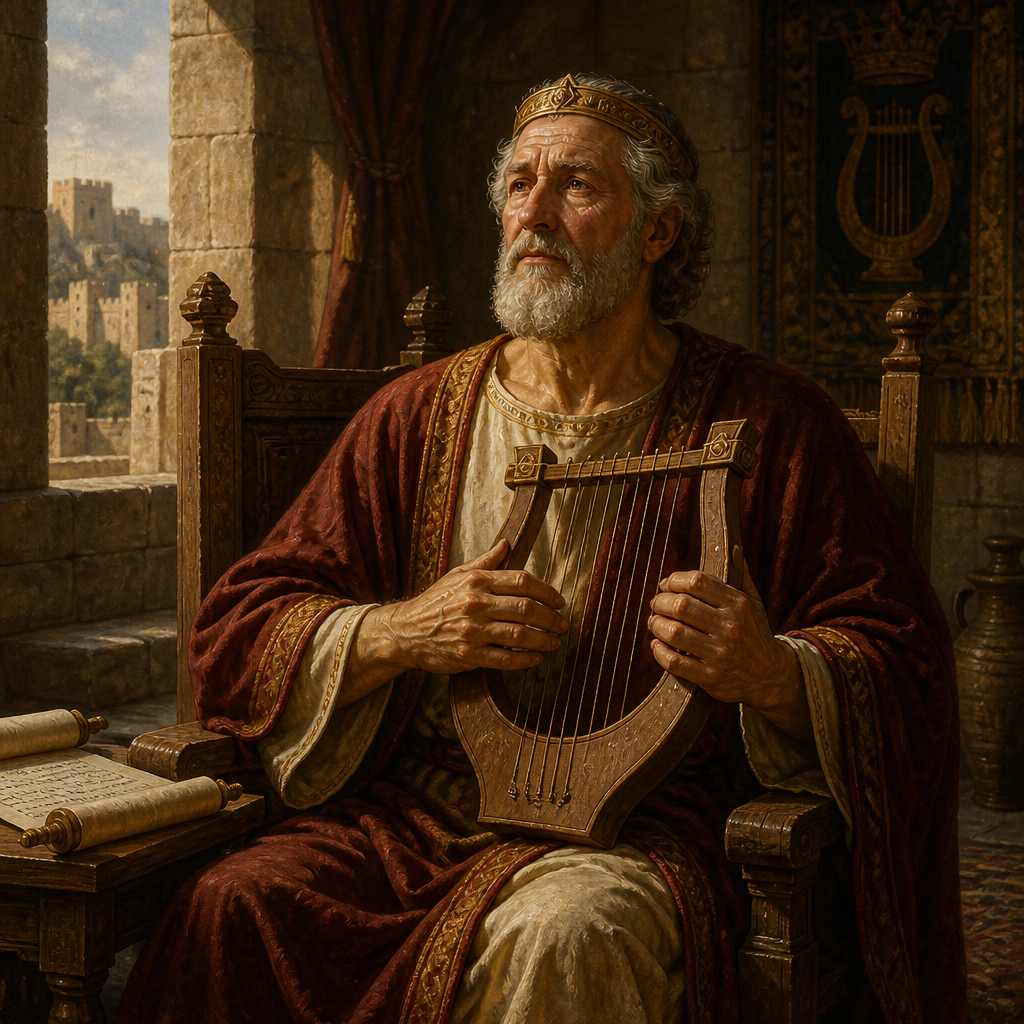
David
King who summoned him
Zadok
Priestly colleague
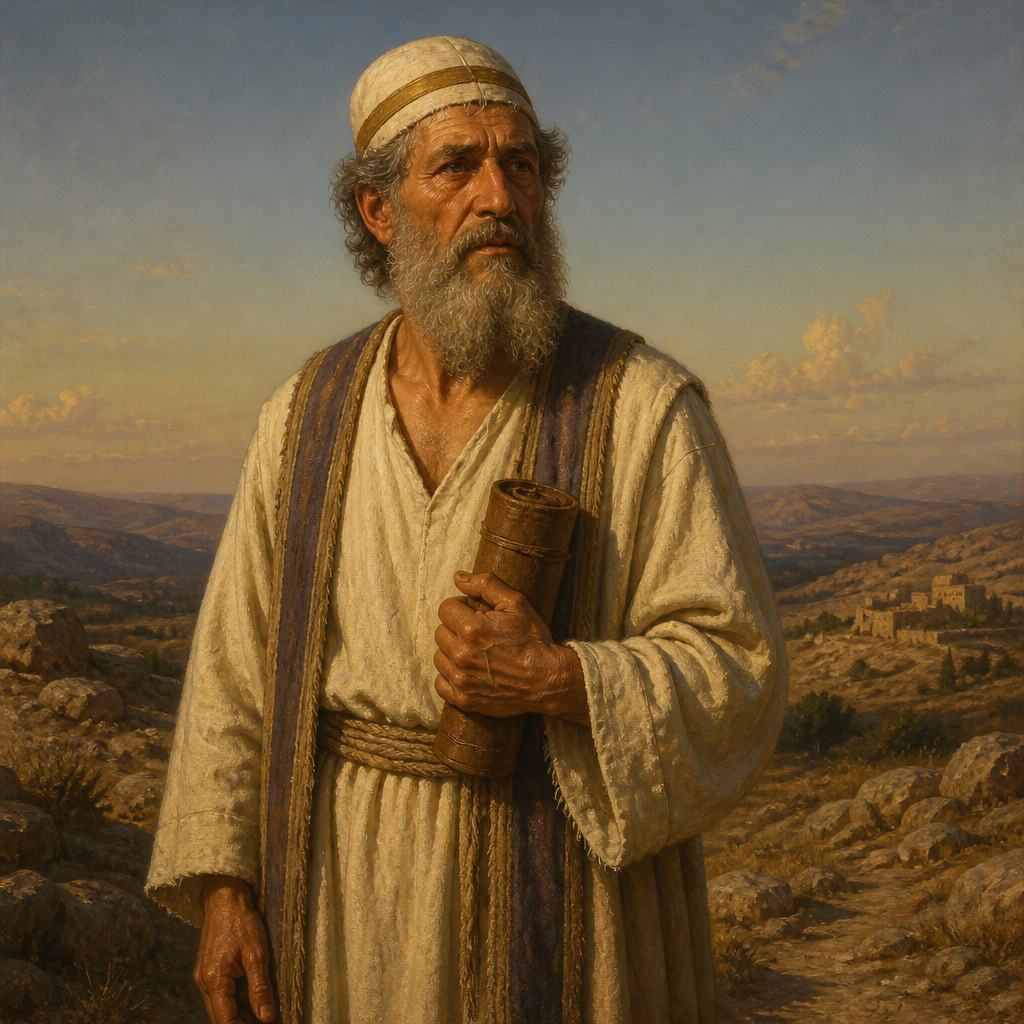
Abiathar
Priestly colleague
Uriel
Fellow Levite leader
Categories
Mentions by Book
- 1 Chronicles2
Others Named Asaiah
Asaiah, Shilonite of the Return1 Chronicles 9:5
Asaiah was a firstborn descendant of Shelah who resettled in Jerusalem during the Post-Exilic period after the Babylonian captivity.
Asaiah, Simeonite Prince of the Divided Monarchy1 Chronicles 4:36
Asaiah was a leader within the tribe of Simeon during the Divided Monarchy whose lineage is preserved in the genealogical records of 1 Chronicles.
Asaiah, son of Haggiah1 Chronicles 6:30
A Levite of the Merarite clan during the Divided Monarchy, identified in the genealogical records of the chronicler as the son of Haggiah.
Asaiah, Servant of King Josiah2 Kings 22:12
A high-ranking royal official and 'servant of the king' under Josiah, tasked with inquiring of the Lord after the rediscovery of the Book of the Law.