Amaziah, King of Judah
The ninth king of the southern Kingdom of Judah who conquered the Edomites but was later defeated and captured by King Jehoash of Israel after falling into idolatry.
Amaziah was the son of King Joash and Jehoaddan of Jerusalem, ascending to the throne of Judah at the age of twenty-five following the assassination of his father. His reign, spanning twenty-nine years in Jerusalem, is characterized by a mixture of initial obedience to the Mosaic Law and a subsequent spiritual decline that led to national humiliation. He is historically noted for his military campaign in the Valley of Salt and his disastrous confrontation with the northern Kingdom of Israel.
While the biblical record in 2 Kings and 2 Chronicles acknowledges that Amaziah did what was right in the eyes of the Lord, it also notes that his heart was not fully committed as his ancestor David's had been. His reign serves as a cautionary tale within the Divided Monarchy regarding the dangers of pride and the syncretism of foreign worship, eventually culminating in a conspiracy that ended his life in the city of Lachish.
Background and Family
Amaziah was born into the Davidic line during a turbulent period for the Kingdom of Judah. His father, Joash, had been a king who started with great promise but ended his reign in disgrace and was eventually murdered by his own servants, Jozabad and Jehozabad. Amaziah’s mother was Jehoaddan, a woman from Jerusalem. Upon taking the throne at age twenty-five, Amaziah’s first major act of state was to establish his authority by executing the officials who had assassinated his father. In a notable display of adherence to the Torah, specifically the command found in Deuteronomy 24:16, Amaziah did not put the children of the assassins to death, stating that each person should die for their own sin. This early adherence to the Law marked the high point of his spiritual life.
The Edomite Campaign
One of Amaziah's primary objectives was the reclamation of Edomite territory. He organized a massive census of Judah and Benjamin, finding 300,000 elite troops ready for battle. Seeking even greater strength, he hired 100,000 mercenary soldiers from the northern Kingdom of Israel for one hundred talents of silver. However, a man of God warned the king that the Lord was not with Israel and that the inclusion of these mercenaries would lead to defeat.
Demonstrating significant initial faith, Amaziah asked what would happen to the money he had already paid. The prophet replied, "The LORD is able to give you much more than this." Amaziah obeyed, dismissing the Israelite troops. Though the dismissed mercenaries were enraged and raided Judean cities on their return journey, Amaziah proceeded to the Valley of Salt. There, he achieved a decisive victory, striking down 10,000 Edomites (men of Seir).
Spiritual Decline and War with Israel
The victory over Edom proved to be Amaziah's spiritual undoing. Upon returning from the slaughter, he brought back the idols of the Seirites and began to worship them, burning incense to the gods of the people he had just conquered. When a prophet rebuked him for seeking gods that could not even save their own people, Amaziah reacted with arrogance, threatening the prophet with violence.
Fueled by his military success, Amaziah challenged King Jehoash of Israel to a "face to face" meeting—a clear provocation to war. Jehoash responded with a mocking parable about a thistle in Lebanon that was trampled by a wild beast for its presumption. He warned Amaziah that his heart had become proud because of his victory over Edom and advised him to stay at home.
Amaziah refused to listen. The two armies met at Beth-shemesh. The forces of Judah were soundly defeated, and Amaziah himself was captured by Jehoash. The Israelite king then marched Amaziah back to his own capital, Jerusalem, where Jehoash broke down 400 cubits of the city wall, looted the temple and the palace, and took hostages back to Samaria.
Final Years and Death
Amaziah survived for fifteen years after the death of Jehoash of Israel, but his prestige and authority never fully recovered from the humiliation at Beth-shemesh. The biblical text in 2 Chronicles 25:27 links his ultimate downfall to his spiritual apostasy, noting that from the time he turned away from the Lord, a conspiracy began to form against him in Jerusalem.
When the plot became manifest, Amaziah fled to the fortified city of Lachish seeking safety. However, the conspirators sent men after him and assassinated him there. His body was brought back on horses to Jerusalem and buried with his ancestors in the City of David. The people of Judah then took his sixteen-year-old son, Uzziah (also called Azariah), and made him king in his father's place.
Spiritual Significance
Theologically, Amaziah represents the 'half-hearted' king. The Chronicler emphasizes that while he performed the external requirements of the law and initially listened to prophetic counsel, his heart was not 'perfect' toward God. His story illustrates the biblical theme that military success is a gift from God, but pride in that success leads to destruction. His downfall is explicitly tied to his adoption of the Edomite gods, demonstrating the recurring struggle against idolatry during the Divided Monarchy.
Furthermore, his interaction with the northern kingdom highlights the ongoing tension between Judah and Israel. His decision to hire Israelite mercenaries and their subsequent raiding of Judean towns underscores the fractured nature of the two kingdoms. Ultimately, Amaziah’s life serves as a bridge in the Davidic line, maintaining the messianic succession despite his personal failures and the political instability of his reign.
Frequently Asked Questions
Why did Amaziah kill the men who murdered his father but spared their children?
Amaziah spared the children to obey the Law of Moses as written in the Book of the Law, which states that fathers shall not be put to death for their children, nor children for their fathers; each person must die for their own sin.
What led to the conflict between Amaziah and King Jehoash of Israel?
After defeating Edom, Amaziah became proud and challenged Jehoash to meet face to face in battle. Additionally, dismissed Israelite mercenaries had raided Judean cities, increasing tensions between the two nations.
What was the significance of the thistle and cedar parable?
Jehoash used the parable to insult Amaziah, comparing the king of Judah to a lowly thistle and himself to a mighty cedar, warning that Amaziah’s pride would lead to him being trampled.
How did Amaziah die?
Amaziah was killed by conspirators in Lachish after fleeing Jerusalem. His death occurred fifteen years after the death of King Jehoash of Israel.
Which gods did Amaziah worship after his victory?
He brought back and worshipped the gods of the Seirites (the Edomites) after his military campaign in the Valley of Salt.
Connected Figures
Joash
Father and predecessor as King of Judah
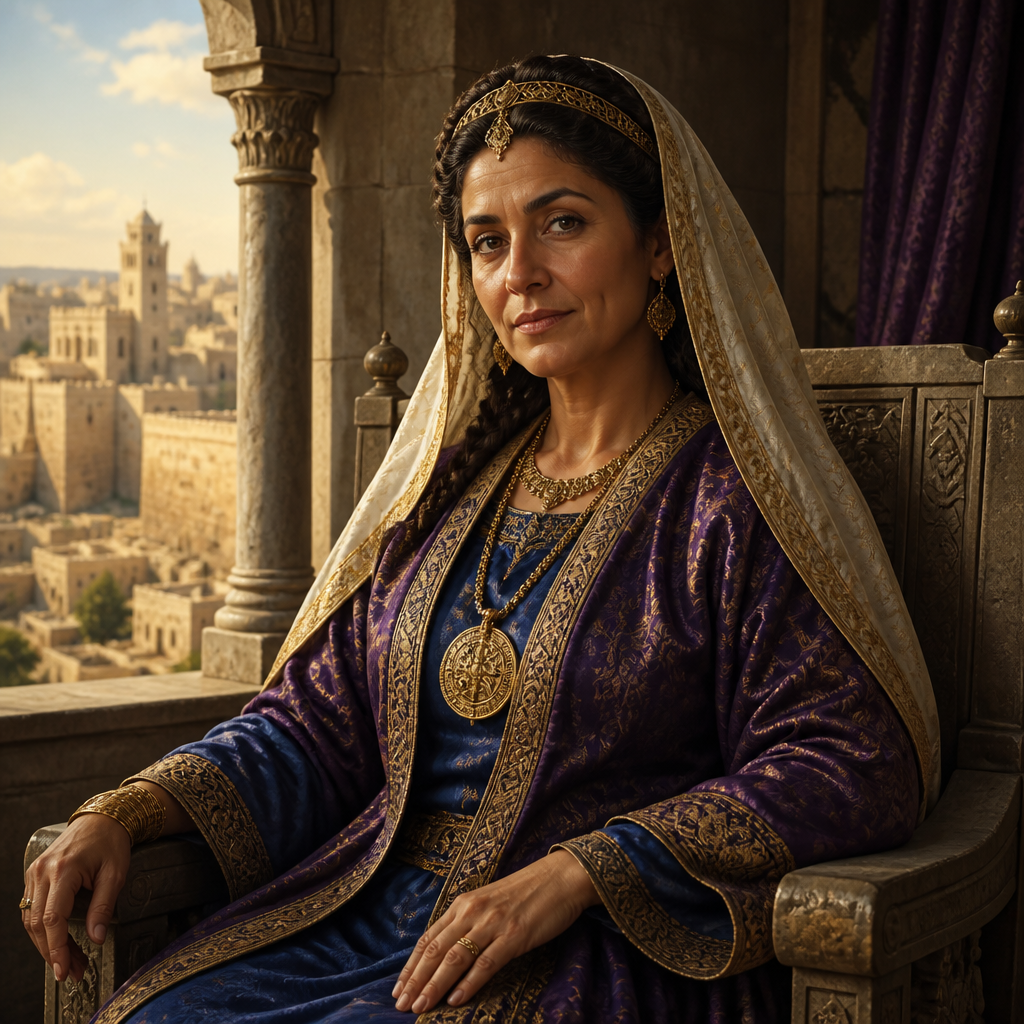
Jehoaddan
Mother
Uzziah
Son and successor (also known as Azariah)
Jehoash
King of Israel and military rival
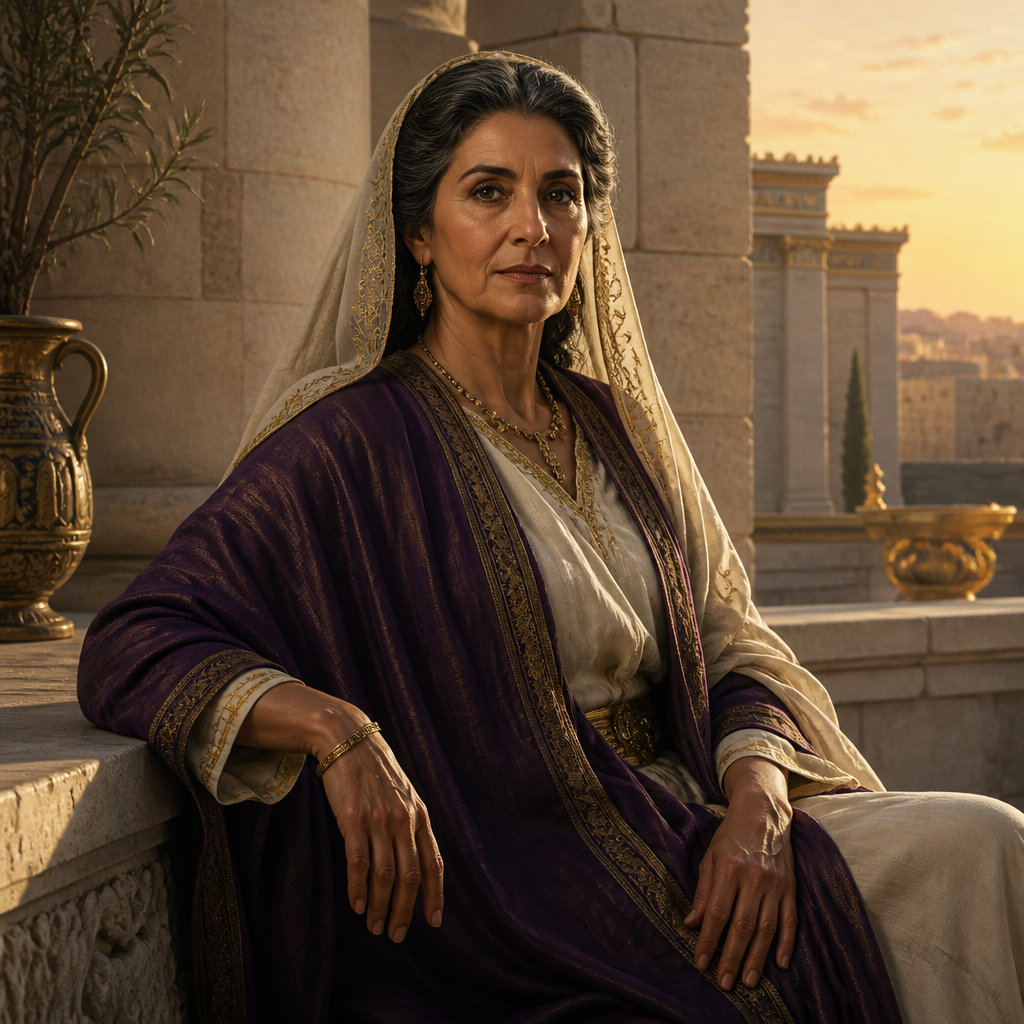
Jecoliah
Wife and mother of Uzziah
Categories
Mentions by Book
- 2 Chronicles19
- 2 Kings14
- 1 Chronicles1
Family & Relationships
Child
2 Kings 12:21
Spouse / partner
2 Kings 12:21
Parent
2 Kings 11:2
Parent
2 Kings 14:2
Spouse / partner
2 Kings 15:2
Others Named Amaziah
Amaziah, Levite of the Divided Monarchy1 Chronicles 6:45
A Levite of the Merarite clan during the Divided Monarchy who is recorded in the genealogical records of the temple musicians.
Amaziah, Simeonite of the Divided Monarchy1 Chronicles 4:34
A descendant of Simeon and the father of Joshah, recorded in the genealogical registers of the tribe of Simeon during the Divided Monarchy.
Amaziah, Priest of BethelAmos 7:10
The high priest of the golden calf shrine at Bethel during the 8th century BC who opposed the prophet Amos and reported him to King Jeroboam II.