Zeeb
Zeeb was a high-ranking prince of Midian who was defeated and executed by the forces of Gideon during the Period of the Judges.
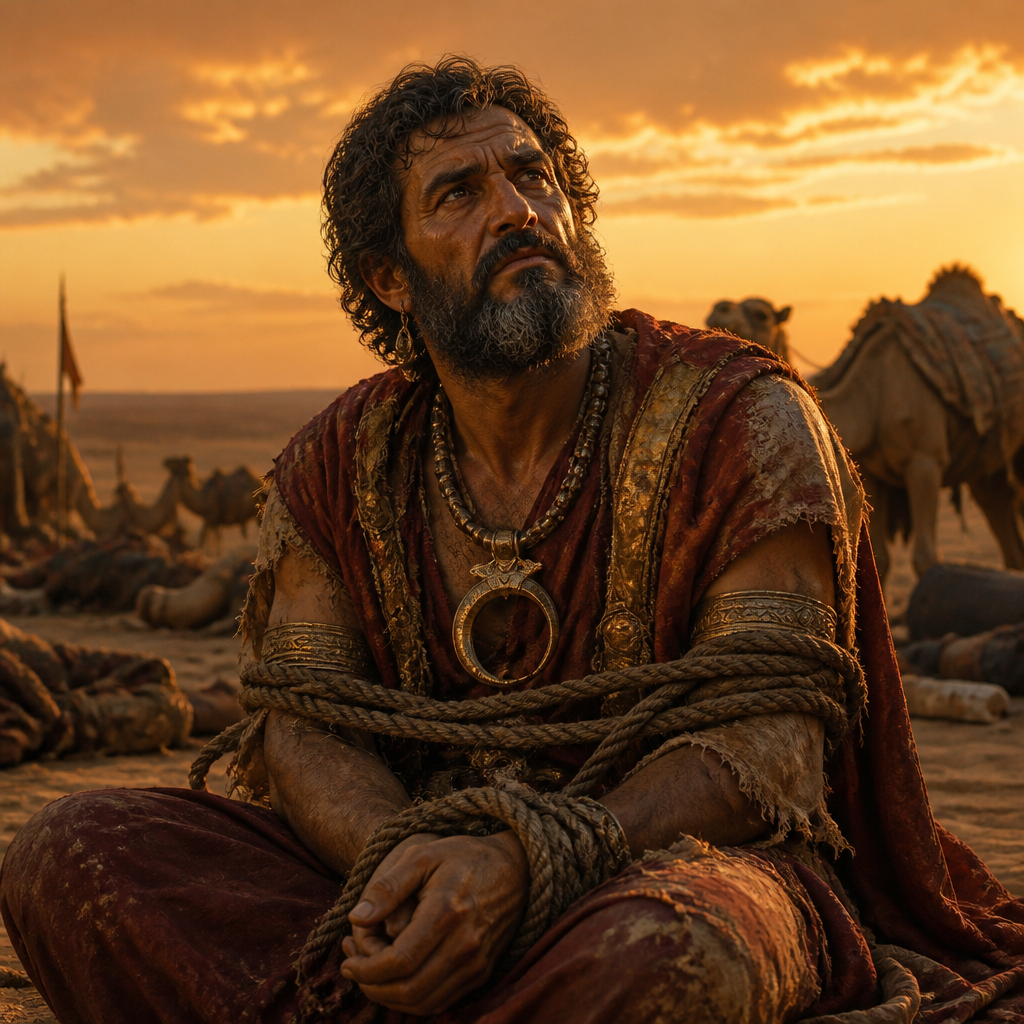
Zeeb (Hebrew: Ze'eb, meaning "Wolf") was a prominent military leader and prince of the Midianites during the mid-12th century BC. He is primarily known for his role in the large-scale Midianite oppression of Israel, a period characterized by seasonal raids that devastated the agricultural resources of the Israelite tribes. Zeeb served as one of the two primary commanders or "princes" (sarim) under the Midianite kings Zebah and Zalmunna.
His historical significance is tied to the decisive victory of the judge Gideon. Zeeb’s defeat at a winepress that subsequently bore his name marked the end of Midianite hegemony over central Canaan. Along with his counterpart Oreb, Zeeb is remembered in the biblical narrative as a symbol of the definitive judgment of God against the enemies of Israel, eventually becoming a literary archetype for total military collapse in later Hebrew poetry.
Background and Family
Zeeb was a leader of the Midianites, a nomadic or semi-nomadic people descended from Abraham through his wife Keturah. While the biblical text does not provide a specific genealogy for Zeeb, his title as a "prince" (Hebrew: sar) indicates he held a high aristocratic or military rank within the Midianite confederation. He operated alongside another prince named Oreb. During this era, the Midianites, allied with the Amalekites and other "peoples of the East," utilized camels to conduct swift, devastating raids across the Jordan River into Israelite territory during harvest seasons.
Major Life Events
The primary record of Zeeb’s life occurs during the judgeship of Gideon. After Gideon’s core force of 300 men routed the main Midianite camp in the Valley of Jezreel, the retreat turned into a panicked flight toward the Jordan River. Gideon summoned the men of Ephraim to seize the watering places and the fords of the Jordan to intercept the fleeing Midianite commanders.
The Ephraimites successfully captured Zeeb and Oreb. The biblical account in Judges 7:25 records that Zeeb was executed at a location known as the "winepress of Zeeb" (Yeqeb-Ze'eb). The specific naming of this site suggests it became a landmark in the region of Ephraim, serving as a memorial to the victory. Following the execution, the Ephraimites decapitated Zeeb and Oreb, bringing their heads across the Jordan to Gideon as proof of their success and as a gesture of their participation in the liberation of Israel.
Relationship to Other Biblical Figures
Zeeb is inextricably linked with Oreb; the two are mentioned together in every biblical instance. Within the Midianite hierarchy, they served under the kings Zebah and Zalmunna. Zeeb’s primary interaction with the Israelites was antagonistic, specifically facing the tribe of Ephraim during the final stages of Gideon’s campaign. Gideon later used the capture of Zeeb and Oreb as a diplomatic tool to appease the pride of the Ephraimites, who were offended at not being called to the initial battle. Gideon argued that his own achievements were small compared to the capture of such high-ranking princes as Zeeb (Judges 8:3).
Spiritual Significance
The death of Zeeb is treated in scripture not merely as a military statistic but as a significant act of divine deliverance. Centuries later, the author of Psalm 83 appeals to God to deal with contemporary enemies of Israel in the same manner as He dealt with Zeeb. In this context, Zeeb represents the pride and power of foreign oppressors that is ultimately brought low by God's intervention. The transition of his name from a living prince to a geographical marker for a place of execution (the winepress of Zeeb) underscores the biblical theme of the transience of earthly power opposed to the will of God.
Spiritual Significance
Zeeb serves as a historical marker for the total victory of Gideon over the Midianite threat. His execution, specifically at a winepress, symbolizes the 'harvesting' of Israel's enemies who had previously come to steal Israel's actual harvests. The theological weight of his defeat is evidenced by his inclusion in the imprecatory prayers of the Psalms, where he is cited as a precedent for how God handles those who seek to possess the pastures of God's people.
His mention in the dialogue between Gideon and the Ephraimites also highlights the internal tribal politics of Israel during the Period of the Judges. Zeeb's head being presented to Gideon served as a trophy of war that validated the Ephraimite contribution to the national cause, illustrating the decentralized and often tense cooperation between the twelve tribes.
Frequently Asked Questions
What does the name Zeeb mean in Hebrew?
The name Zeeb (זְאֵב) translates to 'Wolf' in Hebrew.
Where was Zeeb killed?
Zeeb was killed at a winepress in the territory of Ephraim, which was subsequently named the 'winepress of Zeeb'.
Who captured and executed Zeeb?
Zeeb was captured and executed by the men of the tribe of Ephraim, who had been summoned by Gideon to intercept the Midianite retreat.
In which books of the Bible is Zeeb mentioned?
Zeeb is mentioned in the books of Judges (chapters 7 and 8) and Psalms (Psalm 83).
Was Zeeb a king of Midian?
No, the Bible refers to Zeeb as a 'prince' (sar) of Midian, while Zebah and Zalmunna are identified as the kings.
Connected Figures

Oreb
Fellow Prince of Midian

Gideon
Israelite Judge and Adversary

Zebah
Midianite King
Zalmunna
Midianite King