Hoham
The Canaanite king of Hebron who joined a military coalition against Joshua and the Israelites during the conquest of the Promised Land.
Hoham was a Canaanite ruler who reigned as the king of Hebron during the late 15th or early 14th century BC. He is identified in the biblical record as one of the five Amorite kings who formed a strategic alliance to check the rapid military expansion of the Israelites under the leadership of Joshua.
His primary historical and biblical significance stems from his involvement in the Battle of Gibeon. As the leader of Hebron, a city of significant strategic and ancestral importance, Hoham’s decision to join the coalition headed by Adoni-zedek of Jerusalem marked a pivotal moment in the southern campaign of the Israelite conquest.
Background and Family
Direct genealogical information regarding Hoham is absent from the biblical text. He is introduced solely by his title and his city-state: "Hoham king of Hebron" (Joshua 10:3). As a ruler of Hebron, Hoham presided over a region that was historically significant even before the Israelite arrival, as Hebron was associated with the patriarchs Abraham, Isaac, and Jacob. The biblical narrative classifies him within the broader context of the Amorite kings, suggesting he represented the indigenous Canaanite power structure that the Israelites were commanded to displace.
Major Life Events
The entirety of Hoham’s recorded history occurs during the Israelite invasion of Canaan. Following the destruction of Ai and the subsequent treaty between Israel and the Gibeonites, the local Canaanite authorities became alarmed. Adoni-zedek, the king of Jerusalem, recognized that the defection of Gibeon—a large and powerful city—to the side of Israel threatened the security of the entire region.
In response, Adoni-zedek sent a diplomatic summons to four other regional rulers, including Hoham of Hebron. The text states: "Therefore Adoni-zedek king of Jerusalem sent word to Hoham king of Hebron... saying, 'Come up to me and help me, and let us strike Gibeon'" (Joshua 10:3-4). Hoham accepted this proposal, joining his forces with those of Jerusalem, Jarmuth, Lachish, and Eglon. This five-king coalition laid siege to Gibeon, intending to punish the city for its capitulation to Joshua.
Relationship to Other Biblical Figures
Hoham’s primary relationship in the text is his military partnership with the other four Amorite kings: Adoni-zedek of Jerusalem, Piram of Jarmuth, Japhia of Lachish, and Debir of Eglon. These men acted as a unified front against Joshua and the Gibeonites. While the text focuses on their collective political action, it portrays Hoham as a secondary figure to Adoni-zedek, who acted as the instigator of the alliance.
Spiritual Significance
In the broader theological framework of the Book of Joshua, Hoham serves as an archetype of the resistance against the divine decree for Israel to inherit Canaan. His city, Hebron, would later become a major priestly city and the first capital of King David, making Hoham’s initial opposition a significant hurdle in the establishment of the Promised Land. His inclusion in the narrative underscores the scale of the opposition Joshua faced, highlighting the belief that Israel’s victories were the result of divine intervention rather than mere military superiority.
Spiritual Significance
Hoham represents the organized Canaanite opposition to the fulfillment of the Abrahamic covenant regarding the land of Canaan. His participation in the five-king alliance highlights the political unity of the Amorite city-states when faced with the common threat of the Israelite invasion.
His mention serves to validate the historical scope of Joshua's southern campaign, specifically identifying the local leadership that was displaced. As the king of Hebron, he held a territory that would eventually be claimed by Caleb and become one of the most sacred sites in Israelite history.
Frequently Asked Questions
Which city did Hoham rule?
Hoham was the king of Hebron, an ancient and influential city in the hill country of Judah.
Why did Hoham go to war against Gibeon?
He joined a coalition to attack Gibeon because the Gibeonites had made a peace treaty with Joshua and the Israelites, which was seen as a betrayal by the other Canaanite kings.
Who invited Hoham to join the alliance?
Adoni-zedek, the king of Jerusalem, sent the message to Hoham requesting his military assistance.
In which book of the Bible is Hoham mentioned?
Hoham is mentioned exclusively in the book of Joshua, specifically in chapter 10.
What happened to the coalition Hoham joined?
The coalition was defeated by Joshua's army at Gibeon after a miraculous day where the sun stood still, leading to the eventual execution of the five kings.
Connected Figures
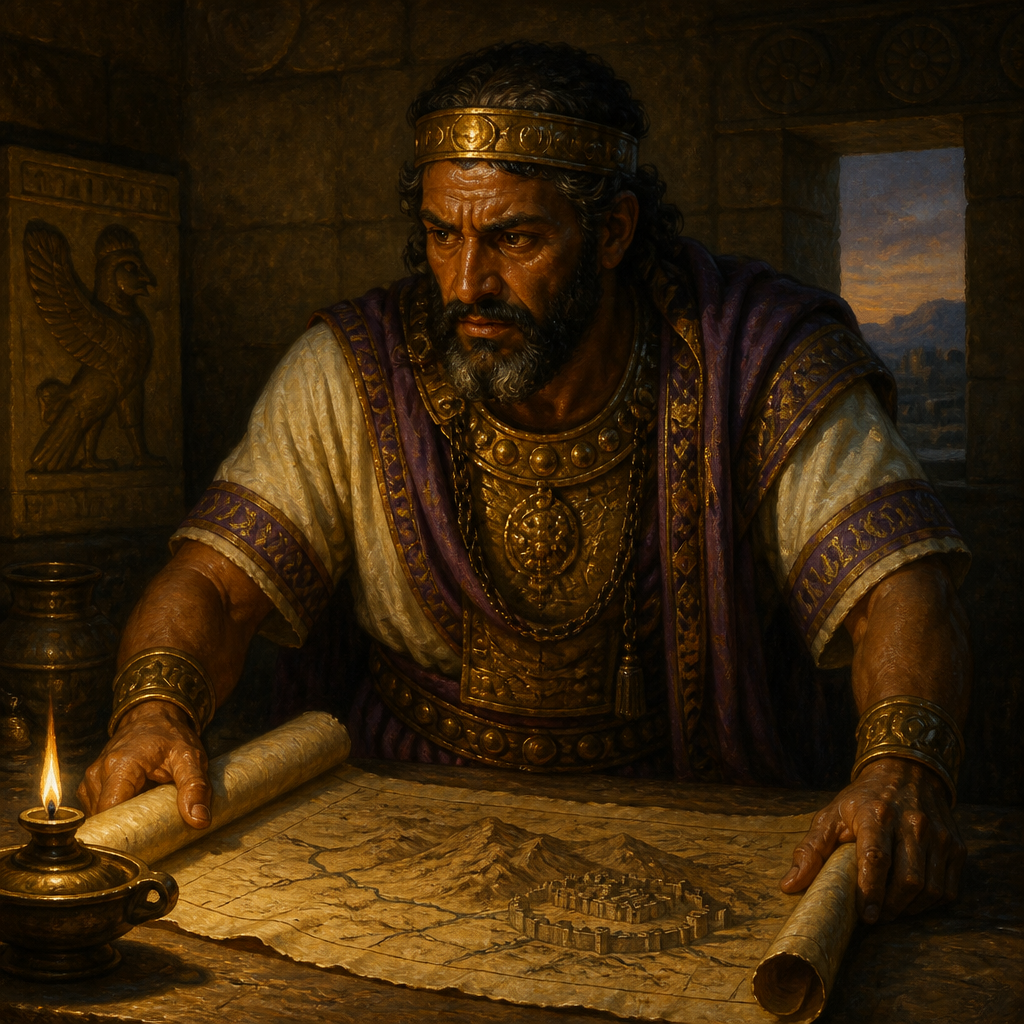
Adoni-zedek
Military Ally / King of Jerusalem
Joshua
Adversary / Israelite Leader
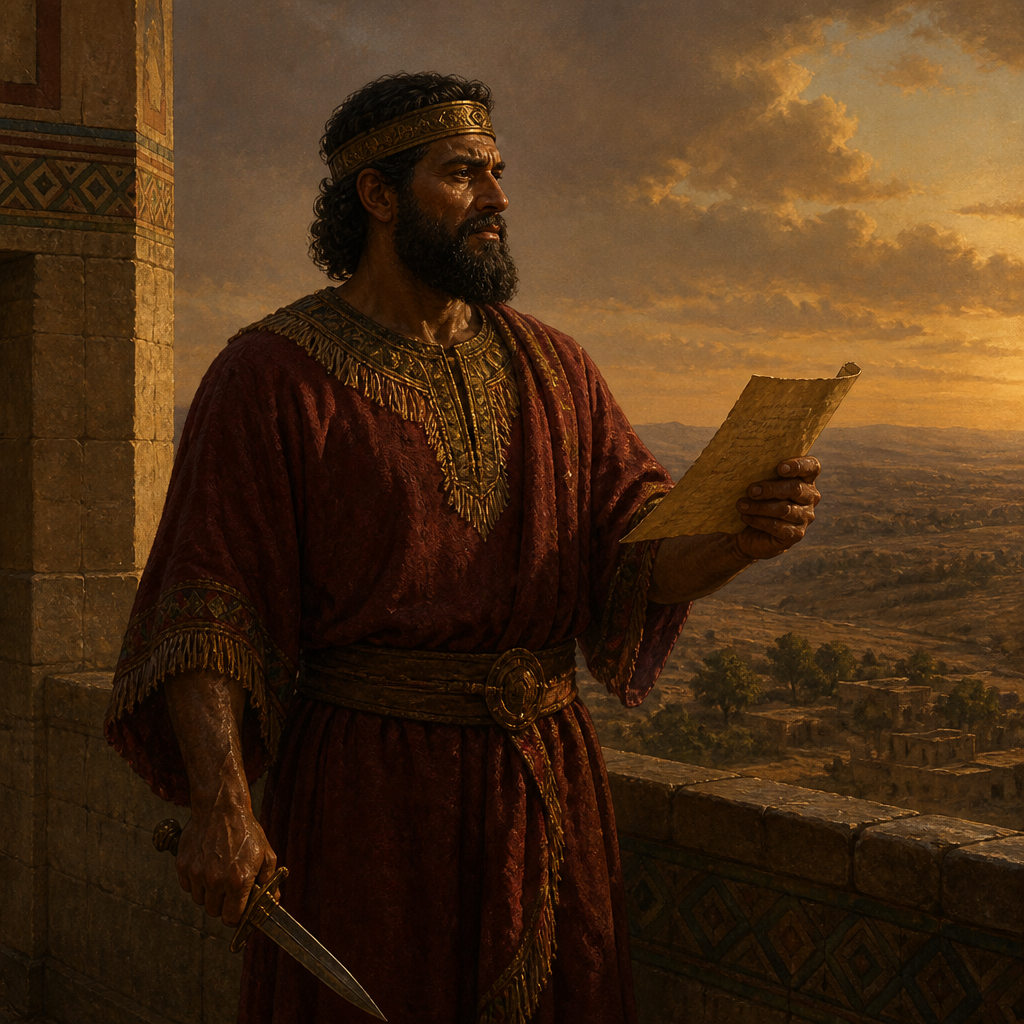
Piram
Military Ally / King of Jarmuth
Japhia
Military Ally / King of Lachish
Categories
Mentions by Book
- Joshua1