
The Colossae Circle
Colossians 4 and Philemon — one house church's world
The Colossae Circle refers to the network of individuals identified in the closing greetings of the letter to the Colossians and the personal letter to Philemon. These texts describe a specific community of believers and traveling ministers connected to the ministry of Paul during his imprisonment (Colossians 4:10, Philemon 1:1). The letters are addressed to the saints in Colossae, but they also include instructions for the church in nearby Laodicea (Colossians 4:16). The group is defined by their shared labor in the gospel and their personal loyalty to Paul while he is in chains.
The organization of this group is revealed through the specific roles and greetings Paul assigns to each member. Timothy is identified as a co-sender of both letters, standing alongside Paul as a brother (Colossians 1:1, Philemon 1:1). Tychicus is described as a beloved brother and faithful minister who is sent to tell the Colossians about Paul’s circumstances (Colossians 4:7–8). Onesimus, a runaway slave returning to his master, is called a faithful and beloved brother who is one of the Colossians (Colossians 4:9, Philemon 1:10–12). Epaphras is noted as the one who first brought the gospel to Colossae and is described as a fellow prisoner (Colossians 1:7, Philemon 1:23). Aristarchus is mentioned as a fellow prisoner who sends his greetings to the church (Colossians 4:10, Philemon 1:24). Mark, the cousin of Barnabas is also present and receives a recommendation that he be welcomed if he visits (Colossians 4:10).
Other members provide the physical infrastructure for the early church or receive specific charges regarding their ministry. Philemon is the primary recipient of the letter concerning Onesimus and is a host of the church that meets in his house (Philemon 1:1–2). Apphia is addressed as a sister within this same household context (Philemon 1:2). Archippus is given a direct command to complete the ministry he received in the Lord (Colossians 4:17). Nympha is recognized for hosting a church in her house in the Laodicean region (Colossians 4:15). Luke, the beloved physician, and Demas are listed together as those sending greetings from Paul’s side (Colossians 4:14). Finally, Jesus is noted as one of the few Jewish workers for the kingdom of God who has been a comfort to Paul (Colossians 4:11).
This circle illustrates the collaborative nature of the early Christian movement and the social complexities of the first-century church. The inclusion of Jesus as the central figure of their faith provides the theological basis for their unity (Colossians 1:15–20). By naming such a diverse group, the text shows how the message of the gospel bridged the gap between slaves like Onesimus and masters like Philemon. The letters emphasize that in this community, Christ is all and in all, regardless of social status or background (Colossians 3:11).
Everyone in this list
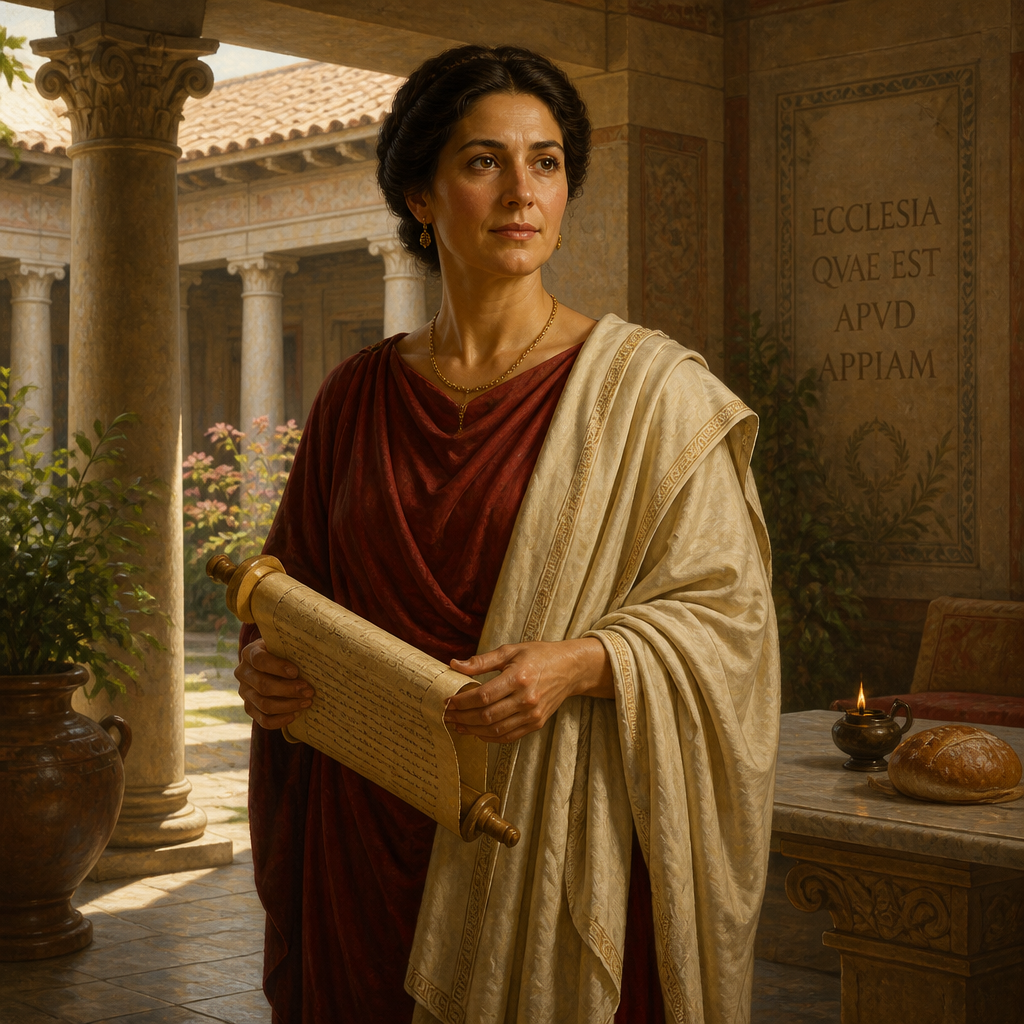
Apphia
Christian woman at Colossae addressed by Paul as 'our sister' in the Letter to Philemon
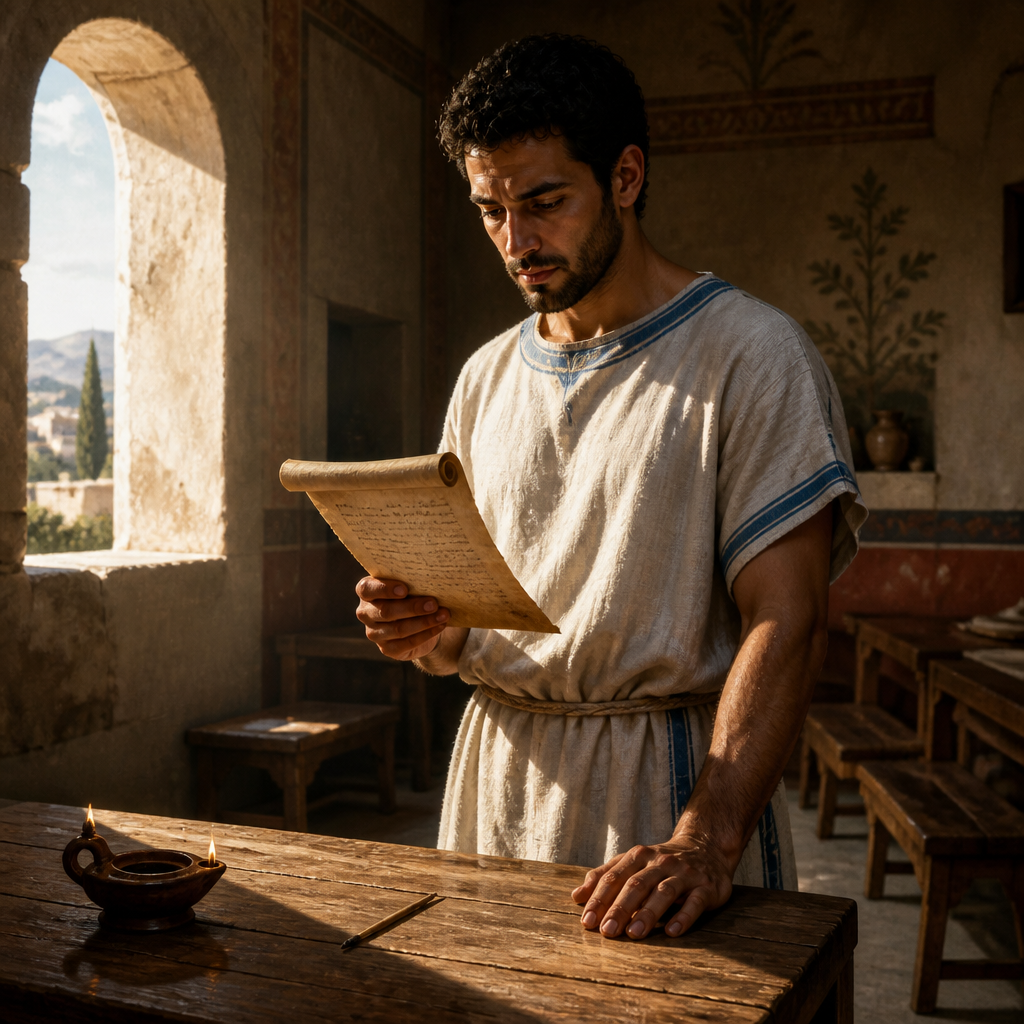
Archippus
Minister in the Colossian church who was exhorted by Paul to fulfill his service
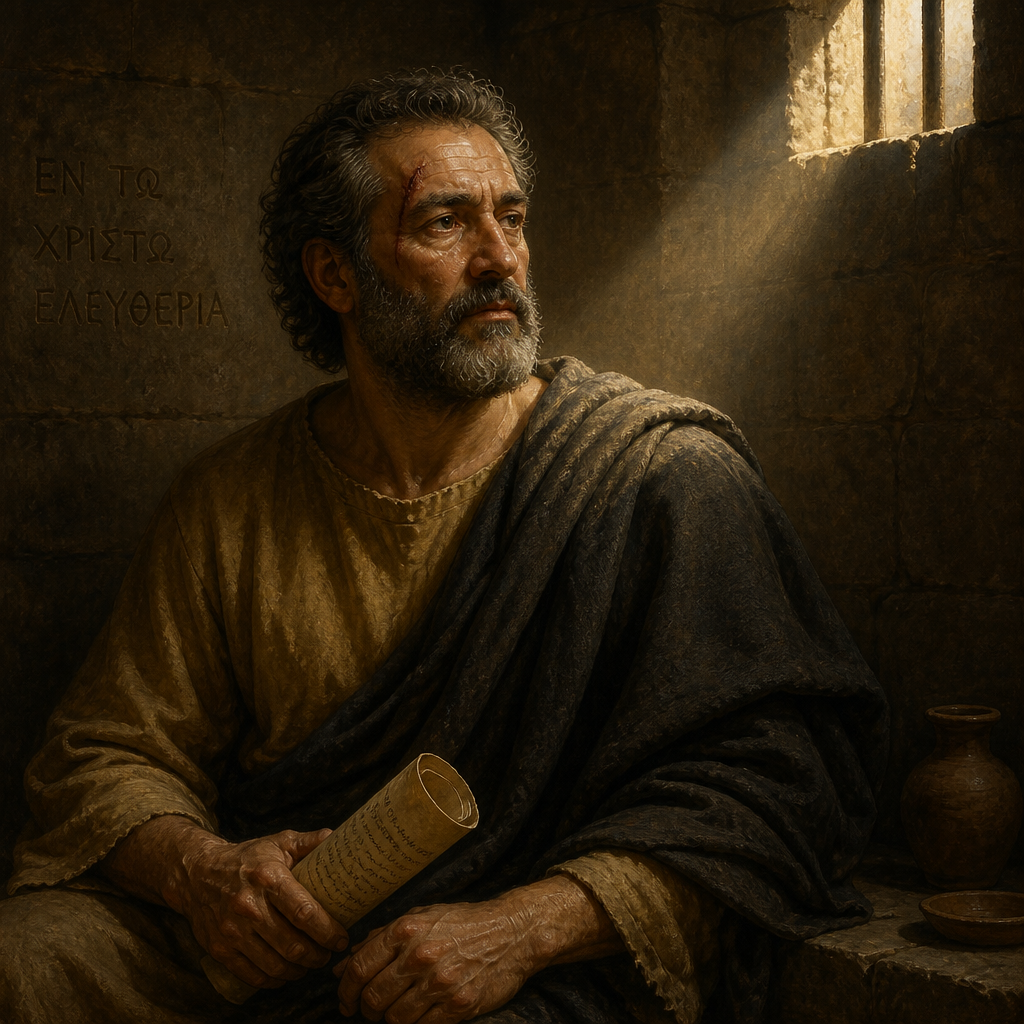
Aristarchus
Companion of Paul who was seized during the Ephesian riot and later became Paul's fellow prisoner in Rome
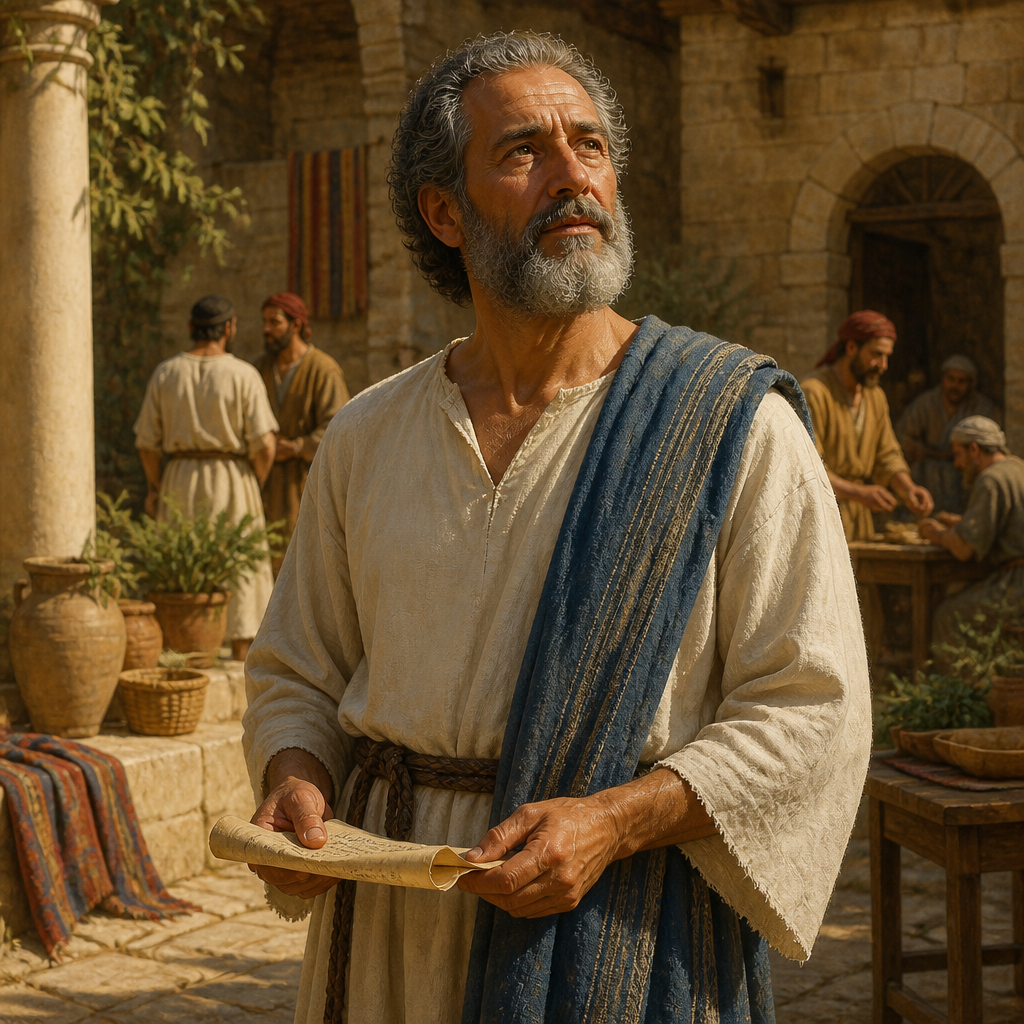
Barnabas
Prophet and leader in the Antioch church who mentored the Apostle Paul
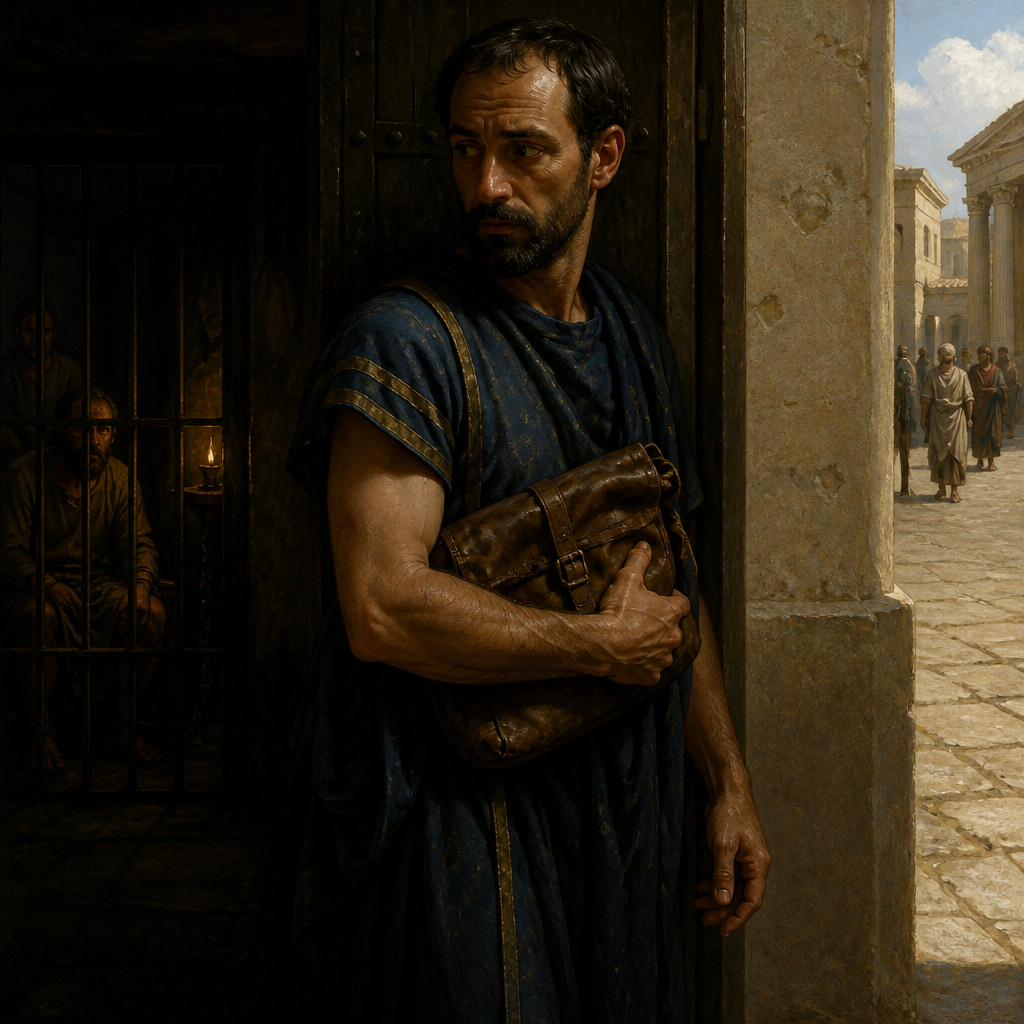
Demas
Companion of Paul who abandoned him for love of the world
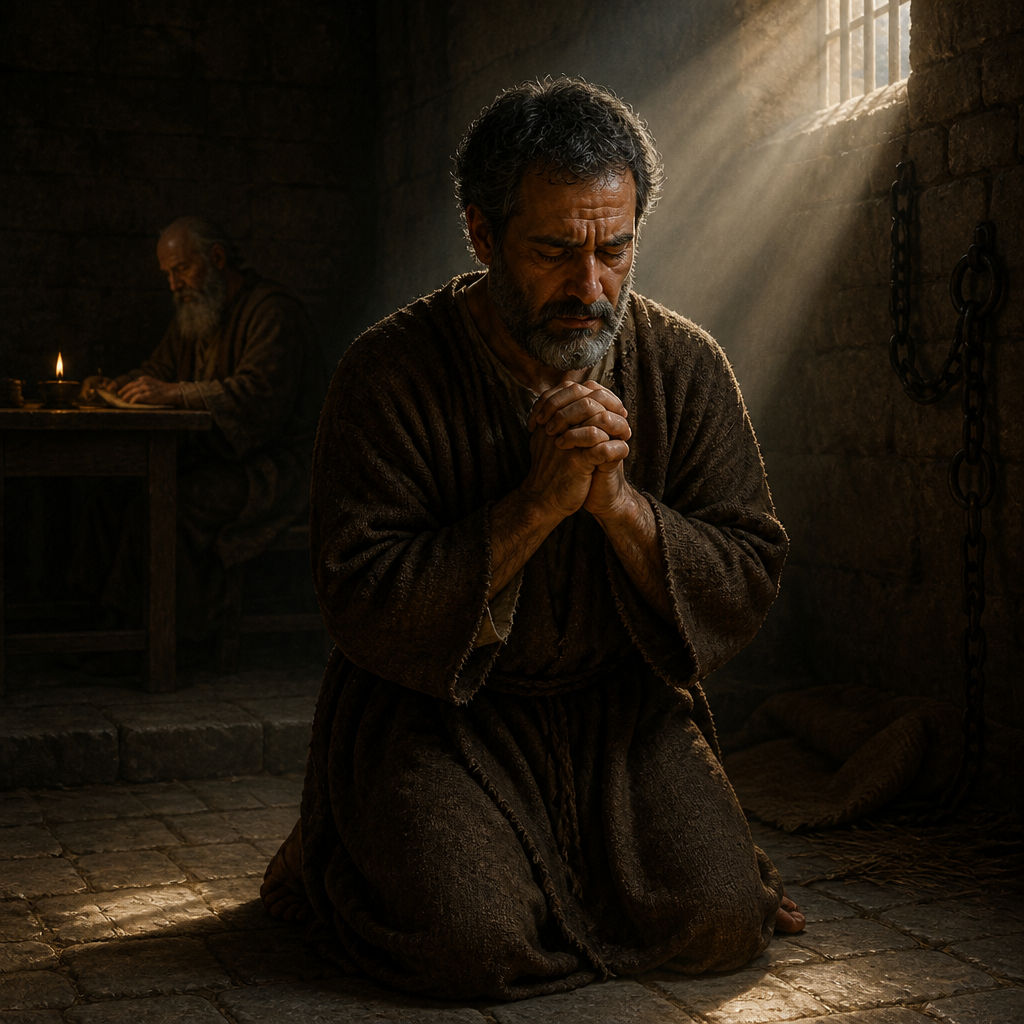
Epaphras
Minister who founded the church at Colossae and served as a fellow prisoner with Paul
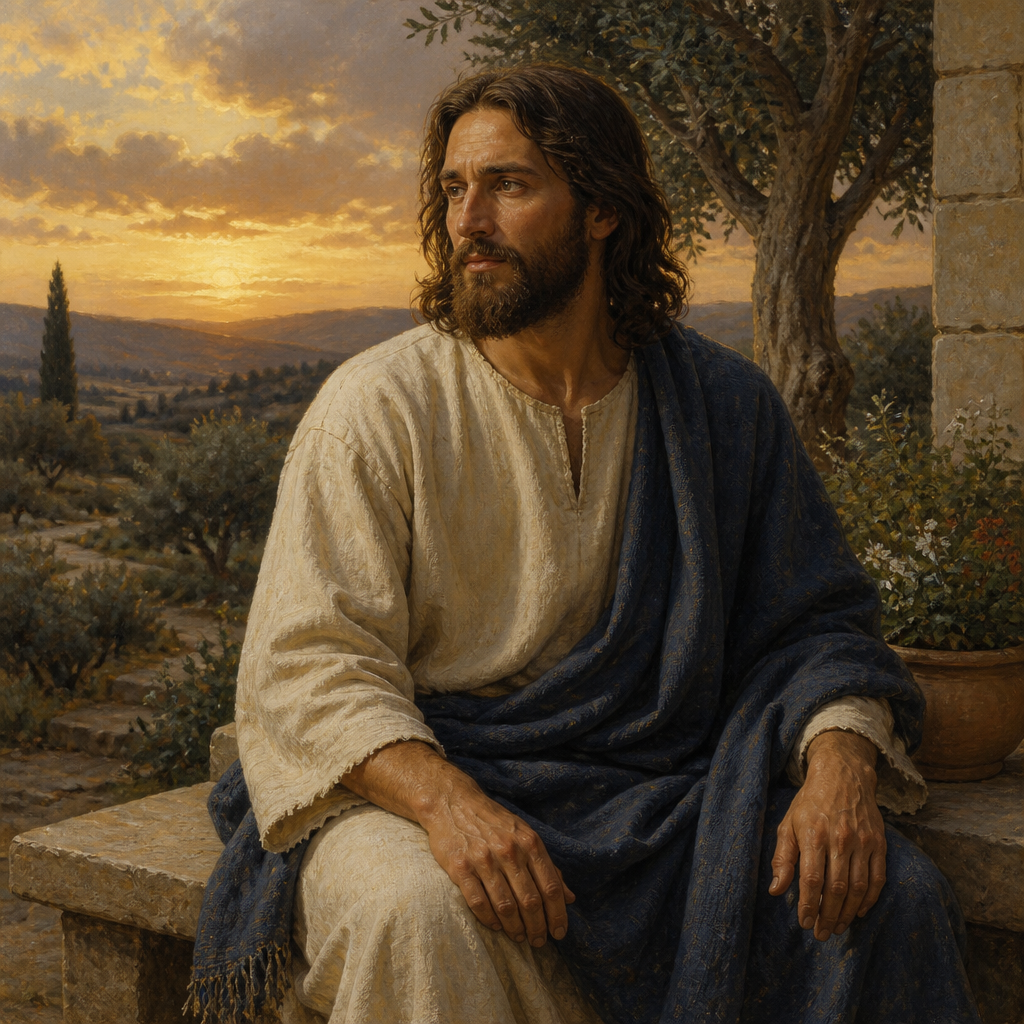
Jesus
Messiah and central figure of the New Testament whose life, death, and resurrection form the basis of the Christian faith
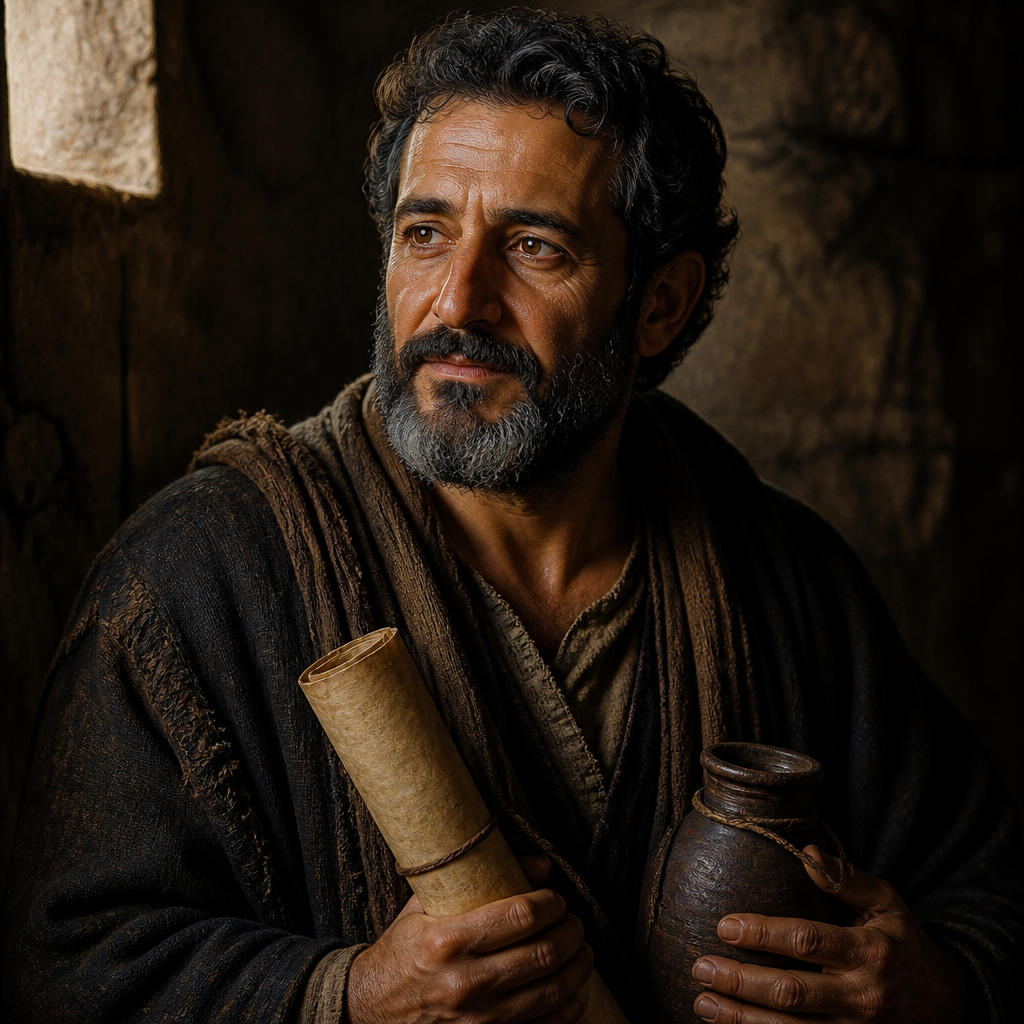
Jesus, also called Justus
Jewish Christian worker who assisted Paul during his Roman imprisonment
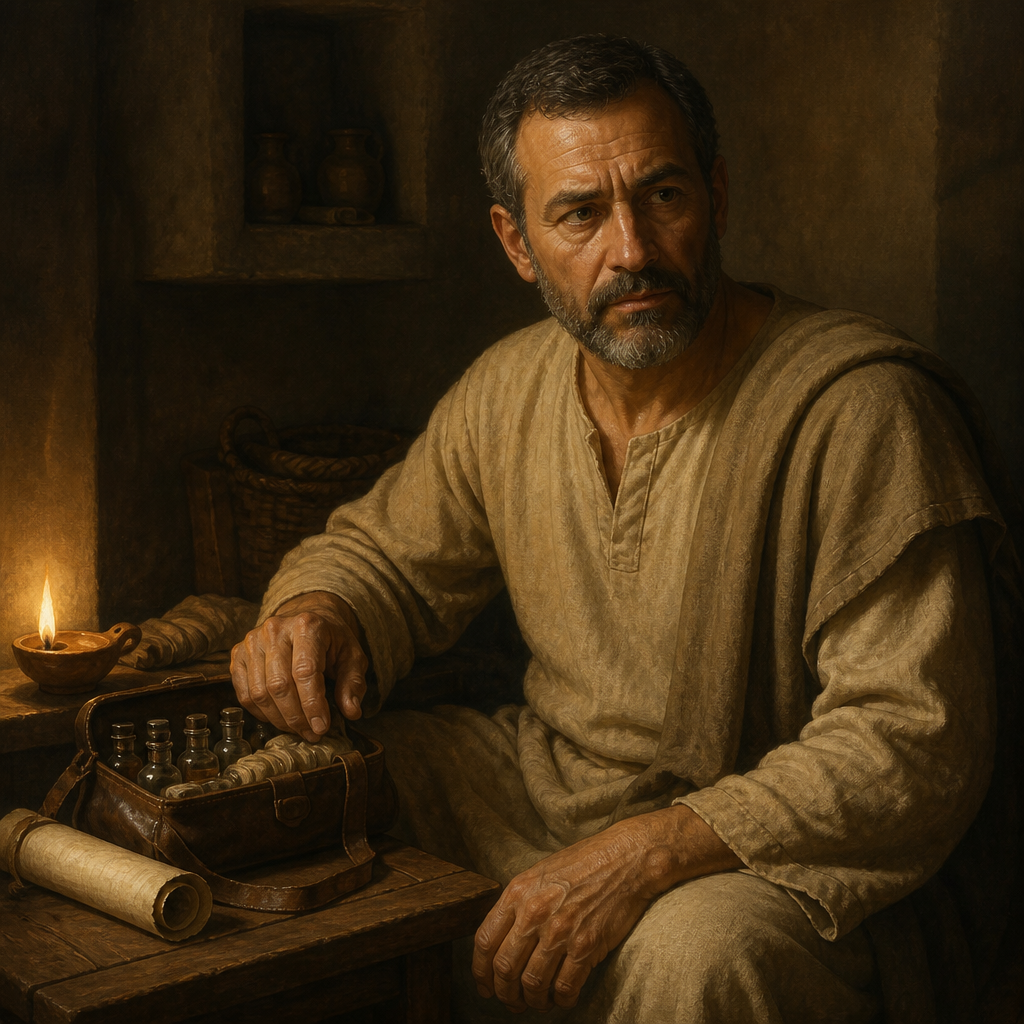
Luke
Physician and loyal companion to the Apostle Paul during his imprisonments
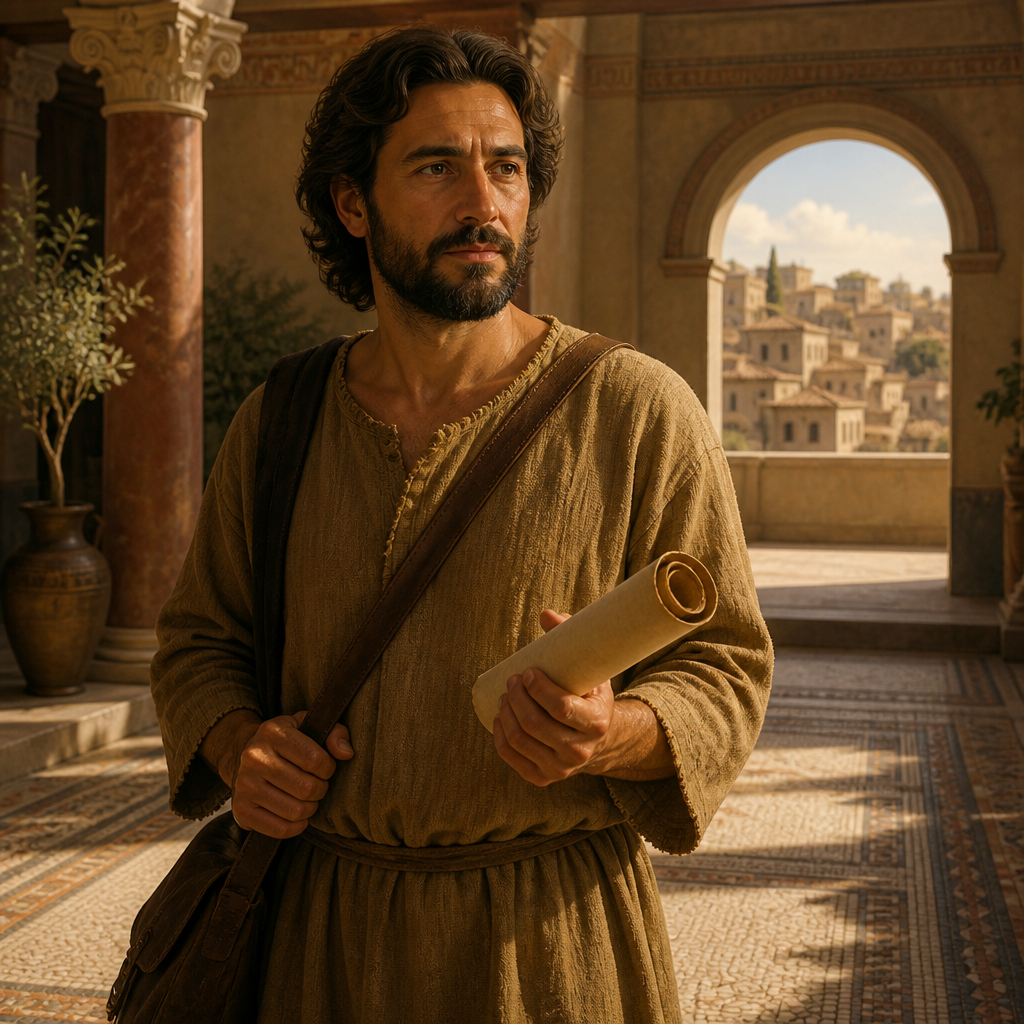
Mark
Missionary companion of Paul and Barnabas whose departure caused a rift between the two leaders
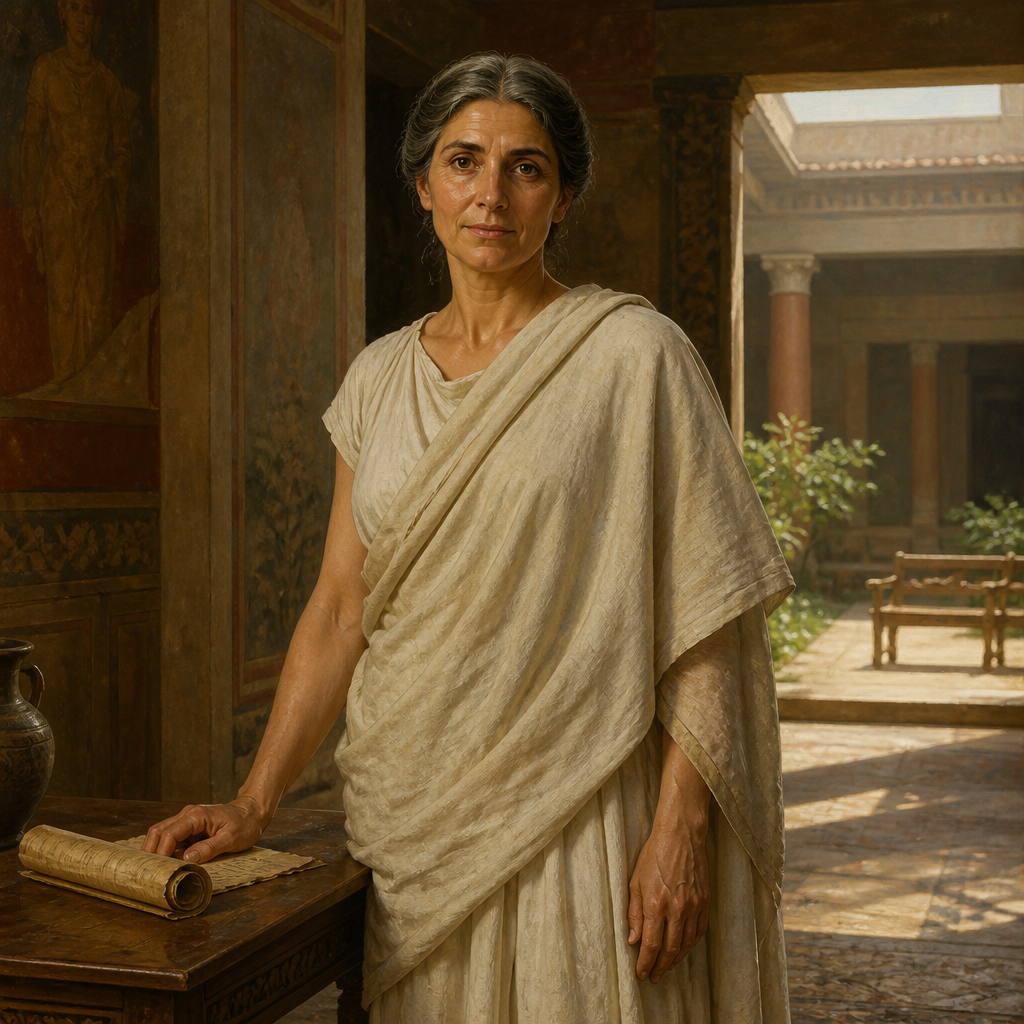
Nympha
Host of a house church in Laodicea mentioned by the Apostle Paul
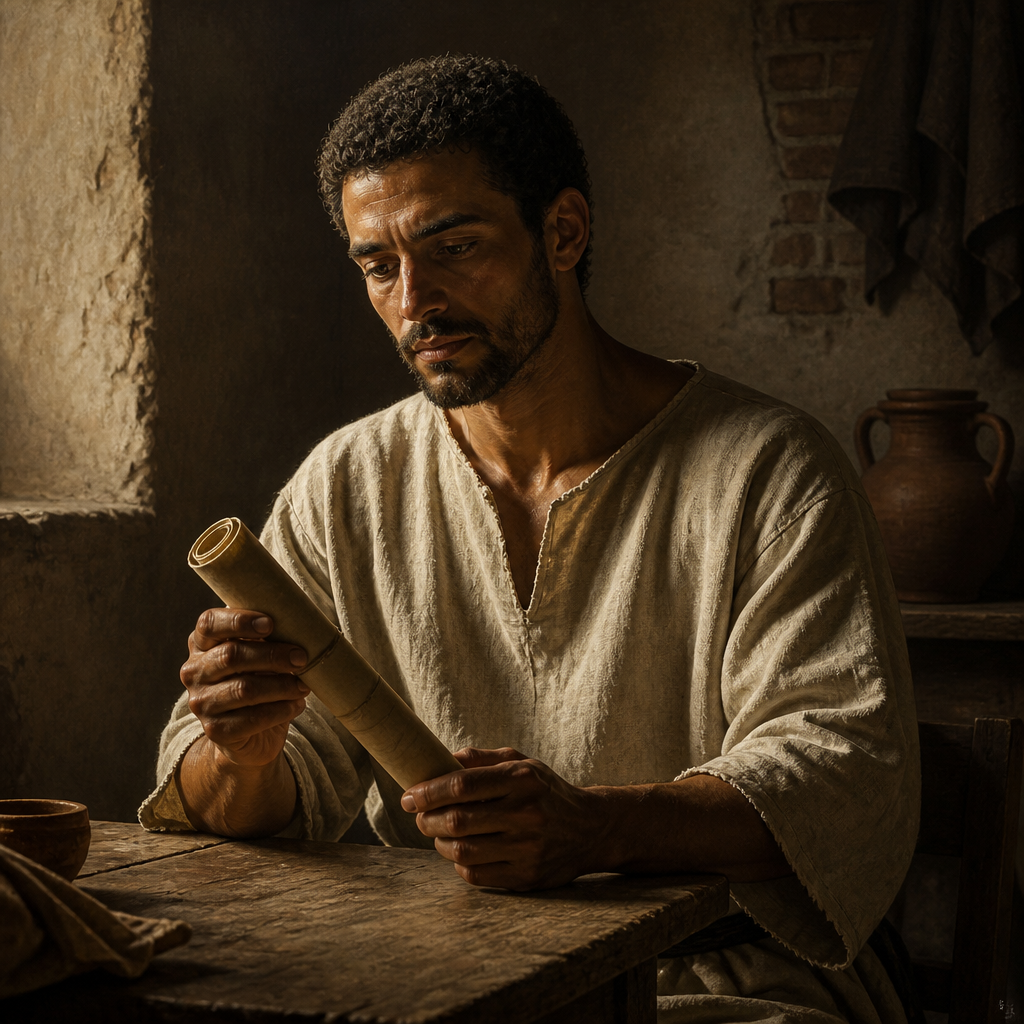
Onesimus
Runaway slave whose reconciliation with his master Philemon is the subject of a New Testament epistle
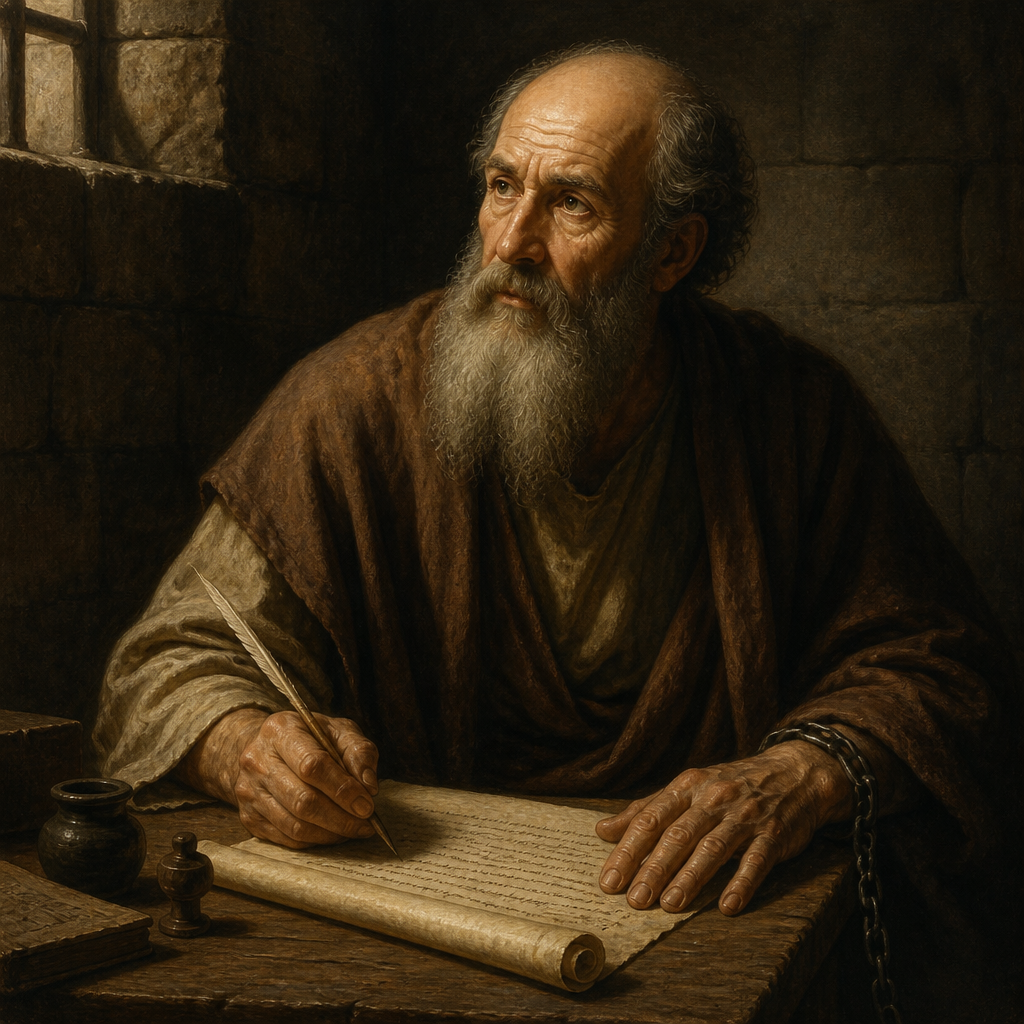
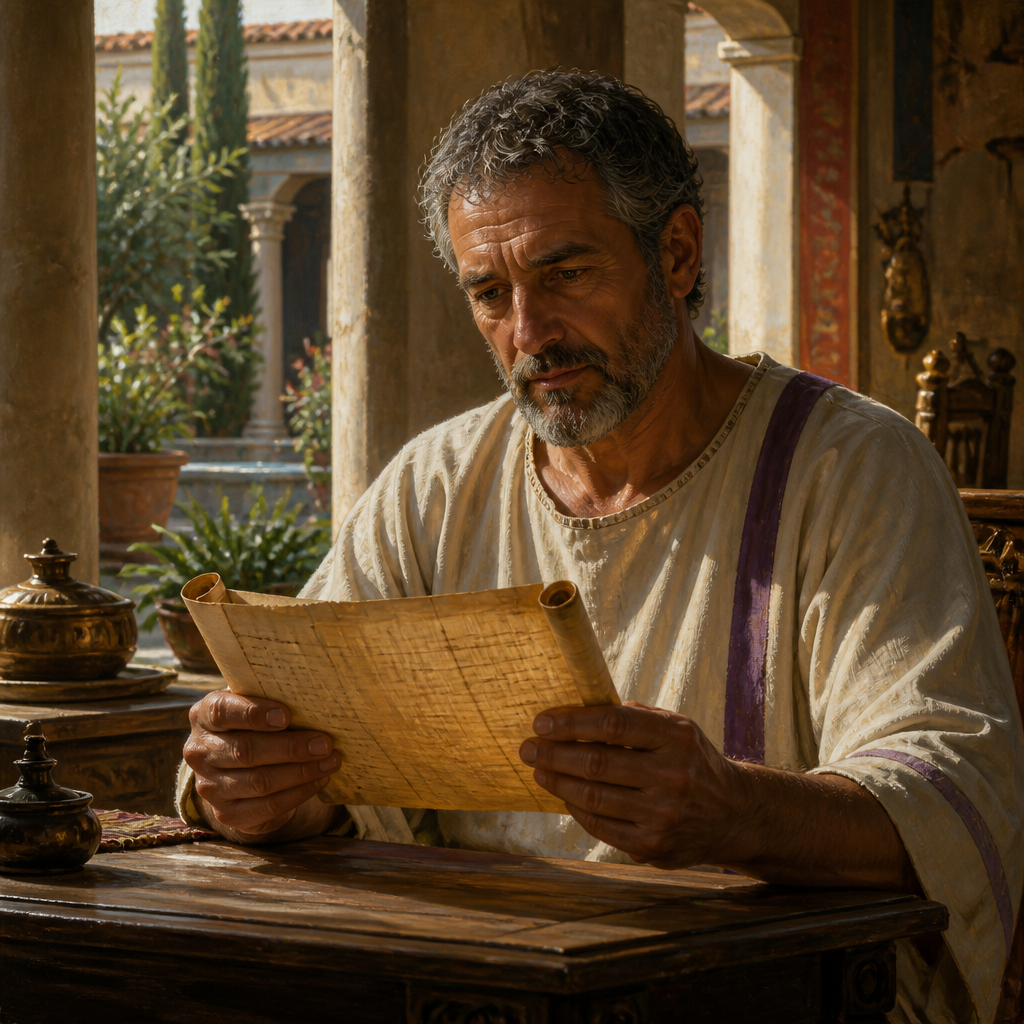
Philemon
Host of the Colossian house church and recipient of Paul’s letter regarding Onesimus
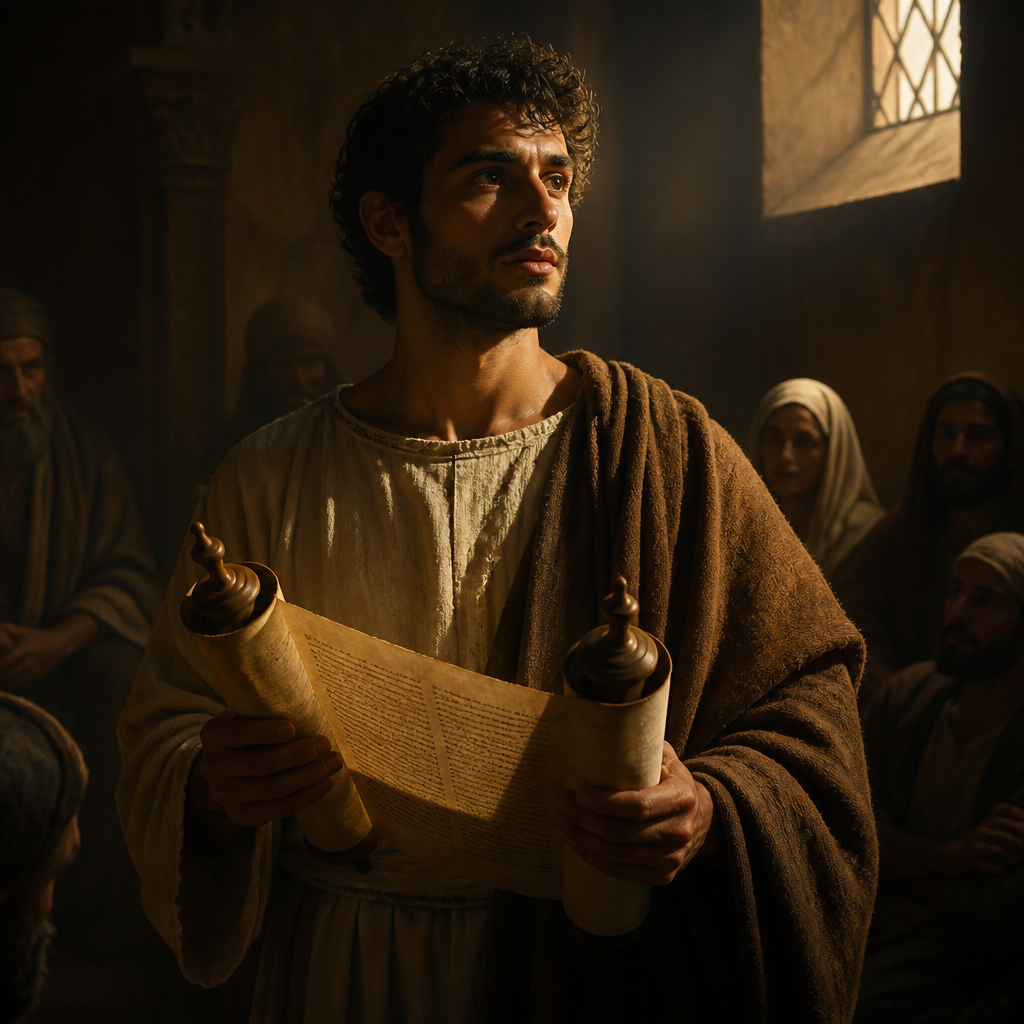
Timothy
Protégé of the Apostle Paul and recipient of the two Pastoral Epistles whom Paul stationed at Ephesus
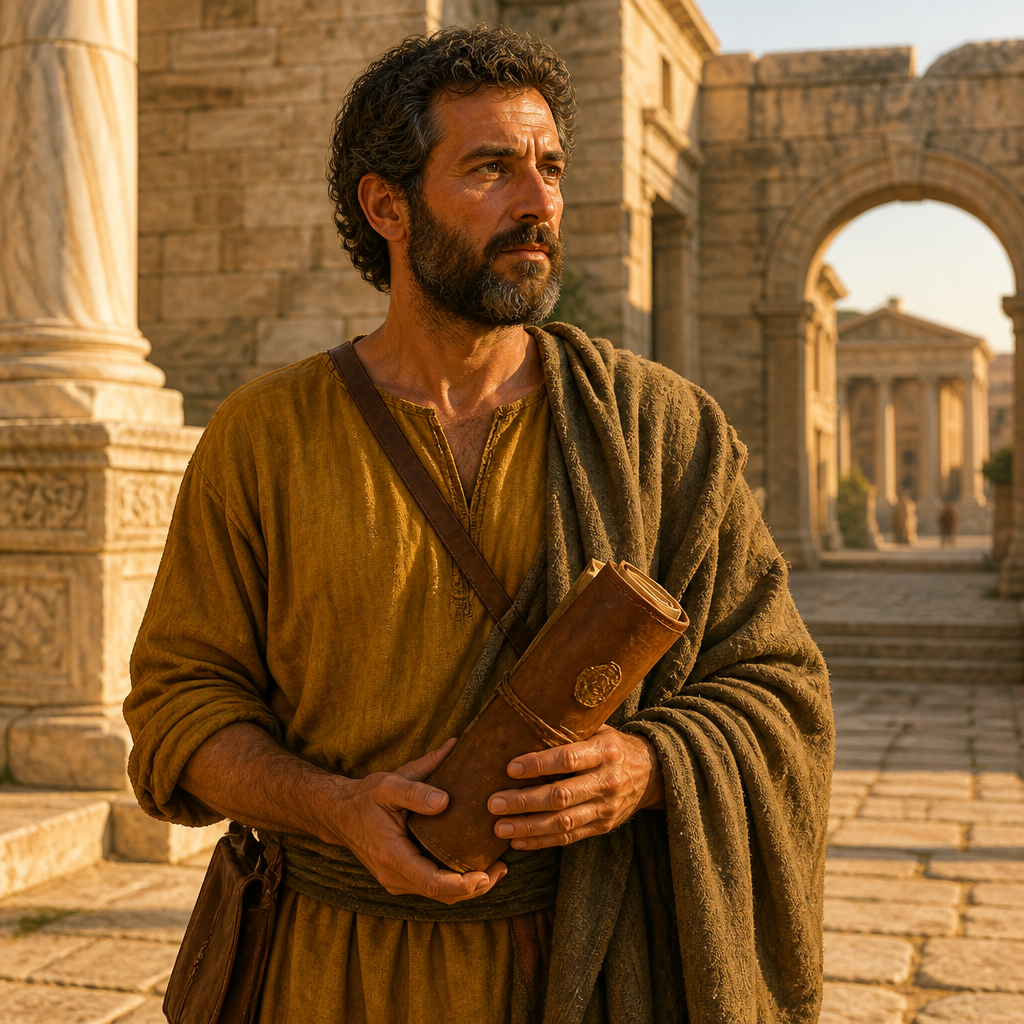
Tychicus
Minister from Asia who delivered Paul's letters to the Ephesians and Colossians