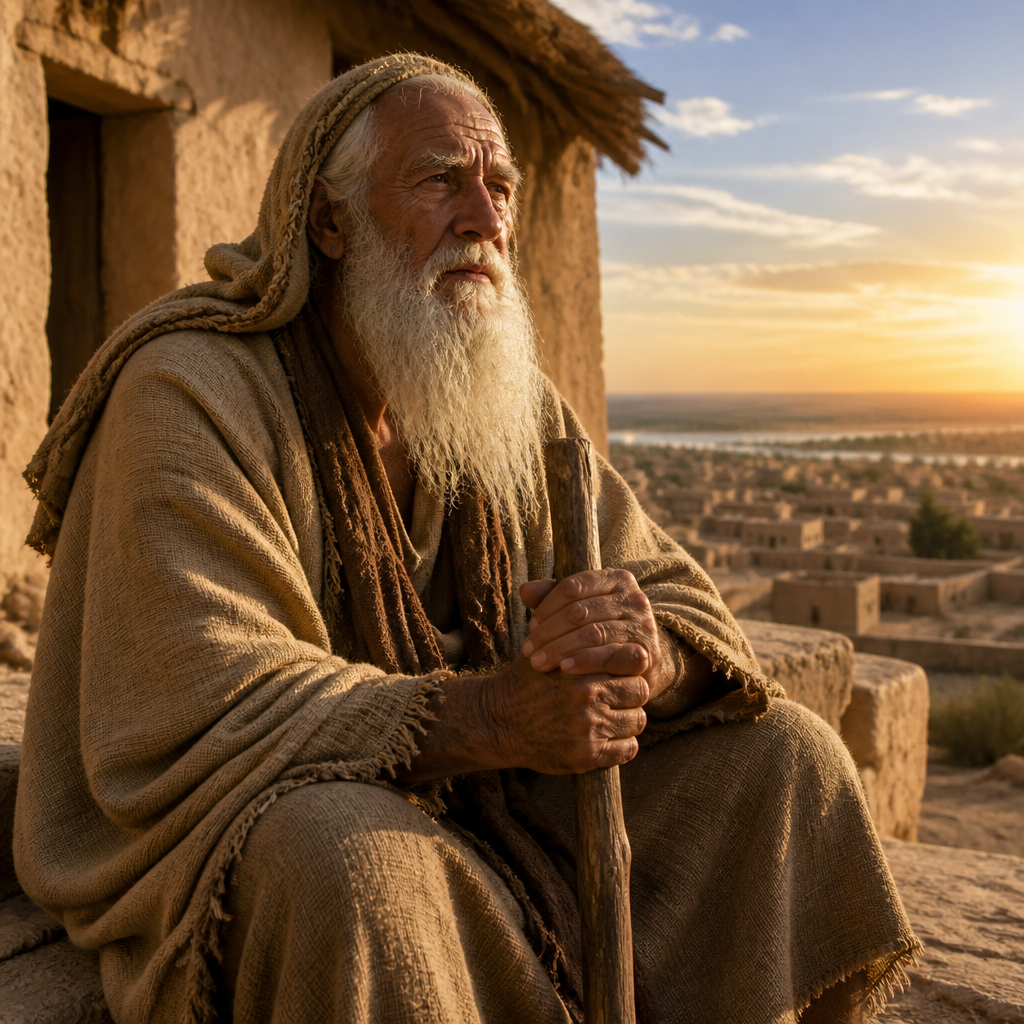
Shem to Abraham (Genesis 11)
The narrowing line after Babel: nine generations that carry the promise from Shem down to Terah and his son Abram, the family through whom all nations would be blessed.
The genealogy from Shem to Abraham (Genesis 11) provides a linear record of ten generations following the account of the Tower of Babel. The passage uses a consistent formula to track the descent, stating the age of each patriarch at the birth of his firstborn son and the number of years he lived thereafter. This sequence begins with Shem two years after the flood and concludes with the family of Terah shifting the focus of the biblical narrative from the general history of humanity to the specific origins of the Hebrew people.
The lineage progresses through Arphaxad, who was born when Shem was one hundred years old (Genesis 11:10). The line continues through Shelah, who lived four hundred and three years after the birth of his son (Genesis 11:14–15), and Eber, whose name is traditionally associated with the origin of the term Hebrew (Genesis 11:16). The text notes that Peleg was the son of Eber, and it is elsewhere recorded that the earth was divided during his days (Genesis 10:25). The genealogy then moves through Reu and Serug, the latter of whom lived two hundred years after fathering his successor (Genesis 11:20–21).
As the list approaches its conclusion, it records Nahor, who lived one hundred and nineteen years after his son was born (Genesis 11:24–25). The focus then narrows to Terah, who fathered three sons: Abram, Nahor, and Haran (Genesis 11:26). The text notes that Haran died in Ur of the Chaldeans, leaving behind a son named Lot and two daughters named Milcah and Iscah (Genesis 11:27–29). The record concludes with Terah leading a migration from Ur toward the land of Canaan, though he settled and died in Haran (Genesis 11:31–32).
This genealogy serves as a bridge between the post-flood world and the call of Abram. By tracing the descent from Shem to the family of Terah, the text establishes the legal and biological heritage of the man who would receive the covenant promise. It transitions the reader from a broad table of nations to a single family unit, setting the stage for the subsequent history of Israel. The inclusion of figures like Milcah and Iscah provides specific genealogical markers that define the kinship structures within this emerging nomadic family (Genesis 11:29).
Everyone in this list
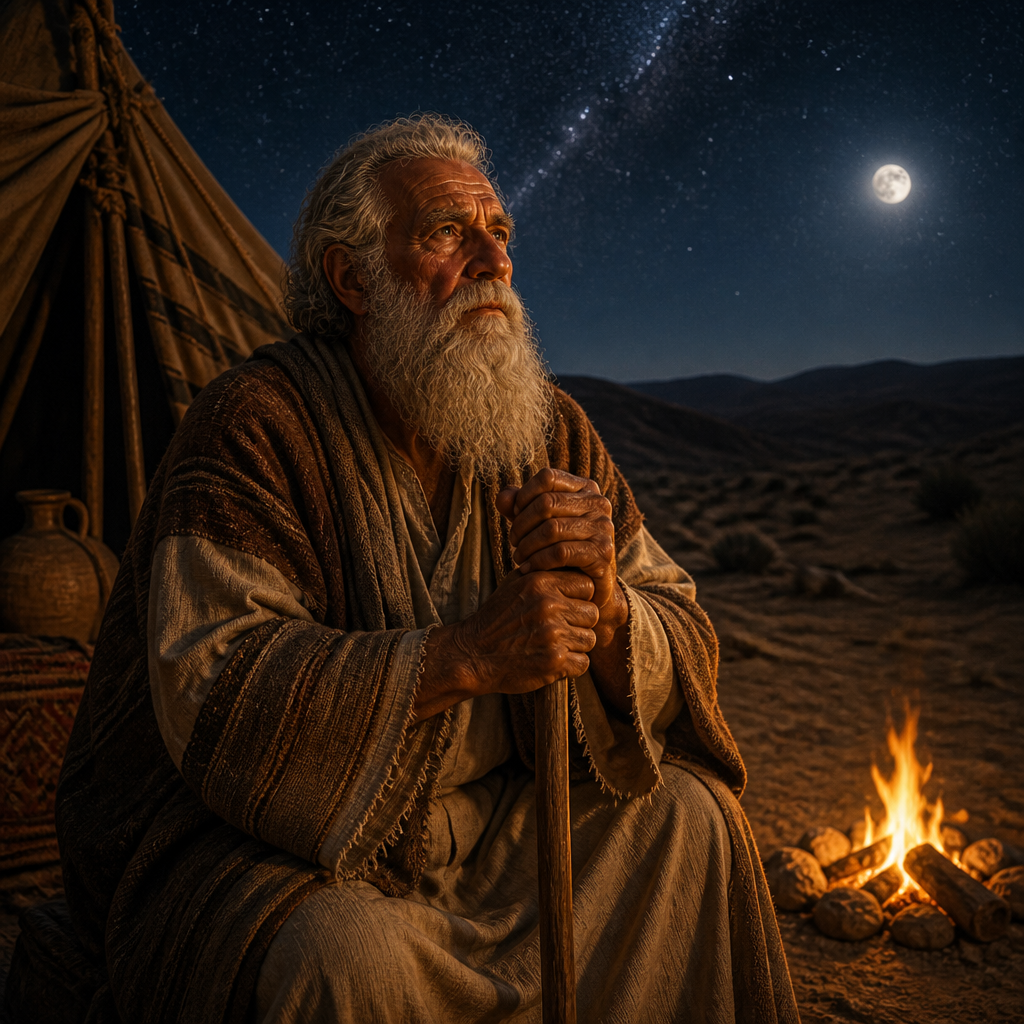
Abraham
Patriarch who is the father of the nation of Israel and an exemplar of faith
Eber, Son of Shelah
Patriarchal ancestor of the Hebrew people through the line of Shem
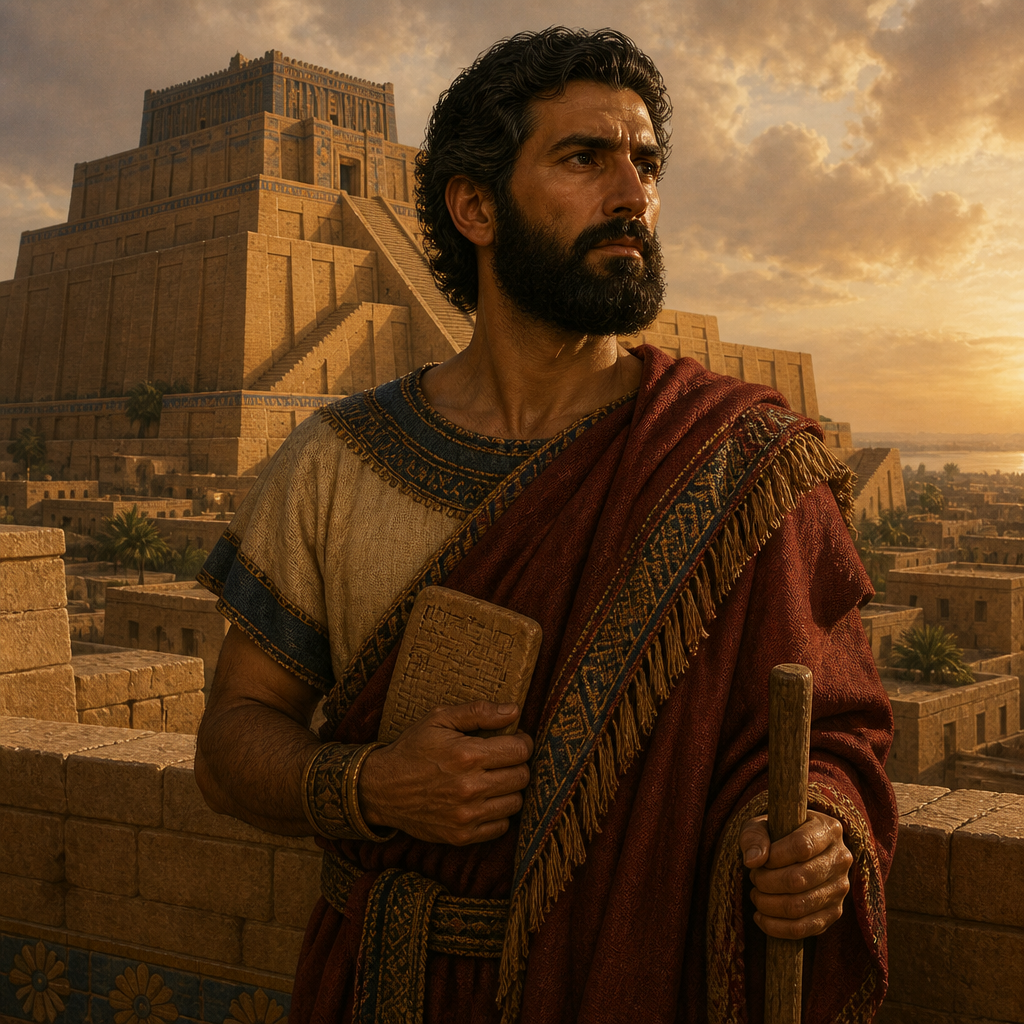
Haran, Son of Terah
Son of Terah and father of Lot who died in Ur of the Chaldeans
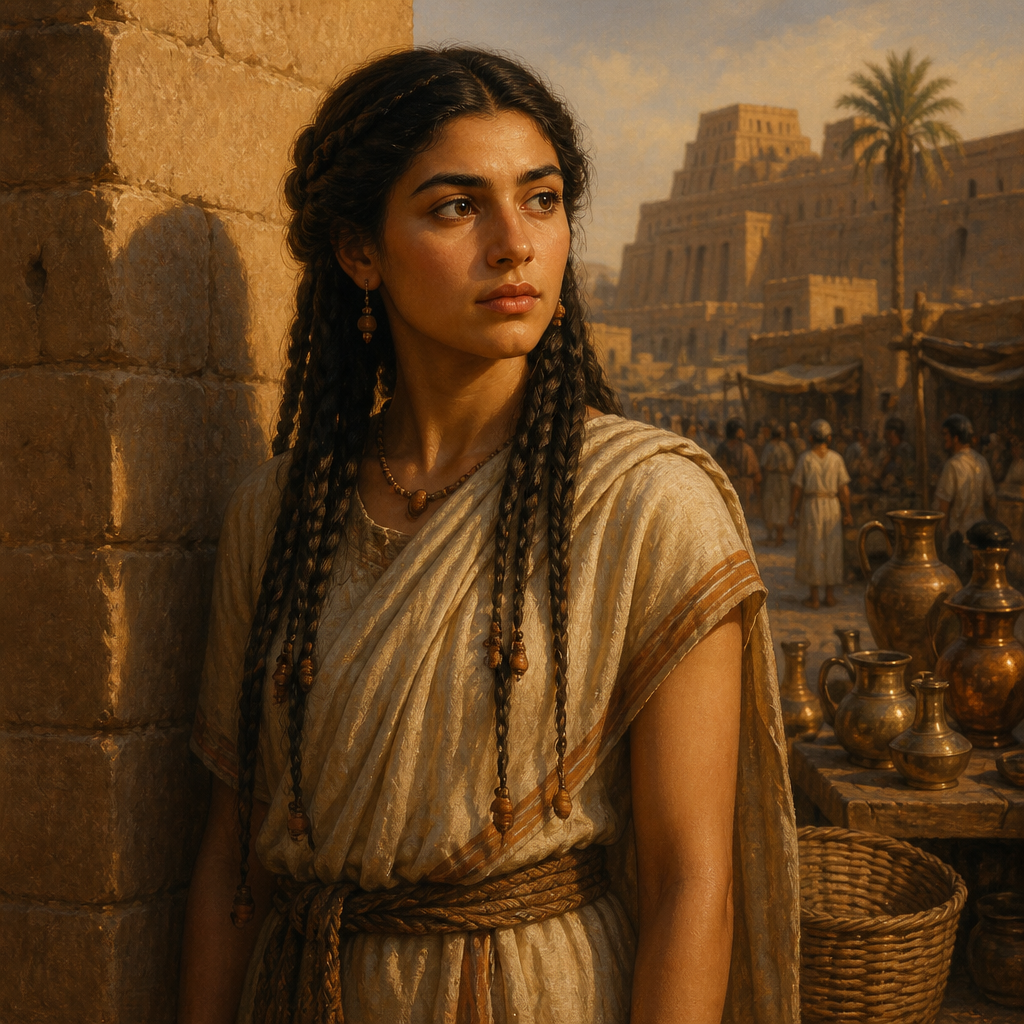
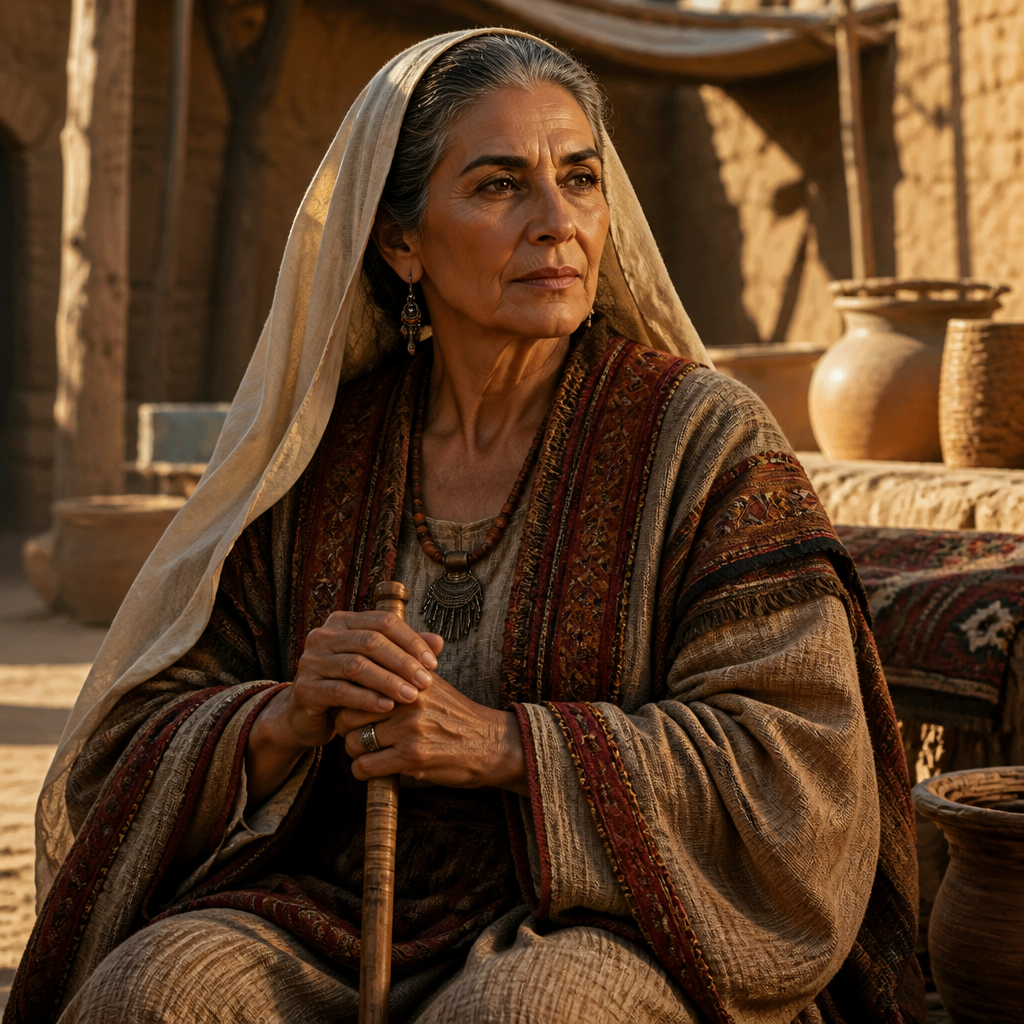
Milcah, Matriarch of Nahor's Line
Matriarch who was the wife of Nahor and grandmother of Rebekah
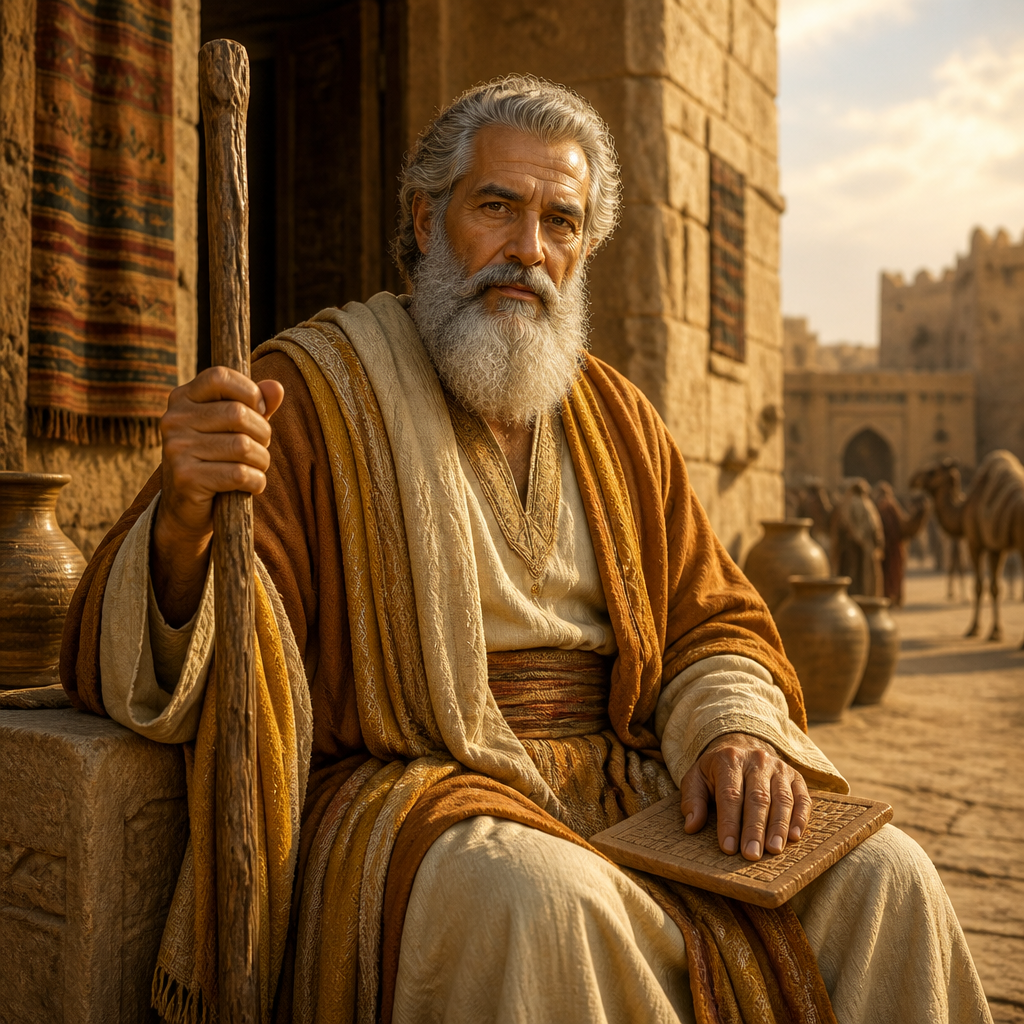
Nahor, Brother of Abraham
Brother of Abraham who stayed in Mesopotamia and fathered twelve sons
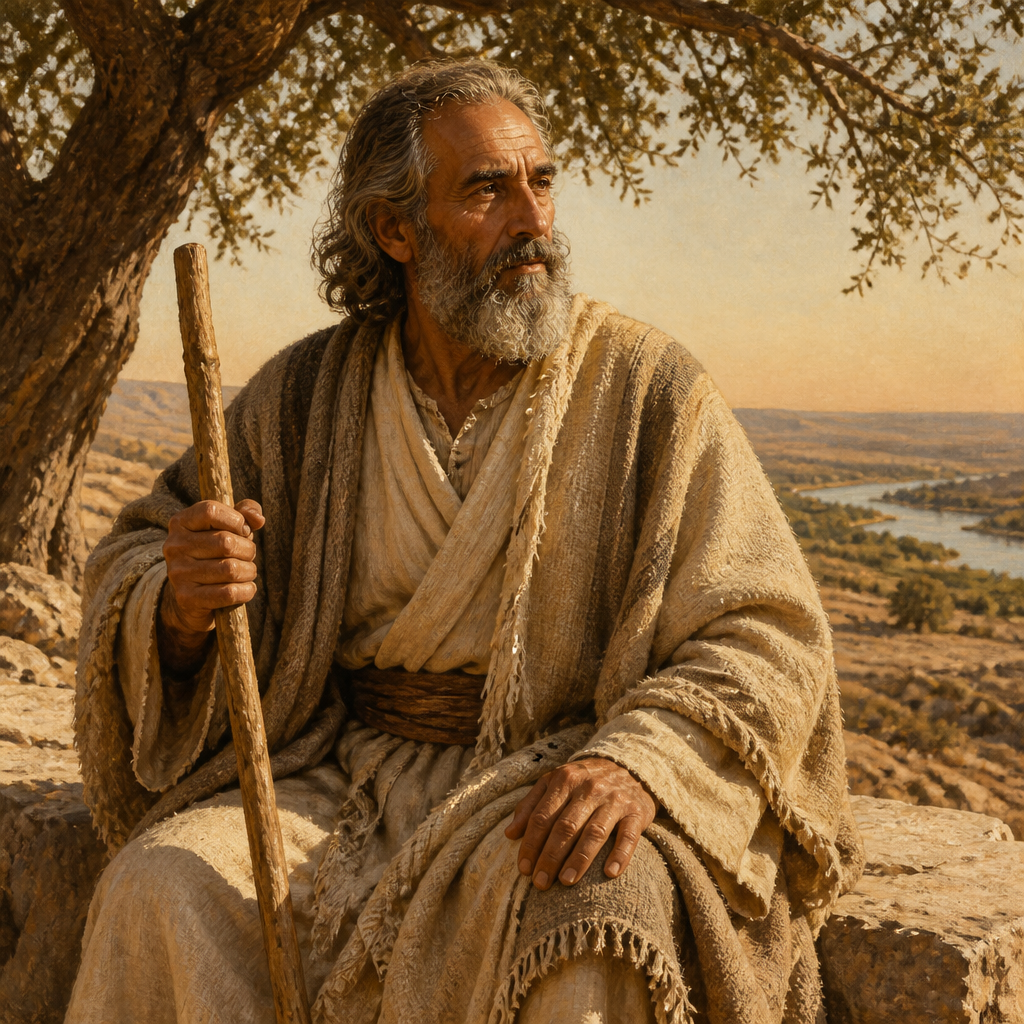
Nahor, Grandfather of Abraham
Grandfather of Abraham who is listed in the genealogy of Jesus Christ
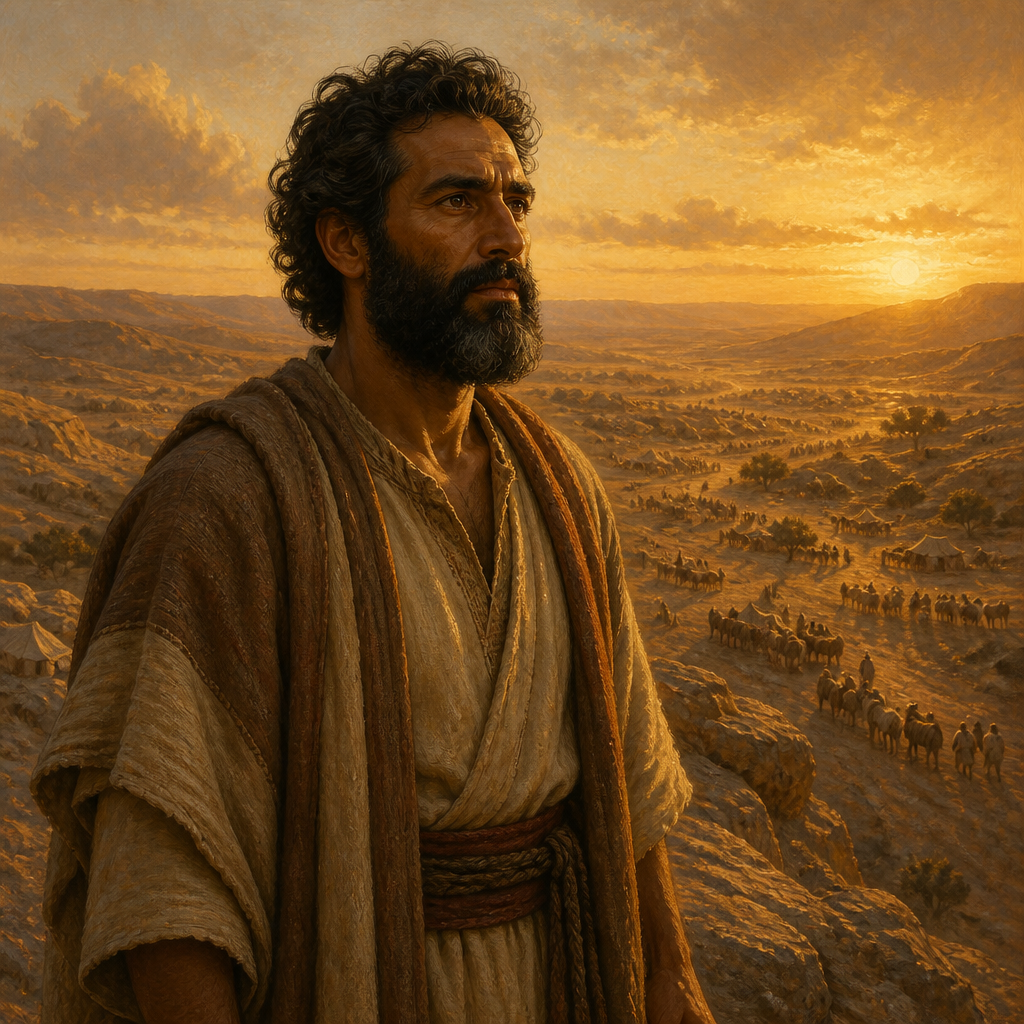
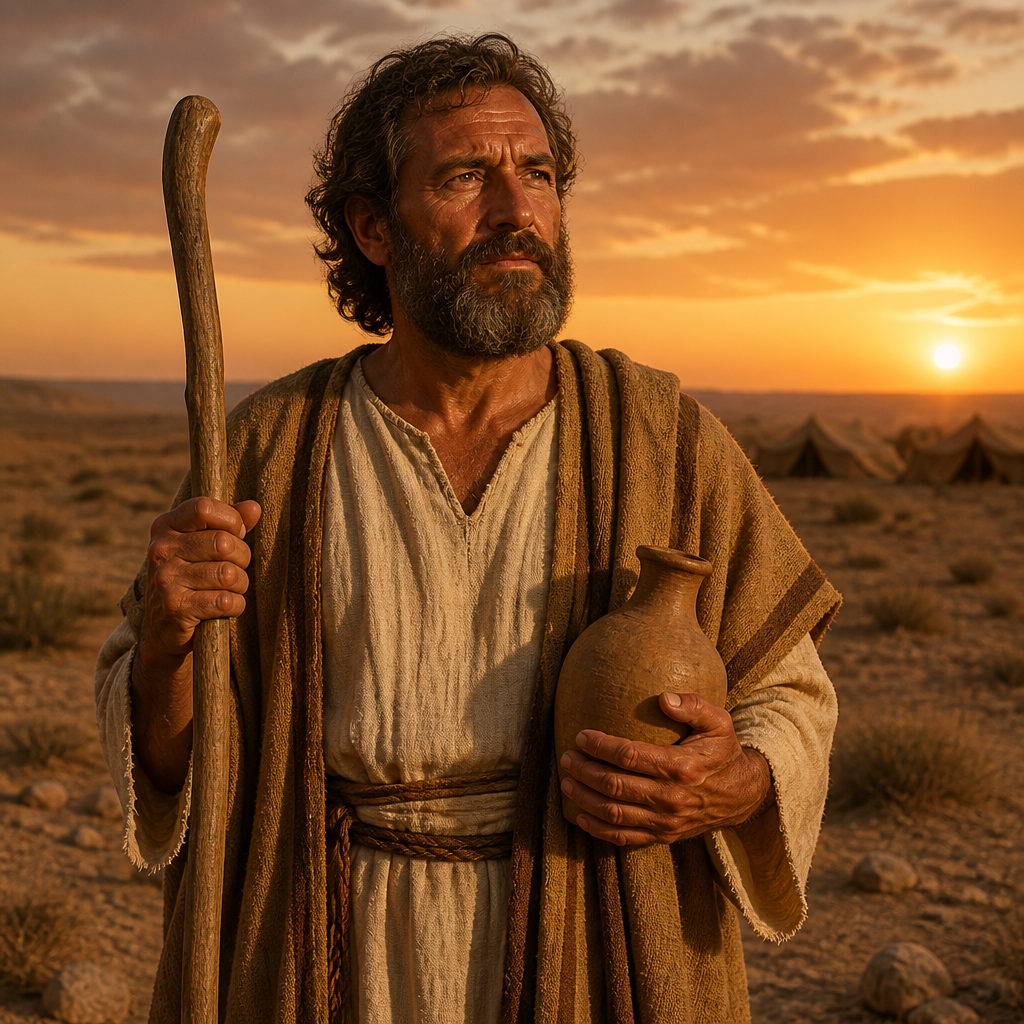
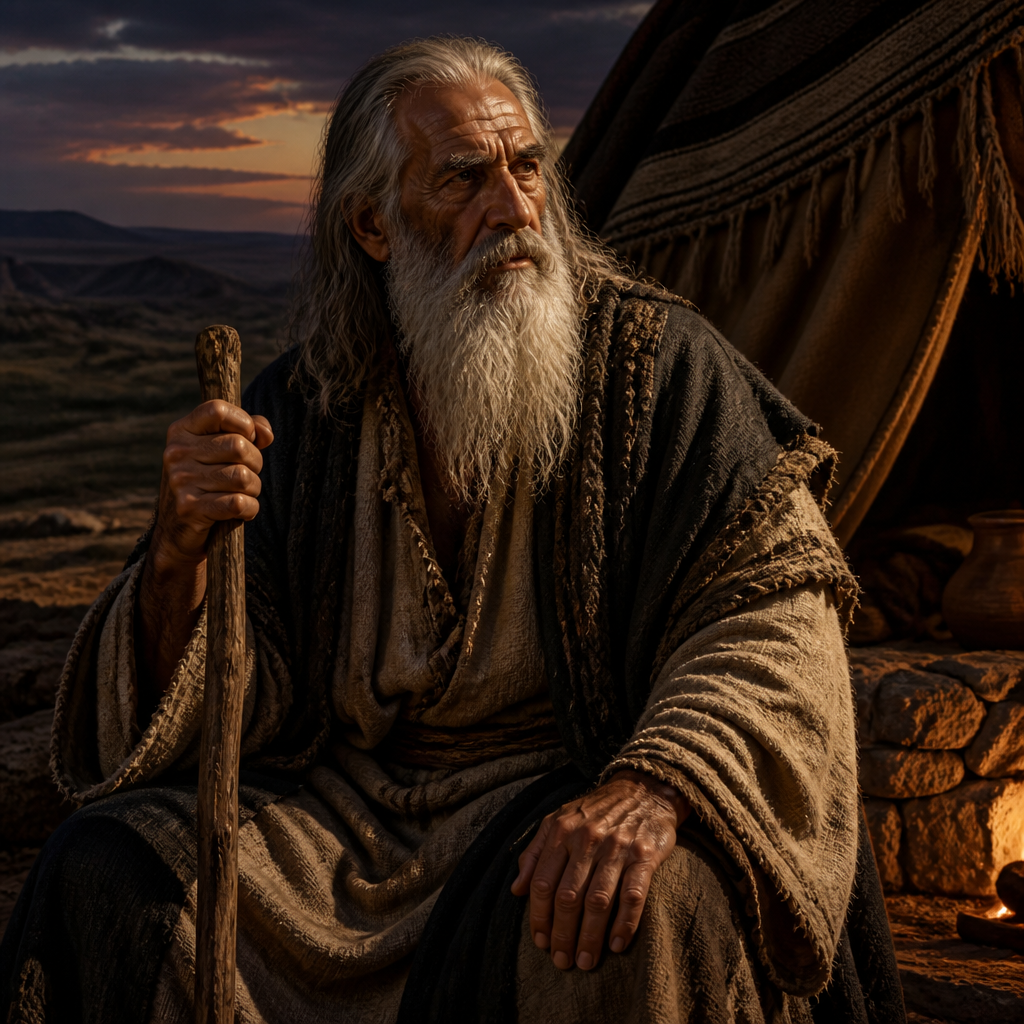
Serug
Patriarch who was the great-grandfather of Abraham and an ancestor of Jesus Christ
Shelah, Son of Cainan
Patriarch who was the father of Eber and a direct ancestor of Jesus Christ
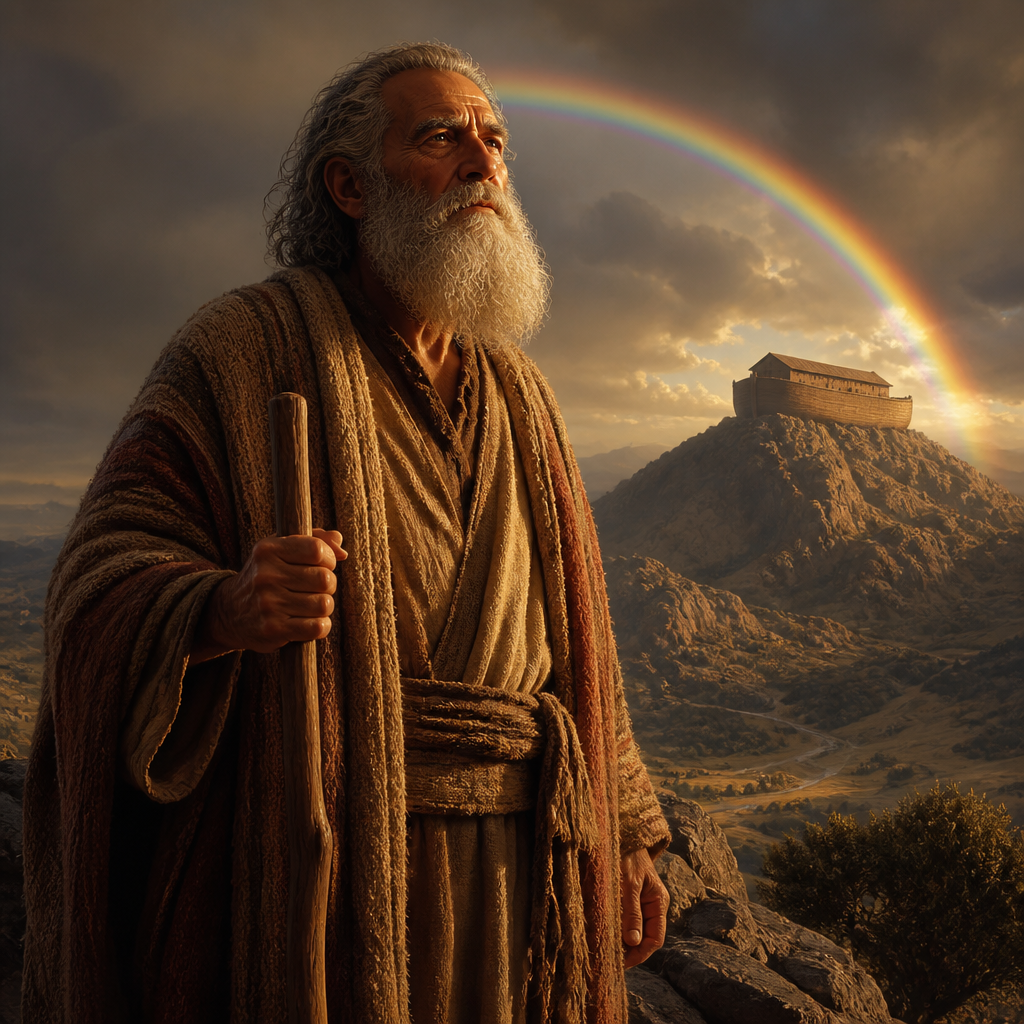
Shem
Son of Noah who survived the Great Flood and became the ancestor of the Semitic nations