People of Proverbs
Every person who appears in the book of Proverbs, ordered by how often they are mentioned there.
The People of Proverbs appear throughout a collection of poetic instructions and observations designed to impart wisdom and discipline. The book identifies Solomon as the primary author, describing him as the son of David and the king of Israel (Proverbs 1:1). The text attributes the majority of the proverbs to Solomon, though it notes that a specific collection of his sayings was later transcribed by the men of Hezekiah (Proverbs 25:1). The book concludes with the words of two other figures: Agur and Lemuel.
The organization of the text relies on these specific individuals to establish the authority of the wisdom being shared. Solomon is presented as the central figure of the book, whose proverbs were intended to help the simple gain prudence and the young gain knowledge (Proverbs 1:1–4). David is mentioned as the father of Solomon establishing the royal lineage from which this wisdom flows (Proverbs 1:1). Hezekiah is credited with preserving and copying a significant portion of Solomon’s work, ensuring the survival of these teachings for later generations (Proverbs 25:1). Agur is identified as the son of Jakeh, a man who spoke an oracle concerning his own limitations and the purity of God’s words (Proverbs 30:1–5). Ithiel is one of the two men to whom Agur addressed his specific philosophical inquiries (Proverbs 30:1). Ucal is the second named individual who received the oracle delivered by Agur (Proverbs 30:1). Finally, Lemuel is described as a king who recorded the burden or prophecy taught to him by his mother, which included warnings against kings drinking wine or strong drink (Proverbs 31:1–4).
These figures connect the book to the broader history of the nation of Israel and the tribe of Judah. By attributing these sayings to Solomon and the men of Hezekiah, the text anchors its moral and practical advice in the Davidic monarchy. The inclusion of Agur and Lemuel expands the scope of the book to include voices outside the primary narrative of the kings of Israel yet their words are presented with the same instructional weight. The text does not say how these various collections were physically joined together, but it presents them as a unified guide for righteous living.
Everyone in this list
Solomon
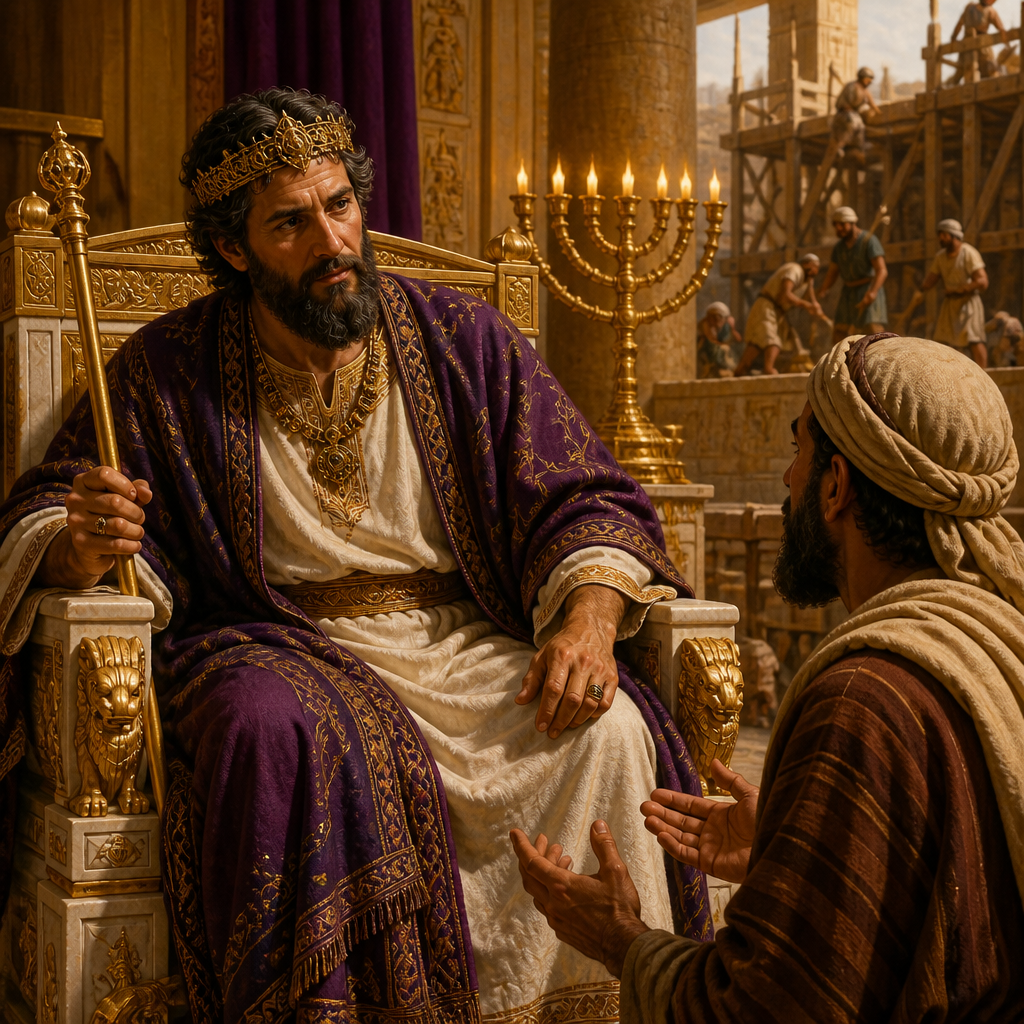
King of Israel who built the first Temple and was famous for his wisdom
Lemuel
King who recorded the moral instructions and warnings against alcohol given to him by his mother
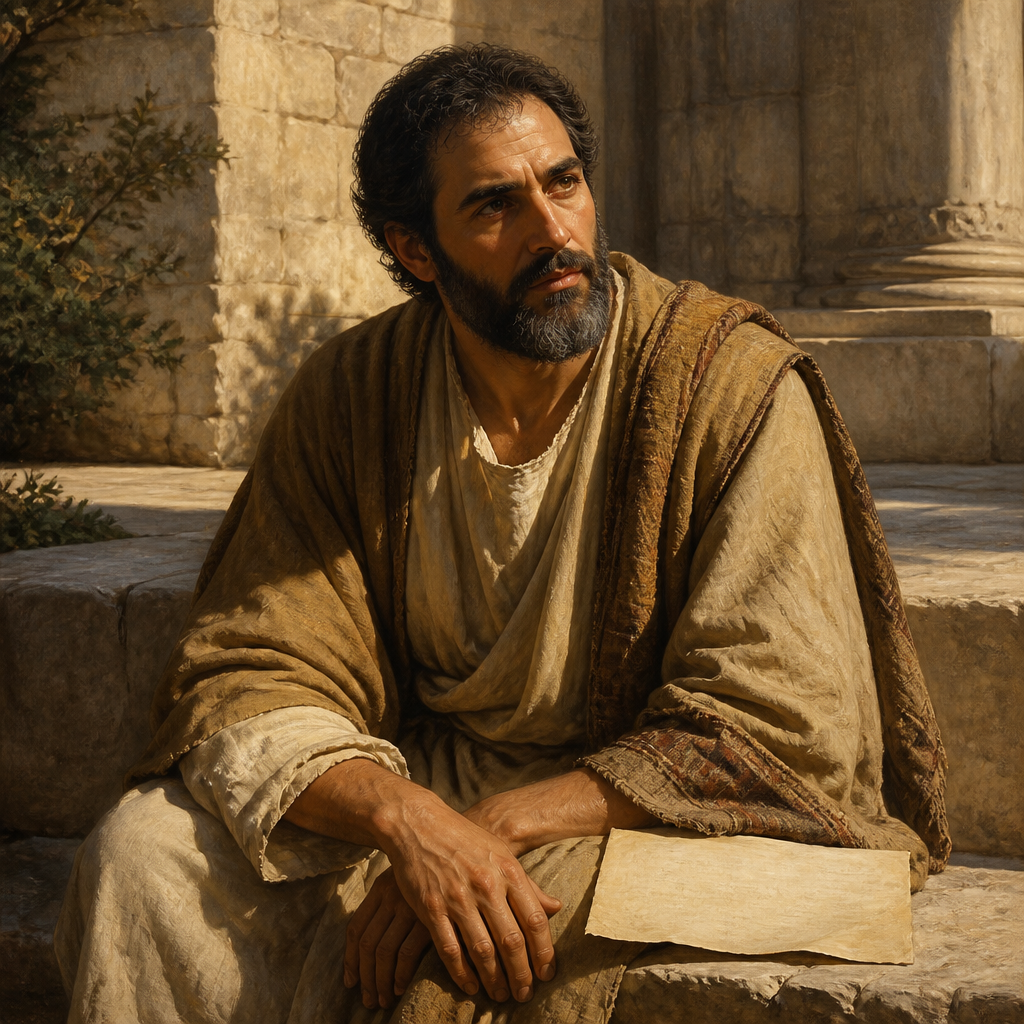
Ithiel, Recipient of Agur's Words
recipient of the wisdom oracle from Agur son of Jakeh in Proverbs 30
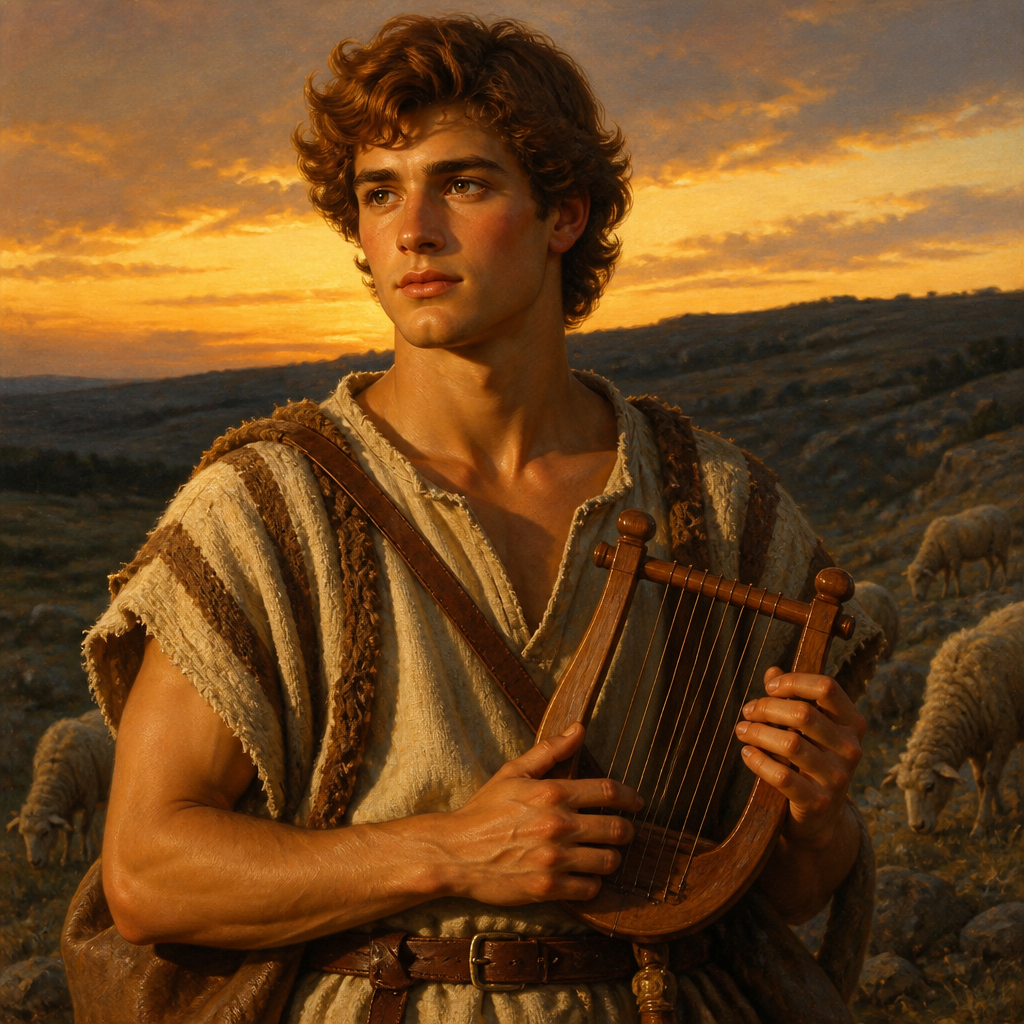
David
King of Israel who defeated Goliath and established the Davidic dynasty
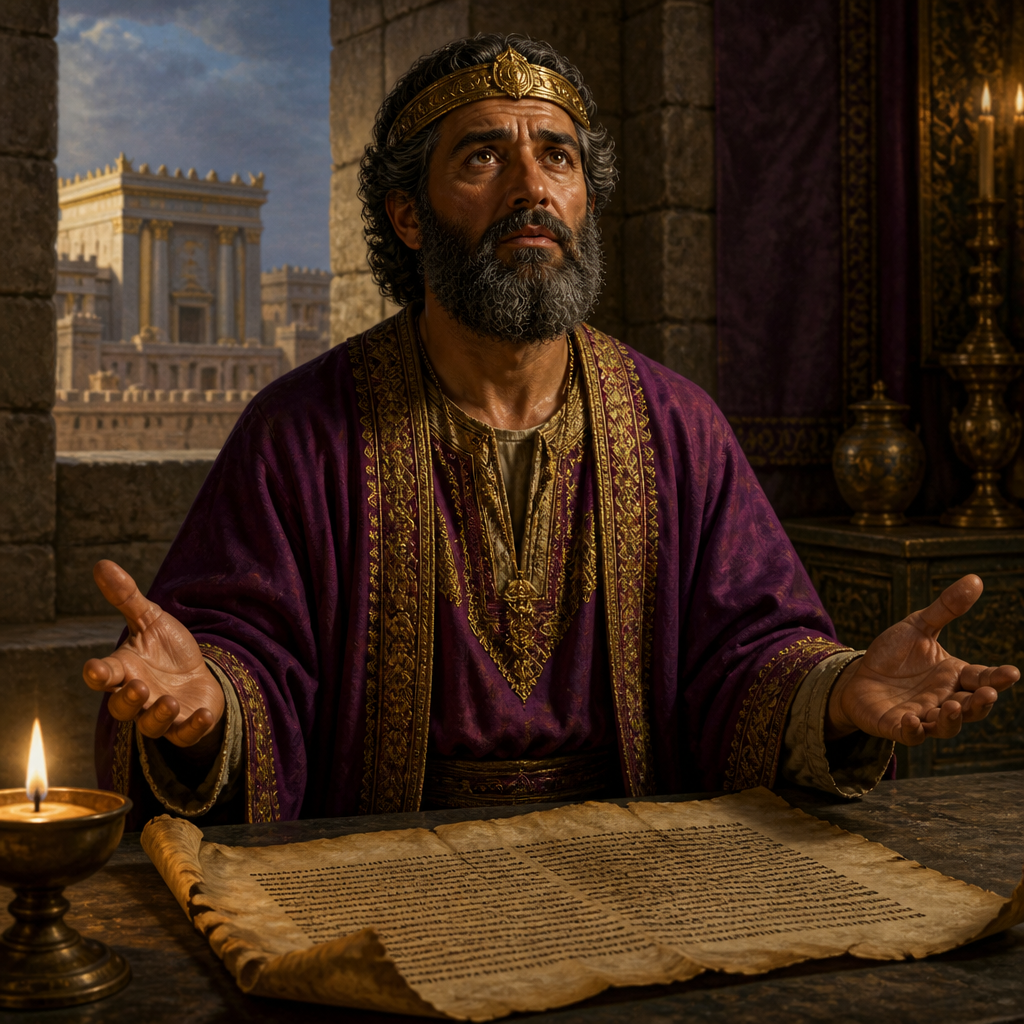
Hezekiah, King of Judah
King of Judah who reformed the Temple and survived the Assyrian siege of Jerusalem