Wisdom and Poetry
People who first appear in Job, Psalms, Proverbs, Ecclesiastes, or the Song of Songs.
20 profiles tagged Wisdom and Poetry.
Everyone in this collection
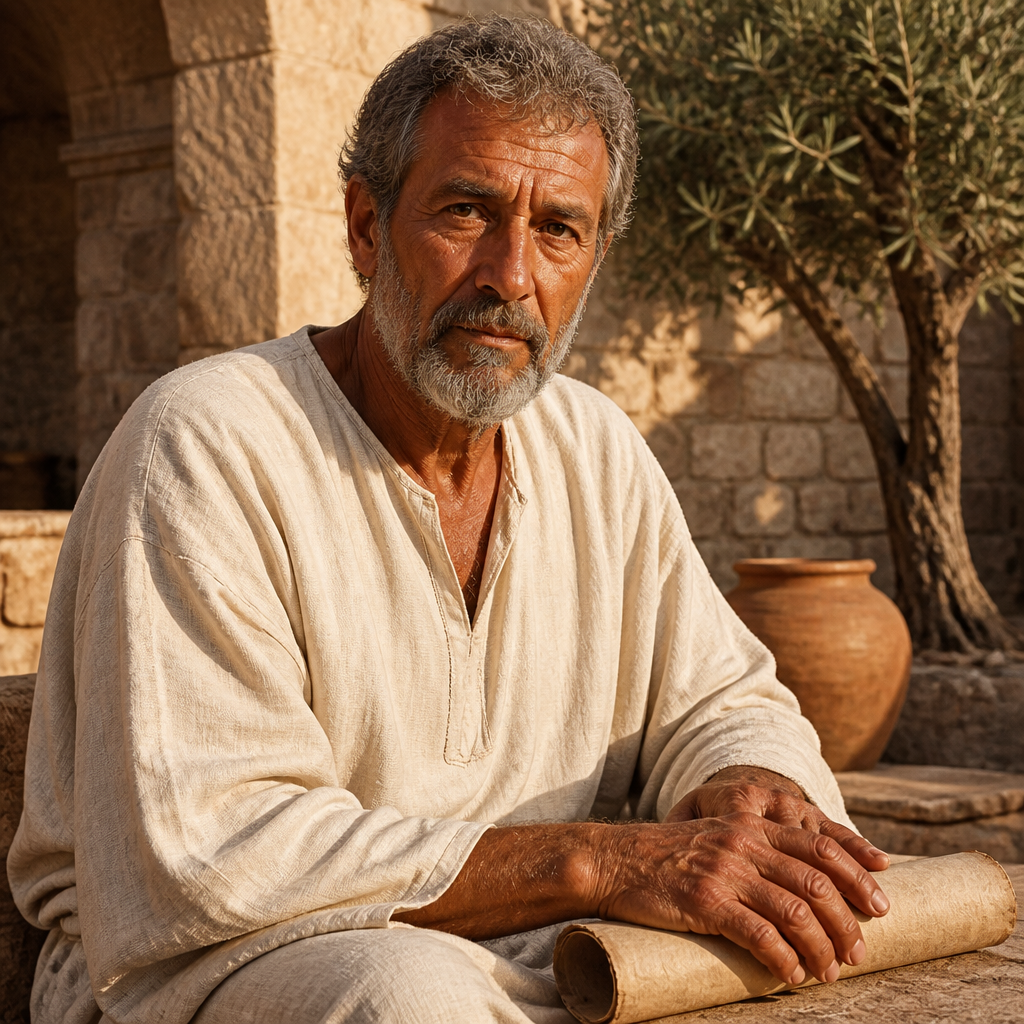
Agur
Sage who authored the thirtieth chapter of Proverbs
Agur, the son of Jakeh, was a wisdom teacher whose profound oracle on human limitation and divine perfection is recorded in the thirtieth chapter of the Book of Proverbs.
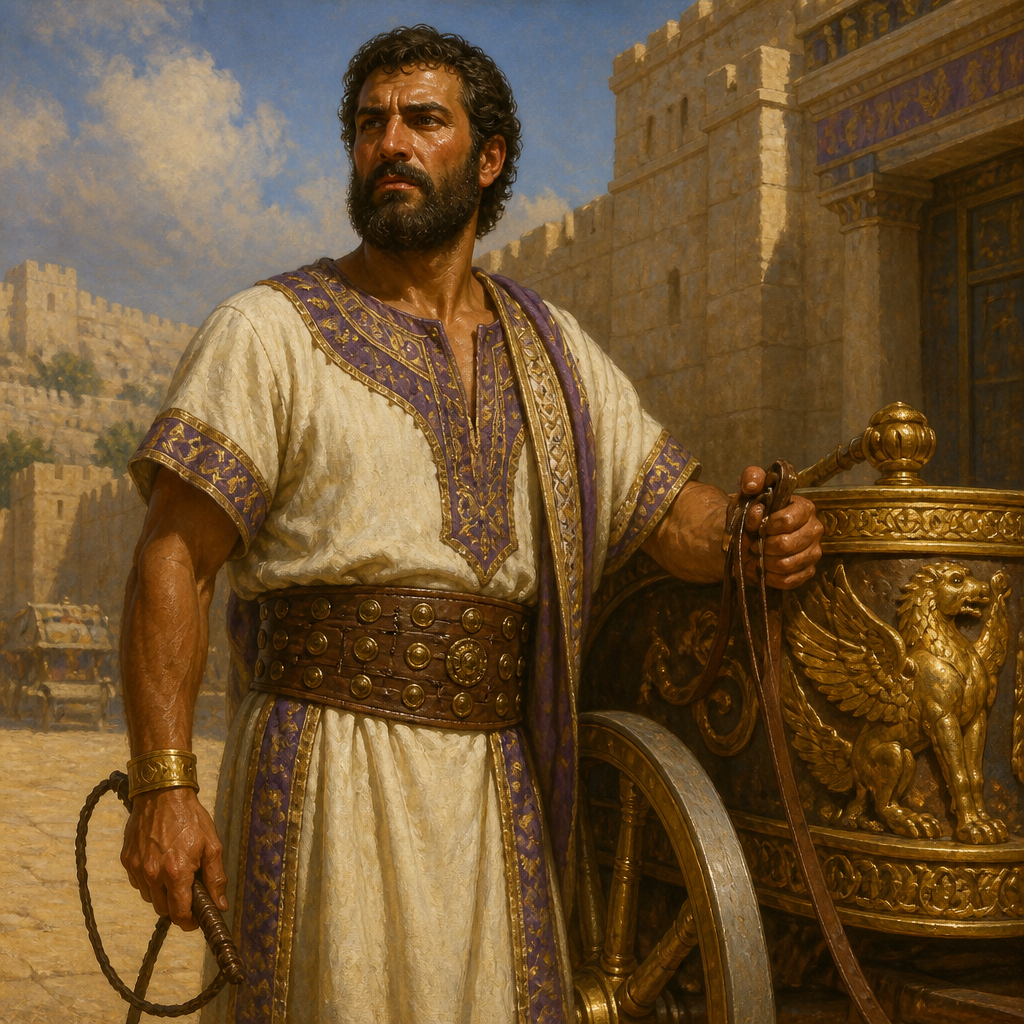
Amminadib
Nobleman associated with royal chariots in the Song of Solomon
A figure of the United Monarchy period associated with royal chariots in the poetic imagery of the Song of Solomon.
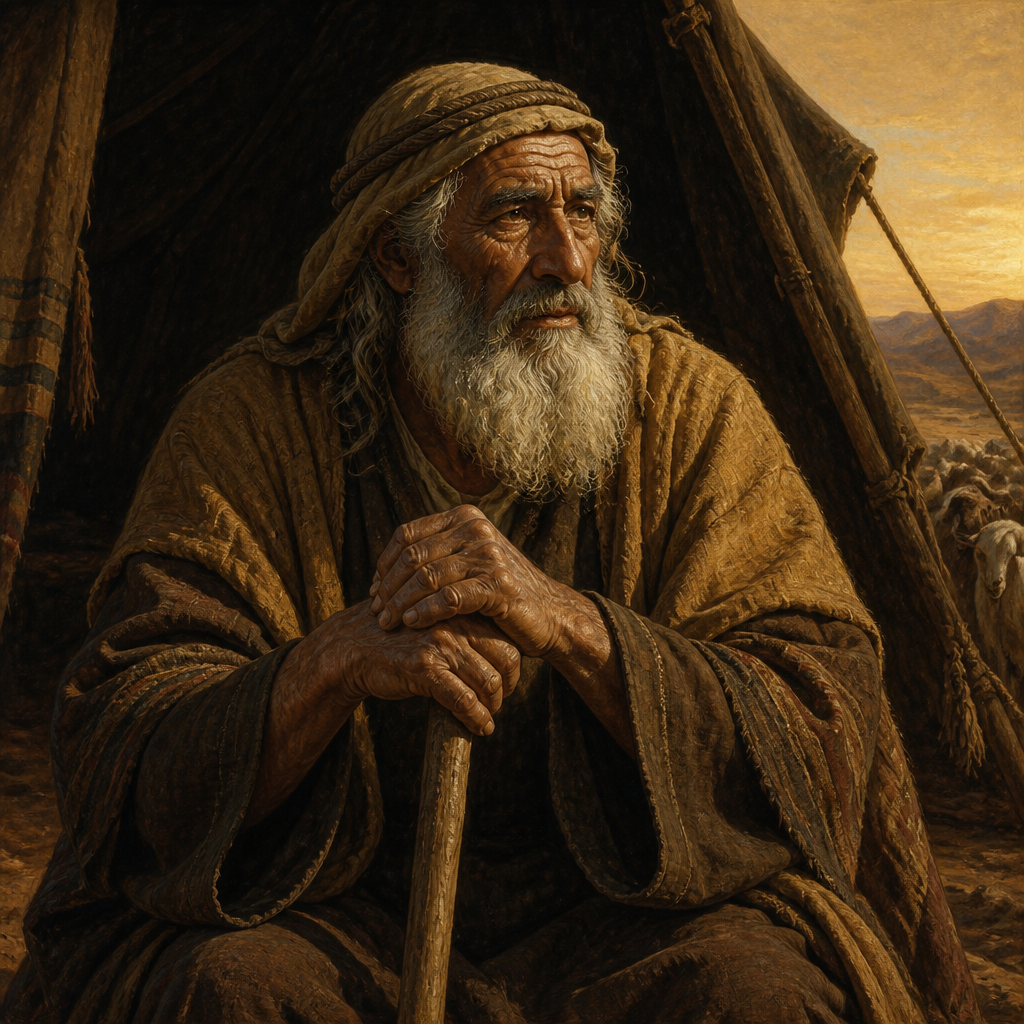
Barachel
Patriarch and father of Elihu the Buzite
Barachel was a Buzite and the father of Elihu, who served as the final speaker to address Job during his suffering.
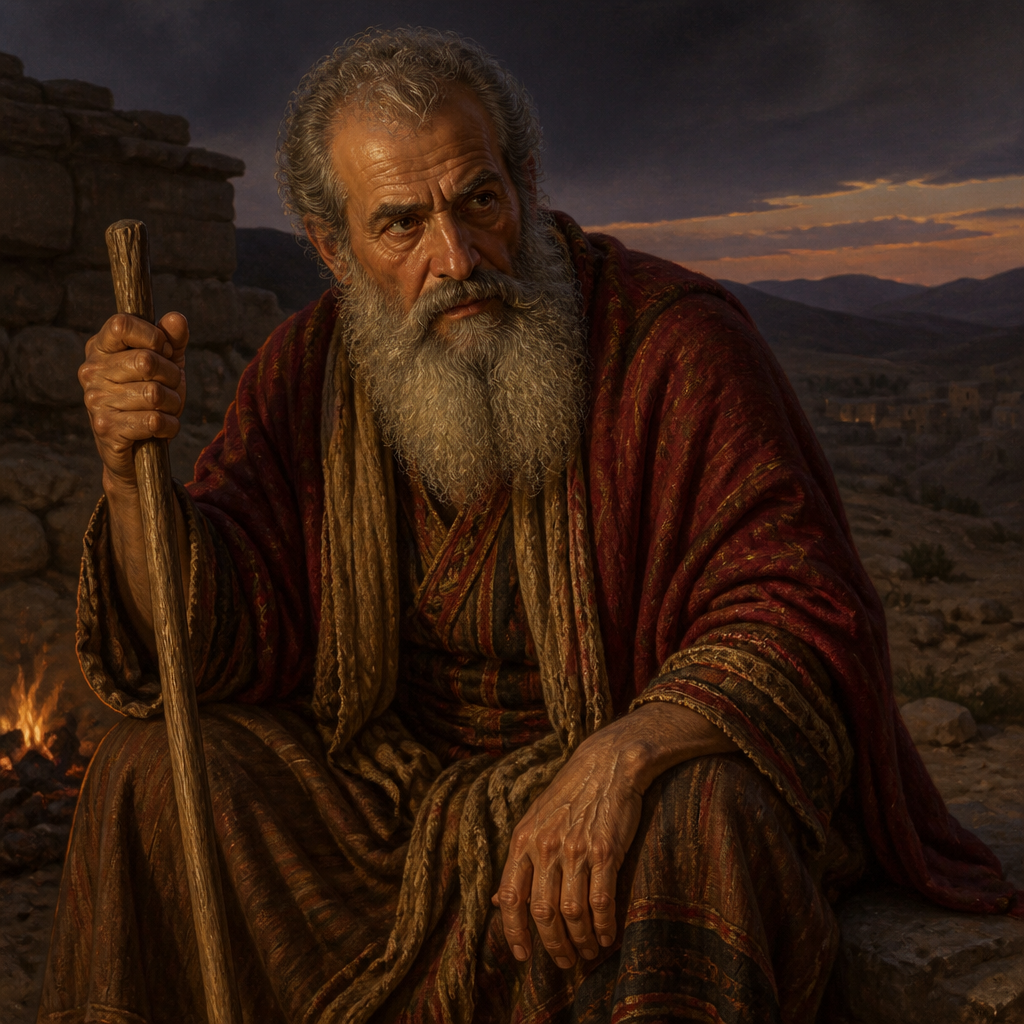
Bildad
Friend of Job who argued for the necessity of divine retribution. Called a Shuhite, a designation of origin rather than a people group
One of the three friends of Job who visited him during his suffering to offer counsel and debate the cause of his calamities.
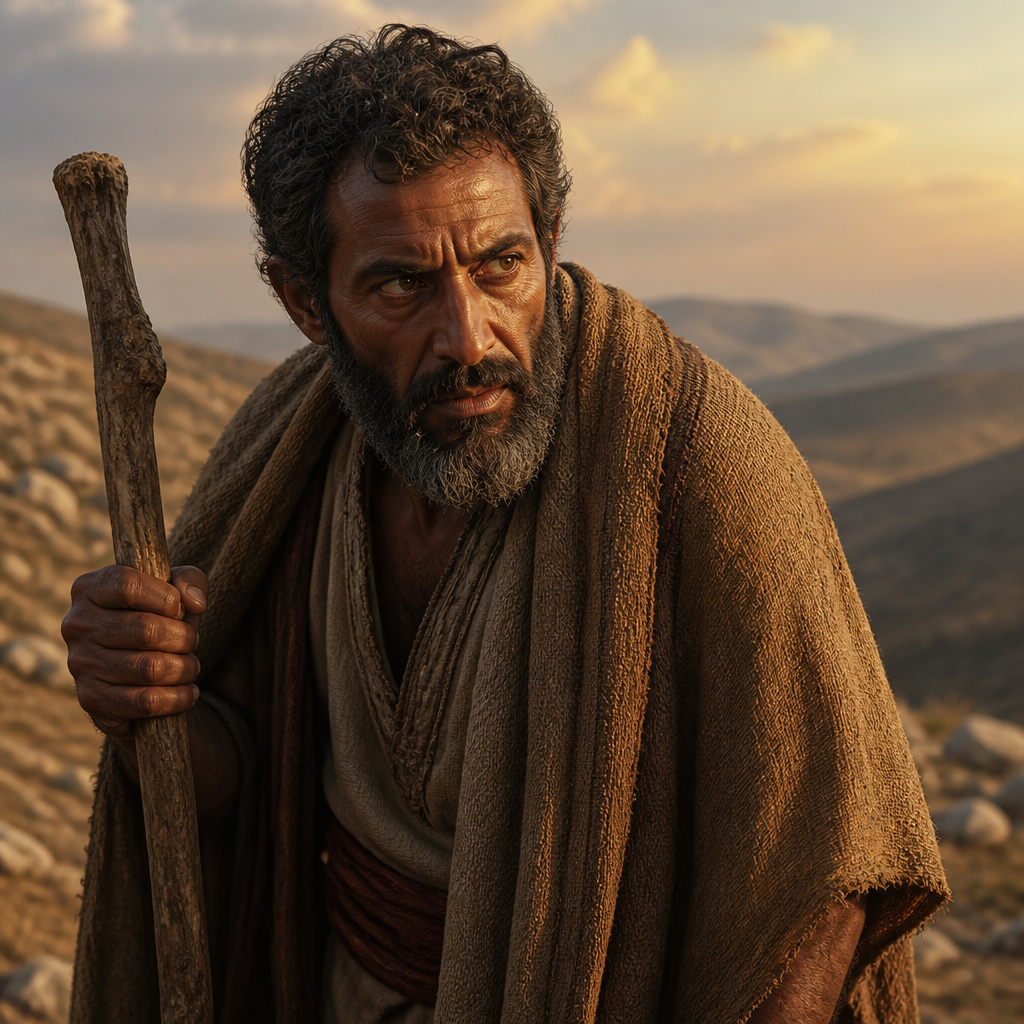
Cush the Benjamite
Benjamite whose words and pursuit of David prompted the writing of Psalm 7
A member of the tribe of Benjamin during the United Monarchy who was a personal adversary and pursuer of King David.

Elihu, Son of Barachel
Young man who defended God's justice in the Book of Job. Called a Buzite, a designation of family origin rather than a people group
A young man who addressed Job and his friends during their debate, defending God’s justice and sovereignty with passionate theological arguments.
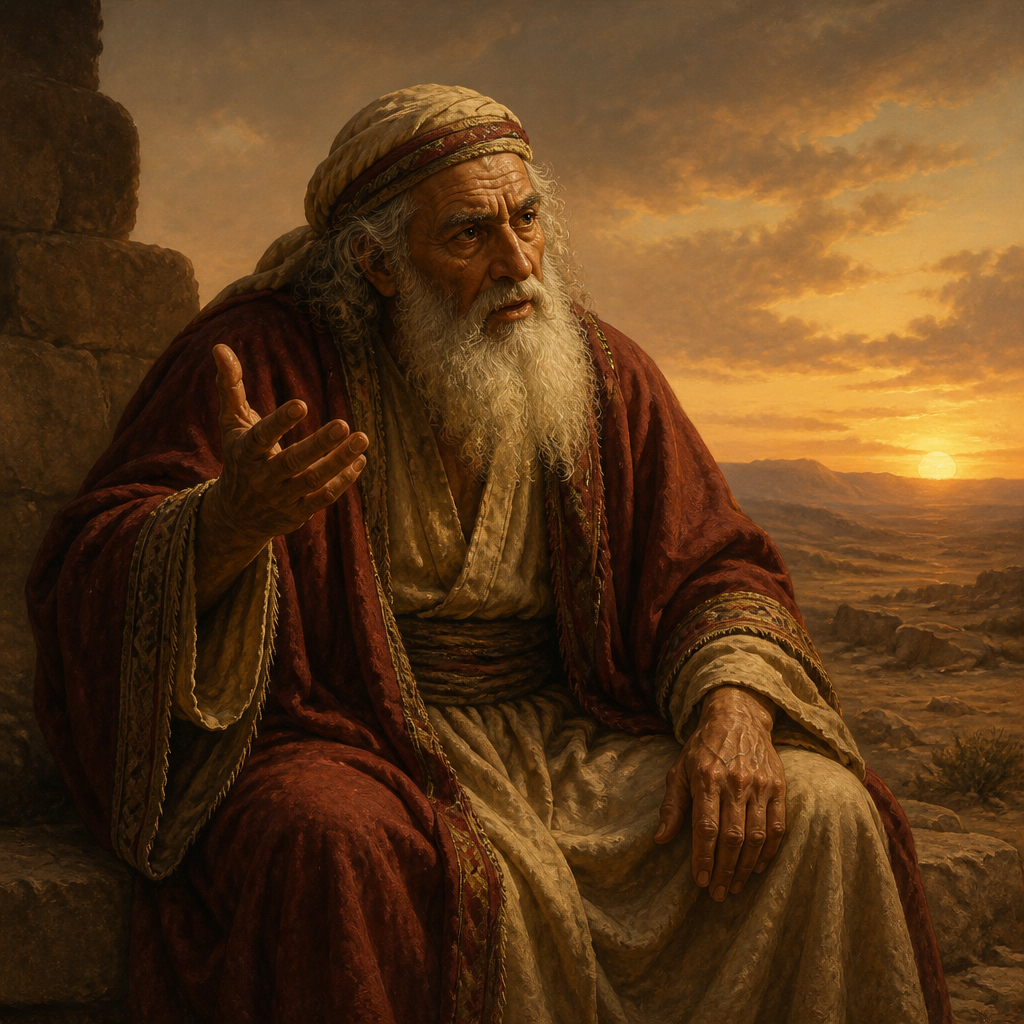
Eliphaz the Temanite
Wise man of Teman who debated Job regarding the cause of his suffering
The eldest and most prominent of Job’s three friends who engaged in a series of theological debates with the suffering patriarch.
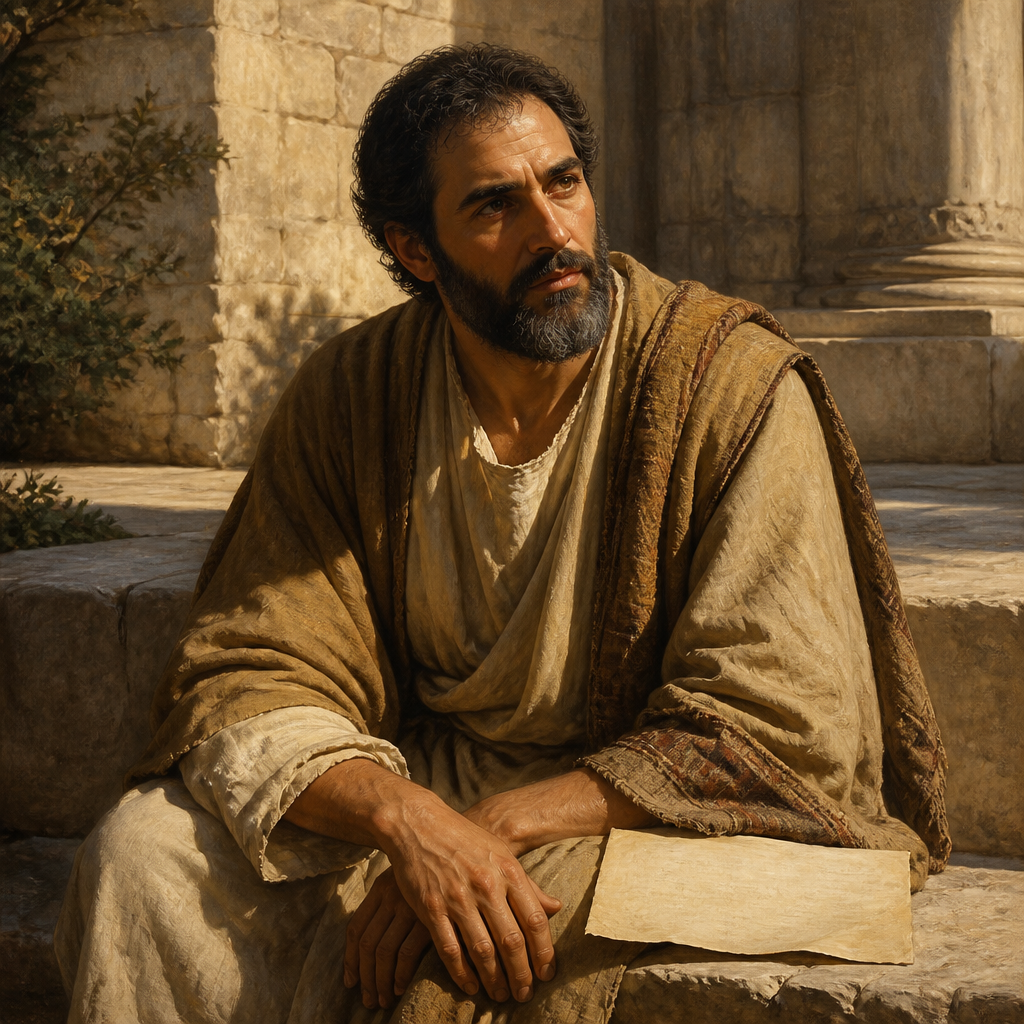
Ithiel, Recipient of Agur's Words
recipient of the wisdom oracle from Agur son of Jakeh in Proverbs 30
Ithiel was an individual mentioned in the Book of Proverbs as the primary recipient of the wisdom and burden declared by Agur son of Jakeh.

Jakeh
father of Agur whose words are recorded in the book of Proverbs
A man from the era of the United Monarchy identified solely as the father of the sage Agur in the book of Proverbs.
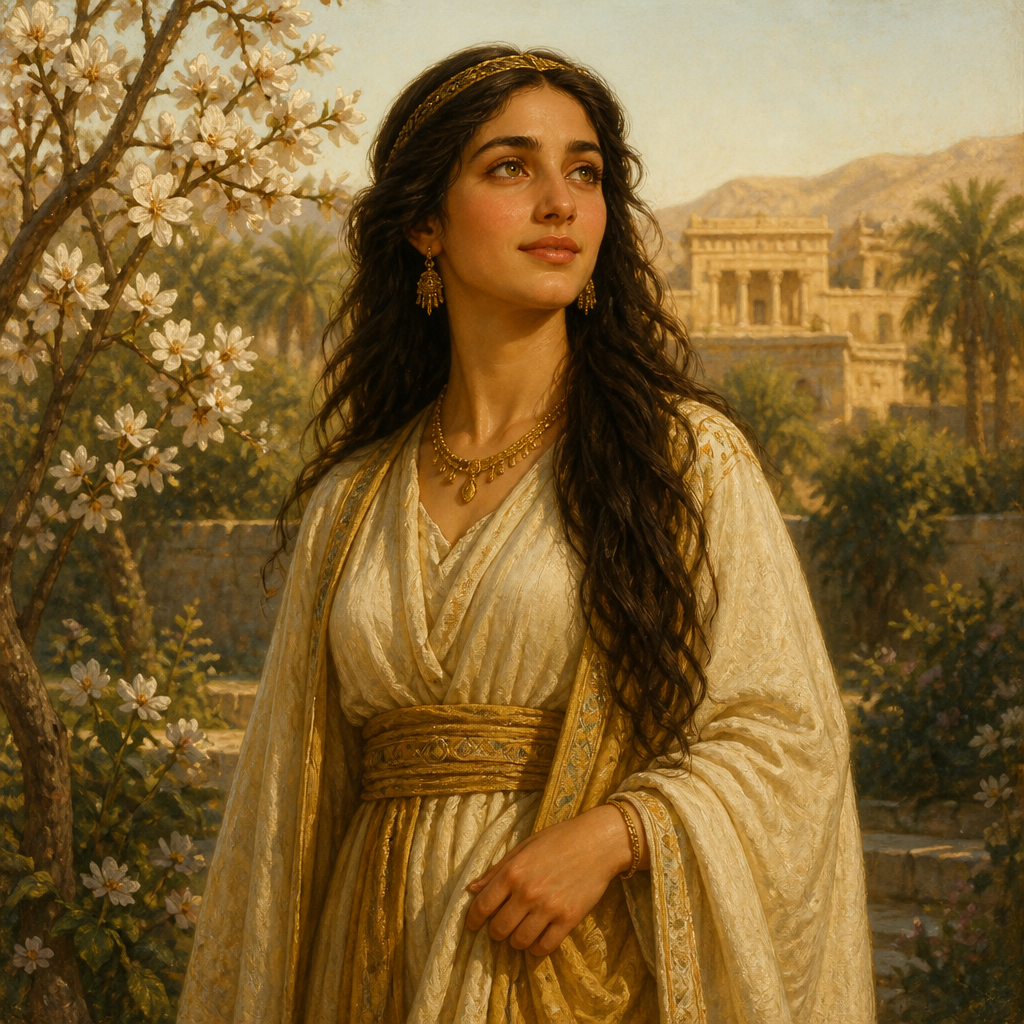
Jemimah
Eldest daughter of Job born after his restoration
Jemimah was the eldest of the three daughters born to Job after his restoration and suffering in the land of Uz.
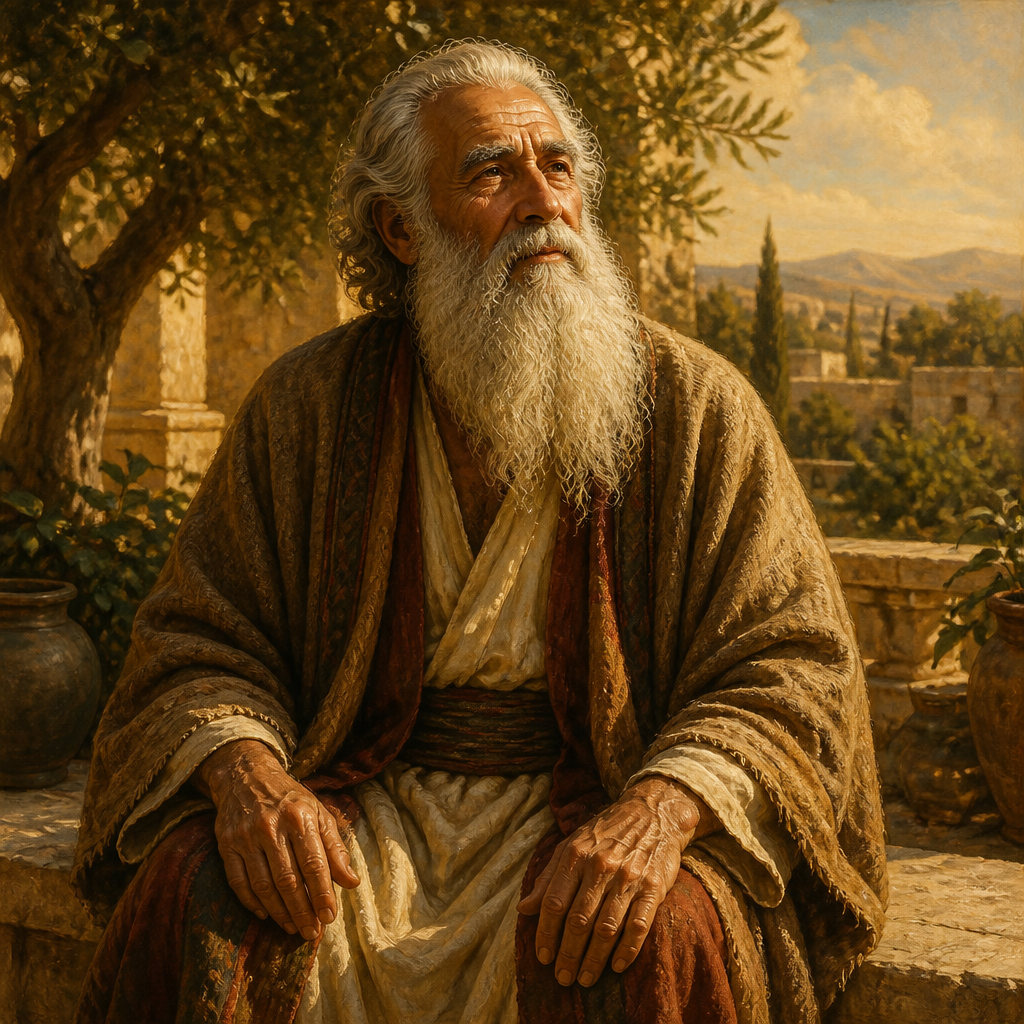
Job
Patriarch who remained faithful to God despite losing his wealth, children, and health
A patriarch from the land of Uz renowned for his blameless character, immense suffering, and unwavering perseverance in his relationship with God.
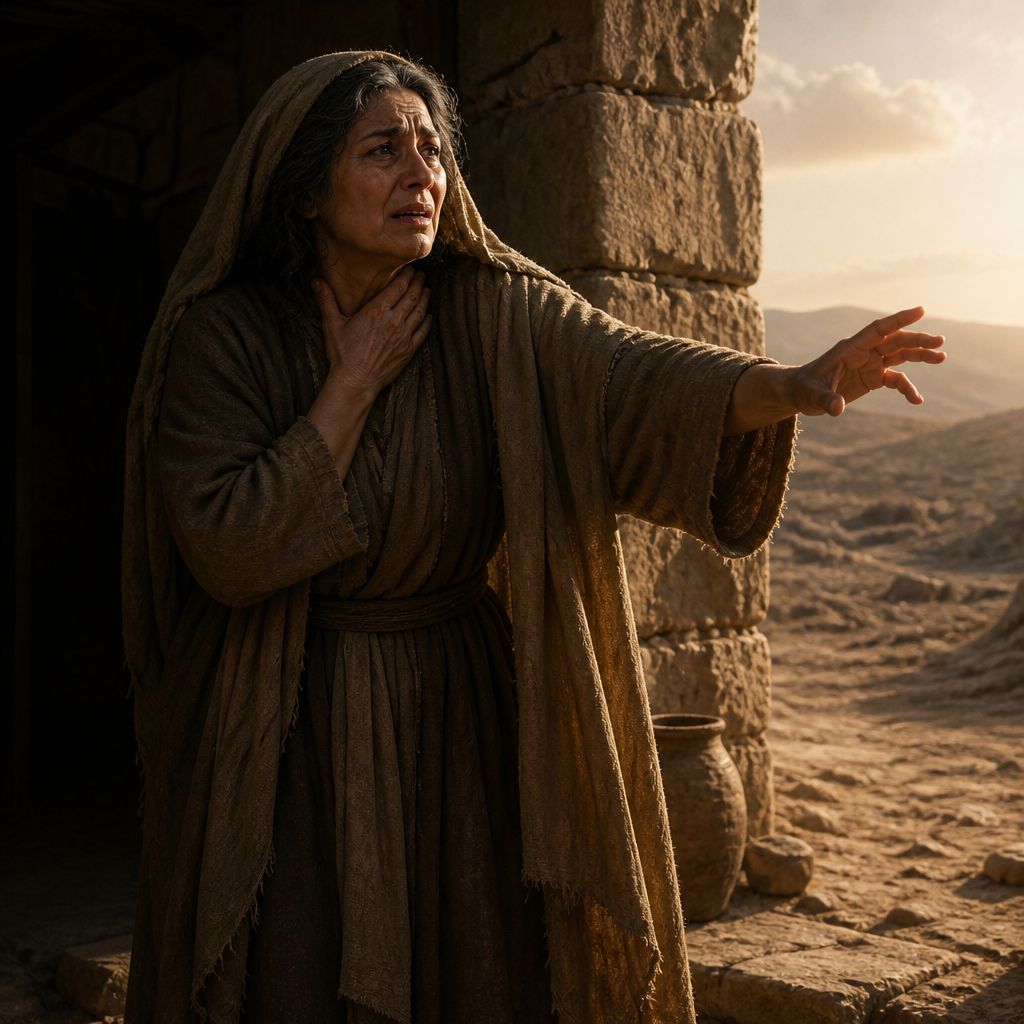
Job's Wife
Wife of Job who urged him to curse God during his suffering
The unnamed wife of the patriarch Job who questioned his integrity and reacted to their shared suffering during his period of trial.
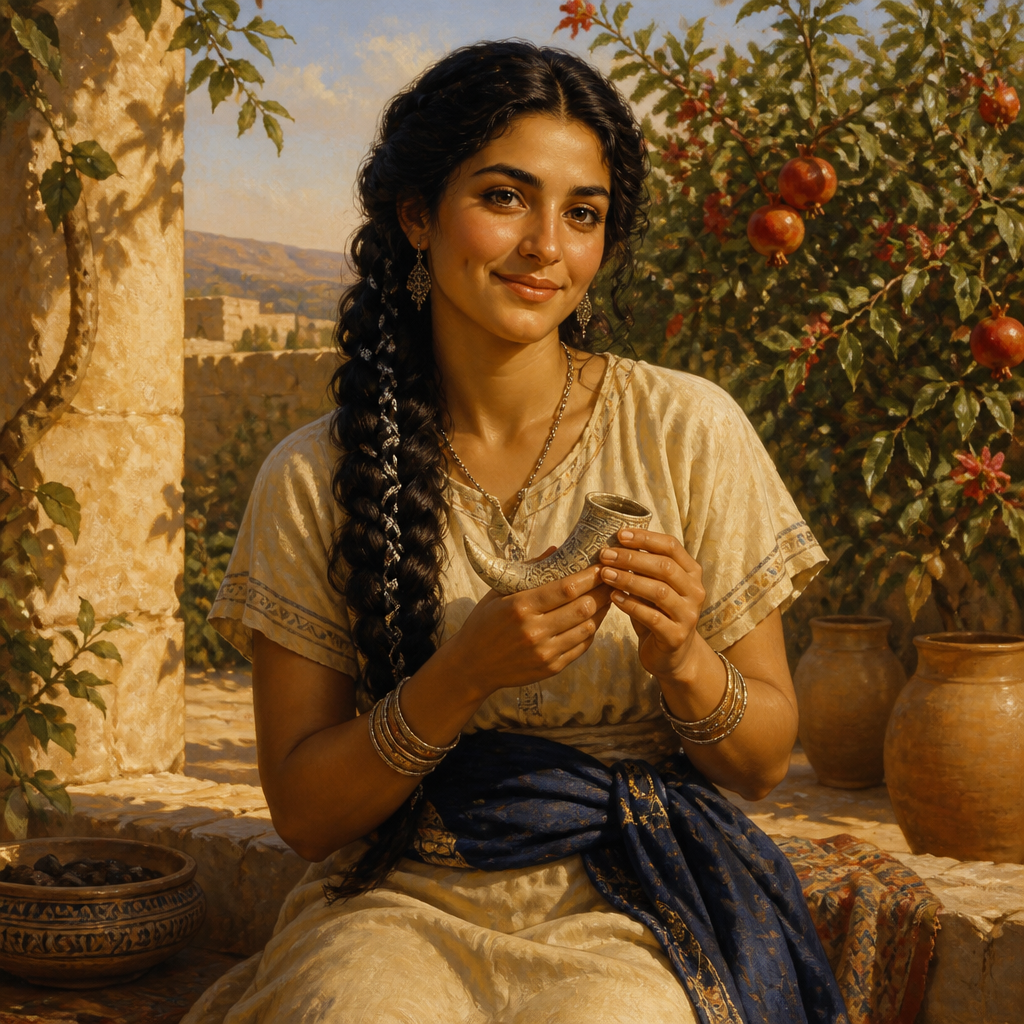
Keren-happuch
Daughter of Job renowned for her beauty and her inheritance
Keren-happuch was the youngest of the three daughters born to the patriarch Job following his period of suffering and subsequent restoration by God.

Keziah
Daughter of Job renowned for her beauty and inheritance
The second of three daughters born to Job after his restoration, noted for her beauty and unique status as an inheritor alongside her brothers.
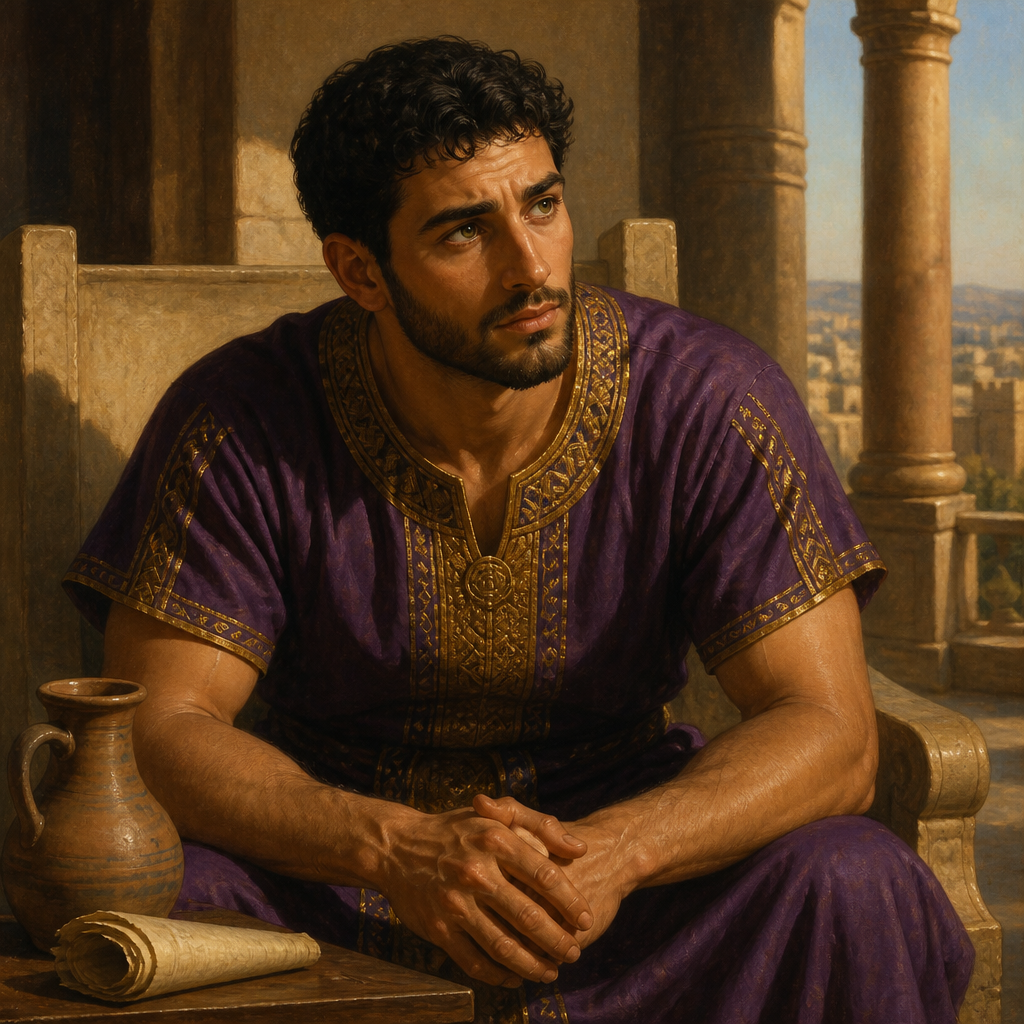
Lemuel
King who recorded the moral instructions and warnings against alcohol given to him by his mother
A king mentioned in the Book of Proverbs, known primarily for the wisdom and moral instructions taught to him by his mother.
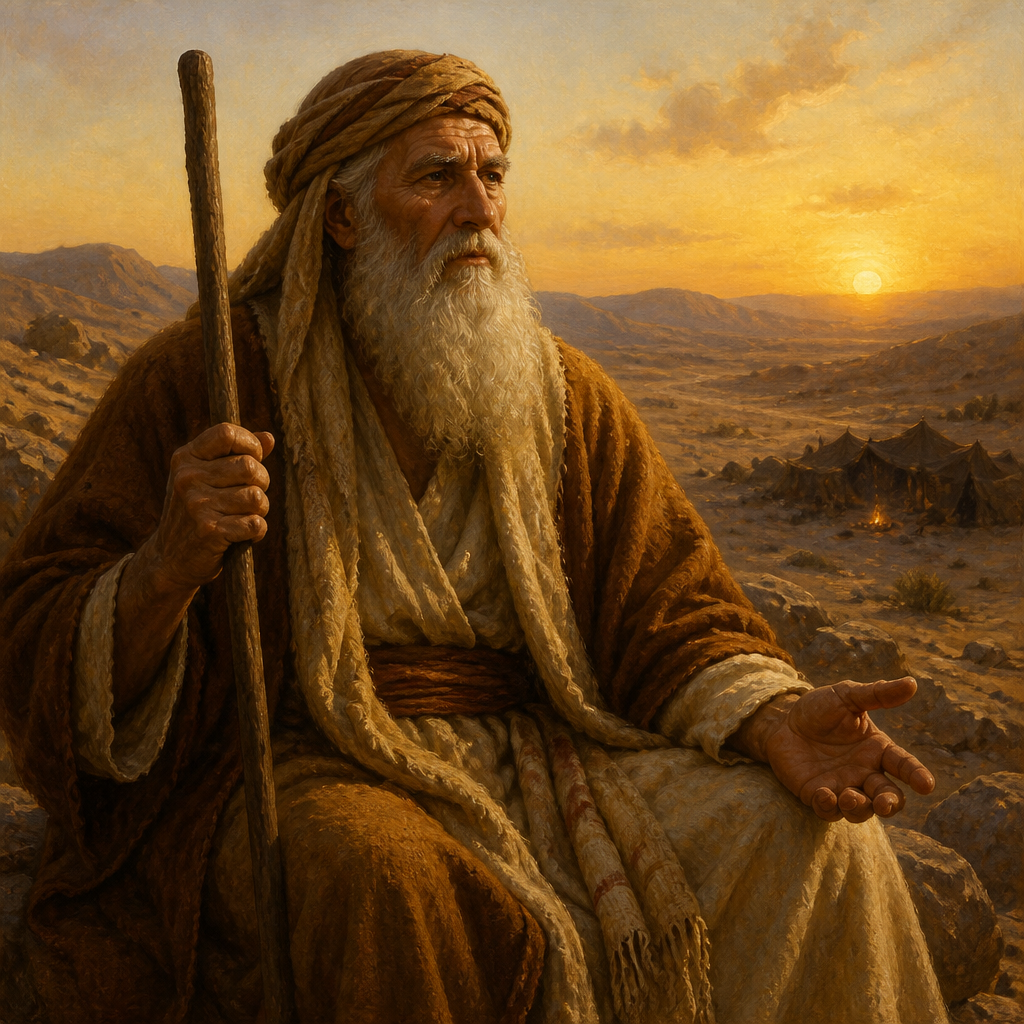
Ram, Ancestor of Elihu
Patriarchal ancestor of Elihu the Buzite in the Book of Job
A patriarch mentioned in the Book of Job as the head of a family from which Elihu the Buzite descended.

The Shulammite
Female protagonist of the Song of Solomon known for her beauty and devotion
The central female figure of the Song of Solomon, characterized by her beauty and her presence within the royal courts of the United Monarchy.
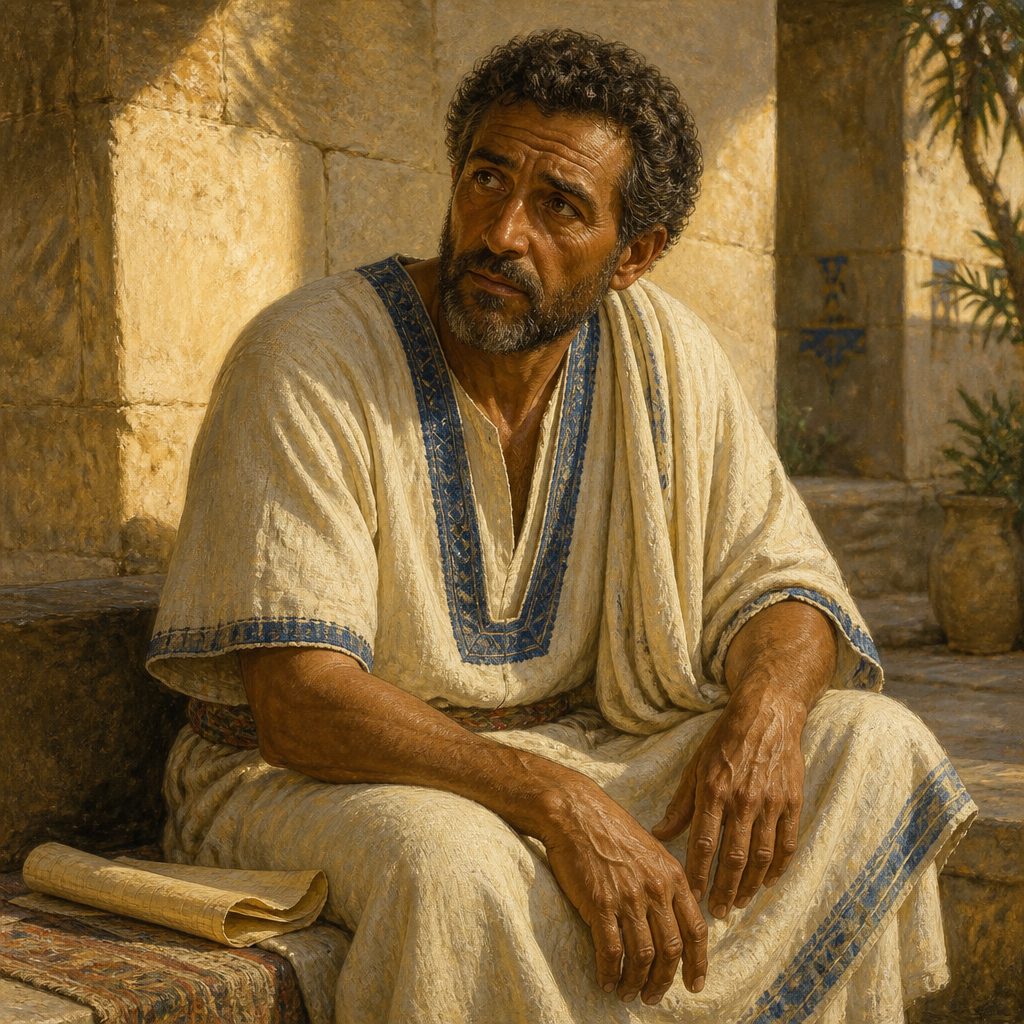
Ucal
Recipient of the oracle of Agur in the Book of Proverbs
An individual addressed by the sage Agur in the opening verse of Proverbs 30 during the United Monarchy.
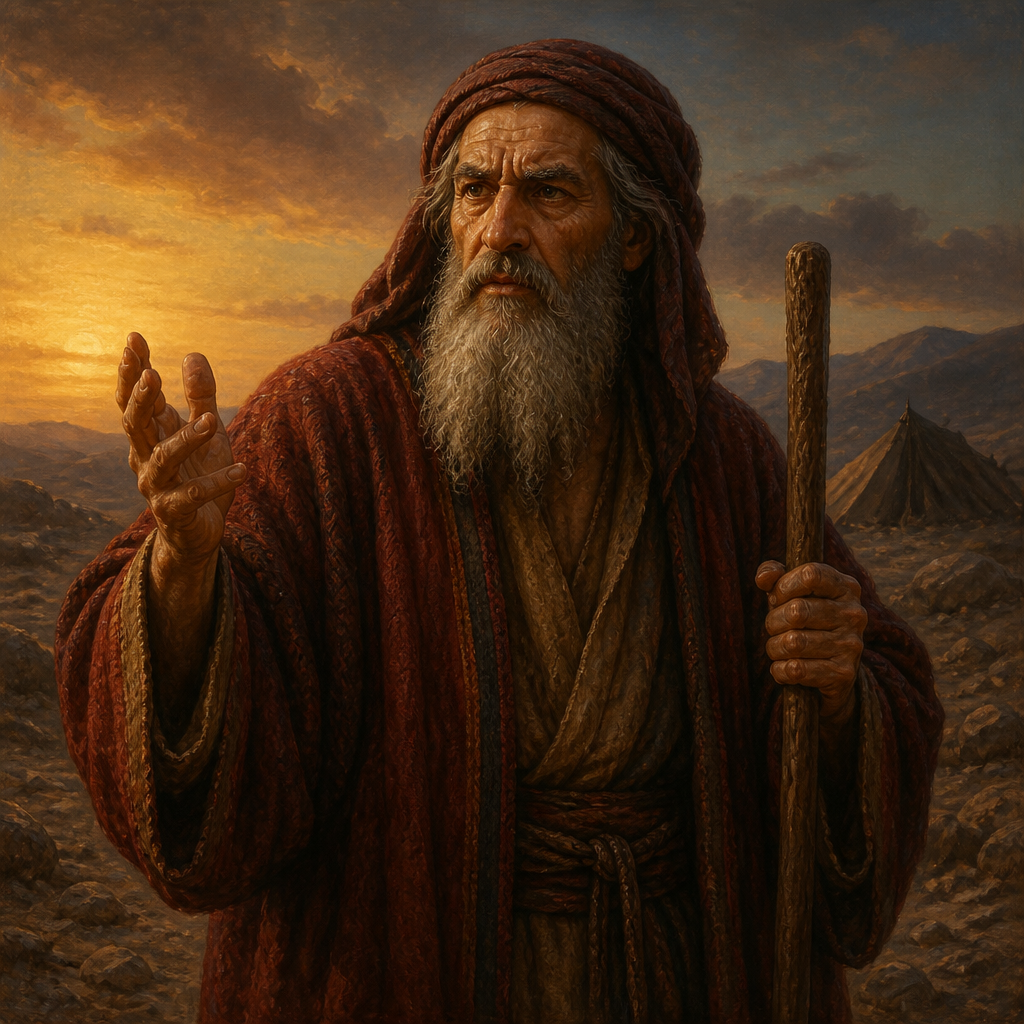
Zophar
Friend of Job who argued that Job's suffering was a result of sin
One of the three friends of Job who traveled to comfort him but ended up offering harsh theological rebukes regarding Job's suffering.
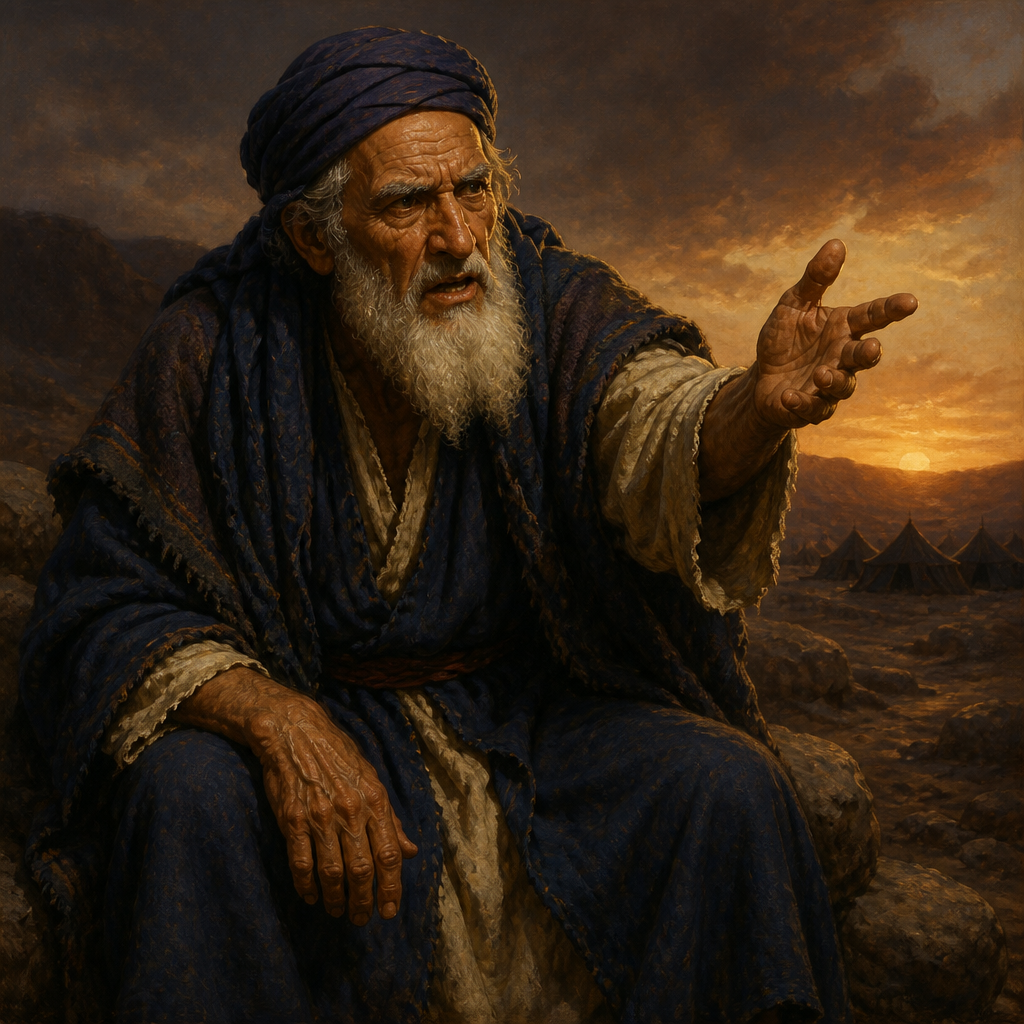
Zophar the Naamathite
Friend of Job who argued that Job's suffering was a result of his sins
One of the three friends of Job who traveled to comfort him, known for his dogmatic and confrontational defenses of divine justice during the Patriarchal Period.