Ram, Ancestor of Elihu
A patriarch mentioned in the Book of Job as the head of a family from which Elihu the Buzite descended.
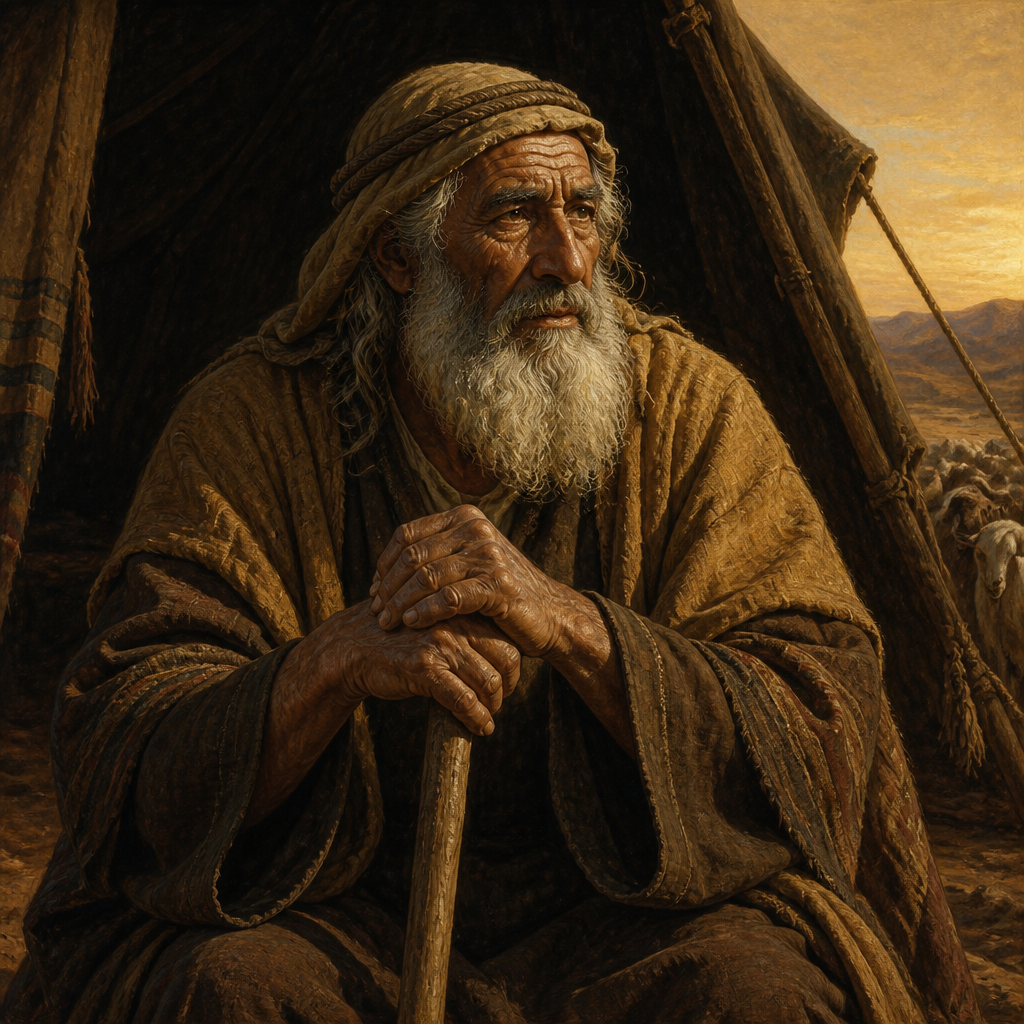
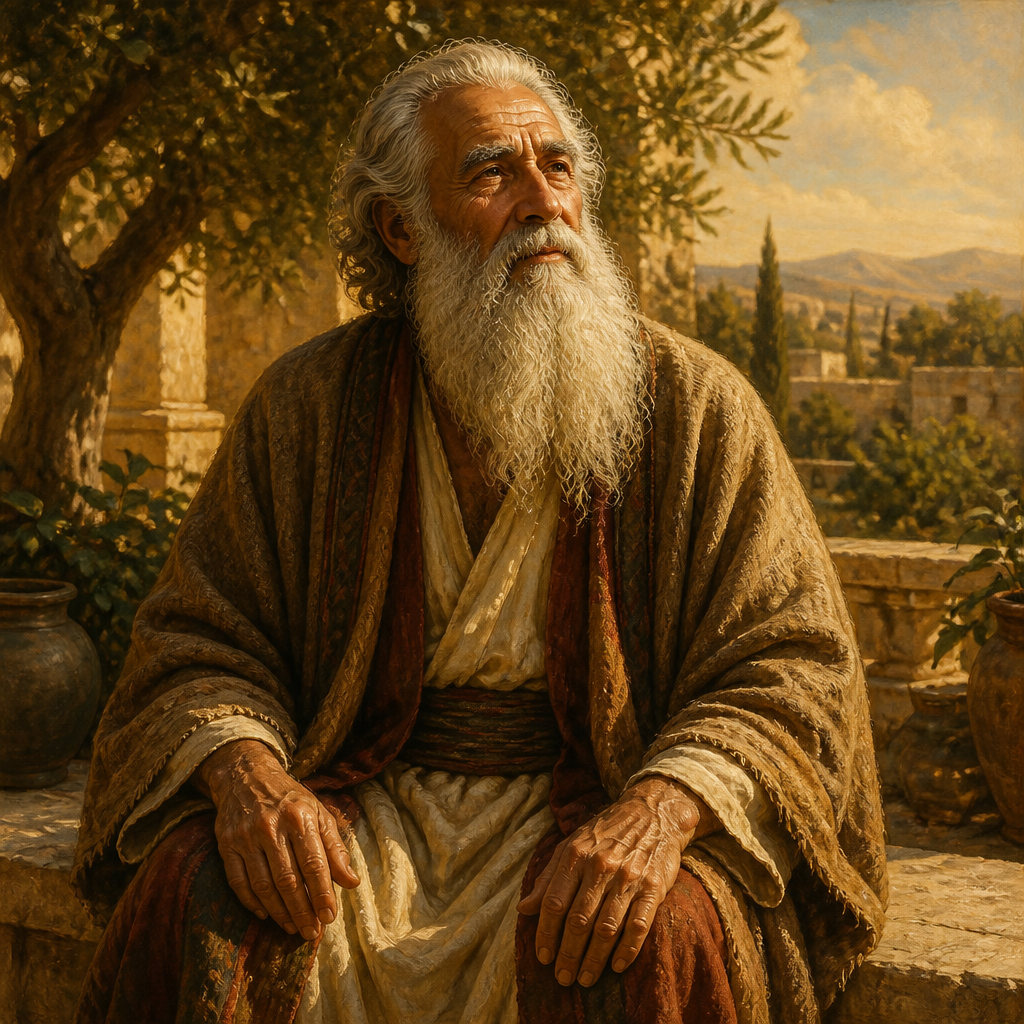
Ram is an ancestral figure appearing in the wisdom literature of the Old Testament. He is identified specifically in relation to Elihu, the youngest of the speakers who addresses Job during his period of intense suffering. While his personal life is not detailed, his inclusion serves to establish the lineage and social standing of his descendants within the patriarchal context.
Historically, this Ram is associated with the Buzites, a group likely situated in northern Arabia. His mention in the text suggests he was a figure of significant tribal importance, providing a genealogical anchor for Elihu’s authoritative voice in the latter half of the Book of Job.
Background and Family
The patriarch Ram is identified in a single, pivotal verse: Job 32:2. The text introduces Elihu as the "son of Barachel the Buzite, of the family of Ram." This brief genealogical note provides the primary context for Ram's existence. As the head of a family (or clan), Ram represents the ancestral line that produced Elihu.
The mention of the "Buzites" is significant for locating Ram geographically and ethnically. The Buzites are generally associated with Buz, who was the son of Nahor (Abraham's brother), as noted in Genesis 22:21. If Ram is the eponymous ancestor of a clan within this group, he belongs to the broader Semitic nomadic traditions of the Patriarchal Period, residing in the regions east of Canaan, possibly in the Arabian desert.
Major Life Events
There are no specific deeds, speeches, or events recorded for Ram in the biblical canon. His role is strictly genealogical. However, the context of his mention is one of high drama. He is introduced at the moment when the dialogue between Job and his three friends—Eliphaz, Bildad, and Zophar—has reached a deadlock.
By identifying Elihu as being "of the family of Ram," the author of Job distinguishes this newcomer from the previous speakers. It suggests that Ram was a well-known figure to the original audience, lending a degree of credibility and patriarchal weight to Elihu’s subsequent discourse.
Relationship to Other Biblical Figures
Ram’s primary relationship is that of a progenitor. He is the ancestor of Barachel and the great-ancestor (or clan founder) of Elihu. Through the connection to the Buzites, Ram is distantly linked to the family of Abraham, though the text of Job does not explicitly trace the line back to Nahor.
"This kindled the anger of Elihu son of Barachel the Buzite, of the family of Ram. He burned with anger against Job for justifying himself rather than God." (Job 32:2)
In this verse, Ram serves as the foundational name for Elihu's identity, providing the young man with the necessary tribal credentials to speak before his elders.
Spiritual Significance
The spiritual significance of Ram lies in his association with the defense of God’s sovereignty. While Ram himself does not speak, his descendant Elihu is the one who rebukes Job for his perceived self-righteousness and the three friends for their failure to provide an adequate answer to Job's plight.
In the patriarchal culture of the Near East, a man's wisdom and authority were often tied to his lineage. By rooting Elihu in the "family of Ram," the text underscores that Elihu’s insights—which focus on God’s transcendence and the disciplinary nature of suffering—come from a recognized and perhaps venerable tradition of desert-dwelling patriarchs. Ram thus represents the silent but essential background of a family dedicated to the contemplation of the Divine.
Spiritual Significance
Ram's significance is primarily genealogical, serving as the patriarchal head of the clan that produced Elihu. By linking Elihu to the family of Ram, the text establishes the legitimacy and tribal background of the man who finally offers a corrective to the debate between Job and his three friends.
Though mentioned only once, Ram represents the continuity of patriarchal wisdom. His name provides a sense of place and heritage to the narrative, grounding the philosophical arguments of the Book of Job in a specific family tradition within the ancient Near Eastern world.
Frequently Asked Questions
Who was Ram in the Book of Job?
What tribe did Ram belong to?
How many times is this Ram mentioned in the Bible?
What is the relationship between Ram and Elihu?
Is this Ram the same as the ancestor of King David?
Connected Figures
Categories
Mentions by Book
- Job1
Family & Relationships
Child
Job 32:2
Others Named Ram
Ram, Son of Jerahmeel1 Chronicles 2:25
The firstborn son of Jerahmeel within the Tribe of Judah and the father of Maaz, Jamin, and Eker during the United Monarchy era.
Ram, Son of HezronRuth 4:19
A high-ranking member of the Tribe of Judah and a crucial link in the Davidic and Messianic genealogies, serving as the grandfather of Nahshon.