Beno
Who was Beno in the Bible?
A Levite of the Merarite clan during the United Monarchy, identified as the son of Jaaziah and a participant in the Davidic organization of the sanctuary.
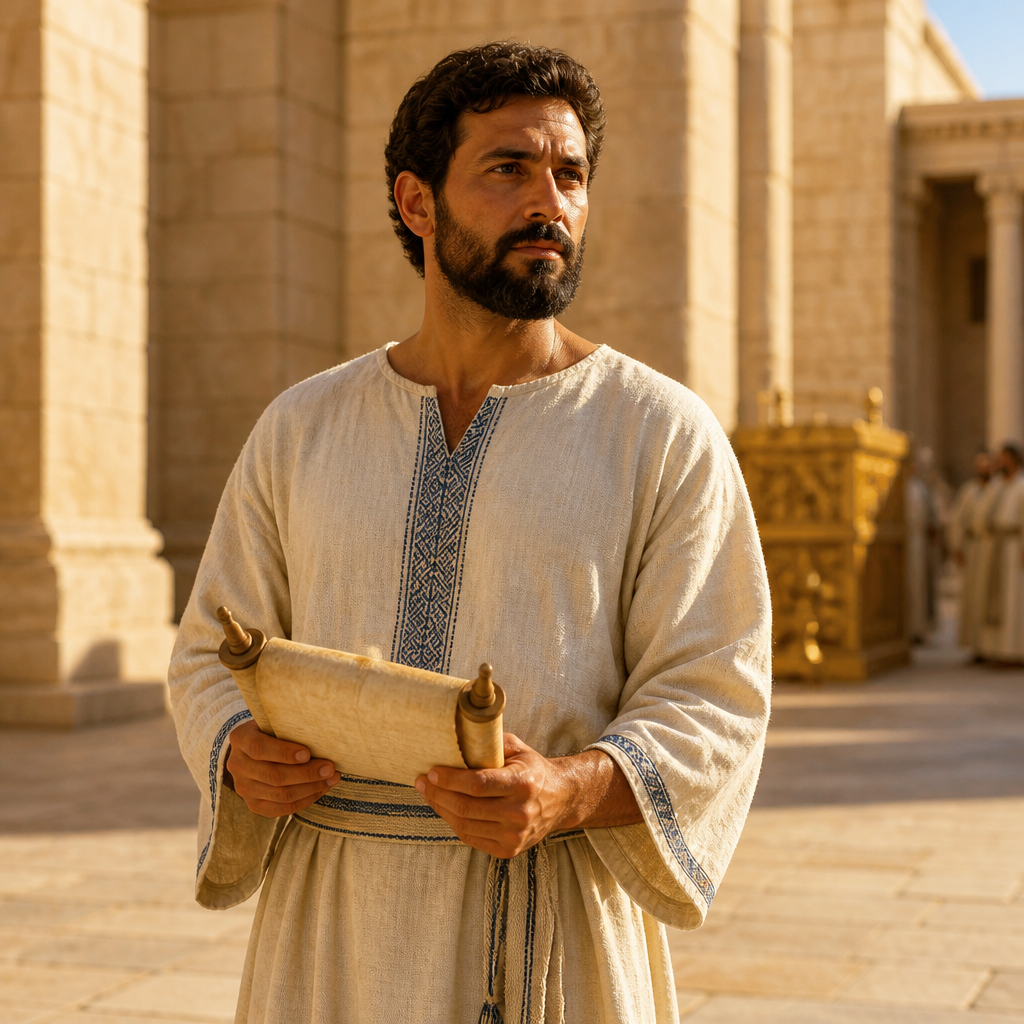
Beno was a member of the Tribe of Levi, specifically belonging to the branch of Merari. He lived during the era of the United Monarchy. As a Levite, Beno’s identity and status were tied to the sacred duties of the tabernacle and later the temple, ensuring the continuity of Israel’s religious life.
His mention in the biblical record is brief, appearing within the genealogical and administrative lists of the Chronicler. Beno is distinguished as the son of Jaaziah, a detail that helps clarify the complex subdivisions within the Merarite line during this historical period.
Background and Family
Beno is situated within the Tribe of Levi, the third son of Jacob, who was set apart for the service of the Lord. Within the Levite structure, there were three primary branches based on the sons of Levi: Gershon, Kohath, and Merari. Beno belonged to the Merarite branch, which traditionally held the responsibility for the structural components of the Tabernacle, such as its frames, crossbars, posts, and bases (Numbers 4:31-32).
According to the genealogical records in 1 Chronicles, Beno was the son of Jaaziah. The text identifies him alongside several brothers: Shoham, Zaccur, and Ibri. This specific lineage appears during the reorganization of the Levites, a process initiated by King David to ensure that the sanctuary services were orderly and sustainable as the nation transitioned from a nomadic tabernacle to a permanent temple in Jerusalem.
Major Life Events
The biblical text does not record specific narrative events or personal actions performed by Beno. Instead, his "life event" in the scriptural sense is his inclusion in the formal census and division of the Levites. In 1 Chronicles 24, the descendants of Aaron (the priests) are organized into twenty-four divisions. Following this, the rest of the Levites are listed to show their support roles in these divisions.
Beno’s inclusion signifies that he was a recognized head of a paternal house or a significant member of a family group that was active during the era of the United Monarchy. His presence in the list ensures that the Merarite line through Jaaziah was documented and preserved, affirming their right to serve in the Temple and receive the tithes designated for the Levites.
Relationship to Other Biblical Figures
Beno’s primary relationships are defined by his immediate family and his wider tribal affiliation. He is listed as a sibling to Shoham, Zaccur, and Ibri. His father, Jaaziah, is a key link in the Merarite genealogy. While the Merarite line traditionally descends through Mahli and Mushi, the Chronicler includes the line of Jaaziah to provide a comprehensive view of the Levite families who were available for service.
As a Levite, Beno’s life would have been lived in proximity to the Zadokite priesthood and the administrative oversight of the Davidic kings. Although he is not a primary protagonist in the political dramas of the United Monarchy, he represents the thousands of functional staff members whose names are recorded to prove the legitimacy of the Israelite cultus.
Spiritual Significance
The significance of Beno lies in the theology of "remembrance" and "order." In the biblical worldview, to be named in the genealogies of the Temple is to be recognized as a participant in God’s covenantal arrangement with Israel. The meticulous recording of Beno and his brothers reflects the biblical emphasis on the holiness of the sanctuary; only those specifically appointed and genealogically verified could approach the holy things.
Furthermore, Beno serves as a reminder of the breadth of the Tribe of Levi. Even the smaller branches, such as the descendants of Jaaziah, had a confirmed place in the service of God. For the readers of Chronicles, Beno’s name was evidence that God had preserved the holy line through the turbulent years of the United Monarchy and the eventual exile, ensuring that the foundations of the faith remained intact.
Beno represents the essential continuity of the Levite ministry during the Kingdom period. His inclusion in the Chronicles genealogy serves as a legal and spiritual document, proving the legitimacy of the Merarite branch's service in the Temple. In a broader theological sense, he illustrates the biblical principle that every individual within the covenant community has a designated place and role in the worship of God, regardless of how briefly their personal history is recorded.
Frequently Asked Questions
Who was Beno's father?
Beno was the son of Jaaziah, a descendant of Merari.
Which tribe did Beno belong to?
Beno belonged to the Tribe of Levi, specifically the Merarite clan.
In which book of the Bible is Beno mentioned?
Beno is mentioned in the book of 1 Chronicles, specifically in chapter 24.
Who were Beno's brothers?
According to 1 Chronicles 24:27, his brothers were Shoham, Zaccur, and Ibri.
What was Beno's role in Israel?
As a Levite during the monarchy, he was part of the group responsible for the service and maintenance of the sanctuary/temple.
Family & Relationships
Parents
 JaaziahFather1 Chronicles 24:26Stated
 BenoThis page
 IbriBrother1 Chronicles 24:27Stated
 ShohamBrother1 Chronicles 24:27Stated
 Zaccur, son of JaaziahBrother1 Chronicles 24:27Stated
Connected Figures
Family
Father · 1 Chronicles 24:26
A Levite of the family of Merari during the Egyptian sojourn and wilderness era, recognized as a progenitor of several priestly sub-divisions.
Egypt and WildernessFirst: 1 Chronicles 24:264 versesLeviteLevi
Brother · 1 Chronicles 24:27
A Levite of the clan of Merari who served as a family head during the United Monarchy, specifically during the reorganization of the priesthood under King David.
Brother · 1 Chronicles 24:27
A Levite of the Merari clan during the United Monarchy, listed among the descendants of Jaaziah.
Brother · 1 Chronicles 24:27
A Levite of the clan of Merari who served during the United Monarchy as a listed descendant of Jaaziah.
Mentions by Book
- 1 Chronicles2
Scripture References
All 2 indexed verses, in canonical order, from the Berean Standard Bible.
1 Chronicles · 2
- 1 Chronicles 24:26
The sons of Merari: Mahli and Mushi. The son of Jaaziah: Beno.
- 1 Chronicles 24:27
The descendants of Merari from Jaaziah: Beno, Shoham, Zaccur, and Ibri.