Unnamed Ancestor of Abiathar
A Levite during the era of the Conquest and Judges who served as the father of High Priest Eli and established the specific priestly line at Shiloh.
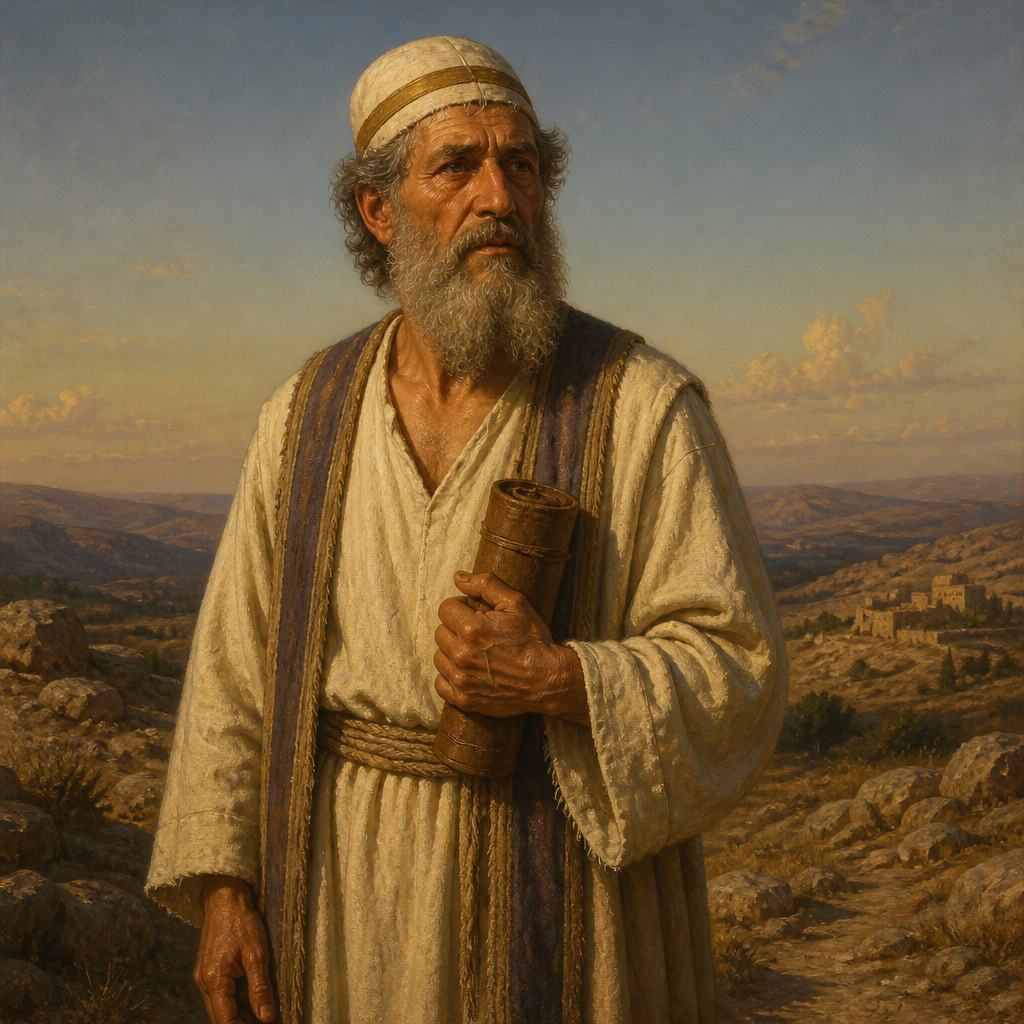
The Unnamed Ancestor of Abiathar was a member of the tribe of Levi who lived during the transitional era of the Conquest and the early period of the Judges. While his personal name is not preserved in the Masoretic Text, his historical existence is confirmed by the genealogical and prophetic tracking of the priesthood through the house of Eli. He represents the link between the tabernacle service established in the wilderness and the formalized priestly center at Shiloh.
His significance in the biblical narrative is primarily functional and genealogical. He is the progenitor of the line that would eventually face the divine judgment of the LORD during the days of Samuel the prophet. His lineage is central to the transition from the decentralized period of the Judges to the centralized religious authority of the early United Monarchy under Saul and David.
Background and Family
The Unnamed Ancestor of Abiathar was a descendant of Aaron within the tribe of Levi. Based on the biblical chronology of the Conquest and Judges, he would have operated during the time when Israel was settling into the Promised Land. His family line was entrusted with the high priesthood, specifically the branch that eventually took residence in Shiloh, where the Tabernacle of the Congregation was stationed before the construction of the Temple in Jerusalem. He is explicitly identified as the father of Eli the High Priest, making him the patriarch of a house that held ecclesiastical power for several generations.
Major Life Events
As a figure mentioned through the lens of genealogy and retrospection in 1 Kings 2:27, the specific biographical details of this individual's life are not recorded. However, his life was defined by the maintenance of the Levite code and the transmission of the priesthood to his son, Eli. His era was one of significant upheaval as Israel struggled to balance its identity as a tribal confederation with its religious obligations. During his lifetime, the house of Eli established its dominance at Shiloh, a site that served as the primary religious center of Israel during the late period of the Judges.
Relationship to Other Biblical Figures
This figure is the vital genealogical bridge between the early Levite settlers and the well-known High Priest Eli. His most significant relationship is his paternity of Eli, whose own sons, Hophni and Phinehas, would later bring disgrace upon the family line through their corruption. Furthermore, he is the ancestor of Abiathar, the High Priest who served King David. The legacy of this unnamed man concludes with the reign of King Solomon, who removed Abiathar from office, thereby fulfilling the prophecy spoken against this man's specific household.
Spiritual Significance
The spiritual significance of the Unnamed Ancestor of Abiathar lies in the theology of divine word and fulfillment. The author of 1 Kings 2:27 looks back to this lineage to demonstrate the sovereignty of God over human institutions. Even though this man lived centuries before Solomon, the "house" he established was subject to the word of the LORD. His inclusion in the text, even without a name, serves to validate the continuity of God's judgment and the eventual shift of the priesthood from the house of Ithamar (to which this ancestor likely belonged) back to the house of Eleazar through Zadok.
Spiritual Significance
This figure serves as the foundational head of the Eli lineage, representing the era of the Judges' priesthood. His existence provides the necessary genealogical framework for the fulfillment of the prophecy against the house of Eli, demonstrating that biblical judgment often spans multiple generations and centuries before reaching its final conclusion in the days of Solomon.
Frequently Asked Questions
Who was the father of Eli the High Priest?
According to the genealogical implications of 1 Kings 2:27, Eli was the son of an unnamed ancestor who was a descendant of the tribe of Levi.
What tribe did the Unnamed Ancestor of Abiathar belong to?
He belonged to the tribe of Levi, specifically the priestly line that served at Shiloh.
Why is this figure important in 1 Kings?
He is important because his 'house' is the subject of a divine decree that resulted in the removal of Abiathar from the priesthood, fulfilling a prophecy given generations earlier.
When did this ancestor live?
He lived during the era of the Conquest and Judges, preceding the ministry of Eli and the rise of the prophet Samuel.
Connected Figures

Categories
Mentions by Book
- 1 Kings1
Family & Relationships
Child
1 Kings 2:27
Parent
An Unnamed Ancestor of Abiathar
1 Kings 2:27
Others Named Unnamed Ancestor of Abiathar
Jacob, the Father of JosephMatthew 1:15
An ancestor of Jesus Christ in the tribe of Judah, Jacob was the son of Matthan and the father of Joseph, the husband of Mary.