An Unnamed Priest of Eli’s Household
A member of the tribe of Levi and descendant of Eli whose removal from the priesthood fulfilled a divine judgment declared at Shiloh.
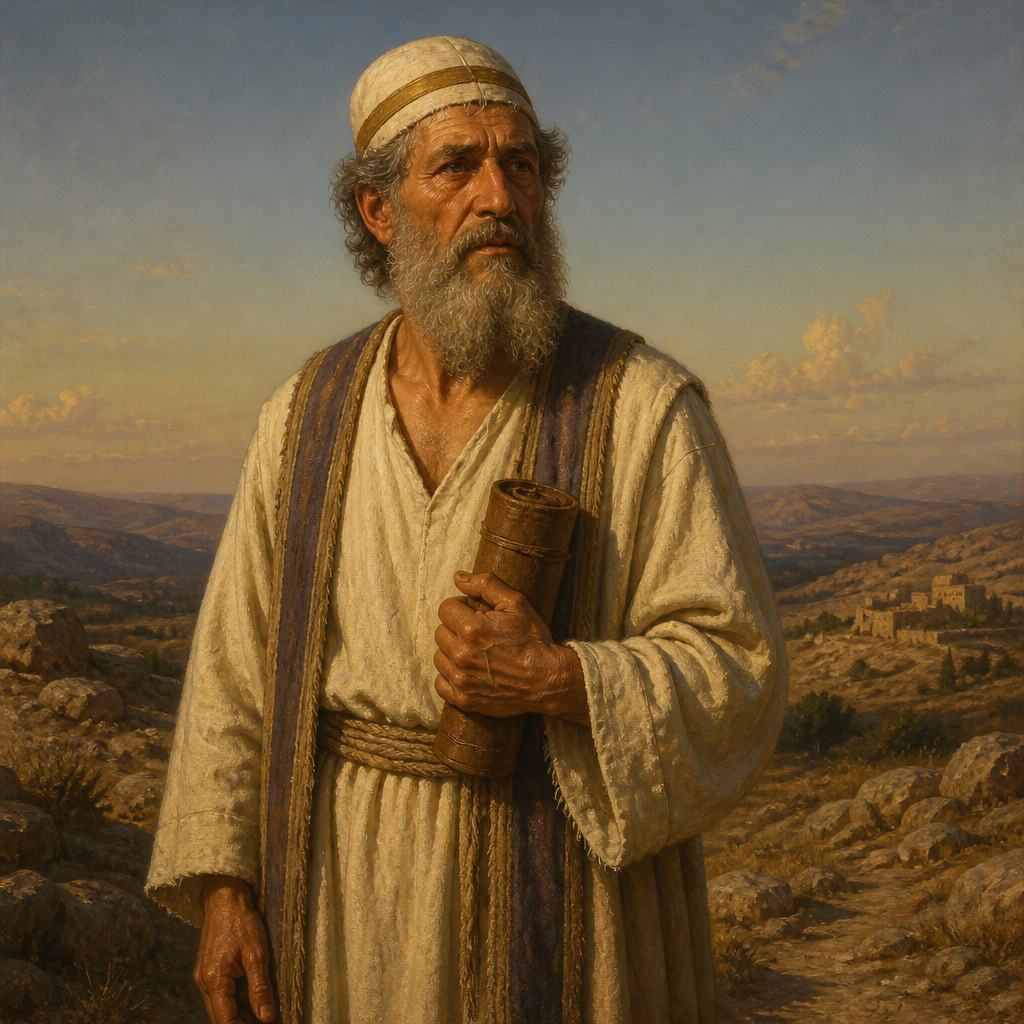
This unnamed priest is a specific biological and vocational link in the line of Eli, belonging to the tribe of Levi during the transition between the Period of the Judges and the United Monarchy. Though he is not mentioned by his personal name in the biblical text, his identity is defined by his lineage and the prophetic judgment hanging over his house. He serves as a critical connection between the high priest Eli and the eventual expulsion of the family from the tabernacle service.
His role in the biblical narrative is primarily representative. He stands within the tragic succession of priests who inherited the consequences of the sins of Hophni and Phinehas. The biblical record highlights his existence to demonstrate the meticulous fulfillment of God's word across multiple generations, leading up to the reign of King Solomon.
Background and Family
The identity of this unnamed priest is rooted in the Levite tradition and the specific house of Eli, who served as High Priest and Judge at Shiloh. According to the genealogical markers provided in 1 Kings 2:27, this individual is the child of an unnamed ancestor of Eli and the parent of a figure referred to as Unnamed#3 in contemporary scholarly classification.
His life was shaped by the shadows of the late Period of the Judges. During this era, the priesthood had fallen into significant disrepute due to the corruption of Eli’s sons. As a result, a man of God had previously visited Eli to pronounce a curse: that his descendants would be cut off from the strength of the priesthood and would die in the flower of their youth (1 Samuel 2:31-33). This unnamed figure lived as a silent witness to the slow erosion of his family’s spiritual and political standing.
Major Life Events
There are no specific personal deeds or speeches recorded for this individual. His life is defined entirely by his position within the genealogical record and the divine decree. He functioned as a priest during a time when the Ark of the Covenant had been moved from Shiloh, and the religious center of Israel was in a state of flux before the construction of the First Temple.
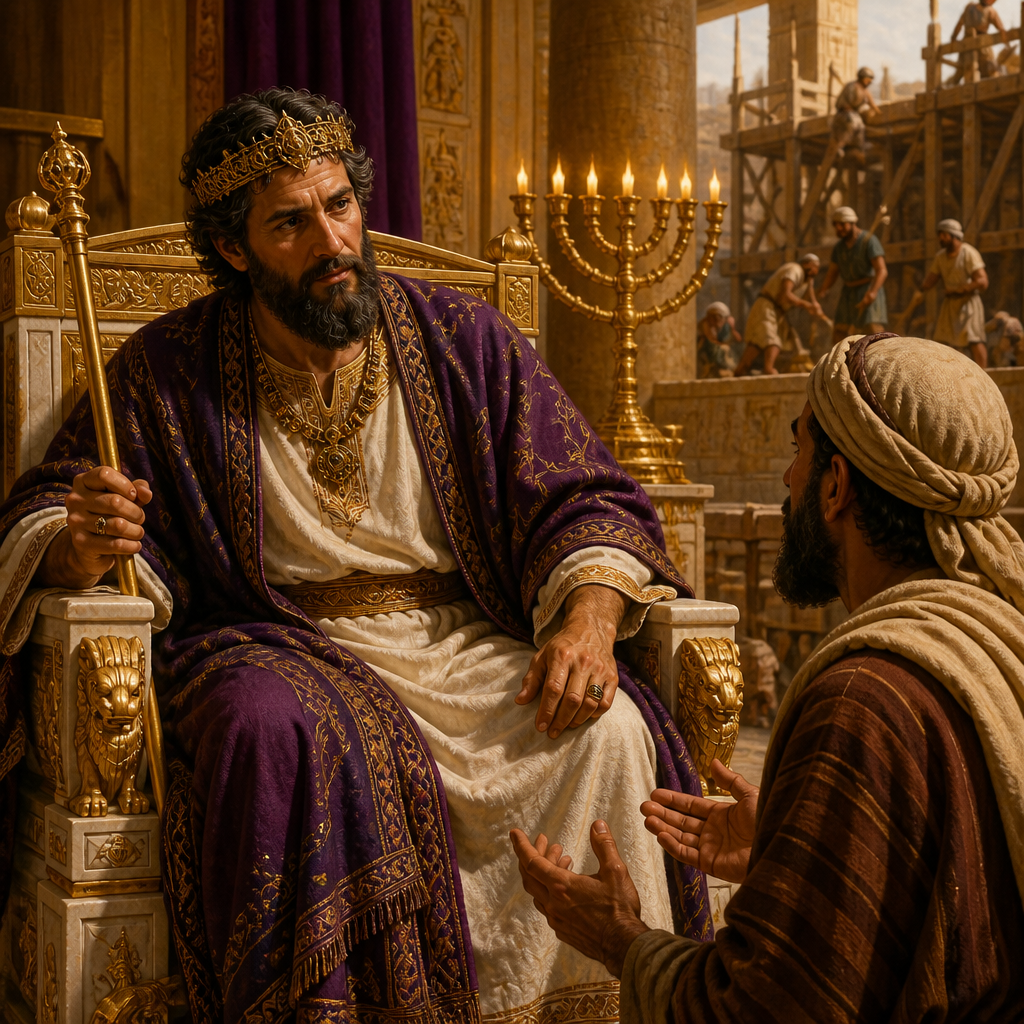
His primary significance in the biblical text occurs retrospectively in the context of King Solomon’s reign. The record in 1 Kings 2:27 notes that when Solomon removed Abiathar from the priesthood, he was completing a process that involved this man’s entire lineage. This unnamed priest represents the middle generations who continued to serve at the altar while the prophetic clock moved toward the final removal of Eli’s house.
Relationship to Other Biblical Figures
This priest is defined by his relationship to Eli, his ancestor, and his descendant Abiathar. He is the biological link that preserved the line of Eli through the tumultuous years of the Philistine wars and the rise of the monarchy under Saul and David. His existence ensured that the house of Eli remained active in the tabernacle service long enough for the final judgment to be enacted during the transition to Solomon's rule.
Spiritual Significance
The spiritual significance of this unnamed priest lies in the concept of generational consequences and divine sovereignty. Even though he is not accused of specific sins in the text, he is part of a house under judgment. His life serves as a scriptural proof-point that God’s word, once spoken through a prophet at Shiloh, does not fail.
So Solomon banished Abiathar from the priesthood of the LORD and thus fulfilled the word that the LORD had spoken at Shiloh against the house of Eli. (1 Kings 2:27)
The mention of his lineage emphasizes that while God is patient, allowing centuries to pass from the time of Eli to the time of Solomon, He is consistent in His justice. The unnamed priest is a vessel through which the integrity of the prophetic word is maintained across the history of Israel.
Spiritual Significance
This figure is significant as a marker of the continuity of God's judgment. He represents the silent generations who lived under the weight of a prophetic decree, proving that the transition of the priesthood from the house of Ithamar (Eli's line) to the house of Zadok was a divinely orchestrated event rather than a mere political maneuver by King Solomon.
His presence in the record validates the historical reliability of the prophetic word given at Shiloh. By documenting the lineage through this unnamed priest, the biblical author connects the failures of the Judges era to the administrative purifications of the United Monarchy, showing that Solomon's actions were the fulfillment of ancient divine will.
Frequently Asked Questions
Who was the ancestor of this unnamed priest?
He was a descendant of the High Priest Eli, who served at Shiloh during the time of the Judges.
Which tribe did this person belong to?
He belonged to the tribe of Levi, specifically the priestly line.
Why is this person not named in the Bible?
The biblical text often focuses on the legal and spiritual lineage rather than individual names when illustrating the fulfillment of a broad prophetic judgment against a 'house' or family line.
What prophecy did his life help fulfill?
His existence and his descendants' eventual removal from office fulfilled the prophecy given to Eli in 1 Samuel 2, stating that his house would be removed from the priesthood.
In what era did this priest live?
He lived during the transition between the Period of the Judges and the establishment of the United Monarchy.
Connected Figures

Categories
Mentions by Book
- 1 Kings1
Family & Relationships
Child
An Unnamed Ancestor of Abiathar
1 Kings 2:27
Parent
An Unnamed Priest, Ancestor of Eli
1 Kings 2:27
Others Named An Unnamed Priest of Eli’s Household
An Unnamed Ancestor in Jesus' GenealogyMatthew 1:15
An unnamed biological link in the legal lineage of Jesus Christ, connecting the generation of Matthan to that of Jacob.