Tola, Judge of Israel
A man of Issachar who served as a judge for twenty-three years, arising to save Israel following the tumultuous reign of Abimelech.
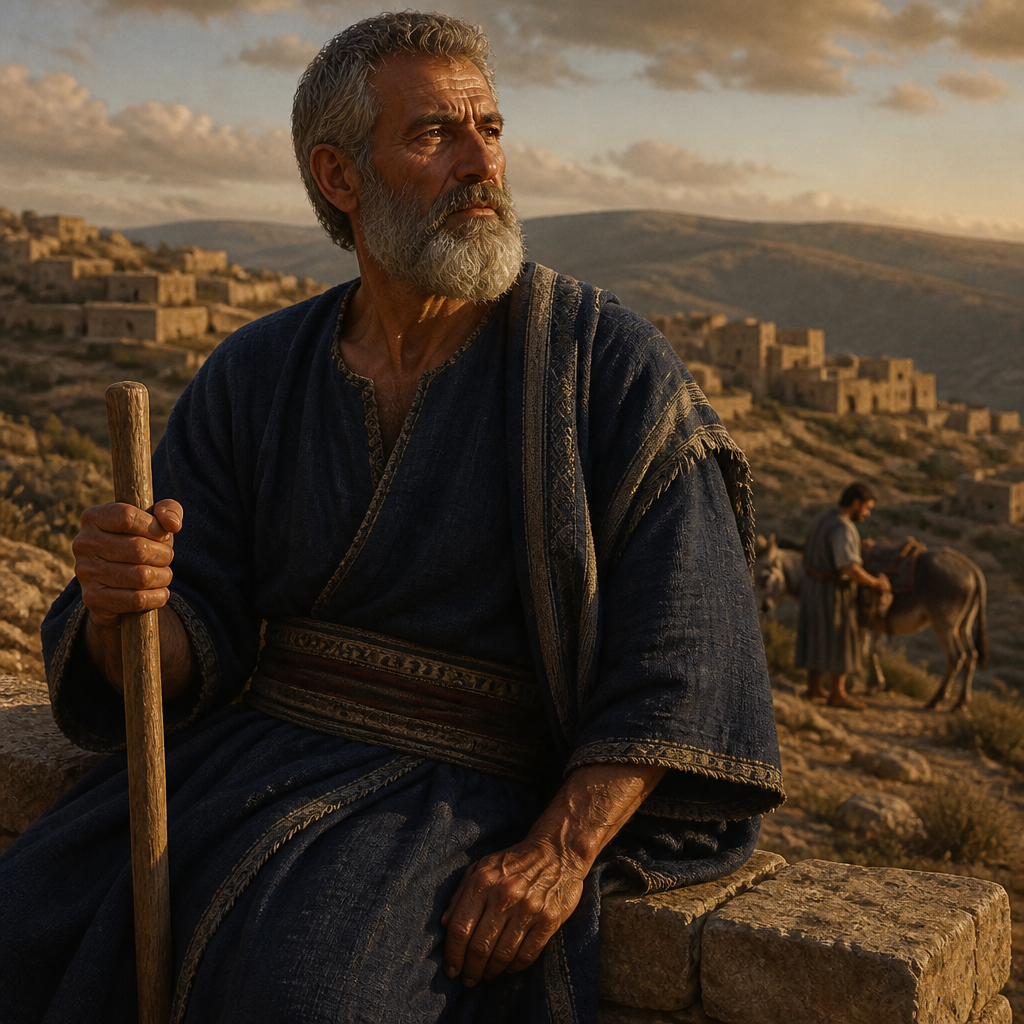
Tola was a minor judge of Israel who rose to leadership during the Period of the Judges, specifically following the death of the usurper Abimelech. According to the biblical record in the Book of Judges, he was the son of Puah and the grandson of Dodo. While the text is brief, it explicitly identifies him as a man from the tribe of Issachar, though he resided and served in the hill country of Ephraim.
His administration lasted twenty-three years, a period generally characterized by stability following the internal strife caused by Abimelech’s failed kingship. Tola is credited with 'arising to save Israel,' though the specific threats he neutralized—whether foreign invaders or internal dissolution—are not detailed in the Masoretic Text. He eventually died and was buried in Shamir.
Background and Family
Tola appears in the biblical narrative at a critical transitional moment. The Book of Judges identifies him as a member of the tribe of Issachar, yet he did not reside within his ancestral tribal allotments. Instead, the text notes he lived in Shamir, located in the hill country of Ephraim (Judges 10:1). This geographic detail suggests a period of inter-tribal movement or perhaps a strategic placement of leadership to oversee a central region of Israel.
His lineage is recorded with specificity: he was the son of Puah, the son of Dodo. While these names appear elsewhere in the biblical record, the author of Judges provides this genealogy to firmly establish Tola’s credentials as a legitimate leader of the covenant people, contrasting him with the illegitimate and violent rise of his predecessor, Abimelech.
Major Life Events
The primary event of Tola's life was his elevation to the position of judge. The text states that he "rose up to save Israel" (Judges 10:1). The use of the Hebrew verb yāqaum (to rise or arise) is common in Judges to describe the divine appointment of a deliverer. His service lasted for twenty-three years. Unlike the "major" judges such as Gideon or Samson, the Bible does not record specific battles or miraculous feats performed by Tola.
However, the phrase "to save Israel" implies that the nation was in a state of peril or decline. Given that he followed the disastrous reign of Abimelech—who had murdered his seventy brothers and sparked a civil war—Tola’s primary role was likely the restoration of order, law, and religious fidelity. His long tenure suggests a season of relative peace and judicial consistency. Upon his death, he was buried in his home of Shamir.
Relationship to Other Biblical Figures
Tola’s leadership is defined largely by its chronological position. He succeeded Abimelech, the son of Gideon who had attempted to force a monarchy upon Israel through bloodshed. By rising to "save" Israel immediately after Abimelech’s death, Tola acted as the corrective to Abimelech’s chaos. Following Tola's twenty-three-year term, he was succeeded by Jair the Gileadite, who judged Israel for twenty-two years (Judges 10:3).
Spiritual Significance
Although Tola is frequently categorized as a "minor judge" due to the brevity of his mention, his presence in the canon underscores a recurring theological theme in the Book of Judges: God’s continued provision of leadership even after periods of profound failure. Tola represents the quiet, steady preservation of the nation. The lack of recorded conflict during his two decades of leadership may be interpreted as a sign of his success in maintaining the peace he was appointed to establish. He stands as a reminder that "saving" Israel did not always require a spectacular military victory; sometimes it required decades of faithful, localized administration.
Spiritual Significance
Tola serves as a transitional figure who restored stability to Israel after the violent and fractured period of Abimelech's rule. His twenty-three-year tenure represents a period of divine grace where the office of the judge was used to preserve the social and religious fabric of the tribes without the necessity of recorded warfare.
His inclusion in the Book of Judges demonstrates that the narrative of Israel’s history is not composed solely of charismatic heroes, but also of steady leaders who performed the essential task of 'saving' the nation through prolonged periods of peaceful governance and adherence to the law.
Frequently Asked Questions
Which tribe did Tola belong to?
Tola was a man of the tribe of Issachar, as stated in Judges 10:1.
Where did Tola live and serve?
Although he was from the tribe of Issachar, Tola lived and served in Shamir, which was located in the hill country of Ephraim.
How long did Tola judge Israel?
Tola judged Israel for twenty-three years before he died and was buried in Shamir.
Who was Tola's father?
Tola was the son of Puah and the grandson of Dodo.
What did Tola do to save Israel?
The Bible does not detail specific battles, but it states he 'rose up to save Israel' following the death of Abimelech, implying he restored order and protected the nation from the chaos of the preceding years.
Connected Figures
Categories
Mentions by Book
- Judges1
Family & Relationships
Parent
Judges 10:1
Others Named Tola
Tola, Son of IssacharGenesis 46:13
Tola was the eldest son of Issachar and a tribal patriarch who founded the Tolaite clan during the Egyptian sojourn and the wilderness period.