Shammai, Son of Mered
A descendant of Judah through the line of Ezrah, born to Mered and his Egyptian wife Bithiah.
Shammai is a figure mentioned in the genealogical records of the tribe of Judah, specifically within the complex lineage of Mered. His inclusion in the Book of Chronicles serves to establish the diverse familial connections within the tribe that would eventually produce the Davidic line. Shammai’s heritage is particularly noteworthy because his mother is identified as Bithiah, the daughter of Pharaoh.
His life and identity are situated within the broader Patriarchal or pre-Exodus era, where the boundaries between Egyptian and Hebrew lineages were occasionally porous. While his individual actions are not recorded, his placement in the sacred text ensures his role as a vital link in the preservation of the Judean tribal heritage.
Background and Family
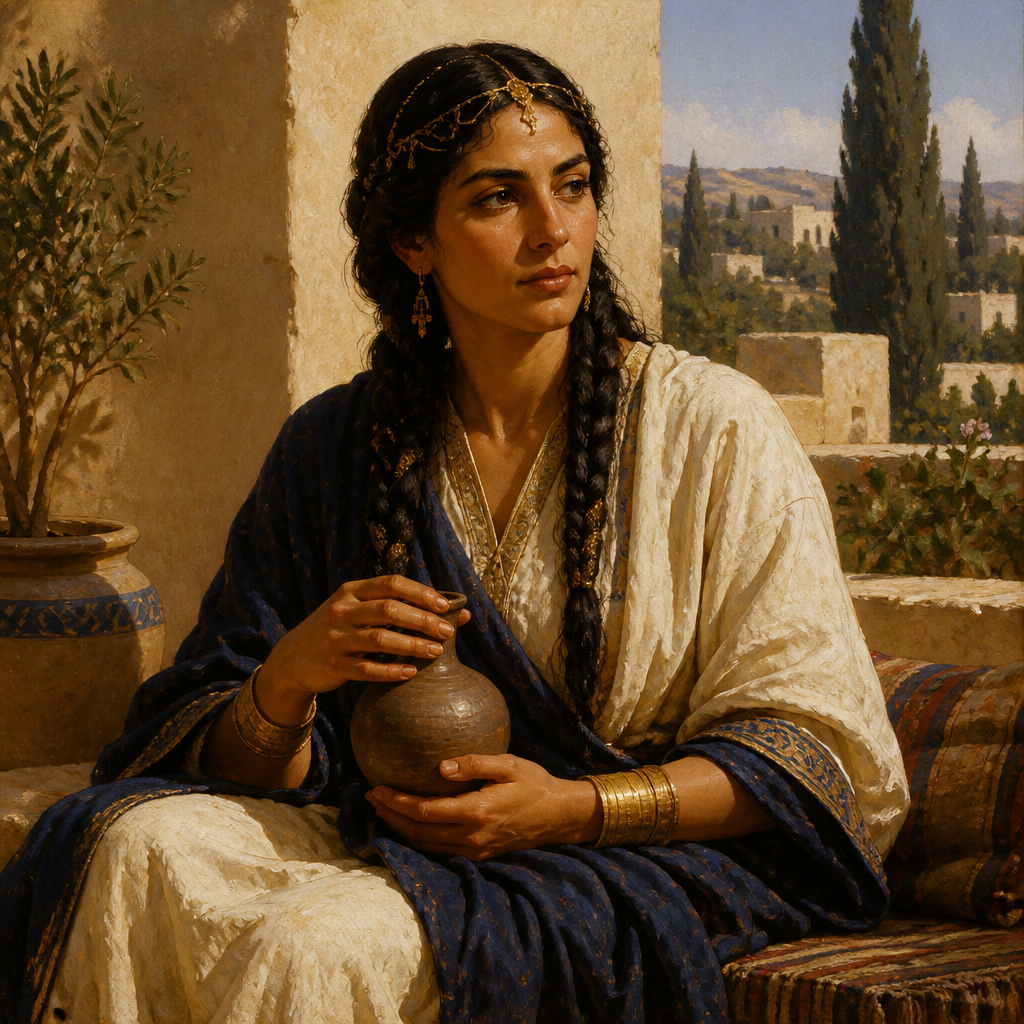
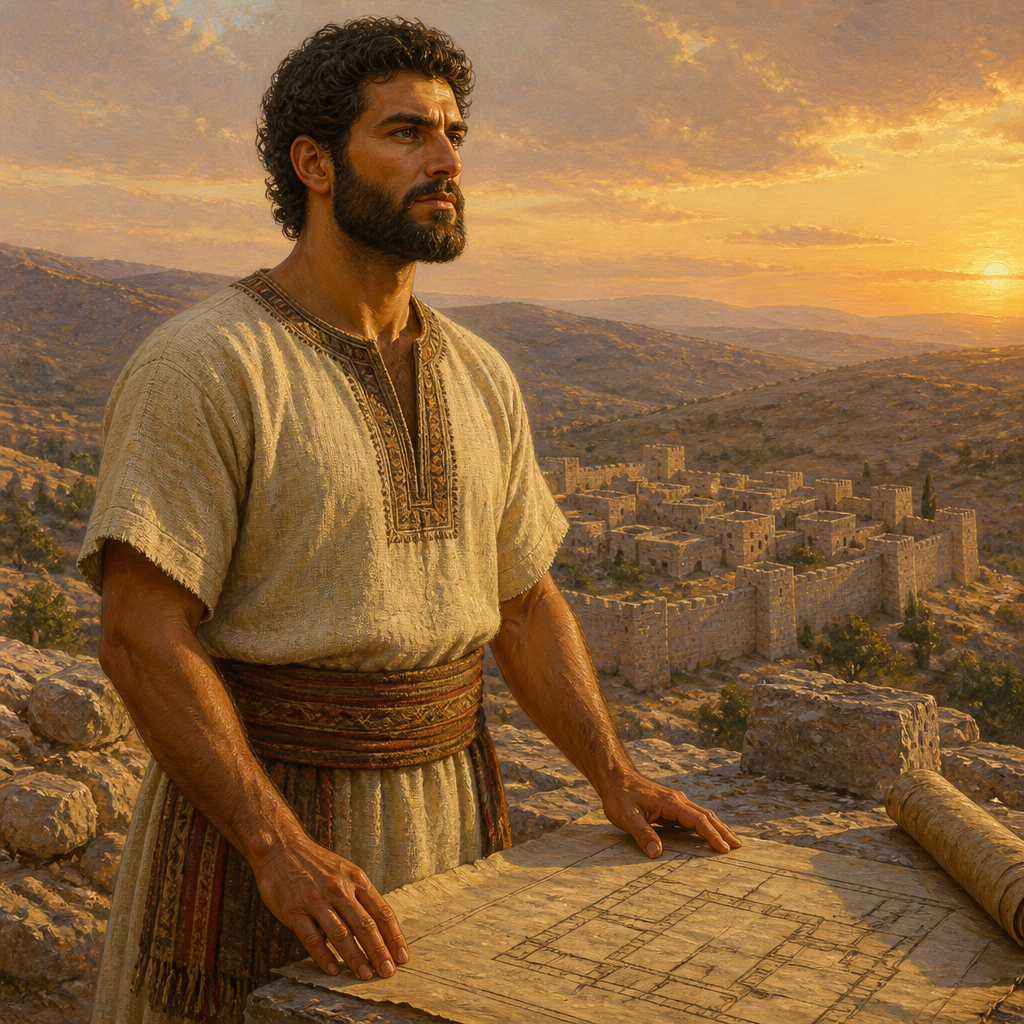
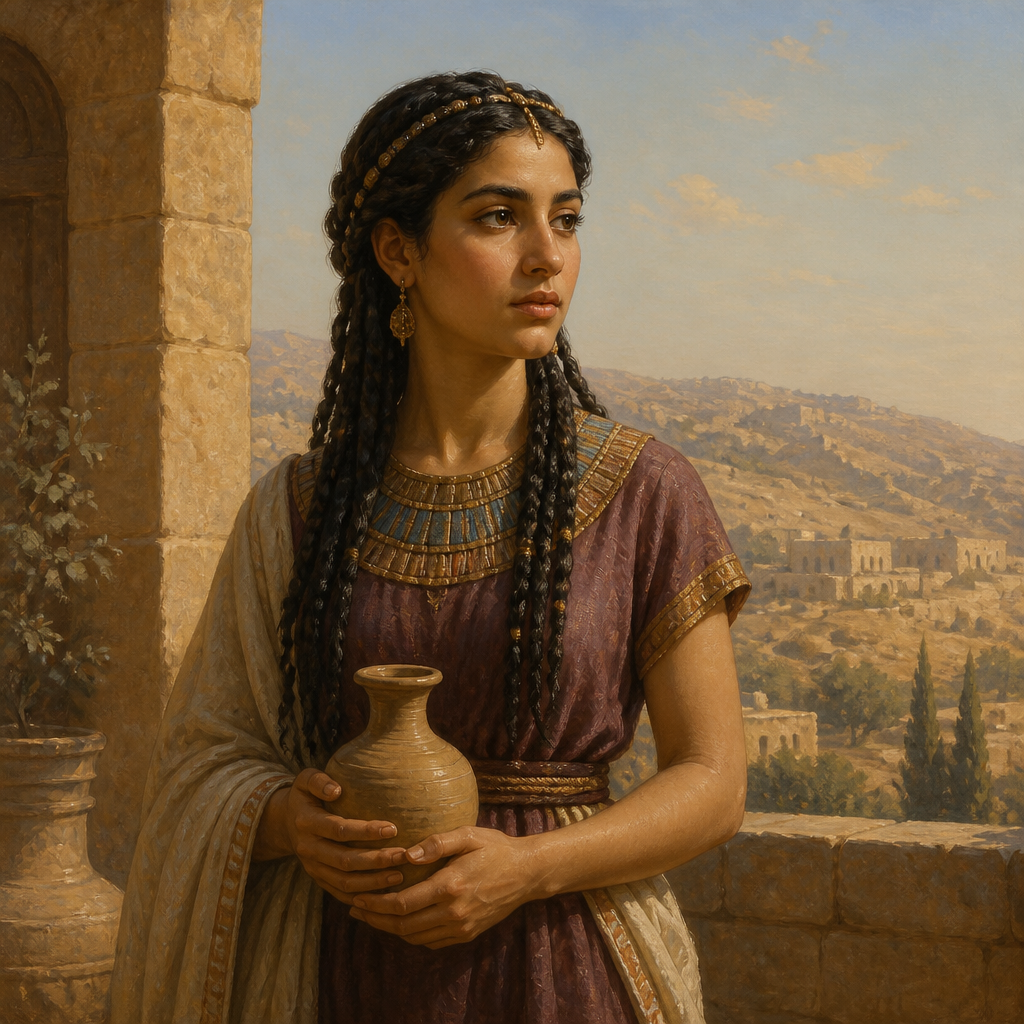
Shammai, Son of Mered, appears within a dense genealogical section of 1 Chronicles that traces the descendants of Judah. According to 1 Chronicles 4:17, Shammai was one of the children born to Mered and Bithiah. His siblings included Miriam and Ishbah. The text distinguishes Shammai’s parentage by highlighting that Bithiah was a daughter of an Egyptian Pharaoh, a detail that has long fascinated biblical scholars regarding the status of Hebrews in Egypt prior to the period of systemic oppression.
Shammai's paternal lineage stems from Ezrah, whose sons were Jether, Mered, Epher, and Jalon. This specific branch of the tribe of Judah is characterized by its integration of different ethnic elements, as Mered is credited with two wives: the Egyptian Bithiah and a Judean wife who bore another set of children including Jered, Heber, and Jekuthiel. Shammai represents the specific line resulting from the union between the Judean Mered and the Egyptian royalty.
Major Life Events
The biblical record for Shammai is purely genealogical. There are no recorded speeches, journeys, or personal conflicts associated with him. He is mentioned exclusively in 1 Chronicles 4:17. Because his brother Ishbah is identified as the "father of Eshtemoa," it is clear that Shammai belonged to a family of significant regional influence, as Eshtemoa was a town later assigned to the Levites in the territory of Judah.
Relationship to Other Biblical Figures
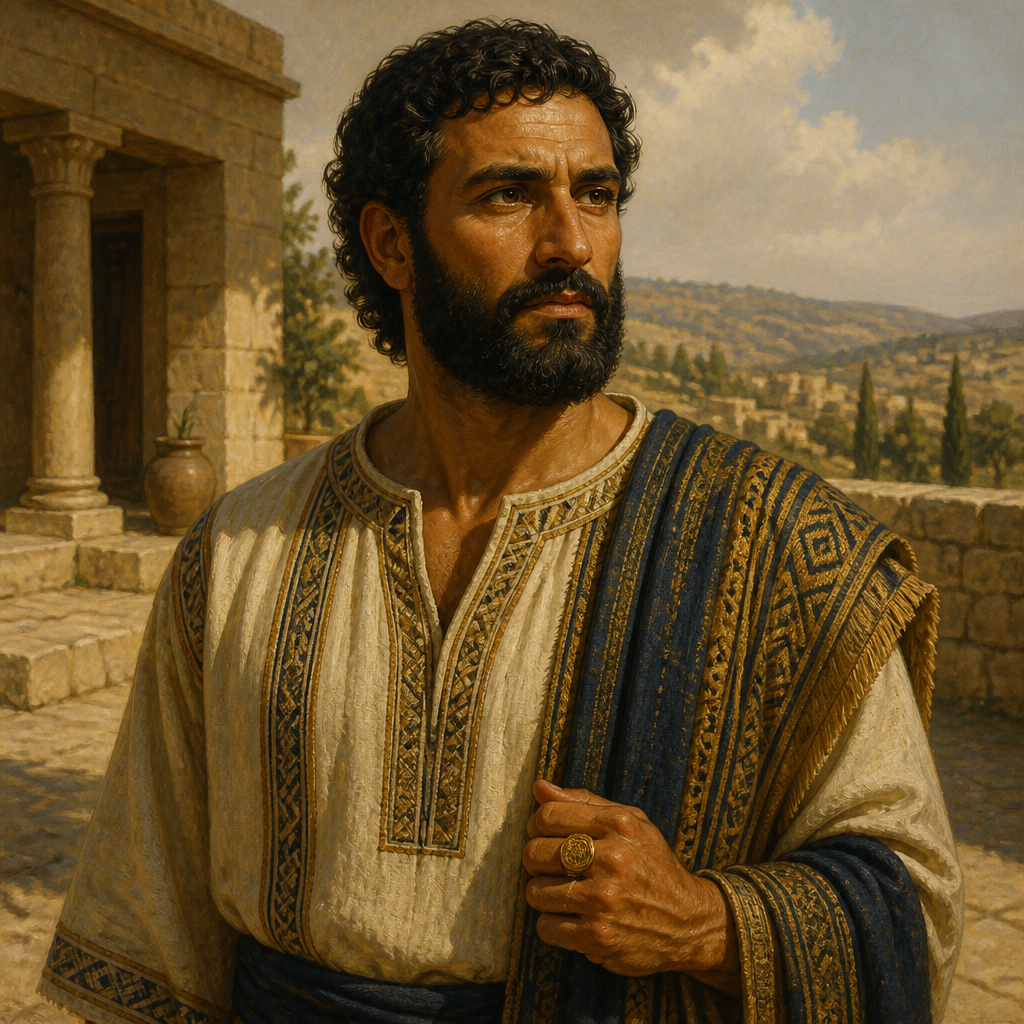
Shammai’s most significant relationship is to his parents, Mered and Bithiah. Through his mother, he is uniquely connected to the Egyptian royal house, making him a rare example of a Hebrew patriarch with direct Egyptian royal ancestry. He is also closely linked to his siblings, Miriam and Ishbah. The text suggests a shared upbringing among these three, setting them apart from the children of Mered’s other, Judean wife.
Spiritual Significance
In the context of 1 Chronicles, Shammai’s inclusion serves a historiographical purpose rather than a narrative one. The Chronicler sought to rebuild the identity of the post-exilic community by emphasizing the deep and varied roots of the tribe of Judah. Shammai stands as a testament to the fact that even in the earliest days of the nation’s formation, the people of God were inclusive of diverse backgrounds. His existence within the inspired record validates the continuity of the Judean family through various historical shifts and cultural intersections.
Spiritual Significance
Shammai’s presence in the Bible reinforces the historical reality of the tribe of Judah’s development. By documenting the offspring of a Pharaoh’s daughter within a Hebrew lineage, the text demonstrates that the early Patriarchal period involved complex social and political alliances. Shammai represents the preservation of a distinct Judean identity even when that identity was formed through intercontinental unions.
His inclusion in the genealogical scrolls highlights the biblical emphasis on 'remembrance.' While he performed no miracles and led no armies, his name was preserved to show that every member of the covenant family, regardless of how briefly mentioned, was essential to the fulfillment of the divine promise to Abraham, Isaac, and Jacob.
Frequently Asked Questions
Who was Shammai’s mother?
Shammai’s mother was Bithiah, who is identified in 1 Chronicles 4:17 as the daughter of Pharaoh.
Which tribe did Shammai belong to?
Shammai belonged to the tribe of Judah, descending from Ezrah through Mered.
Who were Shammai’s siblings?
His direct siblings from Bithiah were Miriam and Ishbah. He also had half-siblings through his father Mered’s other wife, including Jered, Heber, and Jekuthiel.
What does the name Shammai mean?
The name Shammai is derived from a Hebrew root meaning 'desolate' or 'appalling,' though in a naming context, it often refers to one who is 'renowned' or 'waste-like' depending on the etymological interpretation.
Connected Figures
Categories
Mentions by Book
- 1 Chronicles1
Family & Relationships
Sibling
1 Chronicles 4:17
Sibling
1 Chronicles 4:17
Sibling
JeredDisputed
1 Chronicles 4:17
Sibling
Heber, Son of MeredDisputed
1 Chronicles 4:17
Sibling
JekuthielDisputed
1 Chronicles 4:17
Parent
1 Chronicles 4:18
Sibling
Heber, Son of MeredDisputed
1 Chronicles 4:18
Sibling
1 Chronicles 4:17
Sibling
1 Chronicles 4:18
Sibling
JeredDisputed
1 Chronicles 4:18
Parent
MeredDisputed
1 Chronicles 4:17
Sibling
1 Chronicles 4:17
Others Named Shammai
Shammai, Son of Onam1 Chronicles 2:28
Shammai was a descendant of Judah through the line of Jerahmeel during the era of the Divided Monarchy.
Shammai, Son of Rekem1 Chronicles 2:44
A descendant of Judah through the line of Caleb and the father of Maon, documented in the post-exilic genealogies of the Divided Monarchy.