Shammai, Son of Onam
Shammai was a descendant of Judah through the line of Jerahmeel during the era of the Divided Monarchy.
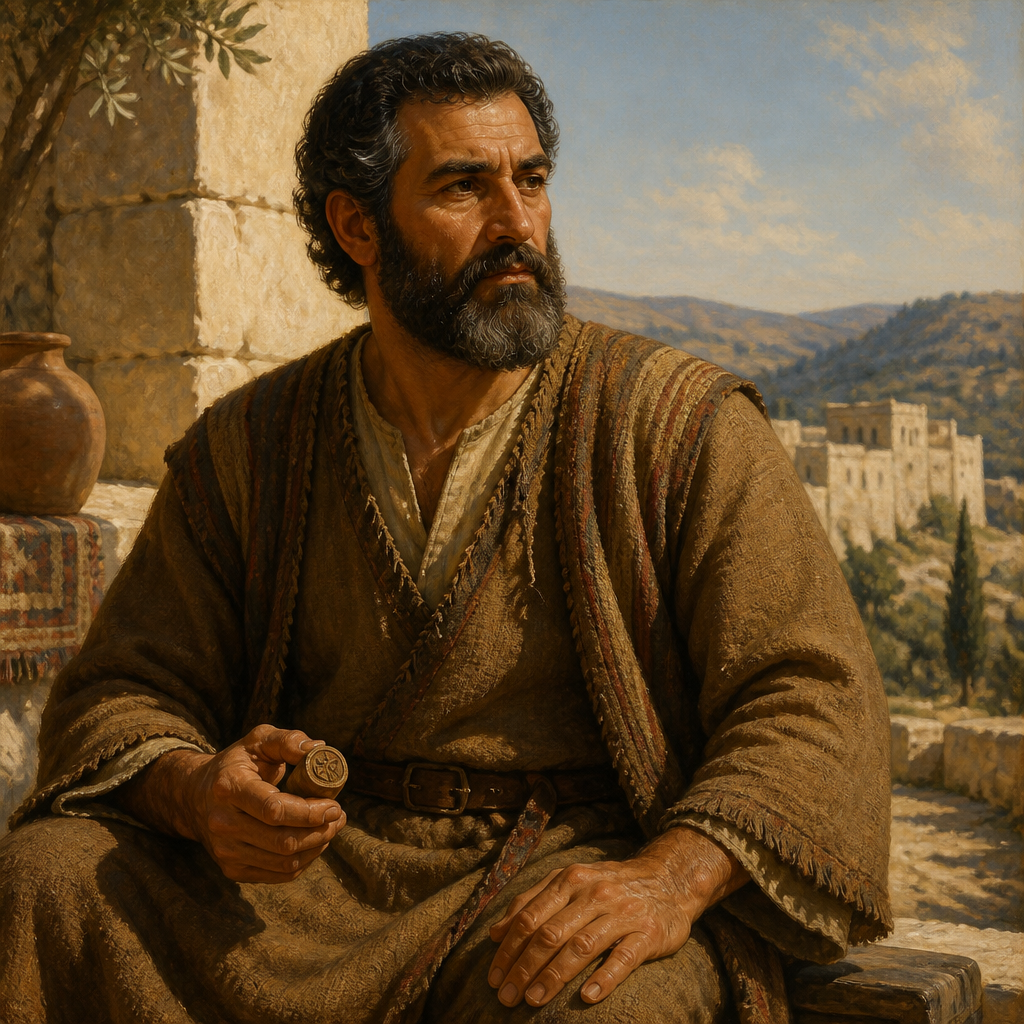
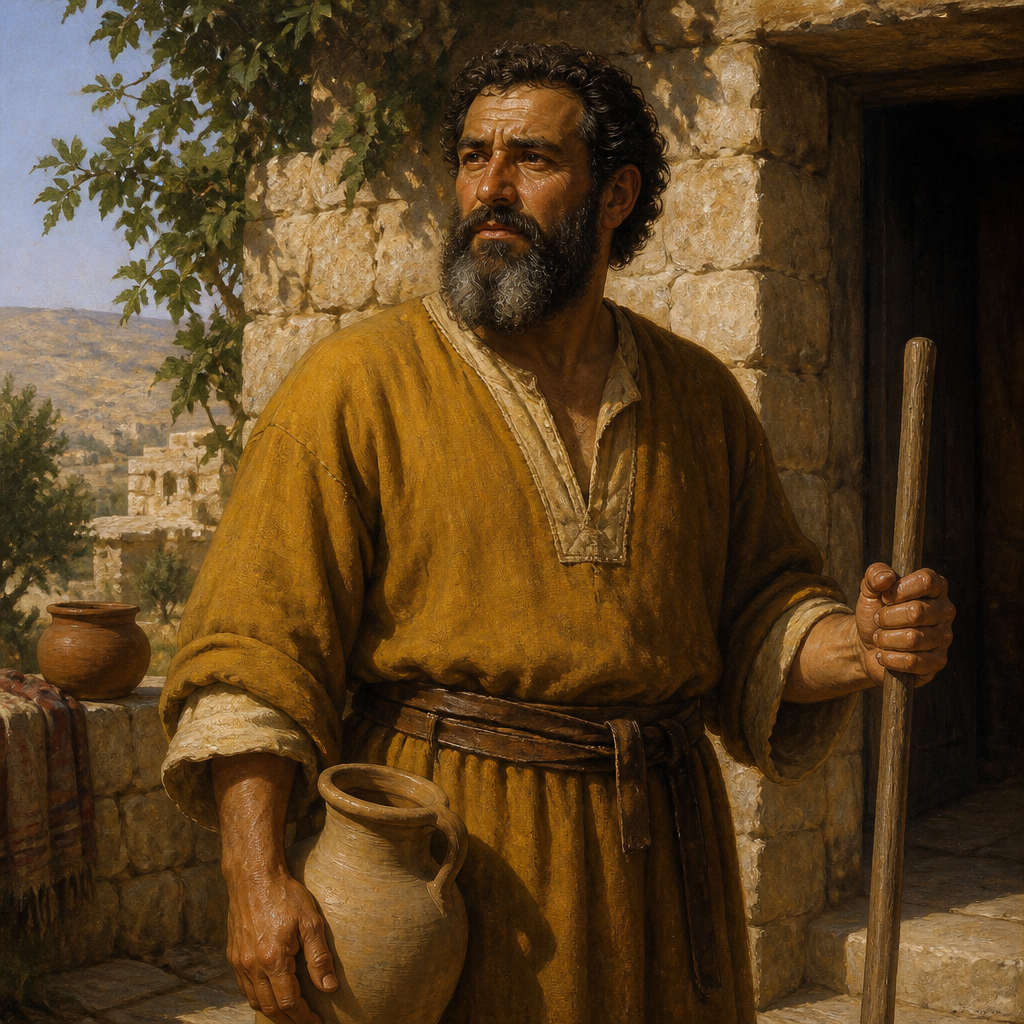
Shammai was a member of the Tribe of Judah and a significant figure in the genealogical records of the Jerahmeelites. As the son of Onam, he belonged to a prominent clan that maintained its identity and lineage during the period of the Divided Monarchy. His inclusion in the Chronicles highlights the preservation of tribal heritage during the tumultuous years following the split of the United Kingdom of Israel.
While the biblical record regarding Shammai is limited to genealogical data, his position as a father and a brother establishes him as a link in the messianic tribe of Judah. He is recorded specifically as the father of two sons, Nadab and Abishur, ensuring the continuation of his father Onam’s line within the broader context of Israel's tribal history.
Background and Family
Shammai appears in the genealogical records of 1 Chronicles, specifically within the lineage of Judah. His grandfather was Jerahmeel, the firstborn son of Hezron. According to 1 Chronicles 2:28, Shammai was one of two sons born to Onam, the other being his brother Jada. This placement within the Jerahmeelite clan is significant because the Jerahmeelites were one of the major sub-groups within the tribe of Judah, occupying the southern regions of the territory.
The chronicler emphasizes the familial structure surrounding Shammai to distinguish his branch of the family from others. He is identified not only by his ancestry but by his legacy as a progenitor. Shammai’s life is situated within the administrative and social framework of the Divided Monarchy, a time when genealogical records were vital for land inheritance, military service, and maintaining the purity of the Davidic line.
Major Life Events
The biblical text does not record specific deeds, speeches, or travels for Shammai. His "life events" in the scriptural sense are confined to his domestic success: the establishment of his own household and the fathering of children. He is credited with two sons, Nadab and Abishur (1 Chronicles 2:28).
The mention of Shammai in 1 Chronicles 2:32 further defines his family standing by noting that his brother Jada also had sons (Jether and Jonathan), though it specifies that Jether died childless. This detail indirectly elevates the importance of Shammai’s line, as his sons Nadab and Abishur became the primary carriers of the family’s heritage into the subsequent generation.
Relationship to Other Biblical Figures
Shammai’s primary relationships are vertical (ancestral) and horizontal (fraternal). As the son of Onam, he represents the continuation of Jerahmeel’s legacy. His relationship with his brother, Jada, is highlighted twice, emphasizing the fraternal bond within the clan.
Perhaps the most notable relationship is his role as the father of Abishur. The text later notes that Abishur married a woman named Abihail, who bore him Ahban and Molid. Through Shammai, the line of Judah flourished, contributing to the demographic strength of the southern kingdom. His family served as the backbone of the Judean social structure during the years of the Divided Monarchy, providing the stable communal environment necessary for the kingdom’s survival against its northern neighbor and foreign adversaries.
Spiritual Significance
In the context of the Chronicler’s work, Shammai’s spiritual significance lies in the "theology of the genealogies." For the post-exilic community reading these records, figures like Shammai were evidence of God’s faithfulness to the covenant with Judah. By meticulously recording Shammai’s place in the tribe, the text affirms that every individual in the community—even those without recorded miracles or prophecies—played a divine role in preserving the nation. Shammai represents the quiet continuity of the people of God, illustrating that being part of the chosen line was, in itself, a position of religious importance.
Spiritual Significance
Shammai serves as a critical link in the Jerahmeelite genealogy within the tribe of Judah. His presence in the text underscores the importance of lineage and inheritance during the Divided Monarchy, ensuring that the tribal identity of Judah remained intact through successive generations. Theologically, his inclusion demonstrates that the Chronicler viewed the preservation of family lines as a fulfillment of God's promise to multiply the descendants of Abraham and David.
Frequently Asked Questions
Which tribe did Shammai belong to?
Shammai belonged to the Tribe of Judah, specifically within the clan of the Jerahmeelites.
Who were Shammai's children?
Shammai had two sons named Nadab and Abishur.
Who was Shammai's father?
Shammai was the son of Onam.
In which book of the Bible is Shammai mentioned?
Shammai is mentioned in the book of 1 Chronicles, specifically in chapter 2.
Connected Figures
Categories
Mentions by Book
- 1 Chronicles2
Family & Relationships
Child
1 Chronicles 2:28
Child
1 Chronicles 2:28
Sibling
1 Chronicles 2:28
Sibling
1 Chronicles 2:28
Parent
1 Chronicles 2:26
Others Named Shammai
Shammai, Son of Mered1 Chronicles 4:17
A descendant of Judah through the line of Ezrah, born to Mered and his Egyptian wife Bithiah.
Shammai, Son of Rekem1 Chronicles 2:44
A descendant of Judah through the line of Caleb and the father of Maon, documented in the post-exilic genealogies of the Divided Monarchy.