Achbor, Father of Baal-hanan
Achbor was an Edomite patriarch whose son, Baal-hanan, served as the seventh recorded king of Edom during the pre-Israelite monarchical period.
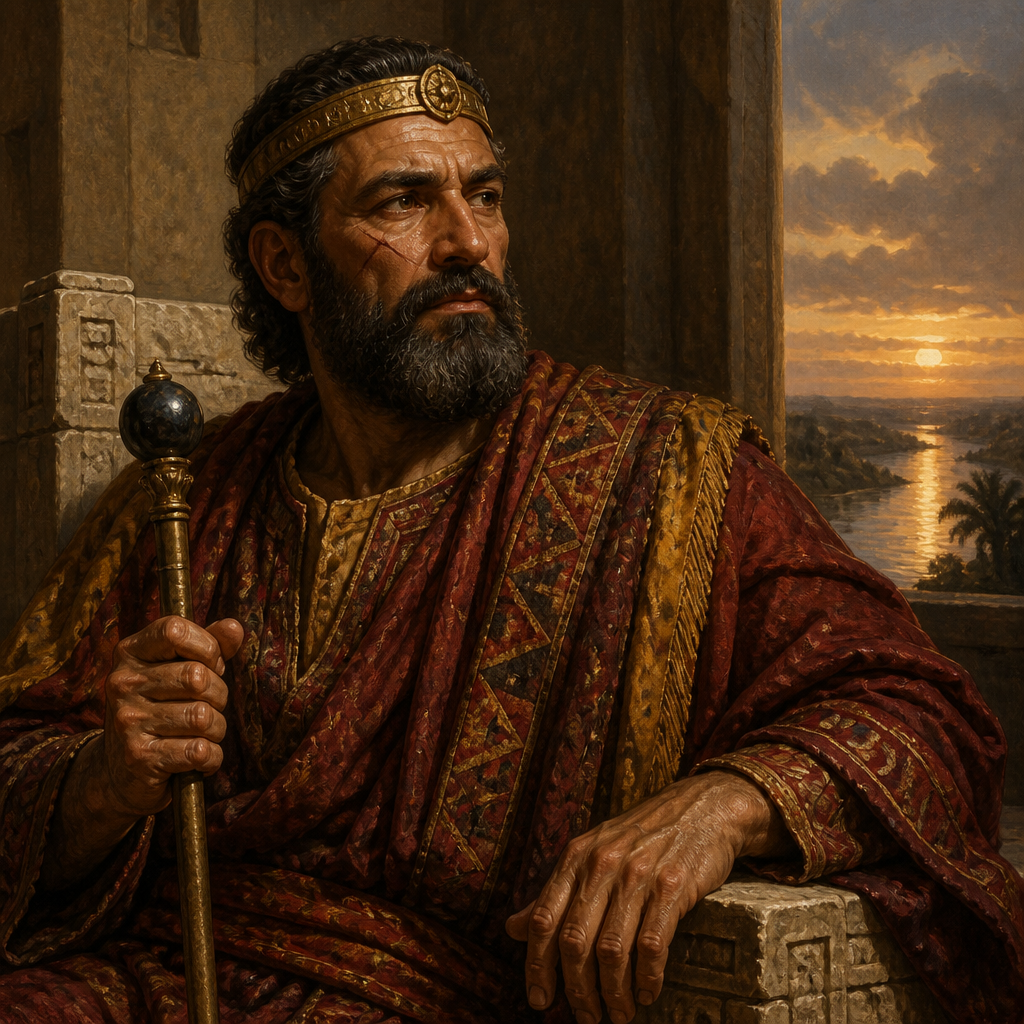
Achbor is a figure mentioned in the genealogical and historical records of the nation of Edom. He lived during the Patriarchal Period, an era characterized by the transition of the descendants of Esau from tribal clans into a structured monarchy. While the biblical text does not explicitly state that Achbor himself sat on the throne, his primary historical significance lies in his status as the father of Baal-hanan, one of the eight kings who reigned in Edom before any king ruled over the Israelites.
His name, which translates roughly to "mouse" or "gnawer" in Hebrew, appears in the administrative lists of Genesis and 1 Chronicles. These lists serve to document the political development of the Edomites, the brother-nation to Israel. Achbor represents a specific line of descent within the non-hereditary elective monarchy that governed the region of Mount Seir during the second millennium BC.
Background and Family
Achbor appears within the "Table of Nations" and the specific lineage of Esau (Edom) recorded in the Pentateuch and the later chronicles of Israel. He is identified exclusively as the father of Baal-hanan. The geopolitical context of Achbor’s life is the land of Edom, a rugged, mountainous territory south of the Dead Sea. During this era, Edom was organized under a series of kings who did not follow a standard hereditary succession; instead, the kingship often moved between different families and cities.
The Edomite Monarchy
Achbor’s family rose to prominence during a pivotal time for the Edomite people. According to Genesis 36:31, these kings reigned "before any king reigned over the children of Israel." This chronological note places Achbor and his son in the mid-to-late Patriarchal Period, likely during the time when the Israelites were in Egypt or wandering in the wilderness. The lack of a dynastic surname for Achbor suggests he may have been a tribal chieftain (an alluph) or a member of the Edomite nobility whose son was eventually selected for the throne.
Major Life Events
The biblical record for Achbor is strictly genealogical. He is first mentioned in Genesis 36:38 following the death of Shaul of Rehoboth. The text notes that upon Shaul's death, "Baal-hanan son of Achbor reigned in his place." This transition marks the shift of power to Achbor’s immediate household.
While the text does not record Achbor’s specific deeds, his inclusion in the royal annals implies a position of high social standing. In the ancient Near East, the parentage of a king was a vital credential for legitimacy, even in systems where the crown was not strictly inherited. The mention of Achbor in two separate biblical books (Genesis and 1 Chronicles) ensures that his contribution to the Edomite royal line is preserved as a matter of historical record.
Relationship to Other Biblical Figures
Achbor’s primary relationship is with his son, Baal-hanan. As the father of a king, Achbor is the bridge between the previous administration of Shaul and the subsequent reign of Hadad (the son of Bedad). Because the Edomite kings listed in Genesis 36 often moved the capital city with each new ruler, Achbor’s family represents a specific geographic and political faction within Edom.
Spiritual Significance
The presence of Achbor in the biblical text highlights the fulfillment of God’s promises regarding the descendants of Isaac. In Genesis 25:23 and 27:39-40, it was prophesied that Esau would become a great nation and eventually break the yoke of his brother Jacob. The detailed record of Achbor’s lineage serves as a testament to the sovereign development of nations outside of the covenant line of Israel.
From a scholarly perspective, Achbor represents the historical reality of the Edomite people as a sophisticated, organized society that achieved monarchical status early in its history. His name remains a permanent part of the biblical record, documenting the human ancestry behind the rising and falling of ancient kingdoms.
Spiritual Significance
Achbor's significance is primarily found in the preservation of the Edomite king list, which provides a chronological and political framework for the neighbors of early Israel. His inclusion demonstrates the Bible's interest in the accurate historical recording of the 'nations round about' and the fulfillment of the blessings bestowed upon Esau.
Furthermore, the mention of Achbor as the father of Baal-hanan underscores the non-Israelite origins of the names and titles found in the Transjordan region, reflecting a culture that was both distinct from and yet inextricably linked to the history of the Hebrew patriarchs.
Frequently Asked Questions
Was Achbor a king of Edom?
The Bible identifies Achbor's son, Baal-hanan, as the king. While Achbor is a prominent figure in the royal lineage, the text does not explicitly state that he held the throne himself.
What does the name Achbor mean?
In Hebrew, the name Achbor (עַכְבּוֹר) translates to 'mouse.' It was not uncommon in ancient Semitic cultures to use animal names for individuals.
When did Achbor live?
Achbor lived during the Patriarchal Period, specifically during the era when Edom had established a monarchy but before Israel had its first king (Saul).
In which books of the Bible is Achbor mentioned?
He is mentioned in the Book of Genesis (chapter 36) and the First Book of Chronicles (chapter 1).
What tribe did Achbor belong to?
Achbor belonged to the nation of Edom, the descendants of Esau.
Connected Figures

Categories
Mentions by Book
- Genesis2
- 1 Chronicles1
Family & Relationships
Child
Genesis 36:38
Others Named Achbor
Achbor, Official of King Josiah2 Kings 22:12
A high-ranking royal official and son of Micaiah who served under King Josiah of Judah during the discovery of the Book of the Law.