Zabdiel, Overseer of the Valorous
Zabdiel was an overseer of 128 mighty men of valor who helped repopulate and secure Jerusalem during the Post-Exilic Period.
Zabdiel, son of Haggedolim, appears in the biblical record during the critical era of the Jewish return from the Babylonian captivity. He is identified specifically as a leader and an overseer among the elite military class that settled in the newly rebuilt Jerusalem under the governance of Nehemiah. His presence reflects the organized restructuring of Jewish society as it transitioned from exile back to a self-governed community centered around the Temple.
While his mentions are brief, Zabdiel occupies a significant administrative and protective role. He was responsible for a group of 128 men described as 'mighty men of valor,' indicating that he was not merely a civilian official but a commander of significant standing. His lineage and his leadership position suggest he was a member of the social or priestly elite who prioritized the restoration of Jerusalem's security and religious integrity in the late 5th century BC.
Background and Family
The biblical record for Zabdiel is contained within the genealogical and census lists of Nehemiah 11. He is identified as the son of Haggedolim (Nehemiah 11:14). The name Zabdiel itself means 'God is my gift' or 'Gift of God,' a common linguistic construction in the Post-Exilic Period reflecting a sense of gratitude for the restoration of the covenant people. His father’s name, Haggedolim, translates literally as 'the great ones' or 'the great men.' Scholars debate whether Haggedolim is a proper name or a title indicating Zabdiel was the 'son of the great men,' perhaps suggesting he came from a line of high-ranking priests or noblemen.
Major Life Events
Zabdiel’s primary contribution to the history of Israel occurs during the repopulation of Jerusalem. After the walls of the city were completed by Nehemiah in approximately 444 BC, the city remained sparsely populated. A tithe was taken to bring one-tenth of the population from the surrounding countryside to live within the city walls. Zabdiel was among those who either volunteered or was selected to reside in the holy city.
His specific role was that of an paqid (overseer) over 128 'mighty men of valor' (gibbore hayil). In the context of the return from exile, these men were responsible for the physical defense of the Temple and the city precincts. Zabdiel’s oversight of this group suggests he possessed both administrative acumen and military authority, ensuring that the 128 soldiers under his command remained vigilant against the surrounding hostile nations like the Samaritans and Ammonites.
Relationship to Other Biblical Figures
Zabdiel served during the tenure of Nehemiah, the governor of Judah, and worked alongside the high priest Eliashib. While he is listed alongside other leaders like Joel son of Zichri (who was the overseer of the Benjaminites), Zabdiel is distinguished by his specific command over the 'mighty men.' The text places him in the company of the priests and the Levites who were reclaiming their ancestral duties, anchoring his identity to the religious and civic survival of the Post-Exilic community.
Spiritual Significance
Zabdiel represents the 'unsung' leadership necessary for the fulfillment of divine promises. While the Bible focuses heavily on Nehemiah and Ezra, the presence of men like Zabdiel highlights the collaborative effort required to rebuild a nation. His role as an overseer of valorous men underscores the biblical theme that spiritual restoration (the Temple) must be accompanied by practical vigilance and courageous leadership. He stands as a testament to the individuals who dedicated their lives to the physical and spiritual security of Jerusalem during its most vulnerable stage of reconstruction.
Spiritual Significance
Zabdiel's significance lies in his role as a guardian of the restored Jerusalem. By leading a specialized group of 128 mighty men, he ensured the stability of the city at a time when it was surrounded by enemies. His inclusion in the sacred text serves to validate the contributions of specific families and leaders who sacrificed the comforts of the countryside to secure the capital of the nascent Jewish state.
Theological reflection on Zabdiel often centers on the concept of being a 'gift of God' to the community. His leadership of the 'mighty men of valor' connects the Post-Exilic community back to the traditions of King David, who also relied on a band of mighty men. Zabdiel thus represents the continuity of Israel’s strength and God's providence throughout the transition from monarchy to exile and finally to return.
Frequently Asked Questions
Who was Zabdiel's father?
Zabdiel was the son of Haggedolim, a name which may also be interpreted as a title meaning 'the great men.'
What was Zabdiel's job in Jerusalem?
He was an overseer (leader) of 128 mighty men of valor who were responsible for the security and defense of the city.
When did Zabdiel live?
Zabdiel lived during the Post-Exilic Period, specifically during the time of Nehemiah in the mid-to-late 5th century BC.
In which book of the Bible is Zabdiel mentioned?
He is mentioned only once in the Bible, in the Book of Nehemiah, chapter 11, verse 14.
Connected Figures
Nehemiah
Governor of Judah during Zabdiel's service
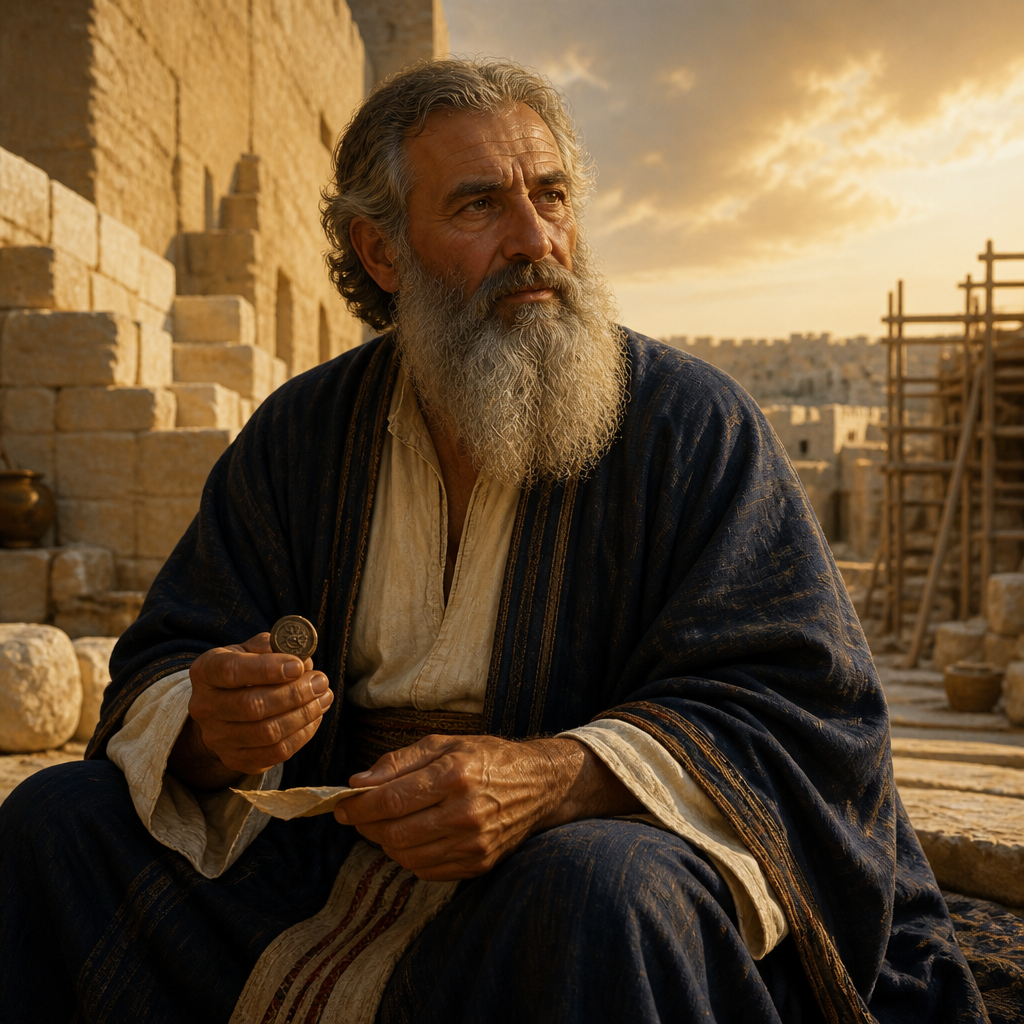
Haggedolim
Father
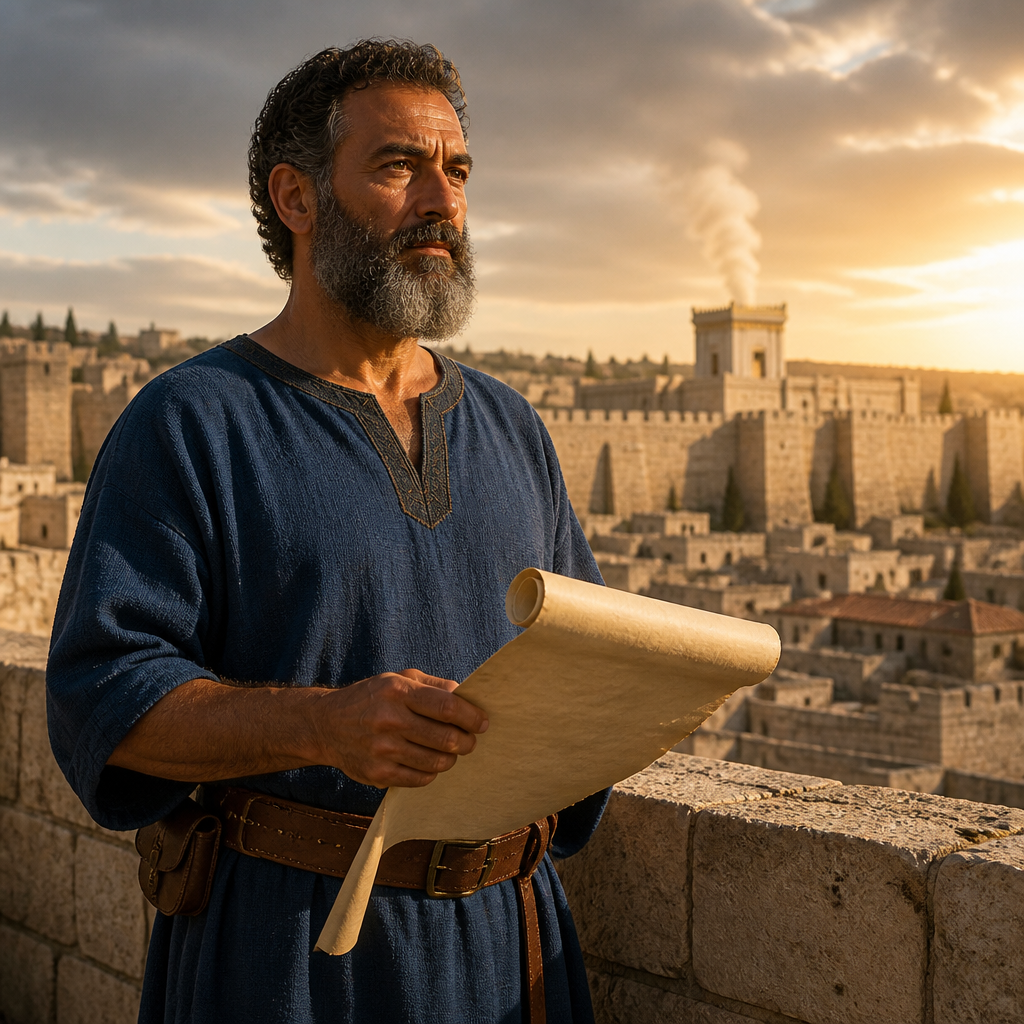
Joel son of Zichri
Contemporary overseer in Jerusalem
Categories
Mentions by Book
- Nehemiah1
Family & Relationships
Parent
Nehemiah 11:14
Others Named Zabdiel
Zabdiel, Father of Jashobeam1 Chronicles 27:2
Zabdiel was the father of Jashobeam, the chief officer of David's first military division during the United Monarchy.