Haggedolim
Who was Haggedolim in the Bible?
Haggedolim was a man of the Post-Exilic period whose son, Zabdiel, served as a prominent overseer of 128 mighty men of valor in Jerusalem.
Haggedolim is a figure mentioned in the biblical record of the Post-Exilic period, specifically during the time of Nehemiah. His name appears within the genealogical and administrative registers of the returning exiles who settled in Jerusalem. While Haggedolim himself is not described in detail, his identity is preserved through the achievements of his son, Zabdiel, who held a significant leadership position among the military and civic ranks of the restored community.
The context of Haggedolim's mention involves the repopulation of Jerusalem after the Babylonian captivity. As the city walls were completed under Nehemiah’s leadership, it became necessary to identify and organize the residents of the city. Haggedolim is cited to establish the lineage of one of the city's key defenders, indicating that he belonged to a family of significant social standing and military capability.
Background and Family
The name Haggedolim (גָּדוֹל) is derived from the Hebrew root meaning "great" or "large." In the context of Nehemiah 11:14, the term is used as a proper name for the father of Zabdiel. The biblical text provides no direct information regarding Haggedolim’s own tribe or ancestry, though his inclusion in the list of those residing in Jerusalem suggests he was of Judean or Benjamite stock, or perhaps associated with the priestly or Levitical families who were prioritized for Jerusalem residency.
His primary legacy in the biblical narrative is his son, Zabdiel. The text identifies Zabdiel as an overseer, a role that required both administrative skill and recognized authority within the community of the Return. The family was clearly associated with the military elite of the period, as Zabdiel commanded a specific group of "mighty men of valor."
Major Life Events
There are no specific biographical events recorded for Haggedolim himself. His life coincides with the era of the Exile and Return, a period marked by the decree of Cyrus the Great and the subsequent waves of Jewish returnees to the Levant. Whether Haggedolim was born in Babylon or was among those who made the journey back to Judea is not explicitly stated. However, he is documented as part of the generational chain that established the new social order in Jerusalem during the mid-5th century BC.
His son, Zabdiel, is the focal point of the verse in which Haggedolim is mentioned. Zabdiel served as an overseer for 128 men described as "mighty men of valor." This suggests that Haggedolim’s household was instrumental in the physical defense and security of Jerusalem at a time when the city was still vulnerable to surrounding hostile nations.
Relationship to Other Biblical Figures
Haggedolim’s singular recorded relationship is to his son, Zabdiel. Through this connection, he is linked to the administration of Nehemiah, the governor of Judah. The men under Zabdiel’s oversight were part of the wider effort to secure the city following the reconstruction of its walls. Haggedolim represents the patriarchal link that authorized Zabdiel’s service and standing among the leadership of the post-exilic community.
Spiritual Significance
While Haggedolim is a minor figure, his inclusion in the Book of Nehemiah highlights a central theme of the Post-Exilic literature: the importance of lineage and the preservation of identity. In the wake of the destruction of the First Temple and the displacement of the population, names like Haggedolim served as anchors for the community’s continuity.
His name, which signifies "greatness," reflects the hope and restoration of the people. The spiritual significance of Haggedolim lies in his contribution to the "living stones" of the new Jerusalem. By fathering a leader like Zabdiel, he contributed to the security of the holy city and the fulfillment of the prophetic promises regarding the restoration of Zion. His presence in the biblical canon serves as a testament to the reality that the reconstruction of the nation depended on individual families and their willingness to serve in the newly reclaimed capital.
Haggedolim’s significance is rooted in the administrative and genealogical records of Nehemiah 11. These records were crucial for validating the heritage and rights of the returning exiles. As the father of an 'overseer' of 128 warriors, Haggedolim is part of the military lineage that provided stability to Jerusalem during a precarious time in Jewish history.
His mention underscores the biblical emphasis on the family unit as the basis for national service. Although his personal actions are unrecorded, his legacy is defined by his son's valor and leadership in the service of God's people and the protection of the Holy City.
Frequently Asked Questions
Who was Haggedolim in the Bible?
Haggedolim was the father of Zabdiel, an overseer of 128 mighty men of valor who lived in Jerusalem during the time of Nehemiah.
In which book of the Bible is Haggedolim mentioned?
He is mentioned only once in the Bible, in Nehemiah 11:14.
What does the name Haggedolim mean?
The name is derived from the Hebrew word for 'great' or 'large' (Gadol).
What was Haggedolim's tribe?
The Bible does not explicitly state his tribe, but he was part of the community of returning exiles who settled in Jerusalem.
Did Haggedolim hold an official office?
The text does not assign an office to Haggedolim himself, but notes that his son Zabdiel was an overseer.
Family & Relationships
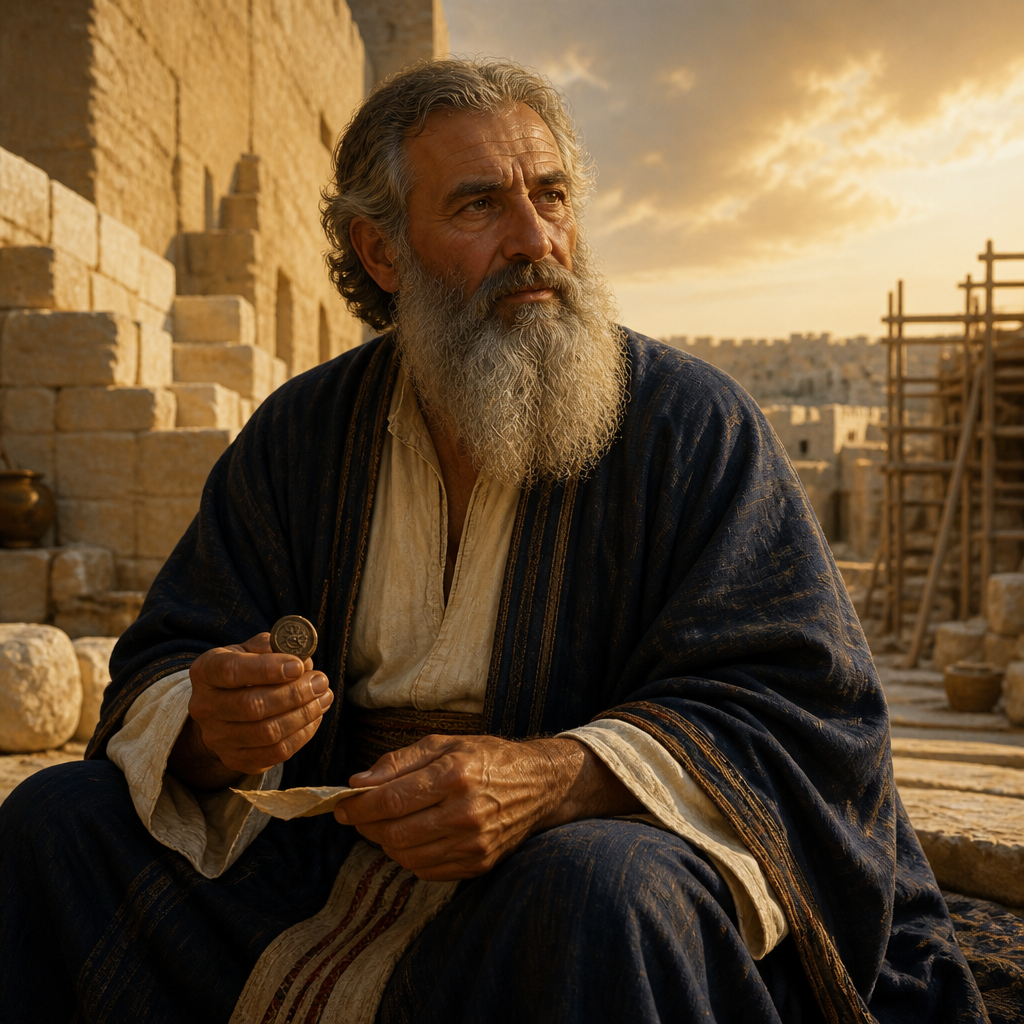 HaggedolimThis page
Children
 Zabdiel, Overseer of the ValorousSonNehemiah 11:14Stated
Connected Figures
Family
Son · Nehemiah 11:14
Zabdiel was an overseer of 128 mighty men of valor who helped repopulate and secure Jerusalem during the Post-Exilic Period.
Exile and ReturnFirst: Nehemiah 11:141 versesOverseer and military commander
Categories
Mentions by Book
- Nehemiah1
Scripture References
All 1 indexed verse, in canonical order, from the Berean Standard Bible.
Nehemiah · 1
- Nehemiah 11:14
and his associates—128 mighty men of valor. Zabdiel son of Haggedolim was their overseer.