Jehohanan, Priestly Descendant of Amariah
Jehohanan was a priest and head of a father's house who served during the post-exilic restoration in Jerusalem.
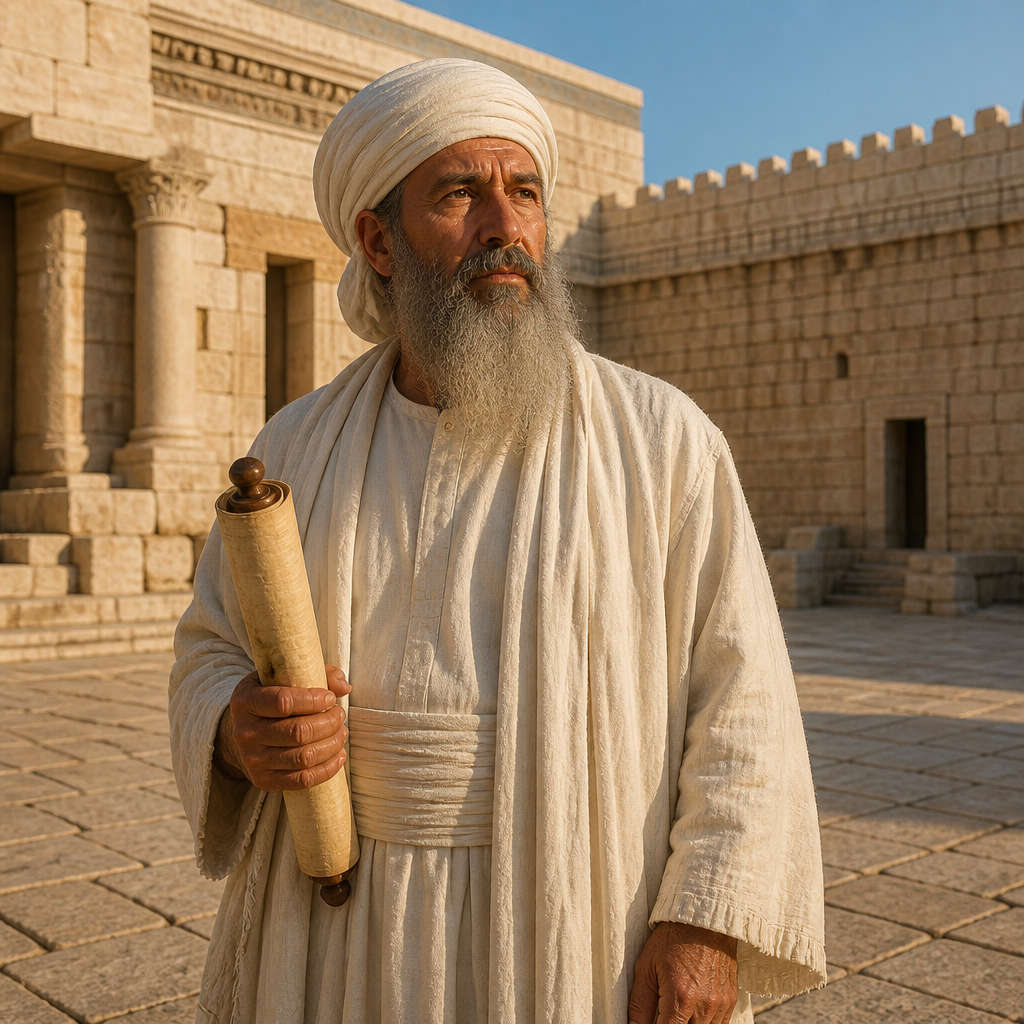
Jehohanan was a member of the Aaronic priesthood who lived during the era of the Exile and Return. He is specifically identified in the historical records of Nehemiah as the head of a paternal house among the priestly families that returned to Jerusalem from Babylonian captivity. His service took place during the generation following the high priest Jeshua, a critical time for the reconstruction of the Jewish religious system and the re-establishment of the temple services in Judah.
As a leader of the priestly house of Amariah, Jehohanan represents the institutional continuity of Israel's sacrificial system. His inclusion in the genealogical registers serves as evidence of the meticulous record-keeping maintained by the returning exiles to ensure that only those with proven levitical descent served at the altar. While the biblical text provides few details regarding his personal life, his role as a representative of his family highlights the structured nature of the post-exilic community under Persian rule.
Background and Family
Jehohanan lived during the period of the Exile and Return, a time characterized by the Jewish people's efforts to rebuild their national and spiritual identity after seventy years in Babylon. According to the record in Nehemiah 12, Jehohanan was a priest associated with the line of Amariah. The text identifies him as the head of the father's house (the bet ab) during the days of Joiakim, who was the son of Jeshua the high priest.
This placement in the genealogy indicates that Jehohanan was part of the second generation of priests to serve in the Second Temple after its completion in 516 BC. His family line, the house of Amariah, was one of the recognized priestly divisions that participated in the restoration of the covenant community.
Major Life Events
The specific actions of Jehohanan are not recorded in detail; rather, his presence in the biblical narrative is anchored in his administrative and liturgical position. He is mentioned in the context of a list of priests and Levites who served in the generation of Joiakim. As a head of a father's house, Jehohanan would have been responsible for overseeing the duties of the other priests within his family group, ensuring they were properly rotated for temple service and maintained ceremonial purity.
His life coincided with the ongoing efforts to secure Jerusalem's walls and consolidate the reforms initiated by leaders like Ezra and Nehemiah. As a priest, he would have been a central figure in the religious life of the city, participating in the daily sacrifices and the public reading of the Law.
Relationship to Other Biblical Figures
Jehohanan is directly linked to the priestly line of Amariah. In the organizational structure of the post-exilic priesthood, he served under the high priesthood of Joiakim. This puts him in a cohort of leaders that included figures such as Meshullam (of the house of Ezra) and other heads of priestly families who worked collectively to maintain the sanctity of the temple.
Spiritual Significance
The significance of Jehohanan lies in his role as a preserver of the priestly heritage. The book of Nehemiah emphasizes the importance of these lists to prove that the restoration was not merely a physical return to a land, but a spiritual return to the mandates of the Mosaic Law. By being recorded as the head of the house of Amariah, Jehohanan stands as a witness to God's faithfulness in preserving the line of Aaron through the Babylonian exile. His presence in the text underscores the biblical theme that every individual within the covenant community, regardless of how briefly they are mentioned, plays a vital role in the continuity of God's redemptive work.
Spiritual Significance
Jehohanan’s significance is found in his role as a functional bridge between the pre-exilic traditions and the post-exilic reality. As a head of a priestly house, he ensured that the requirements for temple service were met according to the Law of Moses, maintaining the holiness of the restored community. His inclusion in Nehemiah's registry highlights the biblical priority on lineage and the legitimacy of the priesthood in the Second Temple period.
Frequently Asked Questions
What was Jehohanan’s role in Jerusalem?
He was a priest and the head of the father’s house of Amariah, responsible for temple duties and leadership within his family line.
When did Jehohanan live?
He lived during the period of the Exile and Return, specifically during the days of Joiakim the high priest in the late 6th or early 5th century BC.
What tribe did Jehohanan belong to?
As a priest, he belonged to the tribe of Levi and was a descendant of Aaron.
Where is Jehohanan mentioned in the Bible?
He is mentioned in Nehemiah 12:13 in a list of priests and Levites.
Connected Figures
Joiakim
High Priest during his service
Meshullam
Contemporary priestly leader
Amariah
Ancestral head of his priestly house
Categories
Mentions by Book
- Nehemiah1
Others Named Jehohanan
Jehohanan, Son of EliashibEzra 10:6
A contemporary of Ezra who provided a private chamber within the temple complex where the scribe could mourn and fast over the sins of the returned exiles.
Jehohanan, Father of Ishmael2 Chronicles 23:1
A man of Judah whose son, Ishmael, served as a military commander and played a pivotal role in the restoration of the Davidic line by overthrowing Queen Athaliah.
Jehohanan, Descendant of BebaiEzra 10:28
A member of the family of Bebai who was listed among the returned exiles required to separate from foreign wives during the reforms of Ezra.
Jehohanan, Levite of the Divided Monarchy1 Chronicles 26:3
A Korahite Levite and gatekeeper appointed to serve in the Tabernacle during the Davidic organization of the Divided Monarchy period.
Jehohanan, Commander under Jehoshaphat2 Chronicles 17:15
A high-ranking military official and commander of 280,000 troops serving King Jehoshaphat of Judah during the Divided Monarchy.
Jehohanan, Choir Member of the RestorationNehemiah 12:42
A participant in the musical procession and dedication of the rebuilt walls of Jerusalem under Nehemiah's leadership.
Jehohanan, Son of TobiahNehemiah 6:18
An Ammonite-Judahite noble whose marriage into a prominent Jewish family facilitated his father's subversive influence in Jerusalem during the time of Nehemiah.